

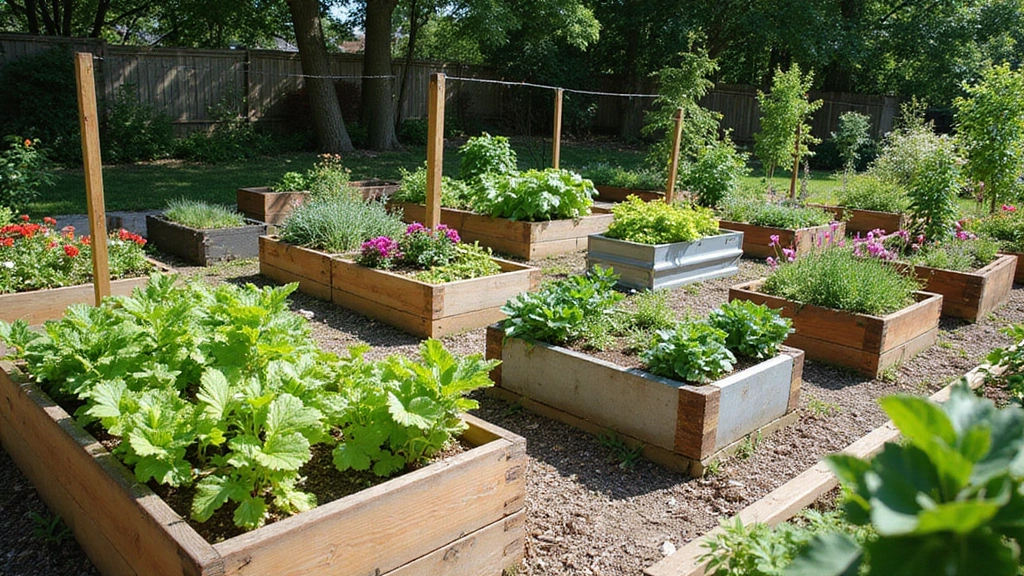
Spring is in the air, and there’s nothing quite like the feeling of digging your hands into the earth and watching plants grow. If you’re like me, this season has you dreaming of vibrant vegetables and colorful flowers filling your yard. But maybe you’re a bit hesitant to dive right in. If you’re a beginner hoping to create a stunning garden without the hassle, this post is just for you.
Creating raised garden beds can be a game-changer. They’re not just easy to put together; they also help keep your plants healthy and free from pests. If you’re someone who loves the idea of gardening but feels overwhelmed by the thought of it, you’re not alone. Many new gardeners share your concerns, and this guide will help you tackle them head-on.
I’ve pulled together 25 simple DIY raised garden bed ideas that are perfect for beginners. These projects are not only affordable but also straightforward. Whether you want to grow herbs, vegetables, or flowers, these ideas will get you started on the right path. You’ll learn how to build your own beds, what materials work best, and how to design a garden that suits your space.
Imagine stepping into your backyard, feeling proud of the garden you’ve created. With these tips, you can achieve that. You’ll gain the confidence you need to make your gardening dreams come true. Let’s dig in and get your hands dirty!
1. Pallet Paradise
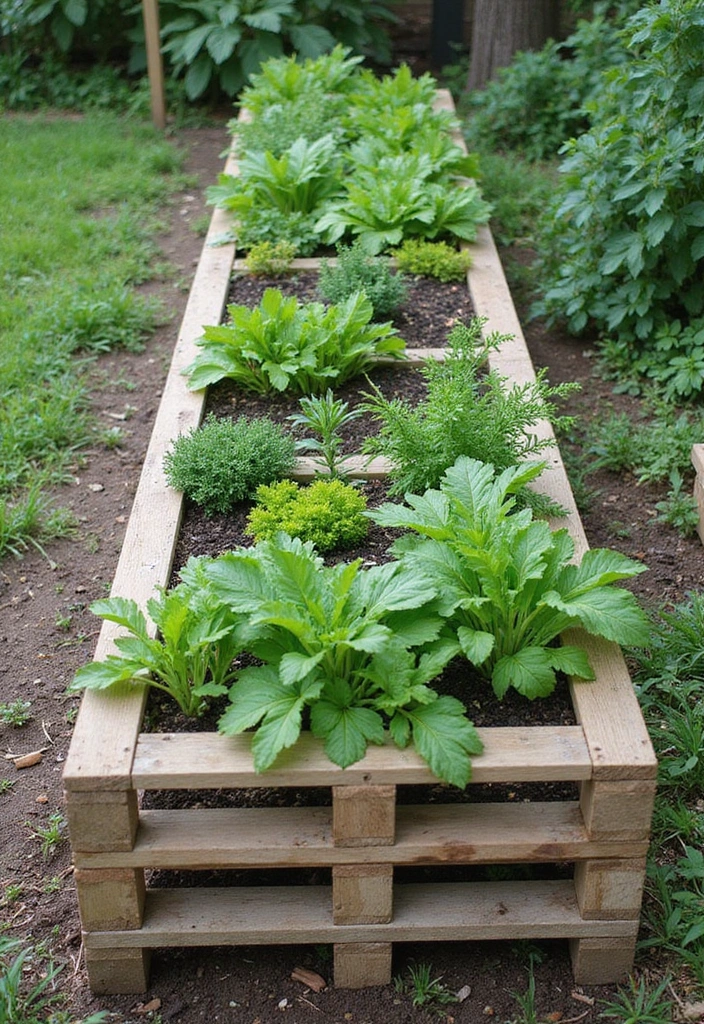
Welcome to your new gardening adventure with pallets. These versatile wooden structures give your garden beds a stylish and rustic look without breaking the bank. You can often find pallets for free or at a minimal cost. Imagine stacking them up, securing them, and filling them with rich soil to grow your favorite herbs and veggies. Colors like rustic brown or bright colors from paint can add personality, bringing life to your outdoor space. Pinterest is buzzing with creative pallet garden ideas, inspiring many to try this trendy option.
To get started, make sure to sand down any rough edges to keep things safe, especially if kids are around. Lay down some landscape fabric at the bottom for proper drainage. This ensures your plants thrive without drowning in excess water. With a little creativity, you can customize your pallet garden to match your style. Whether you paint it a vibrant hue or leave it natural, these beds are perfect for growing herbs like basil or veggies like lettuce. You’ll enjoy watching your garden flourish, making your outdoor area feel fresh and inviting.
• Stack pallets securely for a sturdy bed
• Paint or stain for a personalized touch
• Add a trellis for climbing plants like peas
• Fill with good-quality soil for healthy growth
With these tips, you’re on your way to creating a beautiful and functional garden bed that reflects your unique style. Happy gardening!
2. Tiered Wooden Beds
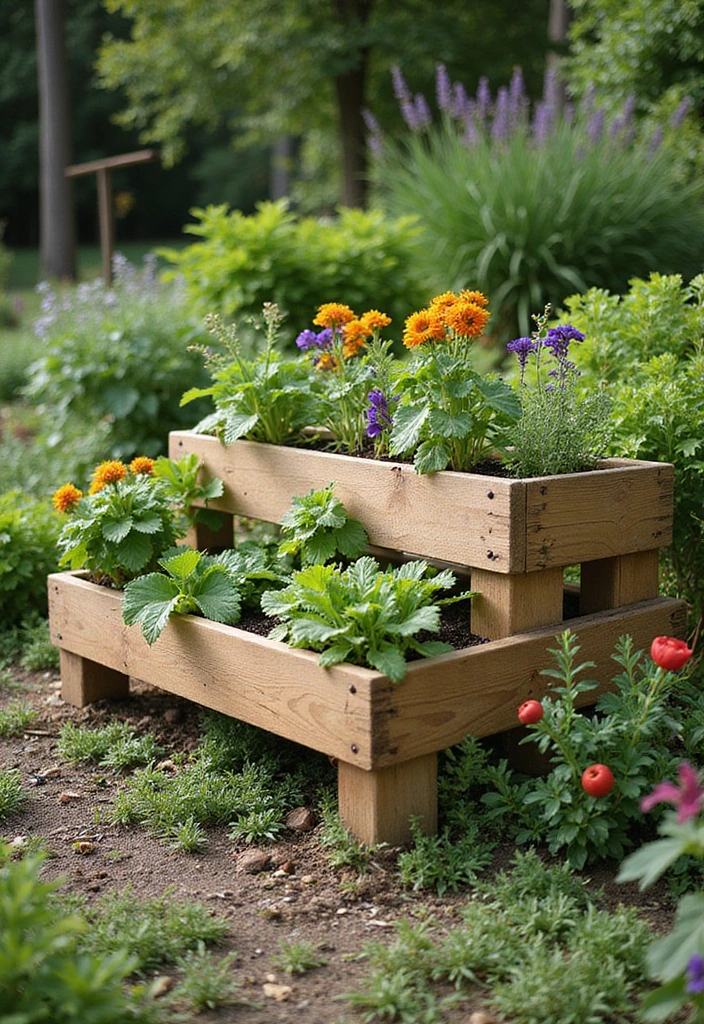
Create a garden that stands out with tiered wooden beds. These multi-level structures not only look beautiful but also help with water drainage. Imagine planting vibrant flowers on one tier and delicious vegetables on another. This design trend is catching on fast on platforms like Pinterest, where gardeners showcase their creative ideas.
To build your tiered bed, start with a solid base. Use untreated wood for a natural look that blends into your garden. Stack each layer securely, leaving enough space for each plant to thrive. This setup allows you to group plants wisely, making companion planting a breeze—think tomatoes thriving alongside basil for a delicious combo.
You don’t need to spend a fortune to make this happen. Consider using reclaimed wood or pallets to keep your project budget-friendly. This approach not only saves money but also adds character to your garden. The result? A stunning space that feels inviting and organized, perfect for enjoying time outdoors.
• Build a strong base with untreated wood for durability.
• Stack tiers securely to create a stable structure.
• Group plants together for easy companion planting.
• Use reclaimed wood to keep costs low and add charm.
3. Vertical Garden Planters
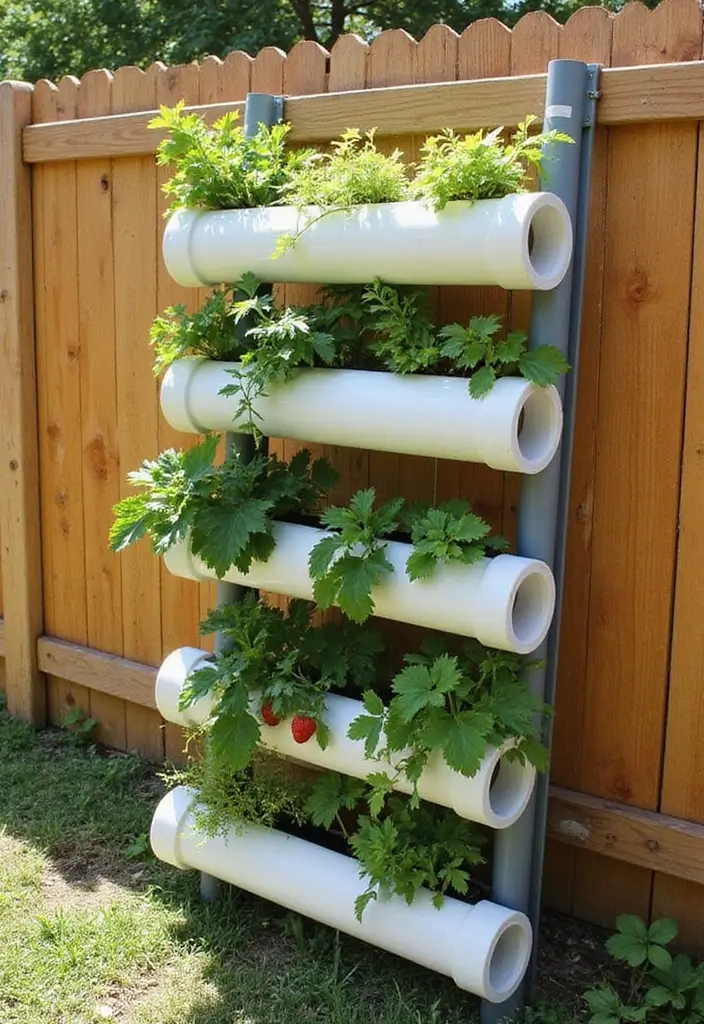
Transform your small outdoor space into a lush paradise with vertical garden planters! These clever creations, made from items like PVC pipes or wooden frames, maximize your planting area while adding a striking visual element to your backyard or patio. Imagine vibrant herbs or juicy strawberries cascading down a vertical wall. This trend is all over Pinterest and inspires many gardeners to get creative with their limited space.
To create your vertical garden, start by securing containers to a sturdy frame. Alternatively, drill holes in PVC pipes, fill them with nutrient-rich soil, and plant your favorite greenery. It’s a fun project that doesn’t require a lot of money. You can even use recycled materials to keep costs down! Plus, having fresh herbs or strawberries within arm’s reach makes cooking even more delightful.
While watering these plants can be tricky, consider installing a drip irrigation system. This ensures that every plant receives the right amount of water without hassle. With just a bit of planning, your vertical garden can thrive and bring life to your outdoor area.
• Choose sturdy materials like wood or PVC for durability
• Pick colorful plants to create an eye-catching display
• Add a drip irrigation system for easy watering
• Place near sunny spots to maximize growth
With these tips, your vertical garden planters will not only save space but also make your outdoor area feel fresh and inviting. Enjoy the beauty and bounty of your new garden!
4. Cinder Block Beds
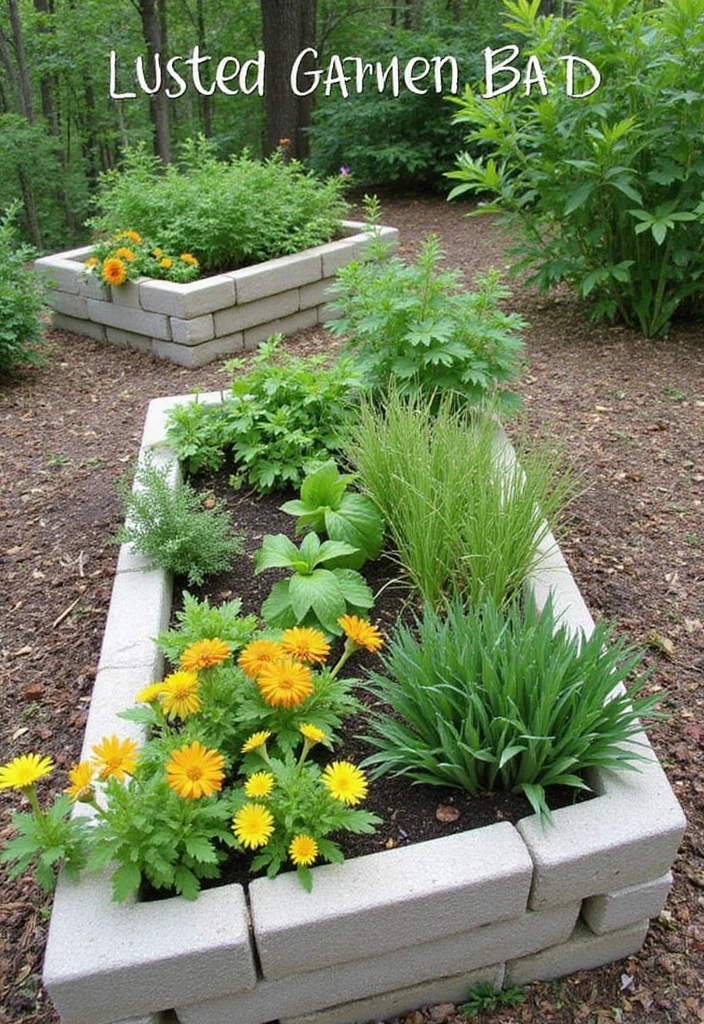
Transform your outdoor space with cinder block raised garden beds. These blocks are not just for building walls; they make sturdy, stylish garden beds that can last for years. Imagine stacking them in any shape you like, filling the centers with soil, and watching your garden flourish. Their unique design not only gives you a modern look but also allows you to plant herbs or colorful flowers right in the hollow spaces. This adds an extra touch of beauty to your gardening project. Pinterest is buzzing with this trend, showcasing gorgeous cinder block gardens that inspire creativity.
To get started, gather some cinder blocks from your local hardware store. You don’t have to spend a fortune; these blocks are budget-friendly and easy to find. Stack them in a layout that fits your space, whether it’s a straight line or a more intricate pattern. Fill the holes with soil for herbs or flowers, which can also help with drainage. Painting the blocks in bright colors or using them as a canvas for a fun design can elevate your garden’s aesthetic. This approach helps create a welcoming atmosphere, perfect for relaxation or entertaining friends.
• Choose cinder blocks for durability and style
• Fill hollow spaces with herbs or flowers
• Paint blocks for a personal touch
• Stack in creative patterns to fit your garden
5. Reclaimed Wood Boxes
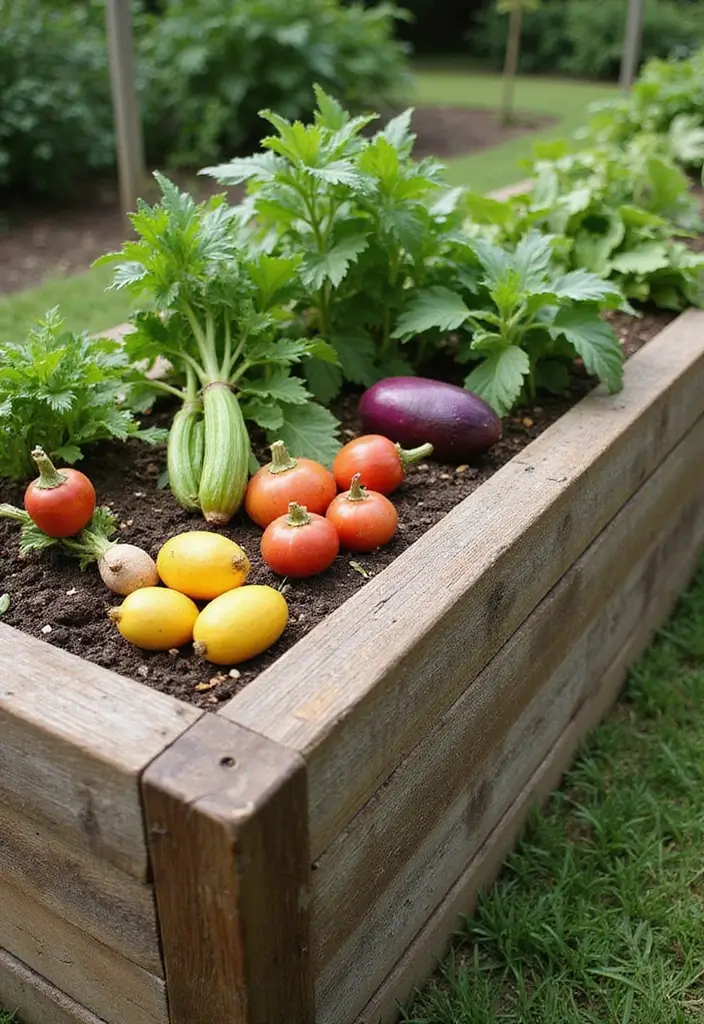
Crafting raised garden beds from reclaimed wood is an eco-friendly choice that adds unique charm to your garden. Think about using old pallets, scrap wood from fences, or even repurposed furniture. This approach not only helps the environment but also allows you to create a garden box that reflects your individual style. Many people are turning to these rustic designs, and you’ll find plenty of inspiration on platforms like Pinterest.
When building, opt for untreated wood to keep harmful chemicals away from your plants. A simple square or rectangular box is easy to make and looks great. To enhance the natural beauty of the wood, apply a coat of natural wood oil. These charming boxes are especially suited for root vegetables like carrots, beets, and radishes, making your garden both functional and beautiful.
To ensure your boxes last longer, consider lining the insides with landscape fabric. This extra step helps protect the wood from moisture and soil damage.
• Gather reclaimed wood from local sources or home improvement stores
• Choose untreated materials to keep plants safe
• Apply natural wood oil for a polished finish
• Line with landscape fabric for added durability
Building raised beds from reclaimed wood not only elevates your gardening game but also makes your outdoor space feel inviting and warm. Plus, you get to enjoy the satisfaction of using sustainable materials in your garden project.
6. Metal Trough Gardens
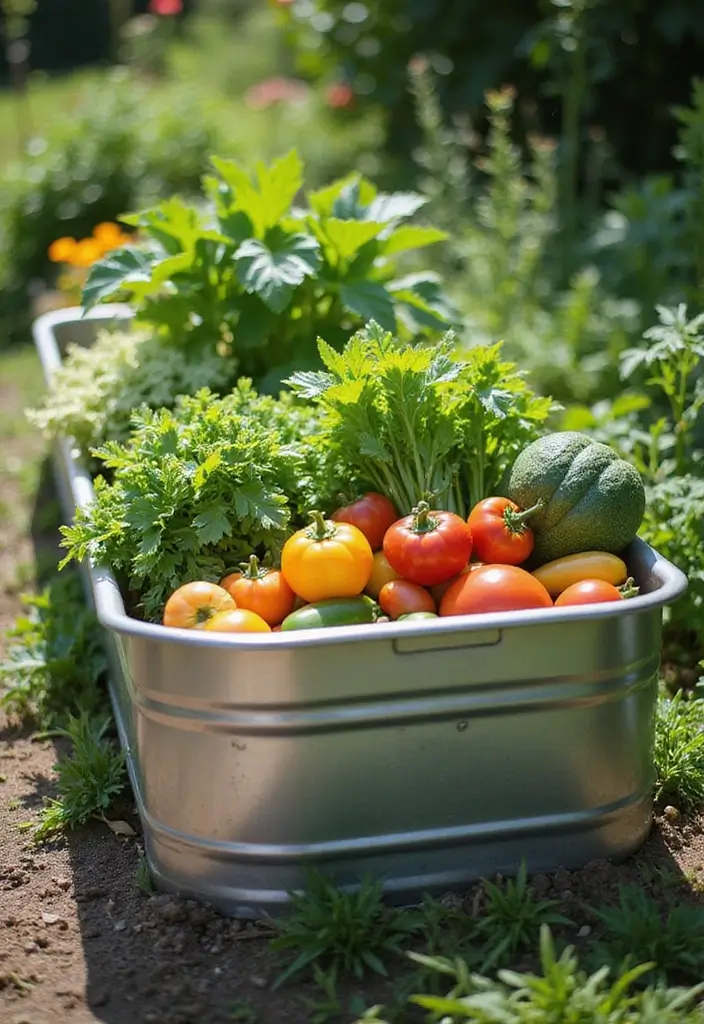
Imagine turning a simple metal trough into a stunning raised garden bed! These containers aren’t just for livestock; they bring a modern flair to your yard while providing fantastic drainage. You can find them in various sizes and finishes, from sleek galvanized steel to rustic, weathered looks. Pinterest is buzzing with ideas on how to use these stylish troughs, making them a hot trend in gardening.
You can easily set up your metal trough garden. Start by filling it with quality soil suited for your plants. Consider adding a mix of compost to boost nutrients. This setup works beautifully for leafy greens like lettuce and spinach or even small fruiting plants like strawberries. Plus, the unique look of a metal trough is sure to spark conversations with your friends and neighbors.
Just a heads up: if you live in a warmer climate, these metal beds can hold heat. To keep your soil cool, add a layer of mulch on top. This helps retain moisture and protects your plants from the heat.
• Choose a trough size that fits your space well.
• Use quality soil mixed with compost for healthy plants.
• Add mulch to keep the soil cool in hot climates.
• Place the trough in a sunny spot for best results.
7. Garden Fence Planters
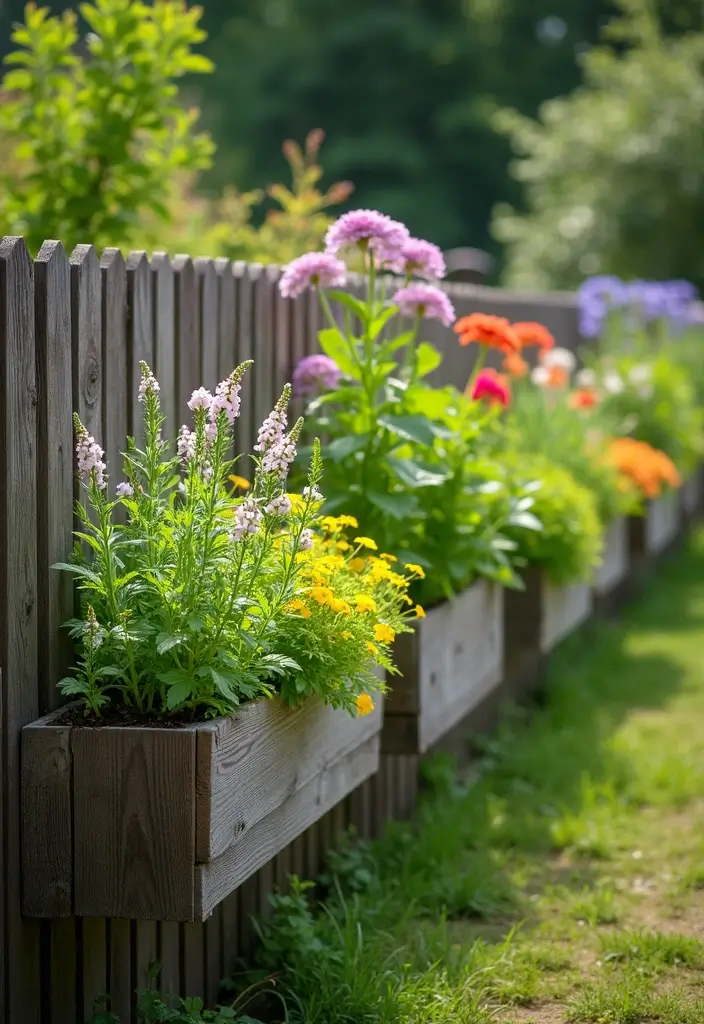
Turn your garden fence into a stunning vertical garden with fence planters! This creative solution is ideal for those who want to grow plants but have limited ground space. Imagine colorful blooms or lush herbs cascading down your fence, adding life and beauty to your outdoor area.
You can easily attach wooden boxes or fabric pouches to your fence. Choose bright colors that match your home or go for rustic wooden planters for a more natural look. Fill them with a variety of plants—herbs like basil and mint, trailing flowers such as petunias, or even small vegetables like cherry tomatoes. Don’t forget to check how much sunlight each plant needs to thrive! This setup not only saves space but also transforms your fence into an eye-catching feature.
For a hassle-free watering solution, consider installing a simple drip irrigation system. This ensures each plant receives the right amount of water without the mess. Plus, it gives your garden that polished look, making it feel like a professional landscape.
Here’s how to get started:
Choose sturdy containers that can withstand the weather.
Opt for lightweight fabric pouches for easy installation and mobility.
Arrange plants based on their sunlight needs for optimal growth.
Incorporate a drip irrigation system to keep your plants well-watered.
Creating fence planters is not just about growing plants; it’s about enhancing your outdoor space. This approach makes your garden feel more inviting and alive, perfect for enjoying those sunny afternoons or hosting friends. So why wait? Start your vertical garden today!
8. Herb Spiral Garden
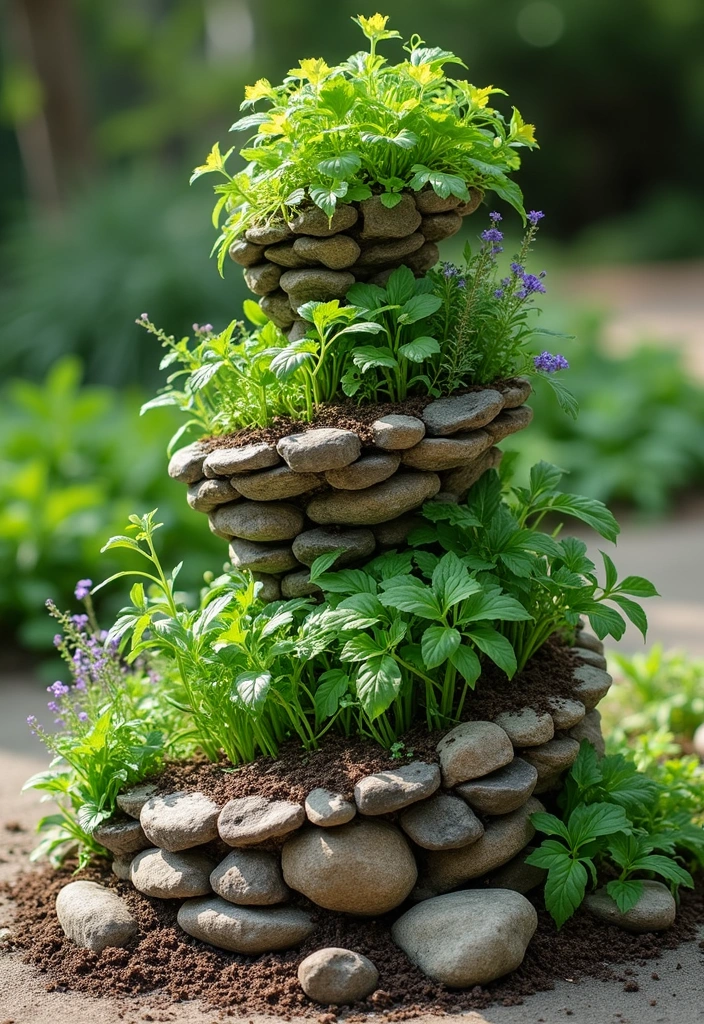
Designing a herb spiral garden can transform your outdoor space into a vibrant and functional oasis. This unique spiral shape creates different microclimates, which means you can grow a variety of herbs in one compact area. Imagine sun-loving rosemary soaking up the rays at the top while moisture-loving mint thrives below. Such designs are trending on platforms like Pinterest, where gardeners showcase their creative setups that are as stunning as they are useful.
To get started, gather stones or bricks to form your spiral. Fill it with soil rich in nutrients. Consider using recycled materials to keep costs down. This garden isn’t just practical; it also serves as a beautiful focal point in your yard. Once planted, you can enjoy the fresh scents and flavors of your herbs right at home, perfect for enhancing your cooking or making herbal teas.
• Build the spiral with natural stones or bricks for a rustic look
• Fill with quality soil to support healthy growth
• Choose herbs like basil, thyme, and parsley for variety
• Position it where you can easily access your herbs for cooking
Creating a herb spiral garden not only adds beauty but also helps you maximize your gardening space. Plus, it’s a fun project that offers a rewarding experience as you watch your herbs flourish. Get ready to enjoy the benefits of fresh herbs right from your backyard!
9. Stacked Crates
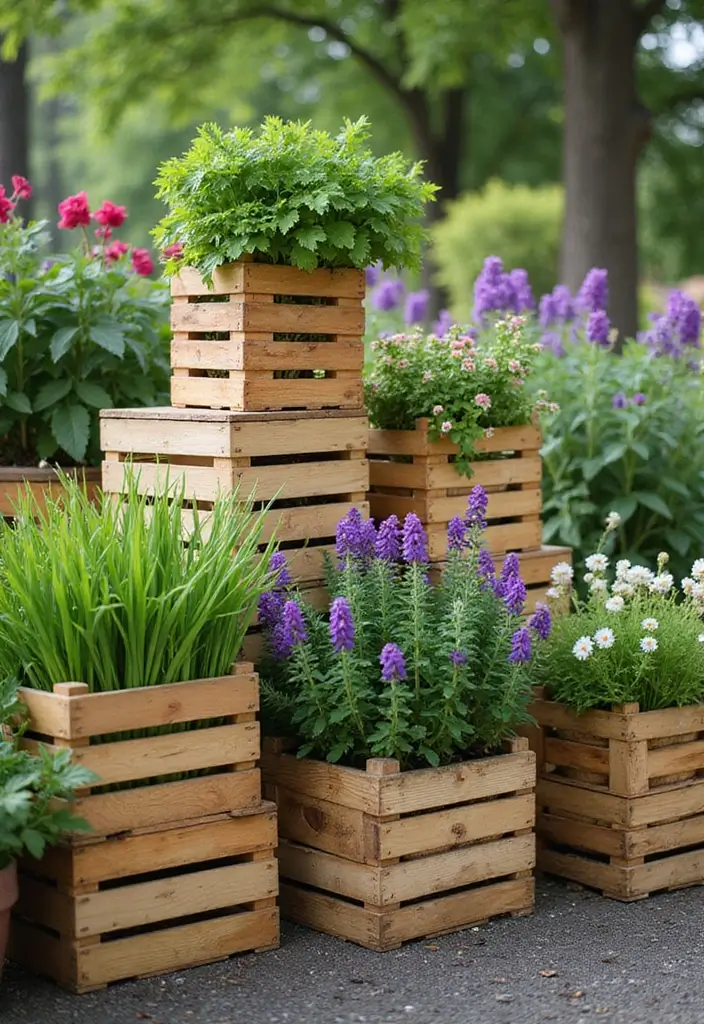
Create a charming raised garden bed using stacked wooden crates. This fun and creative idea lets you build a garden that stands out. You can find crates in various colors and styles at local thrift stores or online marketplaces. Try painting them in bright hues or leaving them natural for a rustic look. Pinterest is full of these eye-catching designs, and they inspire many gardeners to get creative.
Building your crate garden is simple. Start by stacking your crates in a way that suits your space. Fill each one with potting soil, and then choose your plants. You can mix herbs, flowers, or even small vegetables for a layered effect. The slats in the crates allow for excellent drainage and airflow, making it easier for your plants to thrive. If you want them to last longer, treat the wood with a sealant or add a liner. This project is not only budget-friendly but also offers flexibility. You can easily move the crates around to fit your garden’s changing needs, making it a perfect option for renters or those who love to rearrange their outdoor spaces.
• Stack crates in creative formations for a unique design
• Choose bright colors or natural finishes for style
• Fill with soil and mix different plants for variety
• Treat or line the crates for longevity and protection
This approach gives your garden a playful touch while allowing you to experiment with plants. Enjoy the process, and watch your garden grow in style!
10. Wine Barrel Gardens
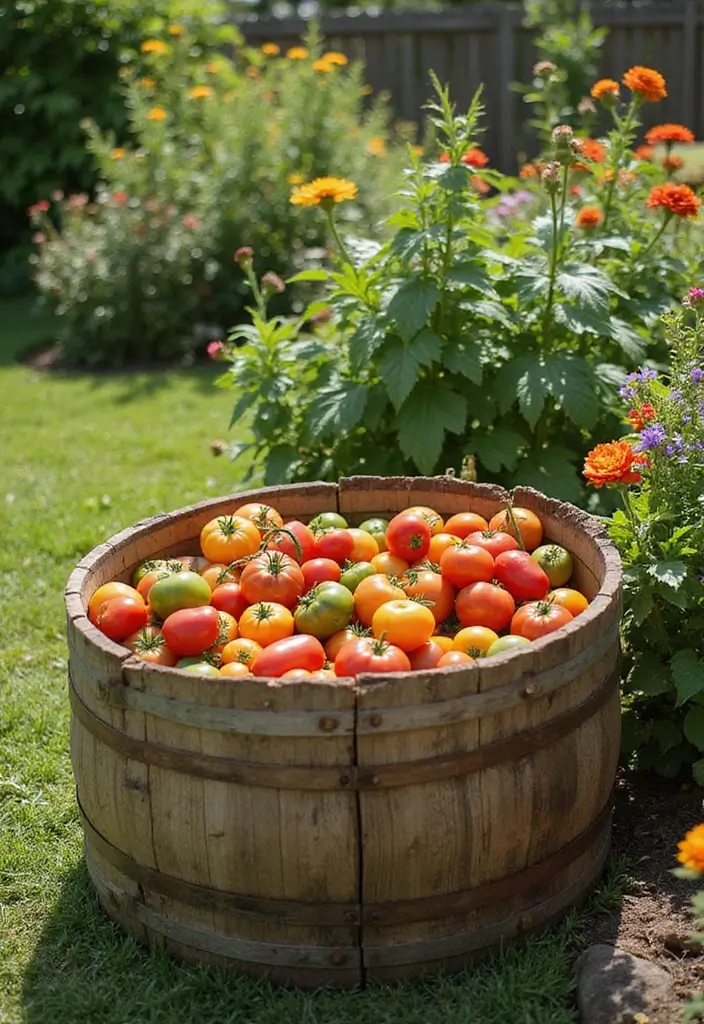
Transforming wine barrels into raised garden beds adds a rustic touch to your outdoor space. Picture this: a weathered barrel, rich in character, filled with lush soil and vibrant plants. Whether you decide to cut the barrel in half or use it whole, you create a charming setting perfect for growing deep-rooted veggies like juicy tomatoes and spicy peppers. This trend is a favorite on Pinterest, where gardeners showcase their creative takes on these unique beds.
To set up your wine barrel garden, start by ensuring proper drainage. Drill a few holes in the bottom if it’s a whole barrel. Fill it with nutrient-rich soil and mix in some compost for extra goodness. You can place these barrels on a simple wooden platform to elevate their appeal. If you’re feeling adventurous, try planting colorful flowers alongside your vegetables for a stunning display. This simple setup not only looks great but also helps with moisture retention, keeping your plants healthy and happy.
• Cut wine barrels in half for easy access
• Fill with quality soil and compost for nutrients
• Place on a platform for added height and style
• Mix vegetables with flowers for a colorful garden
This rustic approach not only enhances your garden’s aesthetic but also provides a practical solution for small spaces. You’ll love how it brings life to your yard and gives your plants the room they need to thrive. Enjoy the beauty and bounty of your wine barrel gardens!
11. Herringbone Pattern Beds
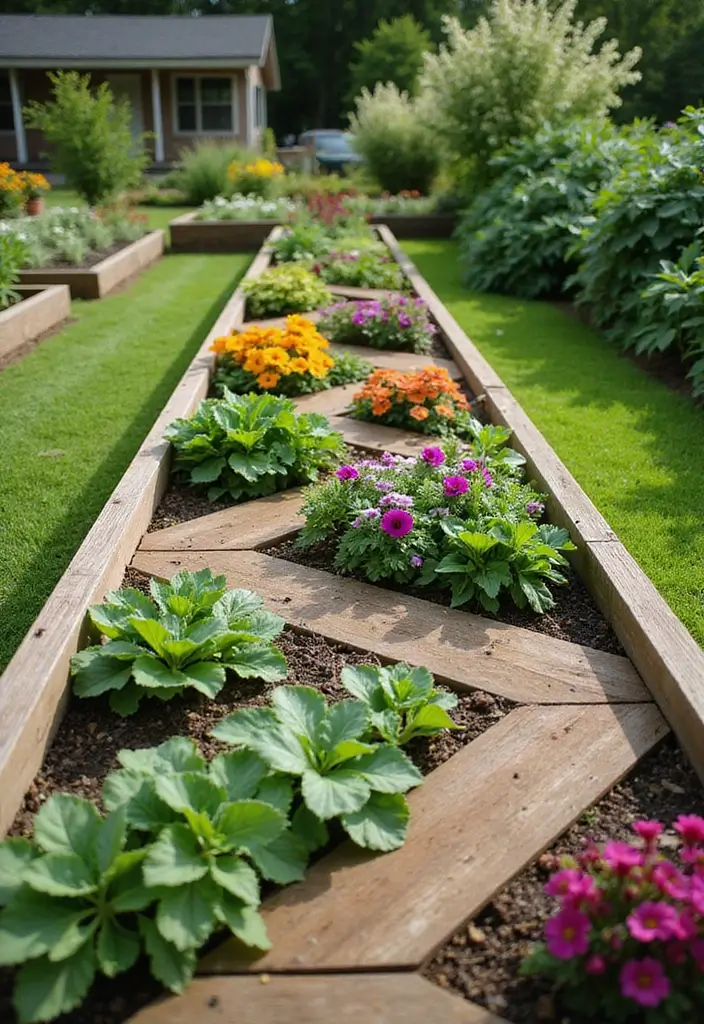
Transform your garden with herringbone-patterned raised beds. This design adds a unique touch, making your outdoor space stand out. Imagine rows of wooden boards angled beautifully, creating a stunning visual effect. You can choose natural wood tones or paint them in vibrant colors to match your garden’s style. Pinterest is buzzing with this trend, showing how it enhances the beauty of any backyard.
To build your herringbone beds, start by sketching a plan. Measure your space and decide on the size of each section. Use affordable wooden boards from local hardware stores to keep costs low. Fill each angled row with high-quality soil for healthy plants. This design promotes excellent drainage, helping your plants thrive. Plus, it’s a wonderful way to display a mix of flowers and vegetables, creating a lively and colorful garden.
• Choose a variety of plants for visual interest
• Place wooden boards at angles for a herringbone effect
• Use quality soil for better drainage and growth
• Paint or stain wood to match your garden theme
With these tips, your herringbone raised beds will not only look stunning but also provide a healthy environment for your plants. Get ready to enjoy a backyard that’s both functional and beautiful!
12. Hanging Planters
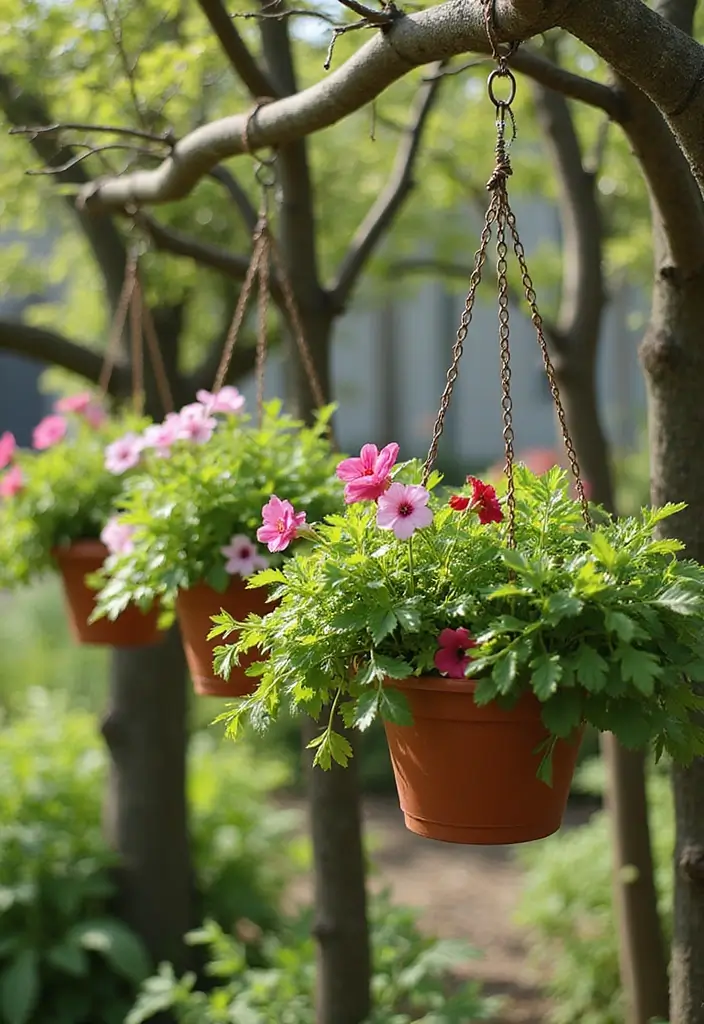
Hanging planters can bring a charming touch to your garden. Imagine vibrant flowers cascading down from hooks or trees, creating a stunning display. You can use materials like wood, metal, or even colorful fabric to craft your planters. Pinterest is buzzing with ideas for these delightful accents, and they can transform any dull corner into a lively space.
To set up your hanging planters, choose sunny spots where your plants will thrive. Fill them with cheerful herbs like basil or colorful flowers like petunias. Make sure you pick a well-draining potting mix to keep your plants healthy. A drip tray can also help catch excess water, so your space stays clean. Plus, these planters are easy to move, allowing you to change your garden’s look with the seasons.
You don’t need to spend a fortune on hanging planters. You can easily create your own using recycled materials or budget-friendly options from local stores. This approach not only saves money but also lets you express your creativity. Hanging planters make your garden feel more spacious and inviting, perfect for enjoying those sunny days outside.
• Choose bright colors to create an eye-catching display
• Hang from trees or hooks for easy access and visibility
• Use recycled materials to save money and be eco-friendly
• Fill with herbs or flowers to add life and fragrance to your space
13. Block and Frame Beds
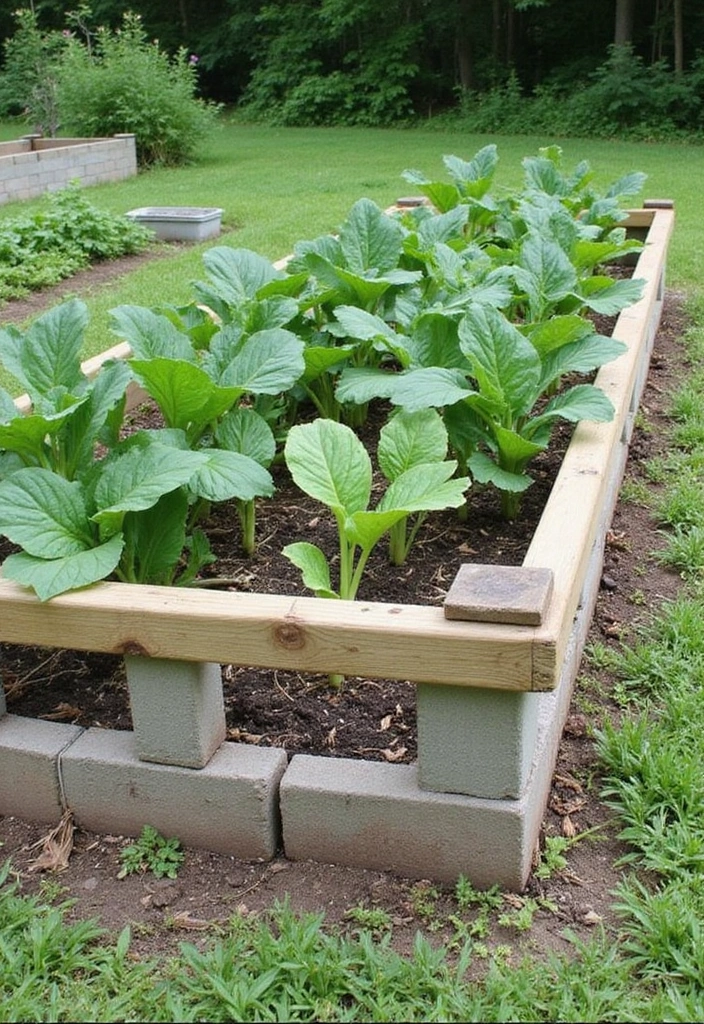
Create a stunning raised garden bed with a combination of cinder blocks and wooden frames. This design not only offers a solid structure but also gives you room to personalize it. You can play with different shapes and sizes to fit your garden style. Think about using natural wood finishes or vibrant paint colors to match your outdoor aesthetic. Pinterest is buzzing with ideas on this trendy garden style, showing how it can add charm and uniqueness to your backyard.
To get started, stack cinder blocks in a square or rectangular shape according to your space. After building the base, construct a wooden frame to sit on top. Fill the frame with rich soil, ready for planting. This setup is budget-friendly and can be completed in a weekend. Plus, it’s excellent for growing deep-rooted veggies like carrots or potatoes. Imagine the joy of harvesting your homegrown produce right from your backyard!
• Stack cinder blocks to create a solid base for your garden bed.
• Build a wooden frame on top for a finished look.
• Fill with nutrient-rich soil for healthy plant growth.
• Add a trellis for climbing plants like beans or peas.
This raised bed not only makes gardening accessible but also adds a rustic touch to your outdoor space. You’ll love how it invites you to spend time outside, nurturing your plants and enjoying nature. It’s a simple way to enhance your garden and make it truly yours!
14. Greenhouse Raised Beds
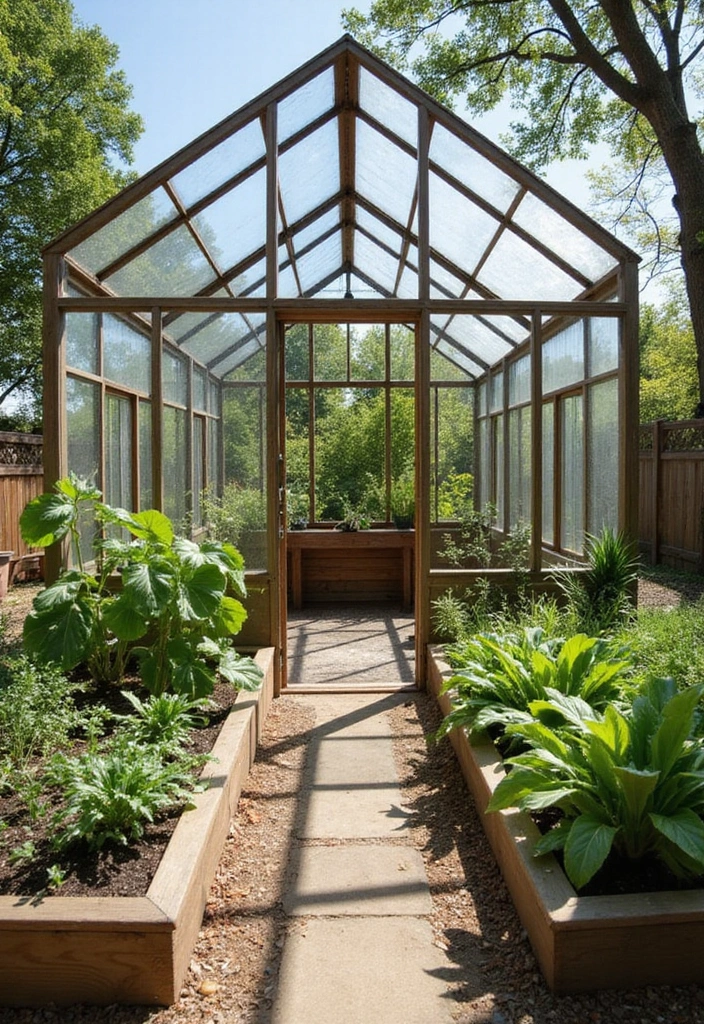
Imagine stepping into your very own greenhouse filled with thriving plants. With a greenhouse raised bed setup, you can enjoy gardening all year long. This project gives you control over the environment, protecting your plants from harsh weather while allowing you to grow a variety of vegetables and flowers. Picture vibrant tomatoes in winter or lush herbs ready for your summer recipes. Pinterest is buzzing with these ideas, making them all the more inspiring!
To build your greenhouse raised beds, start with a simple frame. Use lightweight materials, like PVC or wood, to create a structure that fits your space. Inside, add raised beds for easy access and optimal drainage. It’s essential to incorporate ventilation to keep the greenhouse from overheating in the warmer months. This setup not only helps you grow healthy plants but also creates a serene space for you to unwind. Your garden will feel like an oasis, perfect for relaxing while surrounded by nature.
• Build a sturdy frame with PVC or wood
• Choose a clear cover for maximum sunlight
• Add ventilation to regulate temperature
• Fill raised beds with rich soil and compost
With a little effort, you can create a thriving greenhouse that enhances your gardening experience. Enjoy fresh produce and beautiful blooms, no matter the season. Your greenhouse raised beds will turn your gardening dreams into a reality!
15. Felt Planters
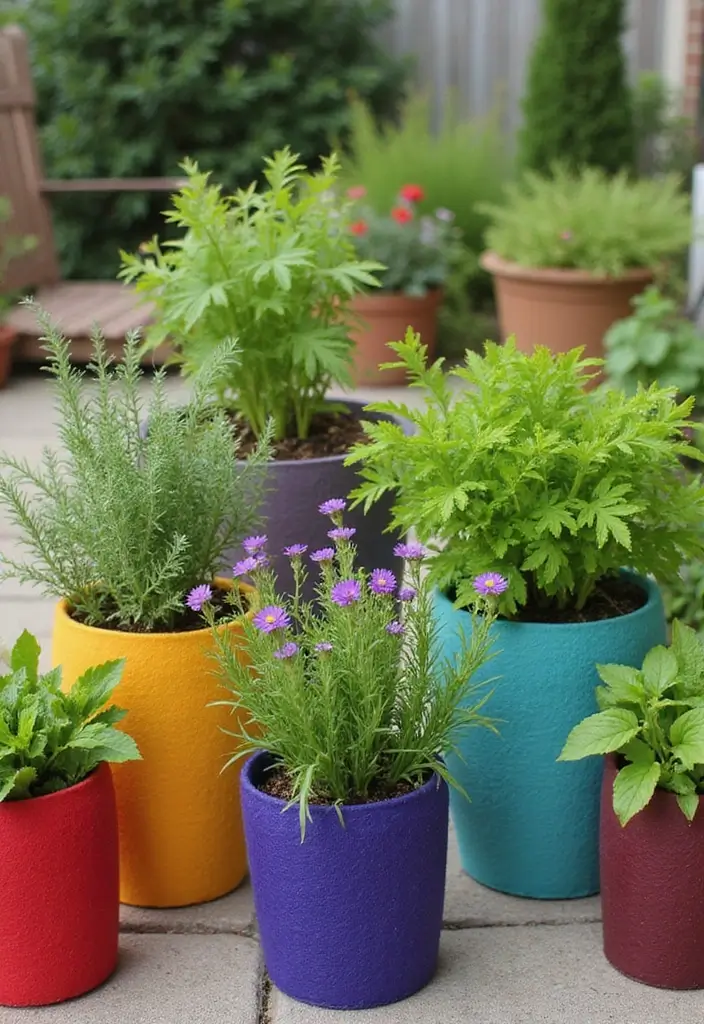
Felt planters are a delightful way to bring your gardening dreams to life! These lightweight fabric pots are perfect for small spaces like balconies or patios. Available in a rainbow of colors, felt planters can add a stylish touch to your outdoor area. Imagine vibrant purple or earthy green pots filled with fresh herbs or colorful flowers, creating a charming visual in your garden.
You can find felt planters on home improvement sites or local garden shops. They breathe well, allowing air to circulate around the roots and helping your plants thrive. Plus, they drain excess water effectively, reducing the risk of overwatering. Pinterest is buzzing with creative ideas on using felt planters, so you’ll never run out of inspiration!
To set up your felt planters, simply fill them with quality potting soil. Choose your favorite herbs, like basil or mint, or colorful flowers, such as petunias. Moving them around is a breeze, so you can change their location based on the season or your mood. They are usually budget-friendly, making them a great option for new gardeners. You’ll enjoy a lush garden that feels alive and welcoming.
• Choose vibrant colors to brighten your space
• Use quality potting soil for better growth
• Place them in sunny spots for optimal plant health
• Move them easily to change your garden’s look
Felt planters not only look great but also make your gardening experience enjoyable and accessible. With their versatility and charm, you can create a thriving garden no matter how much space you have.
16. Stone Raised Beds
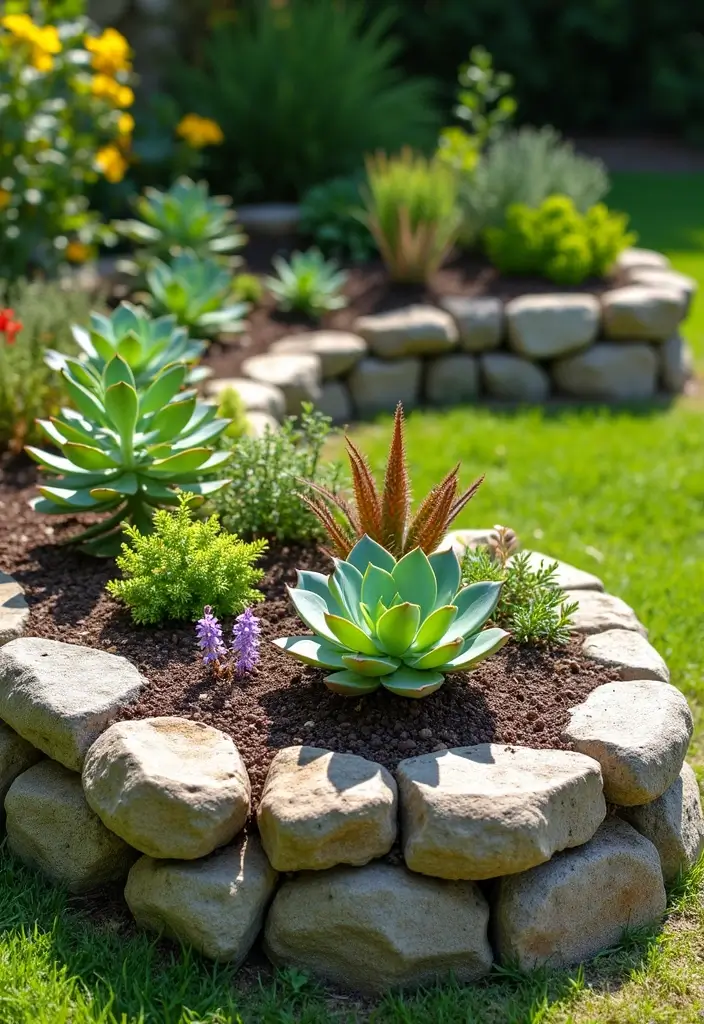
Transform your garden with stunning stone raised beds. These beds not only provide a rustic charm but also enhance the natural beauty of your outdoor space. Imagine sturdy walls made from large stones or bricks, creating a warm, inviting area for your plants. You might choose earth-toned stones that blend perfectly with your surroundings, or opt for a mix of textures for added visual interest. Pinterest is buzzing with these designs, highlighting how they can elevate your garden’s style.
Building stone raised beds is easier than you might think. Start by selecting stones that suit your aesthetic. You can often find reclaimed bricks or stones at local yards for a budget-friendly option. Ensure the walls are sturdy and level before filling them with high-quality soil. This method not only looks great but also keeps your plants warm during cooler nights, promoting healthy growth. You’ll create a serene oasis that’s low-maintenance and perfect for enjoying your outdoor space.
• Use large stones or reclaimed bricks for durability
• Fill beds with quality soil for optimal growth
• Choose low-maintenance plants like succulents
• Arrange beds to blend with your existing landscape
With stone raised beds, you can enjoy a garden that’s both beautiful and functional. They invite you to create a tranquil space where your plants can thrive, all while adding character to your yard. So, gather your materials and start building your dream garden today!
17. Wooden Ladder Gardens
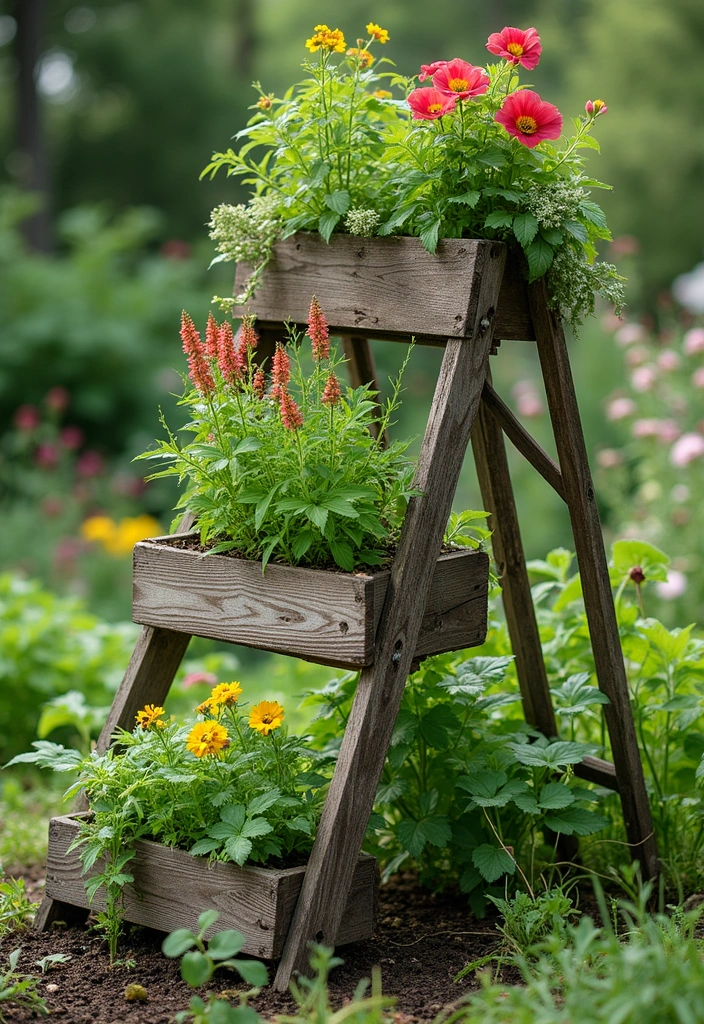
Transform an old wooden ladder into a captivating raised garden bed. This trendy idea not only recycles materials but also adds character to your outdoor space. Lean the ladder against a wall or fence, and fill the rungs with rich, nourishing soil. Consider painting it a bright color for a pop of fun or leave it in its rustic wooden state for that charming farmhouse vibe. Pinterest is buzzing with these ladder gardens, perfect for showcasing your creativity.
To set up your wooden ladder garden, find a sturdy ladder that won’t wobble. Fill each rung with soil, making sure it’s deep enough for plants to thrive. Choose trailing plants like sweet peas or flowering vines, which love to climb. Remember to check the soil moisture regularly, as it can dry out faster in this open setup. This design not only maximizes your space but also creates a whimsical focal point in your garden, making it a lovely spot for relaxation and conversation.
• Choose a sturdy wooden ladder for support
• Fill rungs with quality soil for healthy plants
• Select trailing plants for a lush look
• Paint for a bold statement or keep it rustic
This creative approach to gardening is both budget-friendly and visually appealing, making your garden feel more inviting and unique. You’ll enjoy the charm it brings while having a fun project to work on!
18. Collapsible Raised Beds
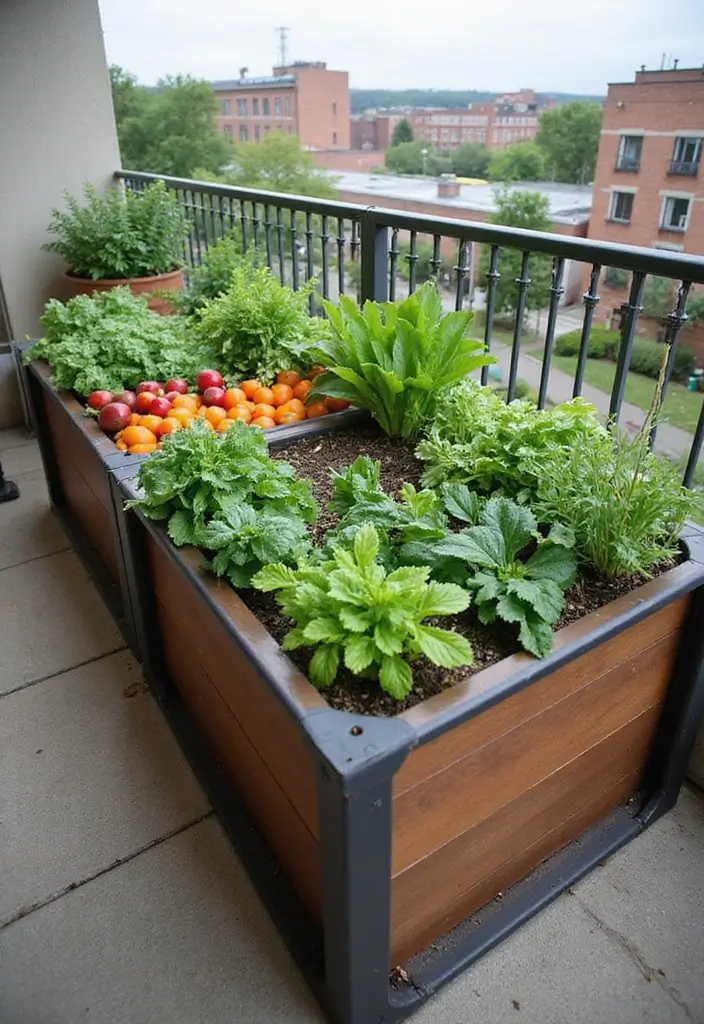
Collapsible raised beds are a fantastic solution for anyone who loves gardening but needs flexibility. If you move often or have limited storage space, these portable beds will make your gardening dreams come true. Made from lightweight materials, they set up quickly and come down just as easily. You can fill them with rich soil and plant your favorite veggies or flowers in no time. Pinterest is buzzing about these creative and practical designs, perfect for renters and those living in tight spaces.
Imagine placing a collapsible bed on your balcony, transforming it into a lush garden oasis. You can even switch out seasonal plants, keeping your space fresh and vibrant. These beds are not just practical; they also bring life to otherwise dull outdoor areas, making them feel welcoming and enjoyable.
To implement collapsible raised beds in your gardening routine, follow these simple tips. Look for options made of durable yet lightweight materials like fabric or treated wood. This will keep your costs down while ensuring longevity. You can often find budget-friendly kits at garden centers or online. Plus, these beds align beautifully with trends in urban gardening, allowing you to create a green space anywhere.
• Choose lightweight materials for easy setup and takedown
• Use collapsible beds for seasonal planting and versatility
• Place on balconies or patios to maximize space
• Add colorful plants to brighten your outdoor area
With collapsible raised beds, you can enjoy the fun of gardening without the hassle of permanent structures. They make it easy to create a beautiful garden space that fits your lifestyle perfectly, even in small areas.
19. Corner Beds
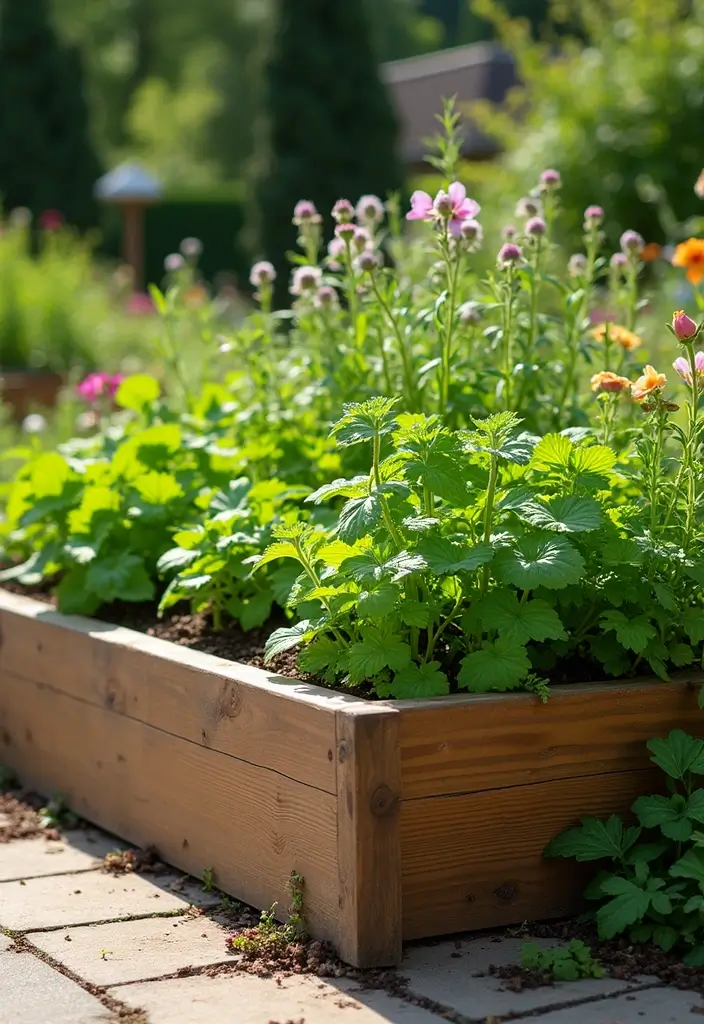
Transform your garden by making use of those often-neglected corners with corner raised beds. These beds fit perfectly into tight spaces, turning them into vibrant spots for herbs or colorful flowers. Imagine a cozy corner bursting with life, where you can snip fresh basil for your pasta or enjoy the sight of blooming daisies. Pinterest users are loving this trend, showcasing delightful corner beds that add charm to any garden.
To get started, choose materials that match your style—wood or stones work beautifully. You can find affordable wood at your local hardware store, or even repurpose old pallets. Think about how much sunlight the corner gets; some corners can be shadier, so pick plants that thrive in lower light. Adding a trellis lets you grow climbing plants, giving your garden height and interest. This setup can make your garden feel inviting and lush, perfect for relaxing after a long day.
• Use wood or stones to build your corner bed
• Choose plants based on sunlight exposure
• Add a trellis for climbing plants
• Select herbs or flowers to enhance visual appeal
With corner raised beds, you’re not just saving space—you’re creating a unique garden feature that feels like a secret oasis. Your garden will become a personal retreat, showcasing your creativity and love for nature.
20. Small Space Container Gardens
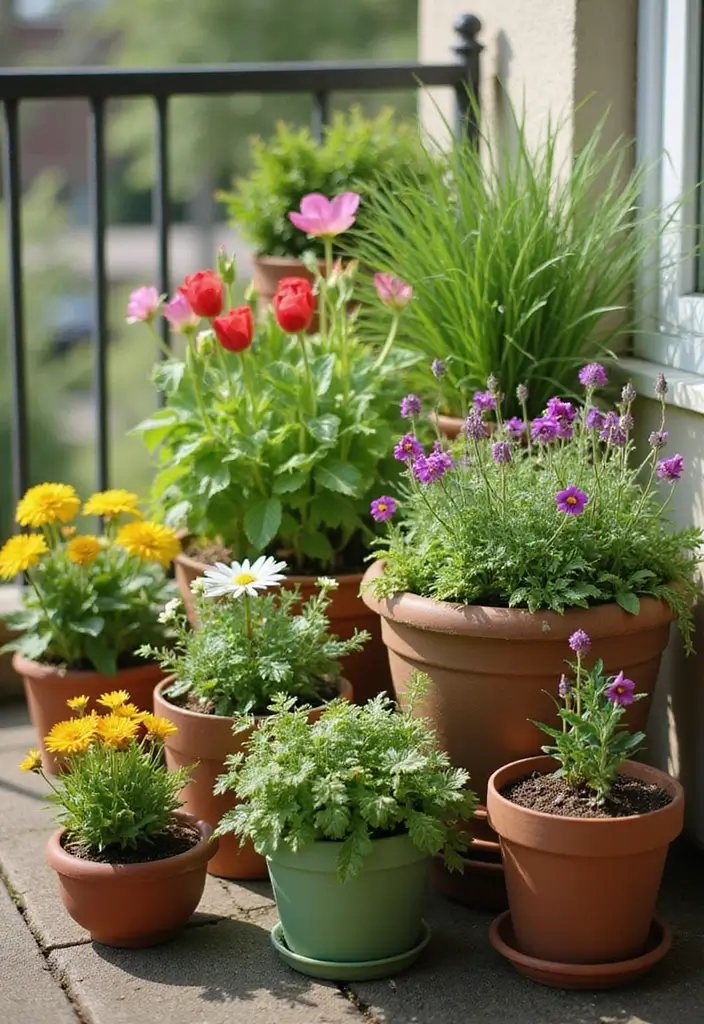
When you’re tight on space, small container gardens can be your gardening lifesaver. Imagine transforming your balcony or patio into a lush mini-garden using pots and containers of all shapes and sizes. This approach allows you to grow everything from vibrant flowers to fresh herbs and vegetables, all while staying stylish and compact. Pinterest users are raving about colorful ceramic pots and rustic wooden containers, perfect for adding a pop of personality to your outdoor space.
To get started, pick containers that have good drainage to keep your plants healthy. Fill them with high-quality potting mix to ensure they thrive. You can mix and match pots of different heights and colors, which creates a visually appealing garden display. Plus, if you ever want to change things up, it’s easy to rearrange your setup. This method is ideal for beginners who want to enjoy gardening without the commitment of larger raised beds.
• Choose pots with drainage holes for healthy plants
• Use quality potting mix for the best growth
• Mix different heights and colors for visual interest
• Place pots in sunny spots for maximum light exposure
Starting a small container garden is not only fun, but it’s also a fantastic way to bring nature into your home. You’ll find joy in watching your plants grow, making your space feel more inviting and alive. With just a few simple steps, you can create a charming garden that reflects your personality and style. Happy gardening!
21. DIY Grow Towers
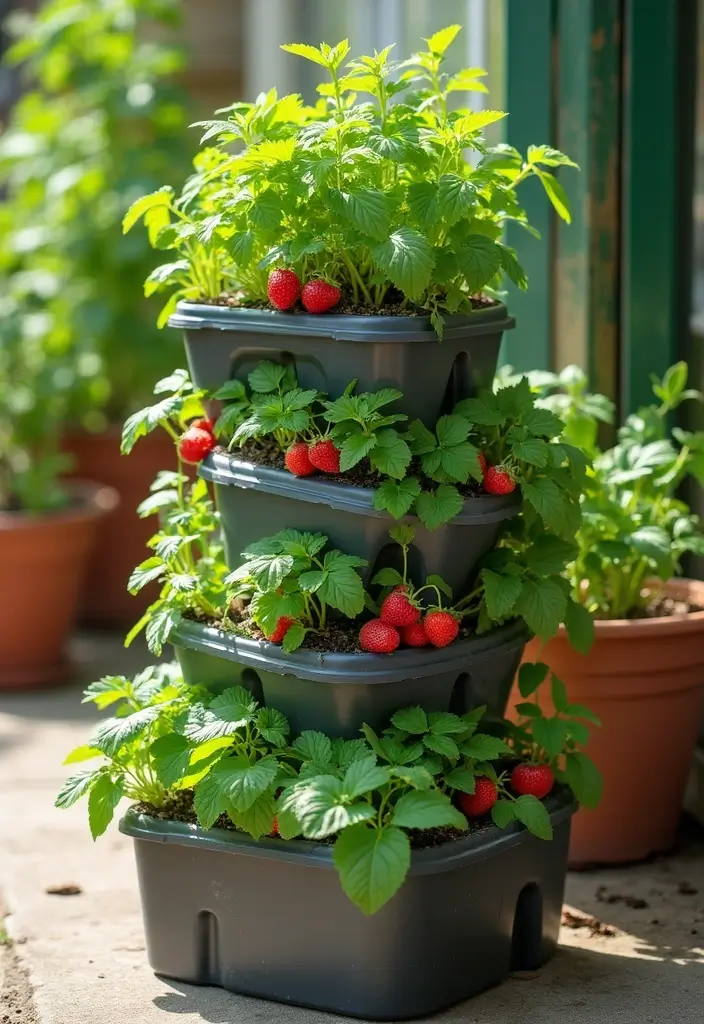
Create your own DIY grow tower for a fun and efficient way to garden vertically. You can easily stack plastic bottles or other containers to form a tower, each holding plants in its own section. Imagine vibrant herbs, juicy strawberries, or small veggies flourishing in their little homes. This setup not only saves space but also ensures that each plant gets plenty of sunlight, helping them thrive.
To get started, cut holes in the bottom of each container for drainage. This step is crucial to keep your plants healthy and happy. You can customize your tower with fun colors or designs to make it visually appealing. Vertical gardening is a hot trend on sites like Pinterest, where gardeners share their creative ideas. A grow tower fits perfectly into small yards or patios, making your space feel lively and productive.
For an easy and budget-friendly project, gather materials you already have at home. Look for bottles or containers that can be repurposed. This not only cuts costs but also helps reduce waste. A DIY grow tower can be an exciting project for beginners, allowing you to experiment with different plants. Whether you want an herb garden on your balcony or colorful flowers in your yard, this project brings joy to your gardening experience.
• Use recycled bottles or containers for sustainability
• Choose a sunny spot for optimal growth
• Pick small plants like herbs or strawberries for best results
• Add decorative touches to personalize your tower
22. Drip Irrigation Raised Beds
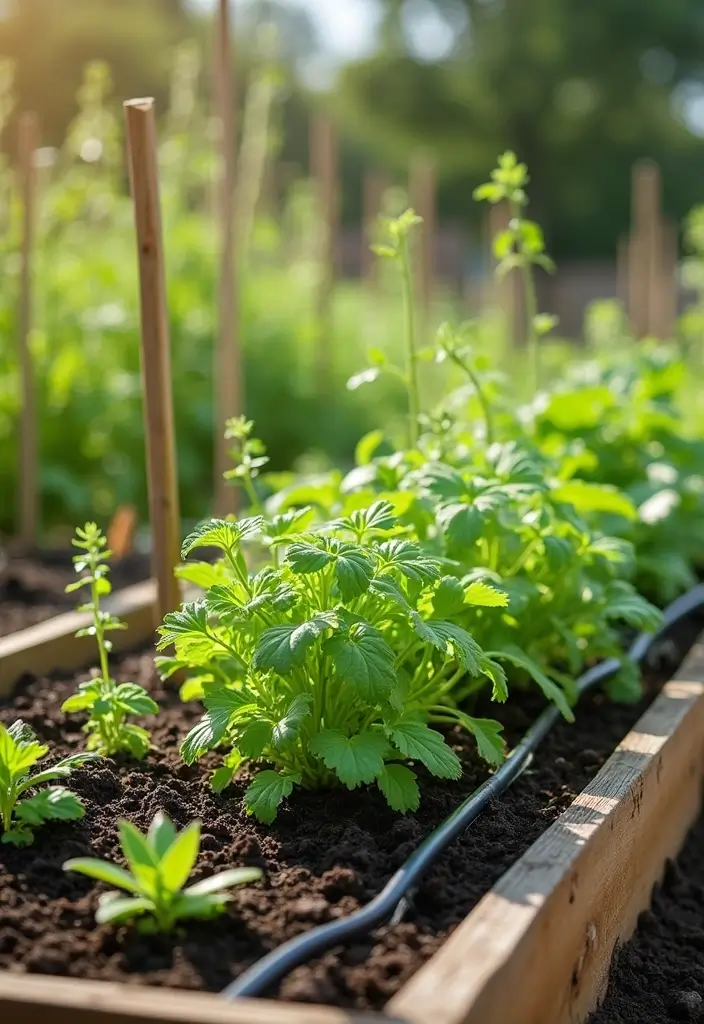
Watering your raised garden beds can be a breeze with a drip irrigation system. This method delivers water directly to your plants’ roots, helping them grow strong and healthy. Imagine your plants soaking up just the right amount of moisture without the worry of overwatering or wasting water through evaporation. This technique shines, especially in hot climates where every drop counts.
Setting up a drip irrigation system is more straightforward than you might think. You can find affordable kits at garden centers or online. These kits usually come with everything you need: tubing, emitters, and connectors. Just lay the tubing along your plants, and you’re ready to go! Pair this with a layer of mulch to keep the soil moist even longer. You’ll spend less time watering and more time enjoying your thriving garden.
Here are some tips to get the most out of your drip irrigation setup:
Choose a quality drip kit that suits your garden size.
Install it near your water source for easy access.
Add mulch to retain soil moisture and reduce weeds.
Monitor your plants regularly to adjust watering as needed.
With drip irrigation, your raised beds can flourish with minimal effort. This method not only saves time but also ensures your garden stays vibrant and productive all season long. Enjoy watching your plants thrive with this smart watering solution!
23. Container Rain Gardens
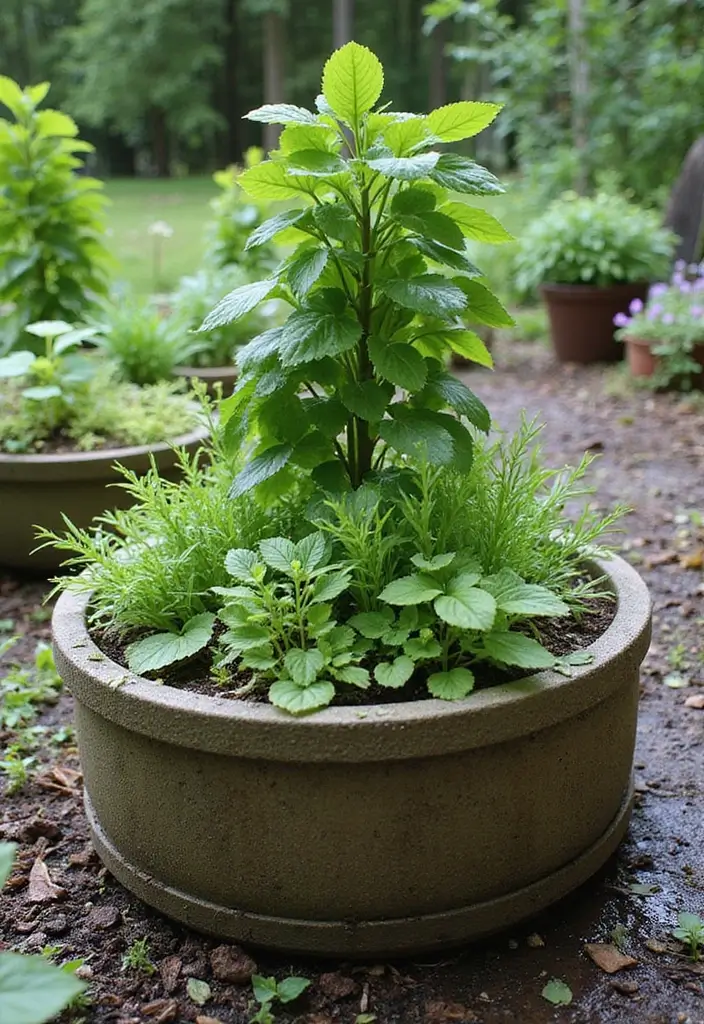
Create a stunning raised container rain garden that not only brightens your outdoor space but also helps you save water. Imagine placing colorful containers filled with lush ferns or delicate sedges around your yard. These plants thrive in moisture and create a beautiful display. You can find inspiration for these gardens on platforms like Pinterest, where they showcase vibrant arrangements that catch the eye and uplift the spirit.
To set up your rain garden, choose containers with drainage holes. This feature allows excess rainwater to flow through, keeping your plants healthy. Position your containers in spots that naturally gather rainwater, like near a downspout. Don’t worry about breaking the bank; you can often find affordable containers at garden centers or even thrift stores. A rain garden not only beautifies your space but also plays a part in managing stormwater runoff, making your garden eco-friendly and responsible.
• Choose containers with drainage holes for healthy plants.
• Pick moisture-loving plants like ferns or sedges.
• Add colorful stones or mulch for extra flair.
• Place containers in areas that collect rainwater effectively.
This setup creates a peaceful oasis that not only nurtures biodiversity but also promotes a sense of tranquility in your garden. It’s perfect for anyone looking to combine beauty with environmental consciousness. Enjoy watching your plants flourish while knowing you’re doing your part for the planet.
24. Shade Structure Planters
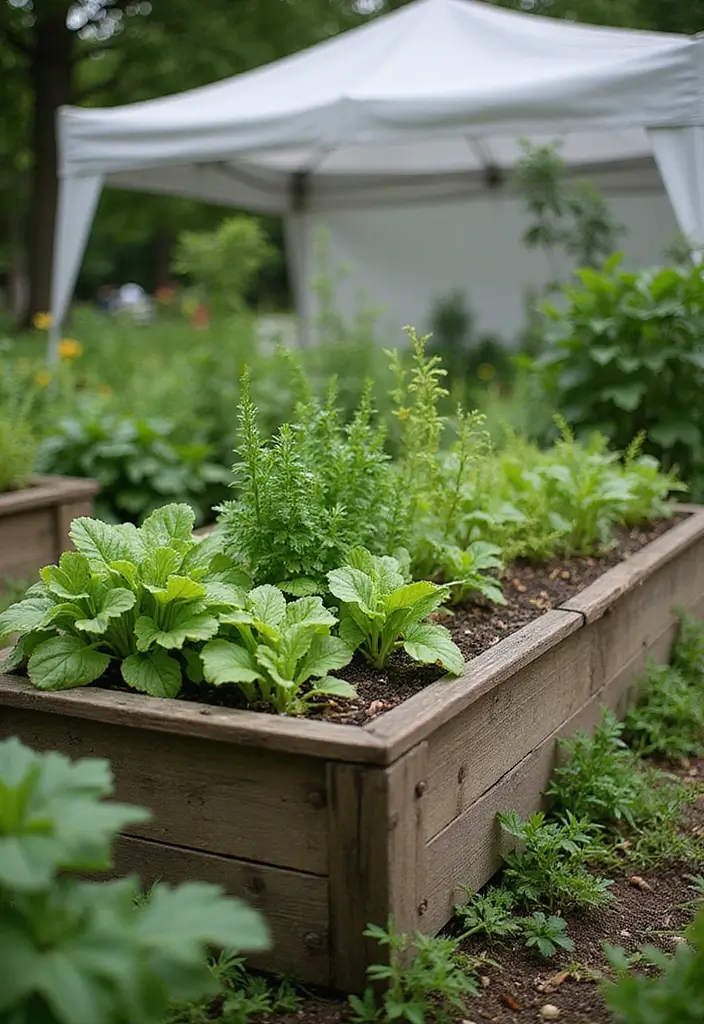
Imagine creating a cozy oasis in your backyard with raised garden beds sheltered by shade structures. This setup is perfect for plants that thrive in cooler conditions. Picture wooden or metal frames draped with lightweight fabric or lattice, casting a gentle shadow on your greens. This trend is popular on platforms like Pinterest, where gardeners share their successful summer harvests of leafy greens and herbs. It’s not just stylish; it’s practical, too.
To get started, build simple raised beds beneath your shade structure. Use affordable materials like reclaimed wood or galvanized metal. Ensure the area allows for good air flow and water drainage. Shaded spots can hold moisture longer, so be mindful of overwatering. This design allows you to grow cool-season crops year-round, making your garden productive and vibrant no matter the season.
• Create a wooden or metal frame for stability
• Choose lightweight fabric for easy assembly
• Position beds for optimal air circulation
• Select heat-sensitive plants for best results
With this approach, your garden not only flourishes but also becomes a beautiful retreat from the heat. You’ll enjoy a lush green space that feels inviting and refreshing, perfect for relaxing or hosting friends.
25. DIY Seedling Stations
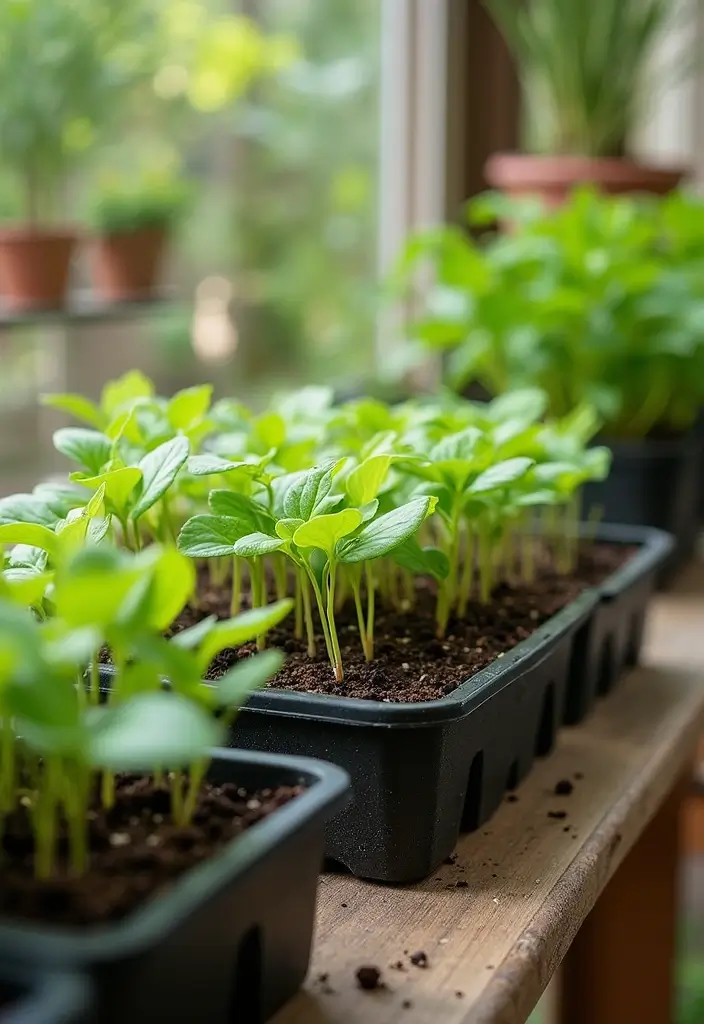
Creating a DIY seedling station can be a game-changer for your gardening journey. These stations provide a nurturing space to grow your plants before moving them to the larger raised beds. Imagine old shelves or tables transformed into a vibrant workspace filled with trays of soil and tiny green sprouts. This setup is not just functional; it’s also a visual delight, adding charm to your garden area. Pinterest is buzzing with ideas on how to make these stations both practical and pretty, so you can feel proud of your gardening space.
To set up your seedling station, find a sunny spot where your young plants can get plenty of light. You can use recycled materials like wooden crates or plastic containers to hold your seed trays. Fill them with potting soil and gently place your seeds inside. Remember to keep the soil moist but not soggy. This controlled environment ensures your seedlings grow strong and healthy, ready to thrive in your garden. You’ll be amazed at how easy and rewarding this process is, making it perfect for beginners looking to dive into gardening.
• Use old shelves or tables for a sturdy base
• Choose a sunny location to maximize light
• Add trays filled with potting soil for planting
• Keep the soil moist to encourage healthy growth
With a seedling station, you not only boost your garden’s production but also simplify the planting process. This setup makes gardening accessible and enjoyable, allowing you to produce more plants throughout the growing season. Plus, watching your seedlings flourish gives you a sense of accomplishment and excitement for the garden ahead!
Conclusion
With these 25 simple raised garden beds DIY ideas, you’re all set to jump into gardening! Each design offers a unique way to cultivate your plants while maximizing space.
These projects are not just practical; they can also add charm and personality to your outdoor spaces. Now it’s time to pick your favorite idea and start creating your own garden paradise! Share your journey and feel free to ask questions as you grow. Happy gardening!
Frequently Asked Questions
What materials are best for building simple raised garden beds?
When it comes to building simple raised garden beds, you’ll want to choose materials that are durable and safe for your plants. Common options include untreated wood, such as cedar or redwood, which can last for years without chemicals leaching into the soil. Metal raised beds are also popular for their longevity. Make sure to avoid treated wood to keep your garden chemical-free!
How deep should a raised garden bed be for vegetables?
For most vegetables, a depth of 12 to 18 inches is ideal for your simple raised garden beds. This allows ample space for root growth, ensuring your plants thrive. However, if you’re growing root vegetables like carrots or potatoes, you might want to go even deeper, around 24 inches, to give them plenty of room to expand!
Can I use simple raised garden beds in small spaces?
Absolutely! Simple raised garden beds are perfect for small spaces. You can opt for vertical designs or tiered beds to maximize your area. Consider using containers or smaller plots to make the most of your garden. These DIY ideas can transform even the tiniest balcony or patio into a productive vegetable garden!
What are some beginner gardening tips for raised garden beds?
As a beginner, start with simple raised garden beds by choosing easy-to-grow vegetables like tomatoes, lettuce, and radishes. Ensure your bed gets at least 6 hours of sunlight a day. Water consistently, especially during dry spells, and consider using a layer of mulch to retain moisture. Finally, keep a garden journal to track your progress and learn from your experiences!
How do I plan my raised garden bed layout?
Planning your raised garden bed layout can be fun and strategic! Start by sketching a simple raised garden bed plan. Group plants based on their water and sunlight needs. You can use the companion planting method to enhance growth, like pairing tomatoes with basil. Remember to leave pathways for easy access, and consider vertical options to save space, making your garden more efficient!