

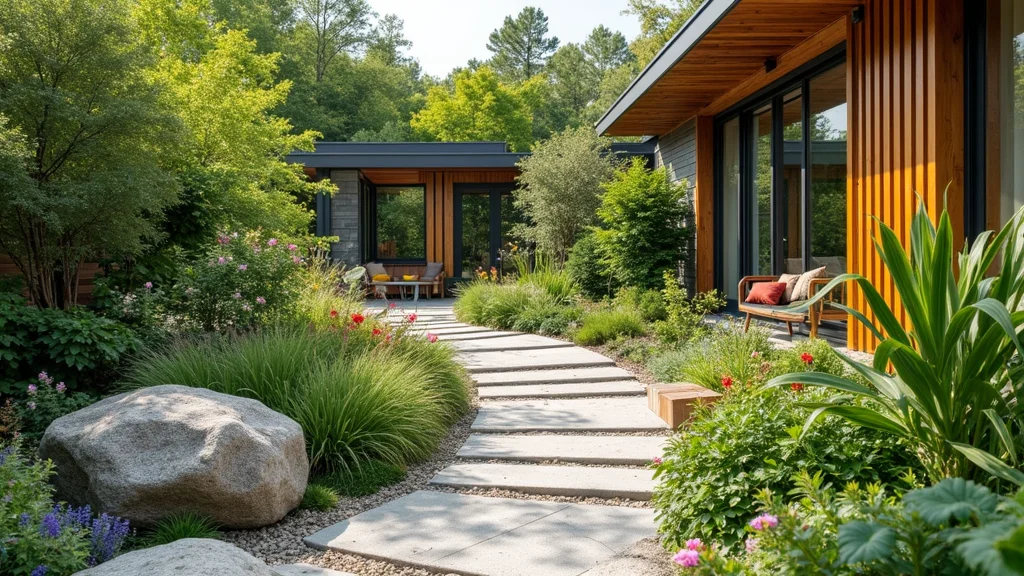
Creating a new garden in a fresh build can feel overwhelming. You want to make the most of your outdoor space while also considering sustainability. That’s why I put together this guide of modern garden ideas. It’s packed with inspiration to help you design a beautiful, eco-friendly garden that fits your lifestyle and values.
If you’re a homeowner or a gardening enthusiast looking to start fresh, this post is for you. You might be someone who cares about the planet and wants to create a sustainable outdoor space. Or perhaps you’re simply eager to make your new build feel like home. Whatever your motivation, you’ll find plenty of ideas to spark your creativity.
With this guide, you’ll discover 18 modern outdoor inspirations, from vertical gardens that save space to eco-friendly pathways that blend with nature. Each idea is carefully curated to help you select the right plants and features that not only look good but are good for the environment too. You’ll walk away with actionable tips that will make your garden both stylish and sustainable.
So, roll up your sleeves and get ready to explore exciting options that will breathe life into your garden. Let’s dive into these fresh ideas that will turn your outdoor area into a sanctuary of beauty and sustainability.
Key Takeaways
– Explore 18 modern garden ideas that emphasize sustainability and style, perfect for new builds.
– Learn how to create vertical gardens to maximize space, especially in smaller yards.
– Discover eco-friendly pathways that not only look great but also promote natural drainage.
– Find out about native plant landscaping to support local wildlife while enhancing your garden’s aesthetic.
– Get practical tips on incorporating upcycled decor and smart technology for a contemporary touch in your outdoor space.
1. Vertical Gardens for Space Efficiency

Transform your limited outdoor space with stunning vertical gardens. These living walls not only bring greenery to eye level but also create a vibrant atmosphere. You can use a mix of colorful flowering vines and aromatic herbs for a delightful display. Eco-friendly materials, such as reclaimed wood planters, are trending on platforms like Pinterest, showcasing both style and sustainability.
To implement a vertical garden, start by choosing plants suited to your climate. Ensure they have access to adequate water through a drip irrigation system. Organic soil will help your plants thrive and flourish. With a bit of creativity, your vertical garden can become the focal point of your outdoor area, making it feel inviting and lush.
• Use colorful flowering vines for visual interest.
• Choose aromatic herbs for practicality.
• Install a drip irrigation system for easy watering.
• Select reclaimed wood planters for eco-friendliness.
With these tips, your vertical garden will be a stunning addition, enhancing the charm of your outdoor space.
2. Eco-Friendly Pathways
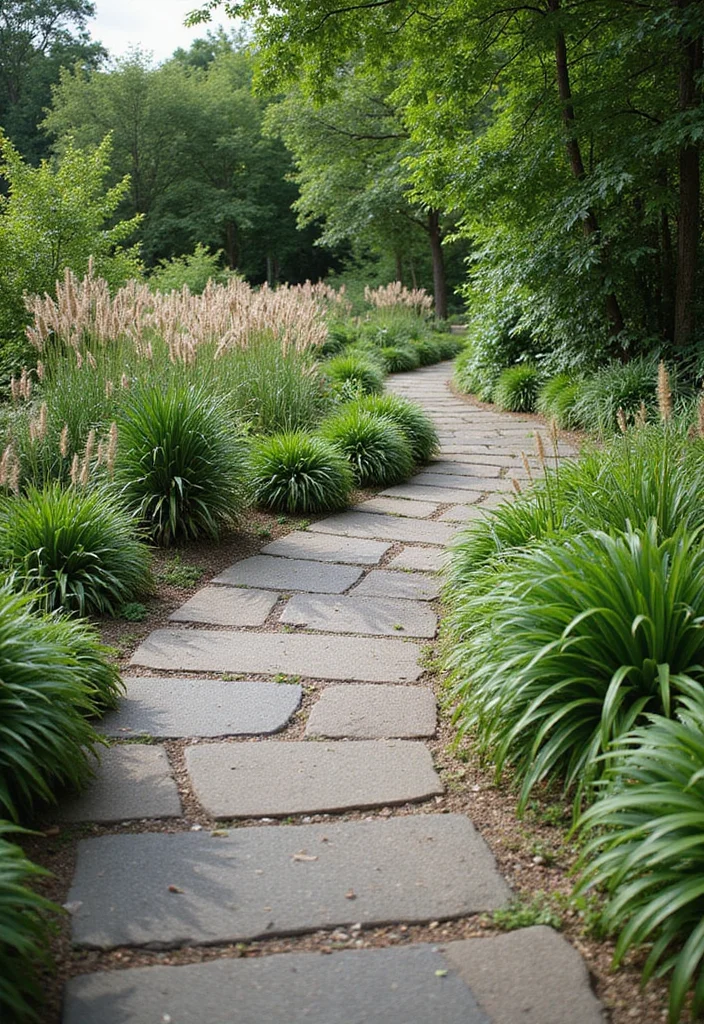
Enhance the beauty and accessibility of your garden with eco-friendly pathways. These paths can guide visitors through your outdoor sanctuary while minimizing your environmental impact. Consider using sustainable materials like gravel, wood chips, or reclaimed bricks for a natural look. Adding native plants alongside your pathways not only beautifies the area but also supports local wildlife.
When designing your pathways, ensure they are wide enough for comfortable foot traffic. Curved paths create a more organic feel compared to straight lines. Using permeable materials helps with drainage, preventing puddles after rain. A well-thought-out pathway makes your garden feel welcoming and connected.
• Choose gravel or wood chips for a natural look.
• Design curved paths for a softer aesthetic.
• Ensure pathways are wide enough for easy navigation.
• Use permeable materials for effective drainage.
Creating eco-friendly pathways will beautifully tie your garden together while promoting sustainability.
3. Sustainable Water Features
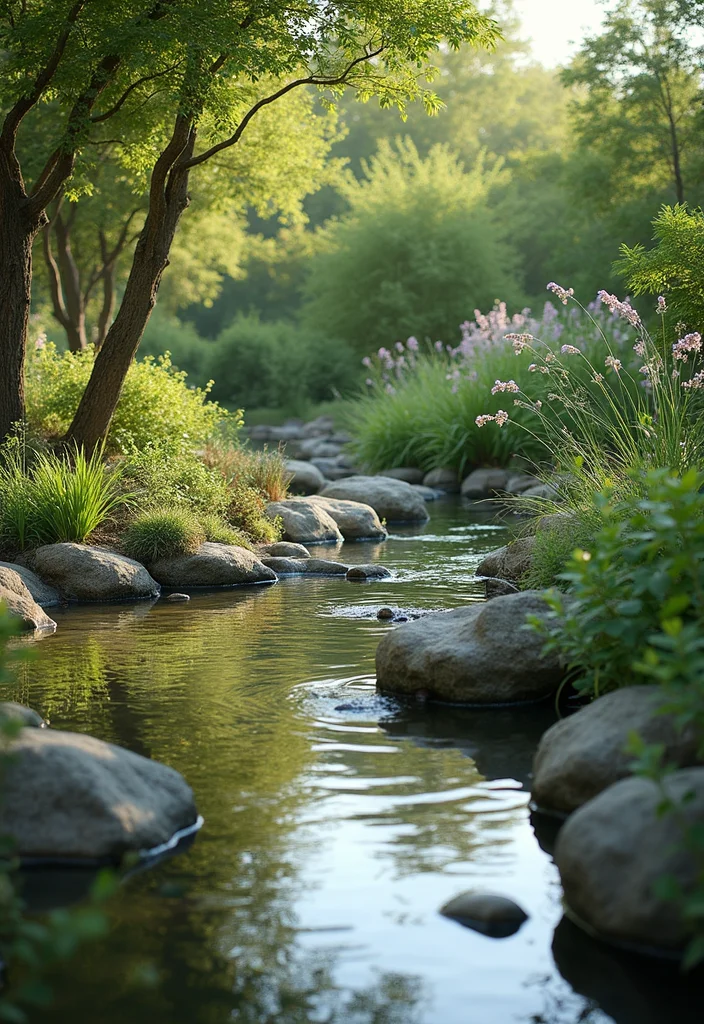
Introduce a calming element to your outdoor space with sustainable water features. Options like rain gardens or small ponds filled with native aquatic plants can create a peaceful oasis. These features not only enhance the beauty of your garden but also promote biodiversity by attracting various wildlife. Sustainable designs that capture rainwater allow you to water your plants while conserving resources.
When adding a water feature, consider using a solar-powered pump to keep energy use low. Ensure your design accommodates local wildlife, providing a habitat for birds and beneficial insects. Opt for plants that are easy to maintain, keeping your water feature hassle-free. A well-designed water feature can become the centerpiece of your garden, drawing in nature and serenity.
• Install a solar-powered pump for eco-friendly operation.
• Choose native plants for easy upkeep.
• Design the feature to support local wildlife.
• Create a rain garden for sustainability.
A sustainable water feature will attract life and tranquility, enhancing your outdoor retreat.
4. Native Plant Landscaping
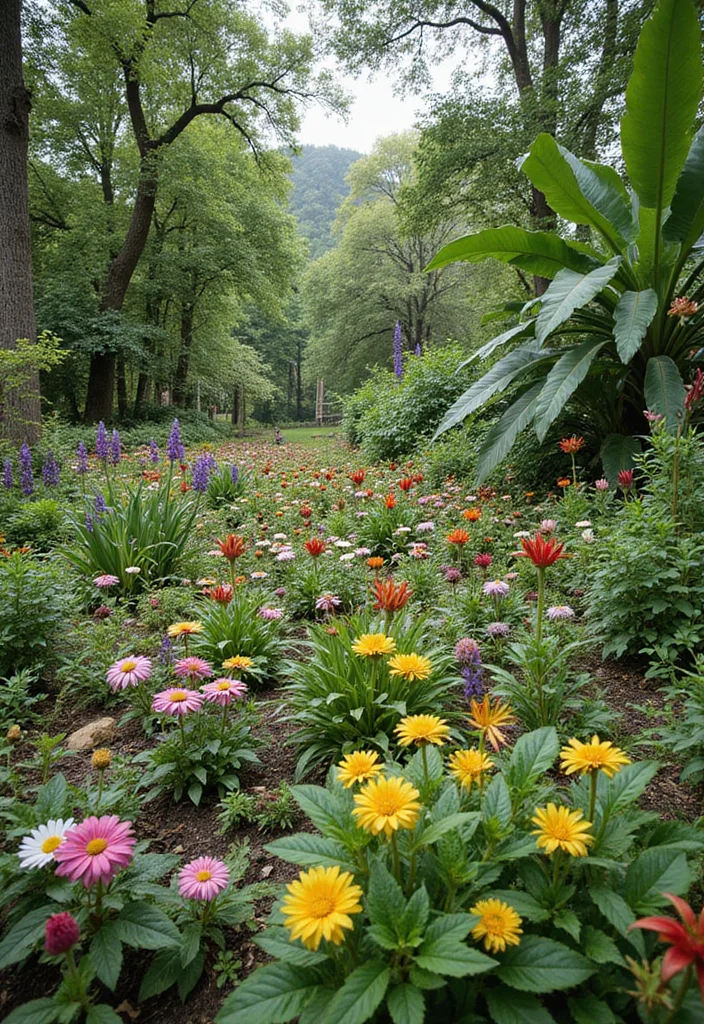
Embrace the beauty of native plants in your garden for a sustainable approach. These plants thrive in local climates, requiring less water and maintenance than non-native varieties. By incorporating native species, you can significantly reduce your garden’s environmental impact while supporting local ecosystems. This method creates a thriving habitat for pollinators and other wildlife.
To start, select native plants that attract local wildlife, such as bees and birds. These plants often need fewer fertilizers and pesticides, making them easier to care for. You’ll also save time and resources while creating a beautiful landscape that flourishes naturally. A native plant garden offers stunning visuals and a vibrant ecosystem, making your space feel alive.
• Choose native plants for low maintenance.
• Attract pollinators and birds with your selections.
• Reduce fertilizer and pesticide use.
• Save water by selecting drought-resistant varieties.
By using native plants, you can cultivate a beautiful garden that enhances local biodiversity and requires minimal upkeep.
5. Upcycled Garden Decor

Add a personal touch to your garden with charming upcycled decor. Using recycled materials is a great way to save money while reducing waste. Think outside the box by transforming old furniture into planters or using glass jars as lanterns. Each piece adds character and tells a unique story about your space.
For budget-friendly projects, look for items at thrift stores or garage sales. Upcycling not only gets creative juices flowing but also brings a sense of individuality to your garden. Your unique decor can inspire conversations and create a welcoming atmosphere for visitors to enjoy.
• Transform old furniture into planters.
• Use glass jars as lanterns for ambiance.
• Create raised garden beds from wooden pallets.
• Convert old tires into colorful planters.
With these upcycled ideas, your garden will feel unique and inviting, showcasing your creativity and commitment to sustainability.
6. Raised Garden Beds
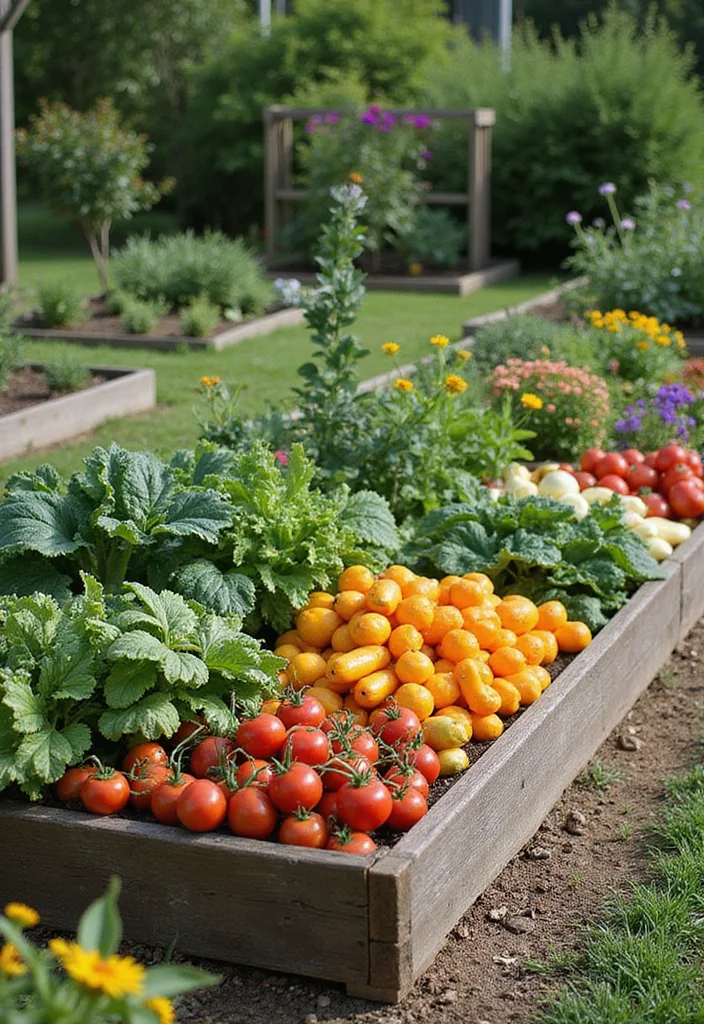
Raised garden beds are an excellent way to grow vegetables, herbs, and flowers while keeping maintenance simple. Made from sustainable wood or recycled materials, these beds improve soil control and drainage. They can fit any space, whether you have a small balcony or a spacious backyard.
Start by constructing raised beds to suit your gardening needs. This design makes it easier to access plants for planting and harvesting. With improved soil quality and reduced weed growth, your garden will flourish and be more visually appealing. Raised beds can create a productive garden that invites you to enjoy the outdoors.
• Build raised beds from sustainable materials.
• Ensure easy access for planting and harvesting.
• Improve soil quality and drainage with elevated beds.
• Minimize weed growth for easier upkeep.
With raised garden beds, you’ll cultivate a thriving garden that is both beautiful and manageable.
7. Outdoor Living Spaces
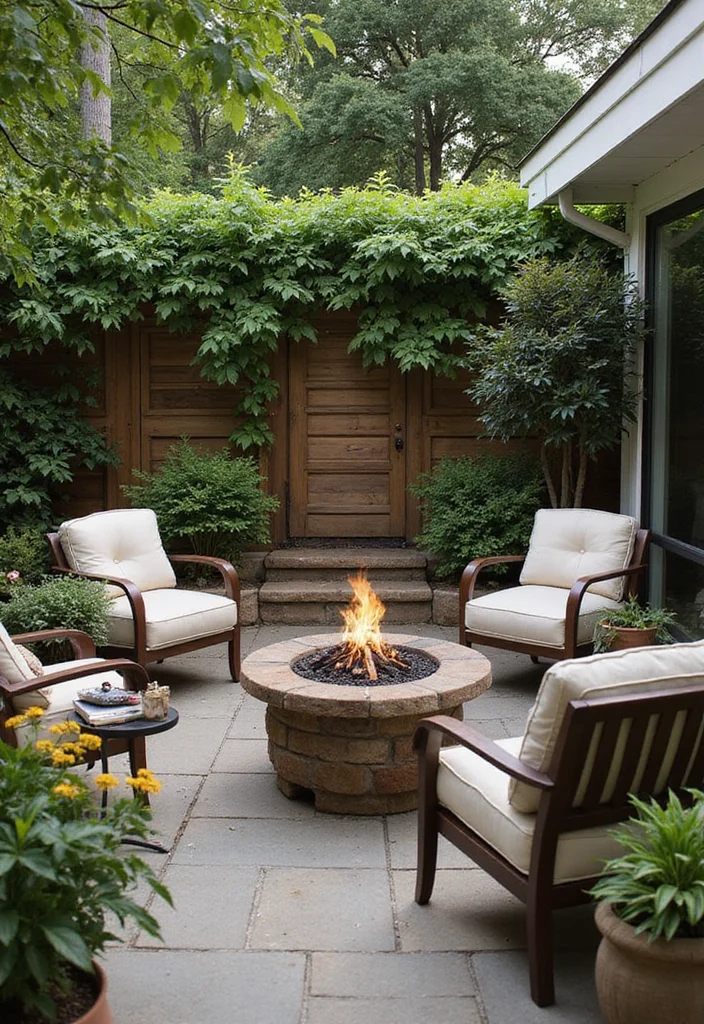
Turn your garden into a comfortable outdoor living space that extends your home into nature. Incorporate seating areas, fire pits, or outdoor kitchens to create functional and relaxing spots. Using sustainable materials, like reclaimed wood and natural stone, enhances your garden’s beauty while being eco-friendly.
Select versatile furniture that can weather the elements, ensuring comfort for your outdoor gatherings. Shade structures, like pergolas or umbrellas, make your space enjoyable during sunny days. Adding soft lighting can create a cozy atmosphere for evening relaxation. An inviting outdoor area encourages you and your guests to spend more time enjoying your beautiful garden.
• Choose versatile outdoor furniture for comfort.
• Add shade structures for sunny days.
• Use soft lighting for evening ambiance.
• Include fire pits for warmth and gathering.
With these elements, your outdoor living space will be a welcoming retreat for family and friends.
8. Edible Landscaping
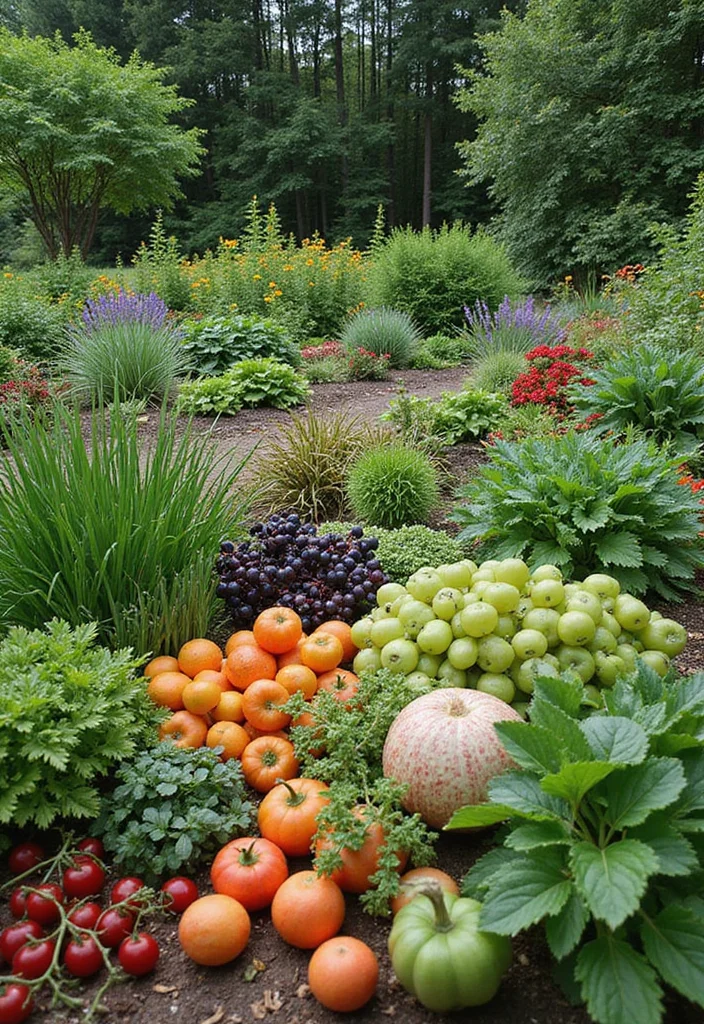
Let your garden serve a dual purpose with edible landscaping. This approach combines beauty and practicality by incorporating fruits, vegetables, and herbs into your design. Enjoying fresh produce from your backyard can be as rewarding as it is delicious. Using companion planting can boost growth and deter pests, creating a thriving garden ecosystem.
Start by selecting plants that provide both aesthetics and utility. Berry bushes can look beautiful while providing tasty treats, while herb borders add fragrance and flavor. Fruit trees can also offer shade and stunning blooms, making your edible landscape a feast for the senses. Your garden can be both a visual delight and a source of nourishment.
• Plant berry bushes for beauty and fruit.
• Create herb borders for fragrance and flavor.
• Choose fruit trees for shade and blooms.
• Use companion planting for pest control.
Edible landscaping turns your garden into a vibrant and productive space that’s both beautiful and practical.
9. Modern Fire Pits
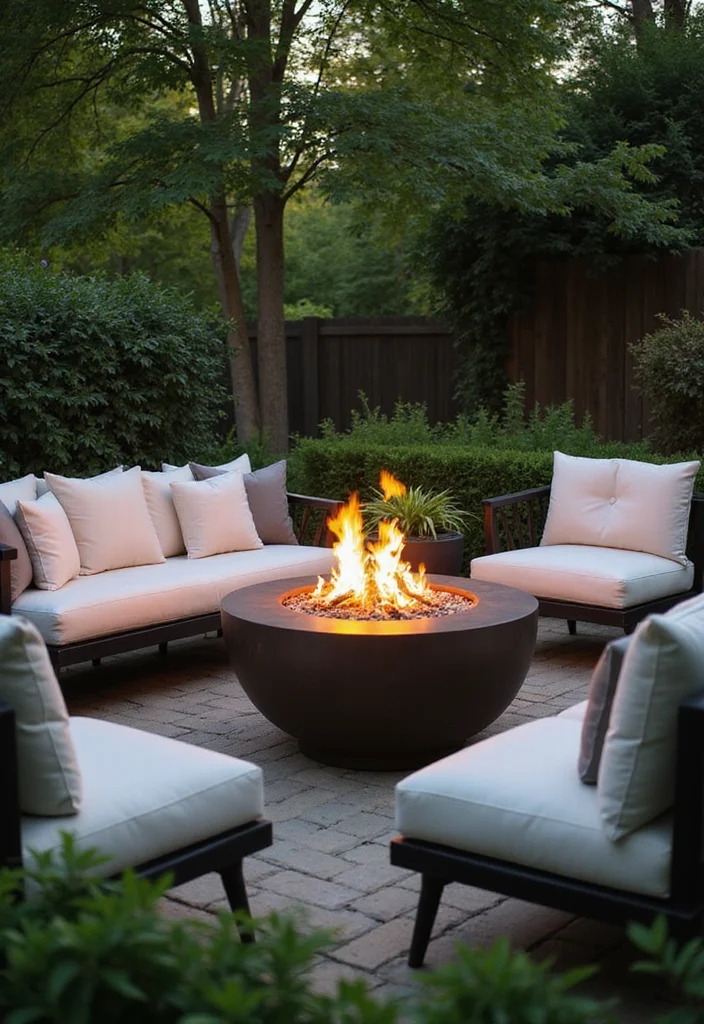
Fire pits create a cozy gathering spot for family and friends in your garden. Modern designs, made from sustainable materials, ensure that they are not only stylish but also eco-friendly. Consider options that use bioethanol or solar energy to help reduce your carbon footprint.
When selecting a fire pit, look for safety features, such as spark screens to protect against embers. Portability is also key if you want to move it around your outdoor space. Make sure to integrate comfortable seating around the fire pit to enhance the experience. A well-placed fire pit can create a warm and inviting atmosphere, perfect for evening gatherings under the stars.
• Choose a fire pit with safety features.
• Look for portable designs for flexibility.
• Integrate comfortable seating for relaxation.
• Select a bioethanol or solar option for sustainability.
With a modern fire pit, your garden becomes a welcoming place to gather and enjoy the outdoors.
10. Pollinator Gardens

Create a pollinator garden to beautify your space while supporting local ecosystems. Choose plants that attract bees, butterflies, and other pollinators to ensure a thriving garden community. Designing a diverse habitat with blooms of various colors and heights will create an inviting environment for these important species.
To start your pollinator garden, select plants that bloom at different times to provide food throughout the growing season. Lavender is a favorite for bees, while colorful coneflowers are easy to grow and attract various pollinators. Milkweed is essential for monarch butterflies, providing a habitat for their larvae. A pollinator-friendly garden adds life and color to your outdoor sanctuary.
• Select plant varieties that bloom throughout the season.
• Include lavender for its bee-attracting scent.
• Plant coneflowers for easy maintenance and color.
• Use milkweed to support monarch butterflies.
A pollinator garden fosters biodiversity and brings vibrant life to your outdoor space.
11. Outdoor Lighting Solutions
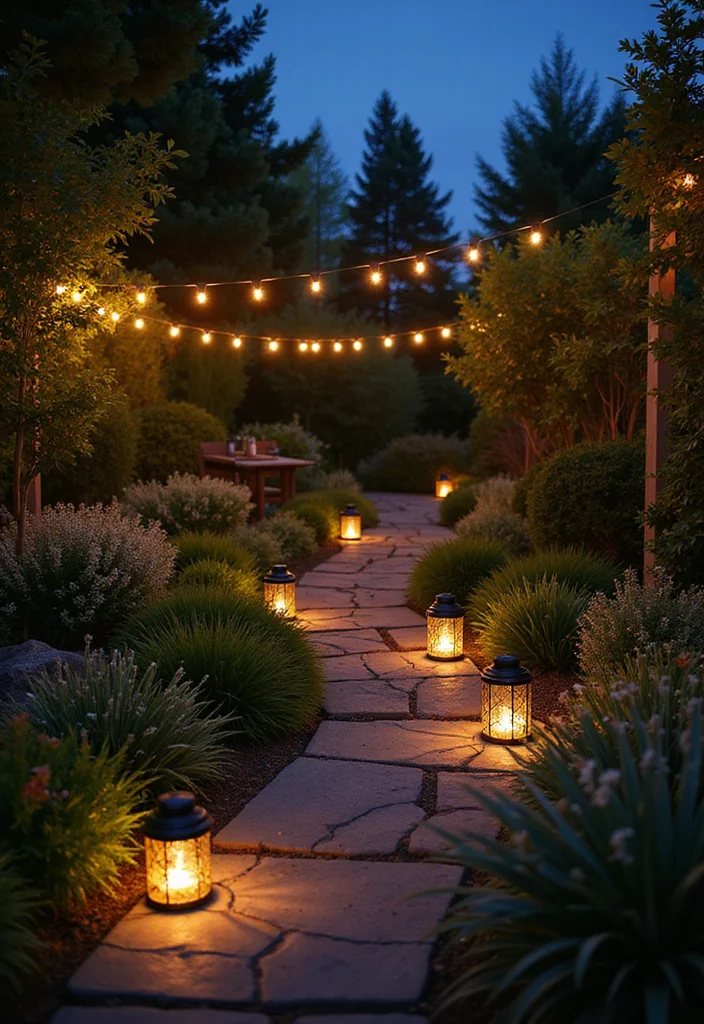
Illuminate your garden with outdoor lighting that creates a magical evening atmosphere. Sustainable lighting solutions like solar-powered lanterns and LED string lights enhance safety and beauty without wasting energy. By strategically placing lights, you can highlight pathways, plants, or seating areas for added charm.
Consider using solar path lights for eco-friendly illumination along walkways. Hanging string lights can create a whimsical vibe, while spotlights can draw attention to your garden’s focal points. Well-placed lighting invites you to enjoy your garden even after the sun sets, making it a welcoming space at all hours.
• Use solar path lights for energy efficiency.
• Hang string lights for a festive atmosphere.
• Install spotlights to highlight key features.
• Create ambient lighting for evening enjoyment.
Good outdoor lighting extends the beauty of your garden into the night.
12. Low-Maintenance Ground Covers
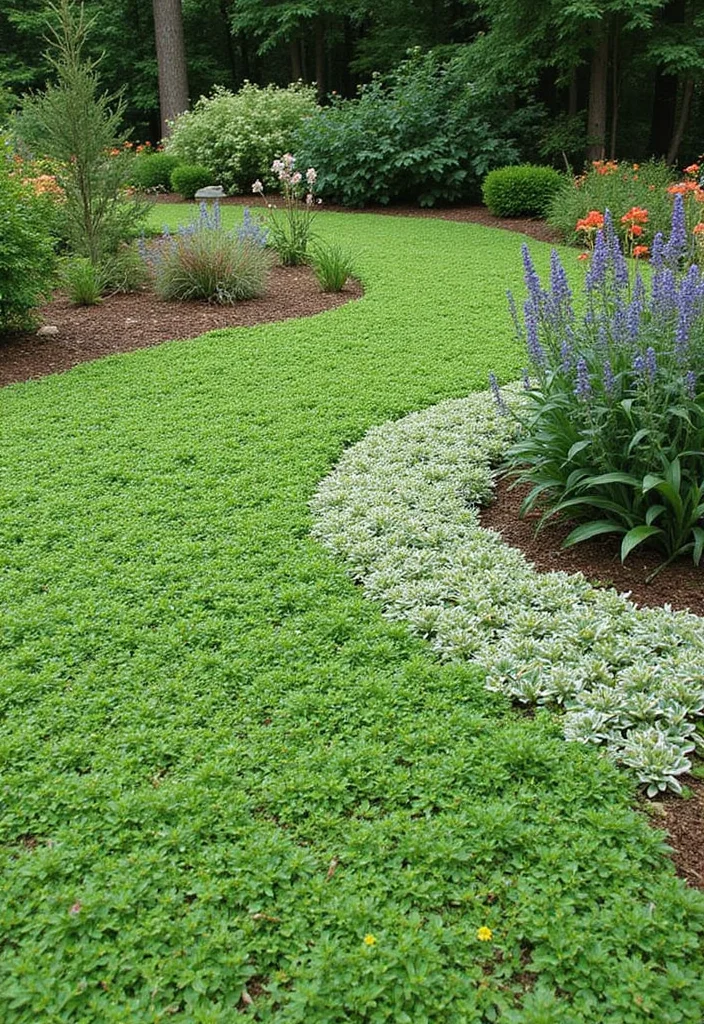
Ground covers are essential for filling spaces and preventing weeds in your garden. Choosing low-maintenance varieties can save you time while still providing beautiful green coverage. Look for drought-resistant options that thrive in your climate to contribute to a sustainable landscape.
Consider planting creeping thyme for a fragrant and edible option, or vibrant sedum for its resilience and color. Clover is another great choice, enriching the soil while attracting pollinators. Low-maintenance ground covers not only enhance your garden’s aesthetic but also reduce your gardening efforts, letting you enjoy your outdoor space more.
• Choose creeping thyme for a fragrant option.
• Plant sedum for vibrant colors and resilience.
• Use clover to enrich the soil and attract pollinators.
• Select drought-resistant varieties for sustainability.
With these ground cover options, your garden will thrive with minimal effort.
13. Contemporary Garden Furniture
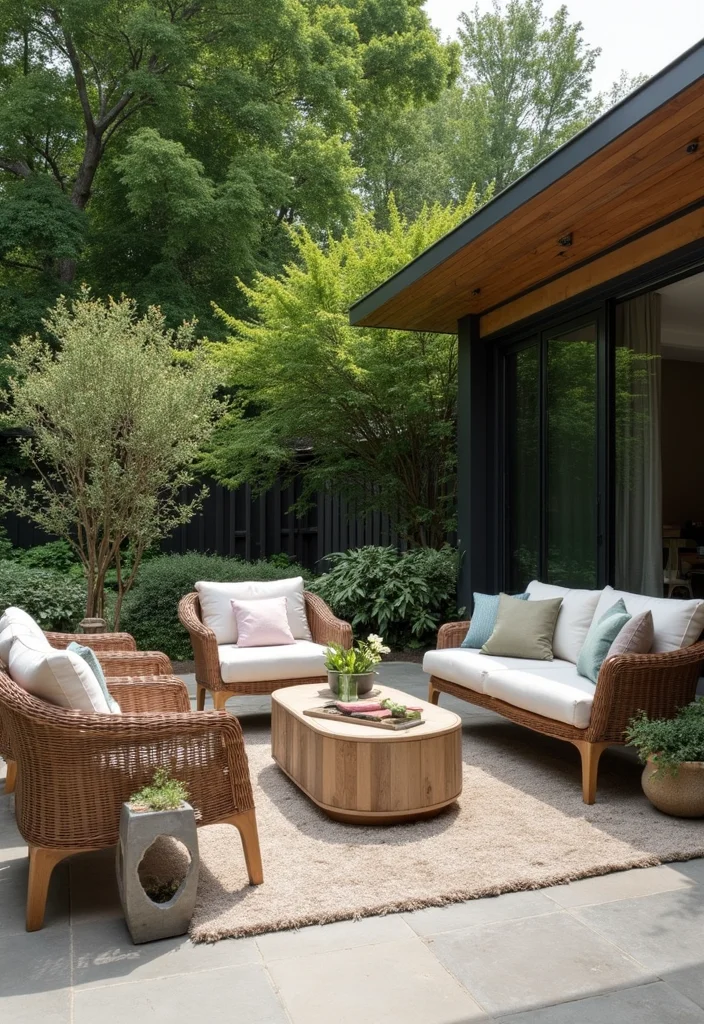
Choosing the right garden furniture can enhance your outdoor space’s comfort and style. Opt for contemporary designs made from sustainable materials like bamboo or recycled plastics. Multi-functional pieces, such as benches that double as storage, maximize your space while staying eco-friendly.
Look for weather-resistant fabrics for cushions to ensure durability. Lightweight options allow for easy rearrangement, adapting to your needs. Incorporating natural tones will help your furniture blend seamlessly with the garden. Contemporary garden furniture elevates the functionality of your outdoor space while maintaining a sleek look.
• Select sustainable materials for eco-conscious design.
• Choose weather-resistant fabrics for durability.
• Incorporate multi-functional pieces for versatility.
• Use natural tones to blend with the surroundings.
With the right furniture, your garden will become a stylish and functional retreat.
14. Green Roofs and Living Walls
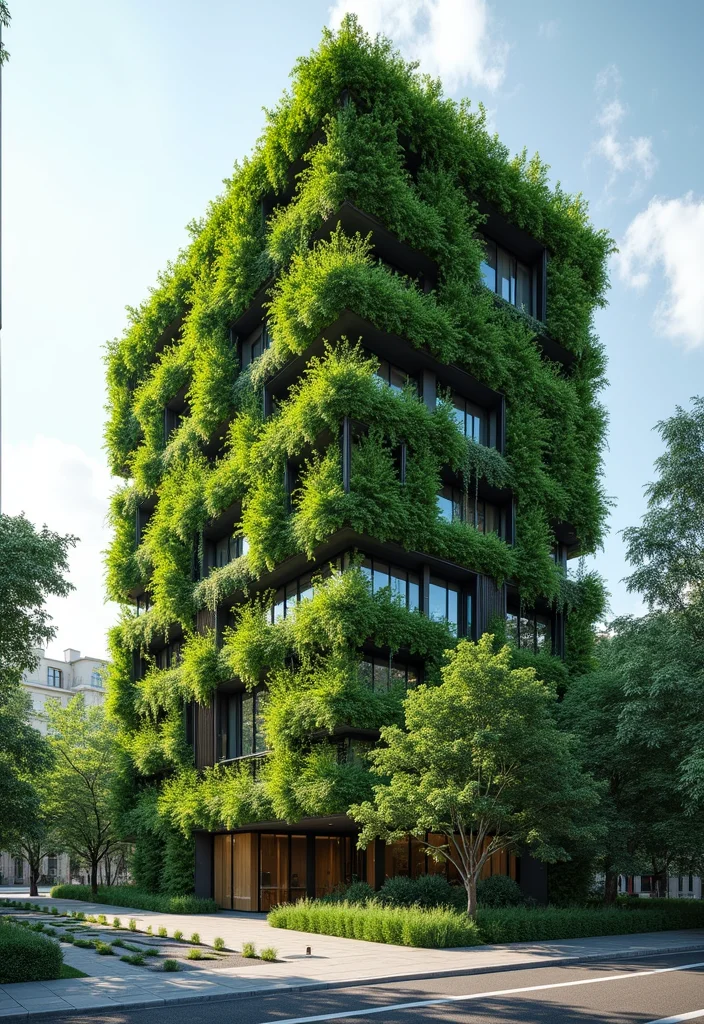
Integrating green roofs and living walls into your new build can elevate your gardening game. These features not only provide insulation but also offer stunning views and fresh air. By selecting native plants suitable for vertical growth, you can create a harmonious living space that merges architecture with nature.
Consider the benefits of green roofs, such as reducing stormwater runoff and improving air quality. They also provide habitats for wildlife, enhancing biodiversity. Creating green roofs and living walls transforms your garden into a more sustainable and beautiful environment, making it a unique space to enjoy.
• Choose native plants for vertical gardens.
• Design roofs to reduce stormwater runoff.
• Improve air quality with green roofs.
• Create a habitat for wildlife with living walls.
Green roofs and living walls can make your garden a stunning and eco-friendly space.
15. Seasonal Color Schemes
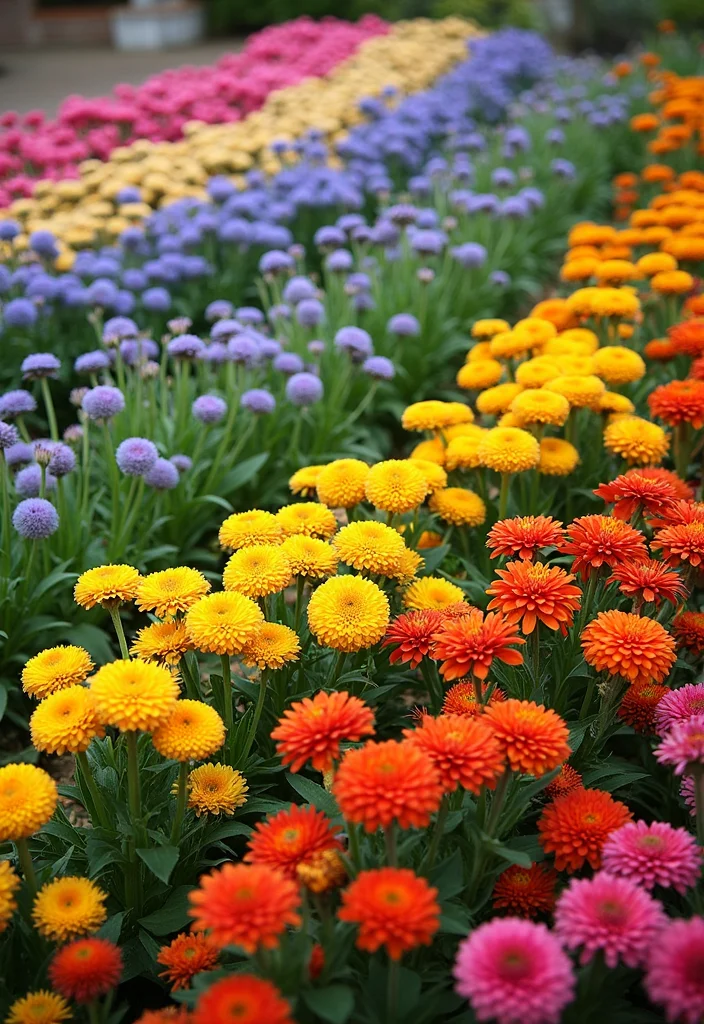
Coordinating seasonal color schemes can bring your garden to life year-round. Planning for a variety of blooming times ensures that your space is vibrant in every season. Choose plants with complementary colors and textures to create a visually stunning display.
For spring, consider planting tulips and daffodils for cheerful pops of color. In summer, sunflowers and zinnias add brightness, while fall brings in lovely mums and asters. By embracing seasonal changes, your garden will be a dynamic masterpiece that constantly evolves and delights.
• Select spring blooms like tulips.
• Choose summer flowers such as sunflowers.
• Incorporate fall colors with mums and asters.
• Plan for year-round interest with diverse plants.
With seasonal color schemes, your garden will be a lively and ever-changing display of beauty.
16. Smart Garden Technology
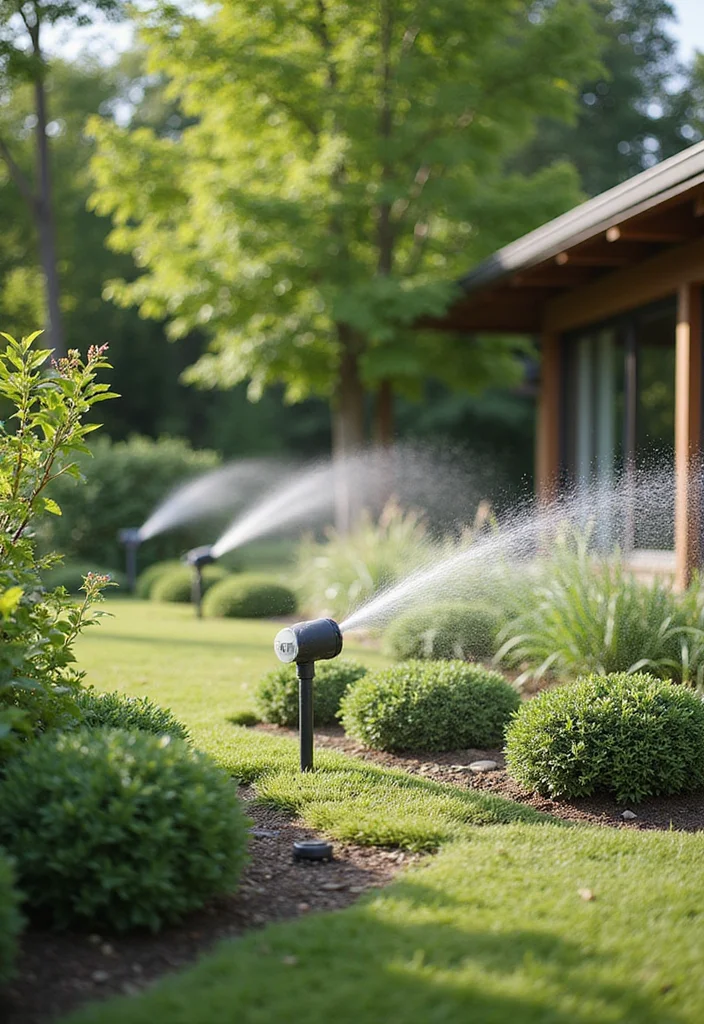
Smart garden technology can simplify your gardening experience. From automated irrigation systems to weather sensors, modern tools help you care for your plants effortlessly. Implementing these gadgets can save time and resources, leading to a more enjoyable gardening journey.
Look for smart watering systems that adjust based on weather conditions, ensuring your plants receive just the right amount of moisture. Soil sensors can monitor moisture levels, alerting you when it’s time to water. Garden apps can send reminders for plant care, helping you stay organized. Integrating smart technology can enhance your gardening experience while maintaining eco-friendly practices.
• Use automated irrigation systems for efficiency.
• Install soil sensors for moisture monitoring.
• Try garden apps for plant care reminders.
• Choose smart tools to save time and resources.
With smart technology, gardening becomes simpler and more efficient, allowing you to enjoy the fruits of your labor.
17. Community Gardening Initiatives
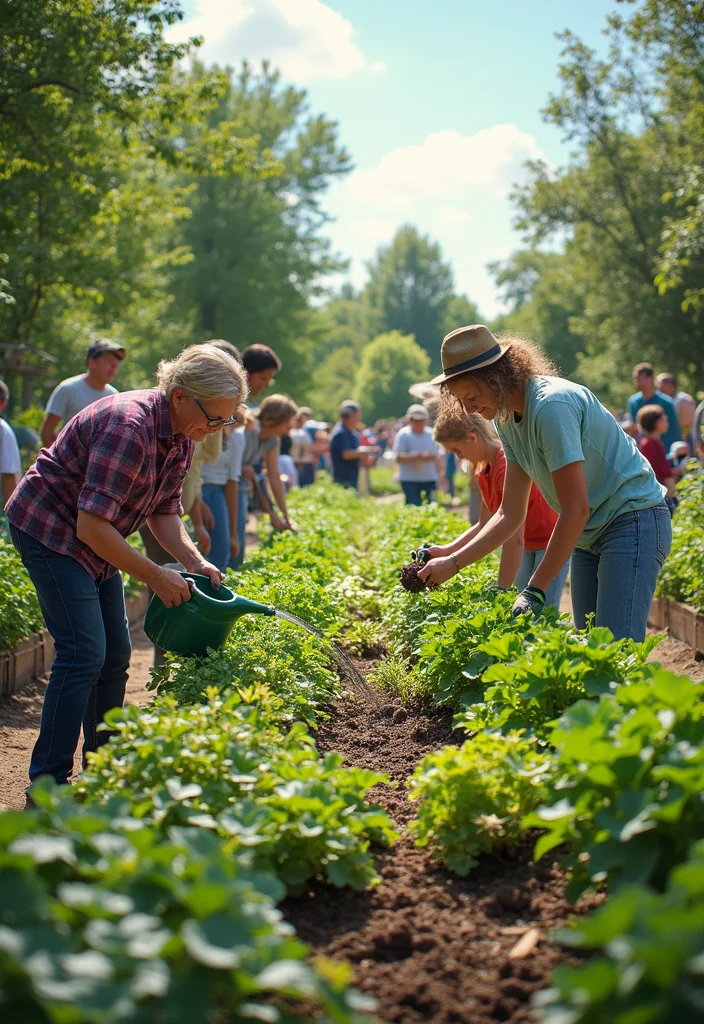
Participating in community gardening initiatives can enrich your gardening experience. These projects promote shared knowledge, enhance social connections, and foster a sense of belonging. By joining forces with neighbors, you can grow a more diverse range of plants while sharing resources and experiences.
Community gardening strengthens ties within your neighborhood and provides access to shared tools and space. These initiatives encourage sustainable practices, helping everyone to grow more food together. By working side by side, you can cultivate a thriving environment that benefits all participants.
• Join local gardening groups for community support.
• Share resources and tools with neighbors.
• Promote sustainable practices collectively.
• Enjoy a sense of community and belonging.
Community gardening initiatives can create a vibrant space where everyone benefits from the bounty of nature.
18. Mindful Nature Spaces

Creating mindful spaces in your garden encourages relaxation and reflection. Incorporate elements like meditation corners or hammock nooks to deepen your connection with nature. Use natural materials, calming colors, and fragrant plants to create a serene atmosphere that promotes mindfulness.
Design ideas include adding a seating area surrounded by fragrant herbs or creating a quiet zone with comfortable cushions and shaded areas. Water features can enhance tranquility, inviting peace into your outdoor retreat. Mindful nature spaces encourage you to slow down and appreciate the beauty of your garden.
• Create a meditation corner for relaxation.
• Design a hammock nook for comfort.
• Use fragrant plants for a calming effect.
• Incorporate water features for tranquility.
Mindful nature spaces invite you to enjoy the peace and beauty of your garden.
Conclusion: Embrace Your Garden Journey
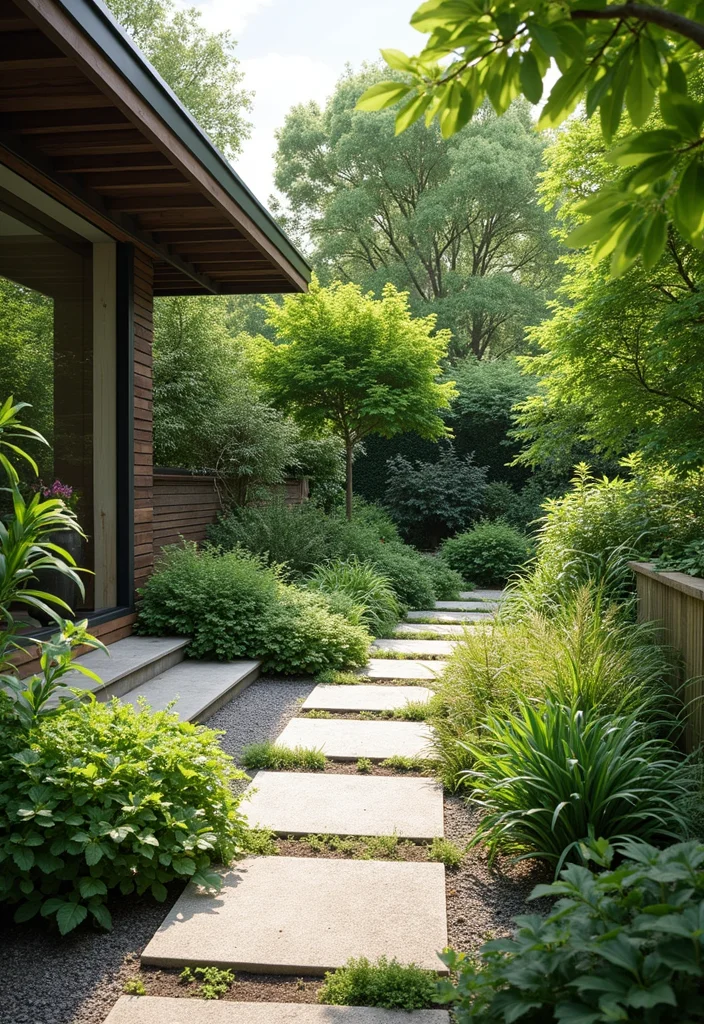
Every garden, no matter how big or small, can be a beacon of creativity and sustainability.
By incorporating these modern outdoor inspirations, you can design a garden that reflects your personality and supports eco-friendly practices.
Consider these ideas as a starting point, and let your garden journey unfold, bringing joy to your life and the environment.
Frequently Asked Questions
What Are Some Key Elements of Modern Landscape Design for New Builds?
When it comes to modern landscape design for new builds, think of clean lines and functional spaces. Incorporate elements like geometric planters, structured pathways, and minimalist furniture to create a sleek feel. Don’t forget to integrate sustainable gardening principles, such as using native plants and efficient irrigation systems, to enhance both aesthetics and environmental impact!
How Can I Choose the Right Plants for My Sustainable Garden?
Choosing the right plants for your sustainable garden is all about local adaptation. Opt for native species that thrive in your climate, as they require less maintenance and water. Consider factors like sun exposure, soil type, and your garden’s overall theme. By selecting the right plants, you’ll create a vibrant and eco-friendly space that flourishes with minimal effort!
What Outdoor Decor Ideas Can Enhance My New Build Garden?
To enhance your new build garden, think about integrating eco-friendly outdoor decor like recycled materials or upcycled furniture. Add elements such as solar-powered lights, rustic garden art, or decorative stones for a personal touch. These features not only beautify your space but also promote a sustainable lifestyle by utilizing resources wisely!
How Can I Create Functional Outdoor Spaces in My Garden?
Creating functional outdoor spaces is all about planning and designing for use. Consider areas for relaxation, dining, or even gardening. Use materials that blend seamlessly with nature, and don’t forget to incorporate shade solutions like pergolas or trees. By designing with purpose, your garden will not only look stunning but also serve as a versatile extension of your home!
What Are Some Innovative Features to Include in a Modern Garden?
Innovative features can really elevate your modern garden! Think about incorporating vertical gardens for space-saving greenery, water features for tranquility, or even outdoor kitchens for entertaining. Smart technology, like automated irrigation systems, can also make maintenance a breeze. These features not only enhance beauty but also promote a sustainable and enjoyable garden experience!