

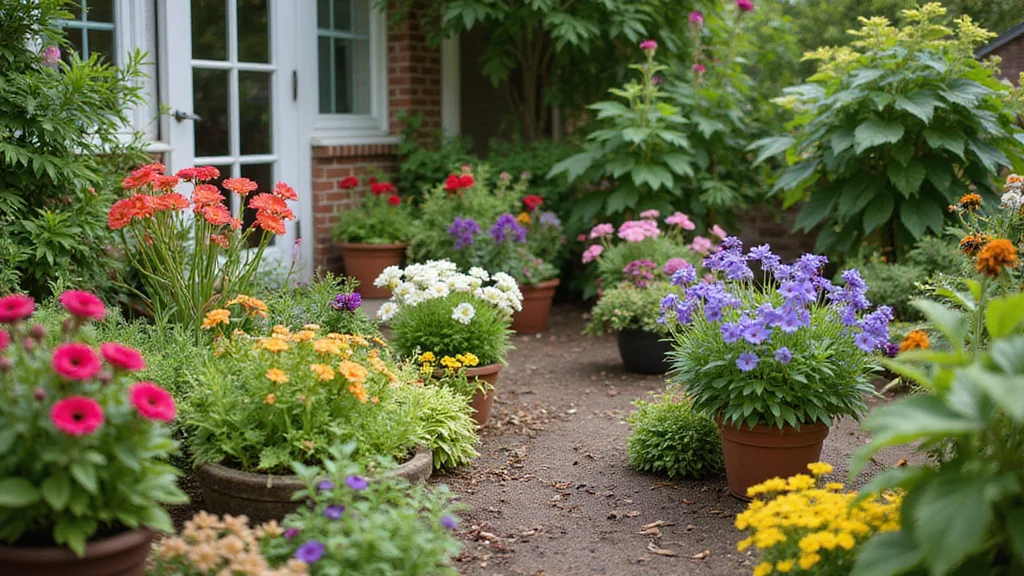
Creating a small garden can feel like a daunting task, especially when you’re working with a tight budget. I understand the struggle. With prices for gardening supplies soaring, it’s easy to think you can’t afford to create a beautiful outdoor space. That’s why I’ve put together this guide to help you discover affordable garden designs that won’t break the bank.
If you’re someone who loves getting your hands dirty in the dirt but feels limited by space or finances, this post is for you. Whether you’re a newbie gardener or a seasoned pro looking for fresh ideas, you’ll find inspiration that suits your style. You might be surprised to learn that a small garden can be just as stunning—and even more creative—than a sprawling landscape.
In this post, you’ll find 17 budget-friendly makeover ideas for transforming your small space into a garden oasis. From creative container gardening solutions to fun DIY projects, there’s something here for everyone. Each idea is practical, easy to implement, and designed to make the most of your limited space without costing a fortune. So, grab your gardening gloves, and let’s dive into the world of small garden design!
Key Takeaways
– Discover 17 budget-friendly makeover ideas that fit any small space.
– Learn how to create a vertical garden to maximize your growing area and add visual interest.
– Explore container gardening, using versatile pots to create unique combinations of plants.
– Get tips on upcycling materials to add charm and personality to your garden decor.
– Find out how to create a community gardening space to share resources and enjoy gardening with neighbors.
1. Vertical Gardens: Growing Up!
Vertical gardens offer a creative way to enhance small spaces by growing plants upward instead of outward. This style creates a lush wall of greenery that can add life to any area. You can find inspiration on Pinterest, where wall-mounted planters and trellises are popular choices. Using materials like wooden pallets not only saves space but also adds a rustic touch to your garden.
To start your vertical garden, look for affordable wall planters at garden centers or online. Consider using a drip irrigation system to keep your plants hydrated without extra effort. Choose plants suited to your climate for best results. With this method, you’ll create a vibrant green oasis, making your space feel more inviting and fresh.
• Select drought-resistant plants for easier care.
• Use drainage pots to prevent water pooling.
• Mix in herbs for a fragrant touch.
• Arrange plants by height for added visual interest.
Creating a vertical garden can transform your space into a beautiful green retreat.
2. Container Gardening: Versatile Pots
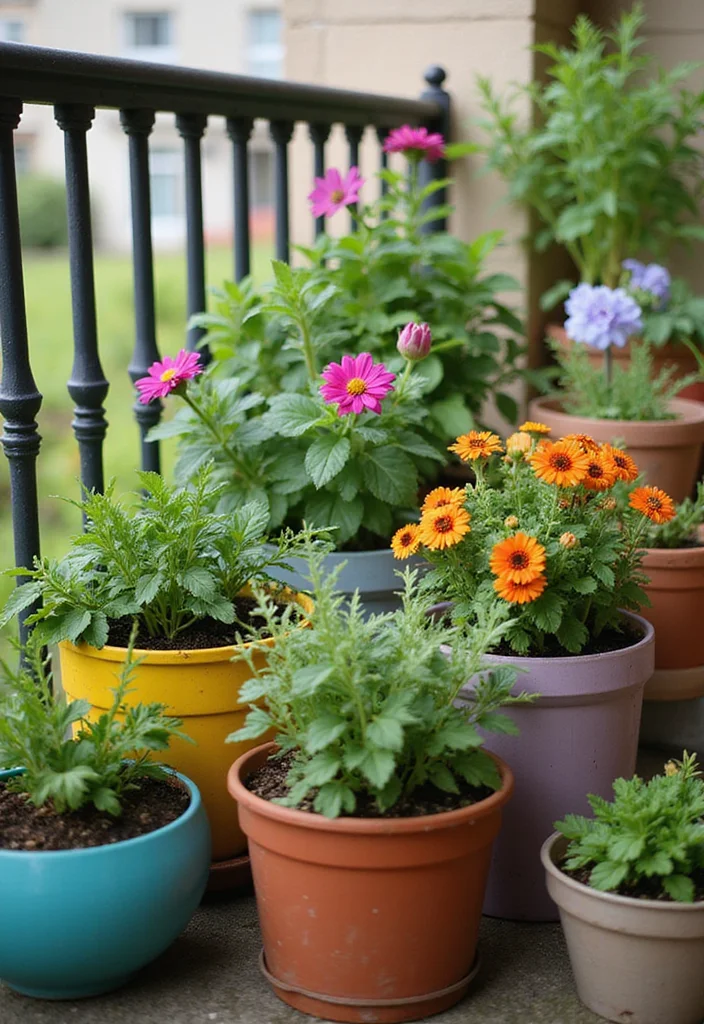
Container gardening is a fantastic option for small spaces. You can grow various plants in pots, making it easy to change your garden’s look. Move pots around to find the best sunlight or add a splash of color to your patio, as seen in many trendy outdoor spaces.
Choose pots in different sizes and colors to create an engaging display. Terracotta and ceramic pots are great choices, and you can often find them at reasonable prices. This setup allows you to play with plant combinations, making seasonal changes simple and fun. Container gardening makes your space feel lively and personal.
• Pick varied pot sizes for an eye-catching effect.
• Choose colorful flowers to brighten your space.
• Use herbs for both beauty and practicality.
• Ensure pots have drainage holes to protect plant roots.
With these tips, you can create a stunning container garden that brings life to your outdoor area.
3. Upcycled Garden Decor: Eco-Friendly Finds
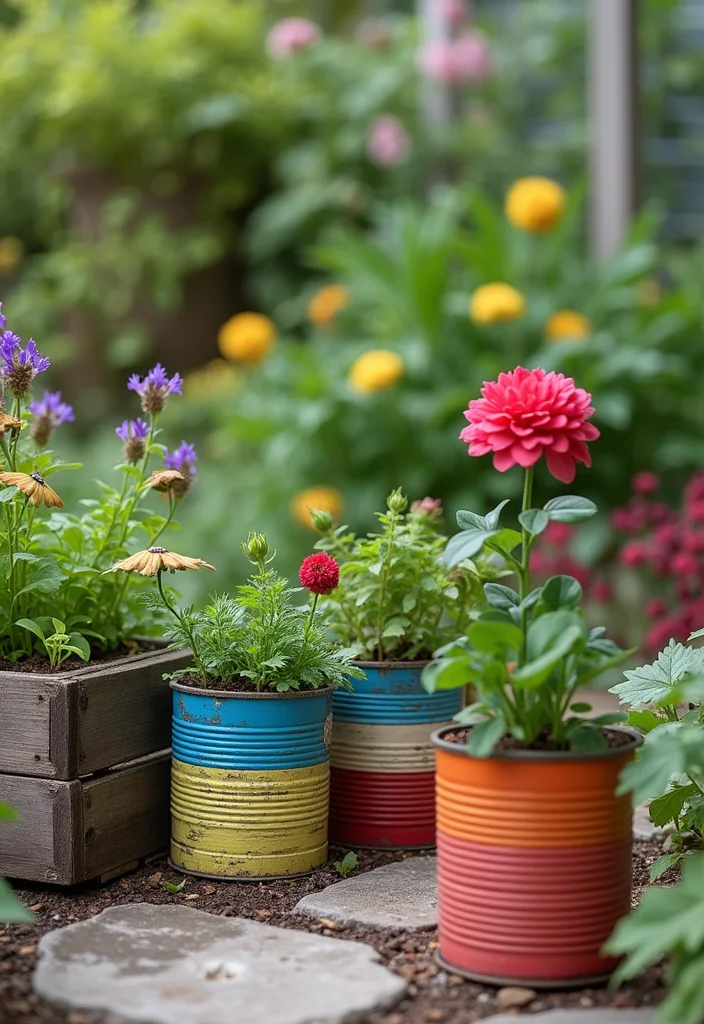
Upcycling is a fun way to add unique decorations to your garden while spending less. You can transform old furniture into plant stands or use glass bottles for artistic touches. This not only saves money but brings a personal flair to your garden, as seen in many creative outdoor spaces.
Look for items around your home that can be repurposed. Wooden crates make excellent plant holders, and an old ladder can serve as a vertical display. Each piece tells a story, making your garden feel special and inviting.
• Use painted tin cans for colorful small plants.
• Turn an old wheelbarrow into a charming planter.
• Create garden markers from old utensils.
• Incorporate colorful stones for added decor.
Upcycling can bring your garden to life, showcasing your creativity and personal style.
4. Herb Spiral: Flavor Packed in a Small Space

Herb spirals are a smart way to grow various herbs while saving space. This design lets you create different micro-climates for each herb type, allowing for a thriving garden. With a little effort, you can build a beautiful spiral that enhances your cooking with homegrown flavors.
Start by laying a base with stones or bricks and stack them in a spiral. Fill it with soil and plant your favorite herbs. This method not only conserves water but also provides a stunning focal point in your garden.
• Use various herbs for diverse flavors.
• Ensure proper drainage for healthy growth.
• Place the spiral in sunlight for best results.
• Add decorative stones for visual appeal.
Creating an herb spiral will give you fresh flavors while beautifying your garden space.
5. Miniature Tree Gardens: Bonsai Style
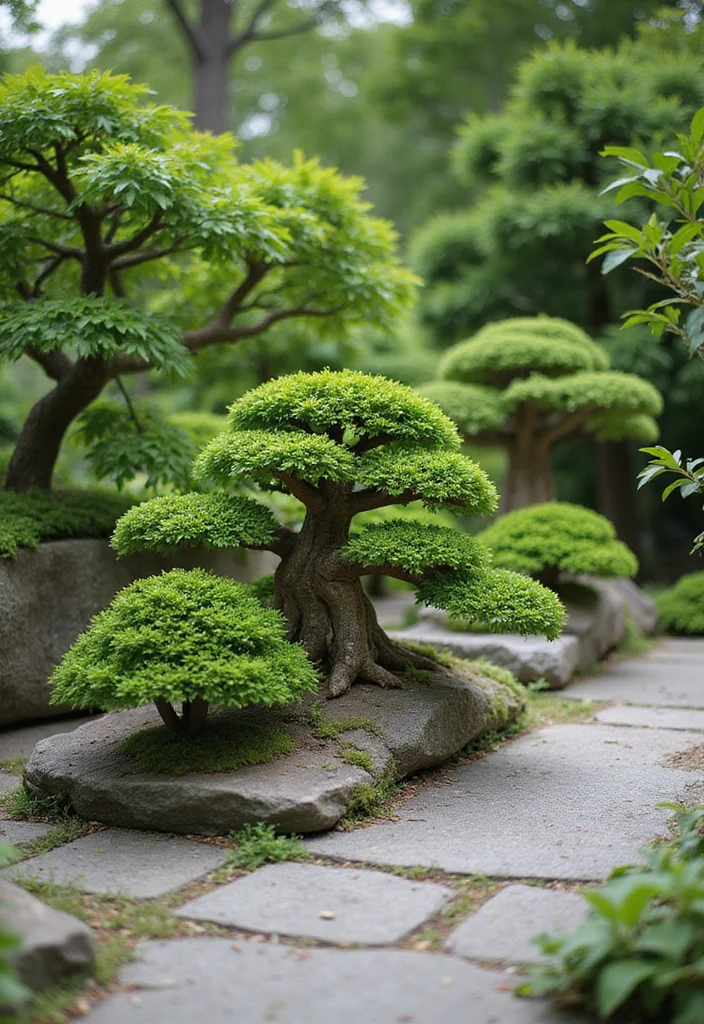
Miniature tree gardens, or bonsais, are perfect for adding elegance to small areas. These tiny trees symbolize patience and care, making them special additions to your garden or patio. You can start with a bonsai starter or shape a small tree over time for a unique creation.
Choose a species that suits your climate and provide well-draining soil to keep roots healthy. Regular trimming will help maintain its shape and beauty. With proper attention, these miniature trees can thrive for years, making wonderful family heirlooms.
• Select species for your climate to ensure success.
• Use well-draining soil to prevent root rot.
• Trim regularly to maintain its shape.
• Display in a sunny spot for optimal growth.
Growing bonsai trees can bring tranquility and beauty to your outdoor space.
6. Raised Garden Beds: Elevated Florals

Raised garden beds are a fantastic way to garden without the need to bend down too much. They provide easy access while improving drainage and soil quality. You can build them from wood, stone, or metal, allowing for a customized look in your small garden.
Choose the height and layout that suits your space. Fill them with rich soil and compost for healthy plants. You can even create various shapes to match your style. Raised beds keep your garden organized and defined.
• Reduce soil compaction with raised beds.
• Ideal for growing vegetables or herbs.
• Enhance drainage with elevated design.
• Create unique shapes for visual interest.
With raised beds, you can enjoy gardening without the strain, making it easier and more enjoyable.
7. Hanging Gardens: Plants in the Air

Hanging gardens are a brilliant way to add greenery without taking up ground space. Perfect for small patios or balconies, these planters can be made from materials like macramé or recycled items. They allow for trailing plants and ferns that create a beautiful cascading effect.
Arrange your hanging plants in clusters to create a stunning visual. Choose lightweight containers to avoid damage, and ensure proper drainage to keep your plants healthy. With hanging gardens, you can brighten up vertical spaces and add charm to your outdoor area.
• Use lightweight pots to prevent damage.
• Select trailing plants for a cascading look.
• Ensure good drainage to avoid water issues.
• Cluster plants for added visual appeal.
Creating a hanging garden can bring life to your space and make it feel more inviting.
8. Gravel Gardens: Low-Maintenance Charm
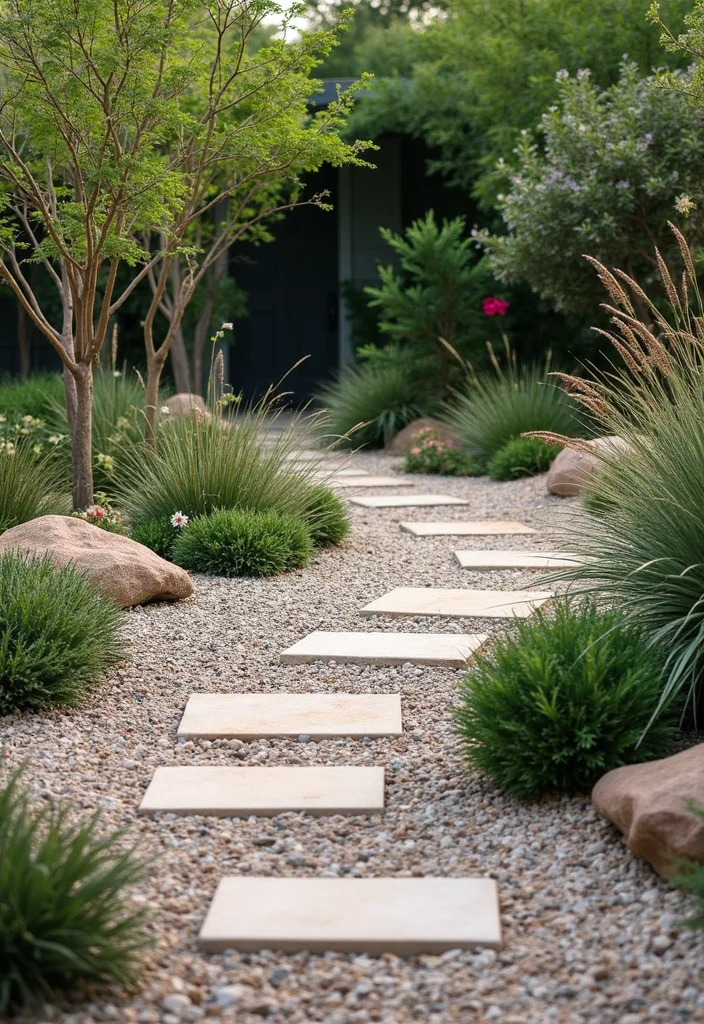
Gravel gardens are perfect if you want a low-maintenance solution. These gardens combine gravel, rocks, and drought-resistant plants to create a beautiful landscape. They work well in hot climates and can be designed in various shapes to maximize your space.
The flexibility of gravel gardens allows you to mix plants like succulents and ornamental grasses. Plus, they are less prone to weeds, making them easier to care for. This style can fit both modern and rustic themes.
• Ensure good drainage with gravel.
• Include decorative stones for added flair.
• Mix various plant types for diversity.
• Choose drought-resistant plants for easy care.
With gravel gardens, you can create a stunning area that requires minimal upkeep and looks great year-round.
9. Terracotta and Stone Planters: Timeless Elegance

Terracotta and stone planters add a classic charm to small gardens. Their natural materials insulate plant roots well and can complement any plant type beautifully. You can often find these planters at local nurseries for reasonable prices, making them an affordable option.
Arranging planters at different heights creates visual interest. Fill them with vibrant flowers or lush greens to instantly enhance your outdoor space. This simple touch can make your garden feel more inviting and elegant.
• Group pots of varying sizes together for effect.
• Add herbs for practical beauty.
• Choose colors that match your home’s exterior.
• Experiment with plant combinations for variety.
Using terracotta and stone planters can elevate your garden’s aesthetic and create a timeless look.
10. Fairy Gardens: A Touch of Whimsy
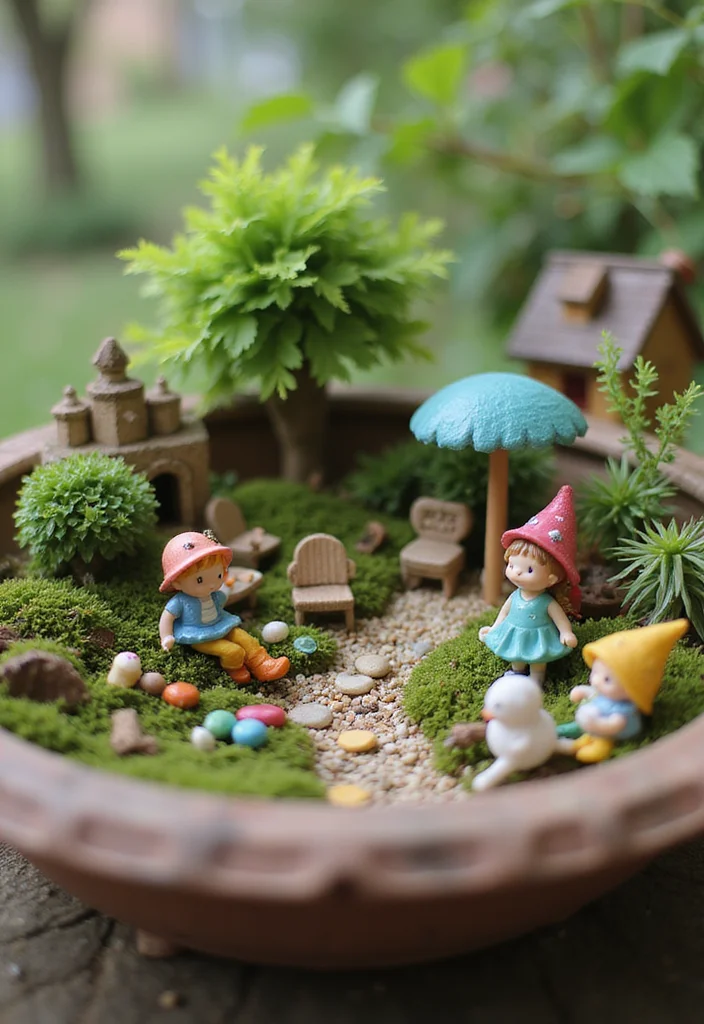
Fairy gardens bring a sense of wonder to your gardening experience. These miniature gardens can fit in small pots and are adorned with tiny decorations like fairy homes and figurines. They inspire creativity and make gardening fun for all ages.
To create your fairy garden, use moss, small stones, and colorful plants to craft magical scenes. Choose hardy plants that thrive in small containers for easy maintenance. This charming addition can make your garden feel enchanting and playful.
• Use small flowers to fit the scale.
• Create paths with pebbles for added charm.
• Change decorations seasonally for variety.
• Incorporate miniature figures for whimsy.
Fairy gardens can spark joy and creativity, making your gardening experience delightful.
11. Seasonal Displays: Celebrate the Seasons

Seasonal displays keep your garden vibrant all year long. By swapping out plants and decorations with the seasons, you can celebrate nature’s changes. For spring, consider adding bright tulips, while summer can showcase sunflowers.
In fall, ornamental cabbages and colorful leaves add charm, and evergreen decorations can brighten winter. Rotating plants keeps your garden fresh and exciting throughout the year.
• Change plants seasonally for variety.
• Use versatile decorations that fit multiple seasons.
• Embrace seasonal themes for greater impact.
• Incorporate colors from nature for harmony.
With seasonal displays, you can create a dynamic garden that reflects the beauty of each time of year.
12. Color Schemes: Harmonize Your Palette
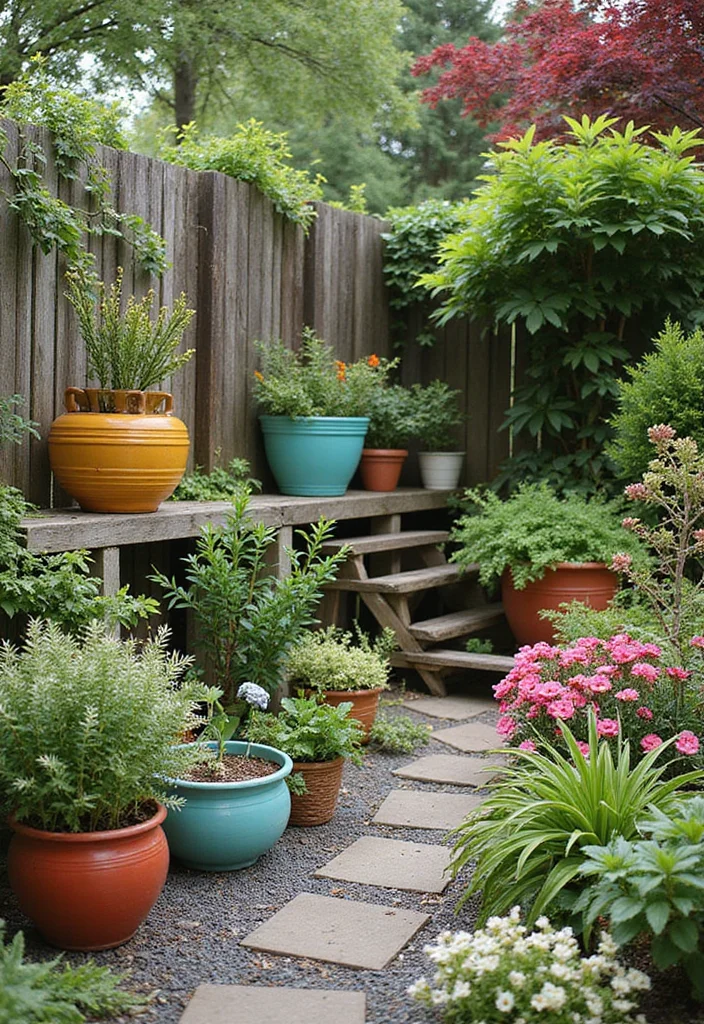
A cohesive color scheme can enhance your garden’s beauty. Choosing a specific palette for your plants and decor creates harmony and an inviting atmosphere. Whether you love soft pastels or bright colors, a clear theme will guide your choices.
Pair colors found in nature, like blue and yellow flowers or red and green foliage. Matching pots can enhance the overall look, and incorporating garden art that reflects your colors can tie everything together.
• Use the color wheel for guidance.
• Limit your palette to 2-3 main colors for clarity.
• Allow green foliage to serve as a neutral base.
• Experiment with color combinations for uniqueness.
Establishing a color scheme can transform your garden into a stunning visual experience.
13. Portable Gardens: On-the-Go Greenery

Portable gardens are perfect for those who enjoy changing their space. By using lightweight materials and wheels, you can create gardens that are easy to move. This flexibility allows for creative arrangements that adapt to sunlight or aesthetic preference.
Design a portable garden with larger containers on wheels or small garden carts. This way, you can enjoy a fresh look without being tied to one arrangement. It’s also a great way to maximize a small area.
• Change your layout easily for variety.
• Use for seasonal displays needing sun adjustments.
• Move indoors during bad weather for protection.
• Experiment with different plants for unique looks.
Portable gardens offer a fun way to keep your space dynamic and engaging.
14. Low-Growing Plants: Ground Cover Beauty

Low-growing plants are perfect for small gardens. These ground covers fill spaces quickly, prevent weeds, and create a lush green carpet. Varieties like creeping thyme, sedum, and moss thrive in compact areas.
Use these plants to outline pathways or borders, adding texture and depth to your garden design. They enhance your space’s appearance without taking up much room vertically. Low-growing plants make your garden look fuller and more inviting.
• Require minimal maintenance for easy care.
• Ideal for erosion control on slopes.
• Attractive to pollinators for a lively garden.
• Pair with larger plants for contrast.
Incorporating low-growing plants adds beauty and practicality to your small garden.
15. Lighting: Brighten Up Your Garden
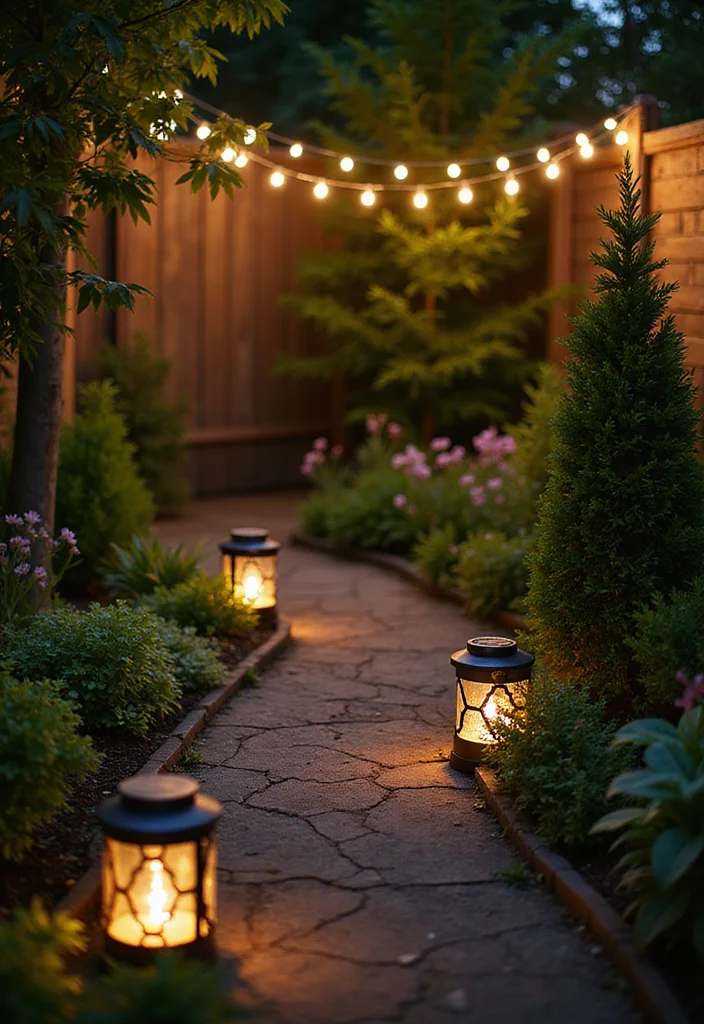
Good lighting can transform your garden into a magical space at night. Use outdoor string lights, solar lanterns, or candles to create a warm atmosphere. Proper lighting enhances your plants’ beauty and makes your garden usable after dark.
Consider different heights for your light sources to add depth. Hang string lights over seating areas or place solar lights along paths. This creates a cozy feeling and encourages you to spend more time outside.
• Opt for energy-efficient lighting for savings.
• Choose soft, warm tones for a relaxing vibe.
• Layer lighting for a cozy atmosphere.
• Highlight specific plants with spotlights.
With the right lighting, your garden can become a beautiful retreat, inviting you to enjoy it even at night.
16. Natural Features: Work with What You Have
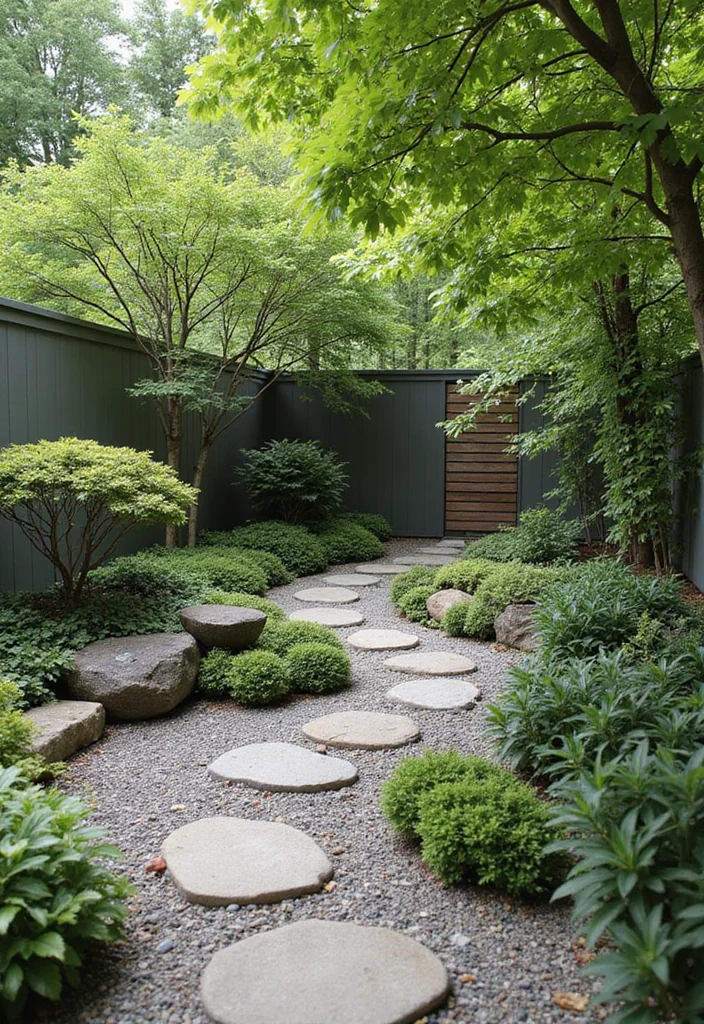
If your garden has natural features like rocks or trees, embrace them in your design. Working with these elements can save money and add unique character. Natural features can serve as focal points, making your garden feel cohesive.
Surround rocks with colorful plants or use a tree as a support for climbing vines. This integration creates an organic look and enhances the beauty of your garden.
• Position plants to highlight natural features.
• Create paths around existing elements.
• Use native plants for better growth.
• Emphasize textures for visual interest.
Incorporating natural features makes your garden feel more connected to its environment.
17. Community Gardening: Grow Together
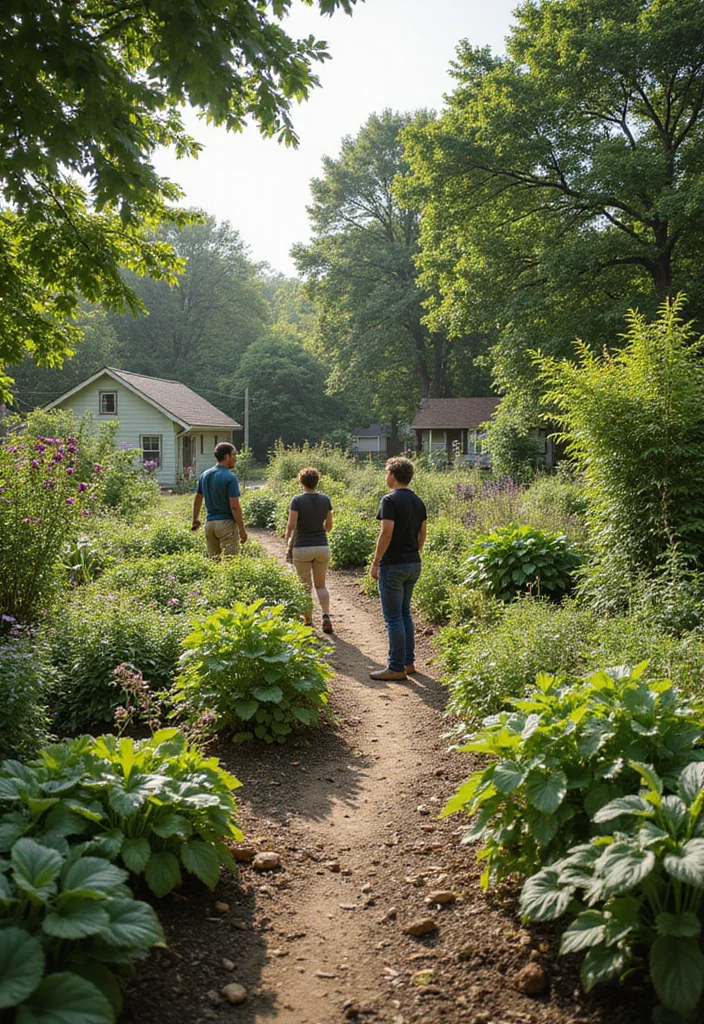
If your space feels limited, consider joining a community garden. These shared spaces allow you to connect with others, share resources, and grow a variety of plants. Community gardens often provide access to plots and helpful workshops for all skill levels.
This collaboration strengthens community bonds and offers opportunities to learn from experienced gardeners. Plus, it allows you to grow more plants than you could in your own space.
• Gain access to shared tools and resources.
• Enjoy socializing and learning with others.
• Grow a wider variety of plants together.
• Participate in community events for fun.
Joining a community garden can enrich your gardening experience and create lasting friendships.
Conclusion
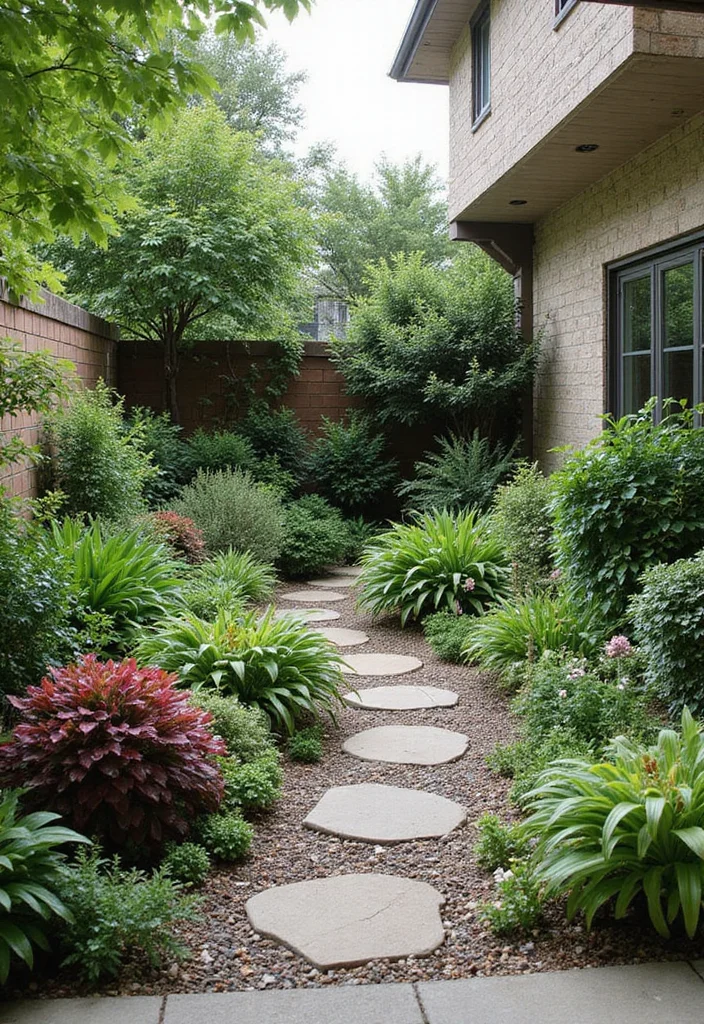
With these 17 budget-friendly small garden ideas, you’re well on your way to creating a charming outdoor retreat without breaking the bank. Each idea is designed to fit into your limited space while providing a burst of color, life, and creativity. Whether you choose container gardening, vertical displays, or community gardening, there’s something for everyone.
So roll up your sleeves, embrace your creative side, and let your small garden flourish with your personal touch!
Frequently Asked Questions
What are some budget-friendly small garden ideas for limited spaces?
Creating a beautiful garden on a budget is entirely possible! Consider using container gardening to maximize your small space. You can repurpose old pots, buckets, or even wooden crates to plant herbs, flowers, or vegetables. Adding vertical elements like wall planters or trellises can also help utilize vertical space while keeping costs low. Don’t forget to shop at local nurseries or gardening swaps for affordable plants!
How can I DIY my garden makeover without breaking the bank?
A DIY garden makeover can be a fun and cost-effective project! Start by planning your layout and choosing plants that thrive in your climate. Use materials you already have at home, like stones or wood, to create borders or paths. You can also make your own compost to enrich the soil. With a little creativity, you’ll enjoy a stunning transformation that’s easy on the wallet!
What are some affordable garden designs for small spaces?
Affordable garden designs for small spaces often include layering plants of different heights and textures to create visual interest. Consider using a mix of perennial flowers and fast-growing annuals for vibrant color. Additionally, try incorporating edible plants like herbs or salad greens, which not only save money but also provide fresh produce right from your garden. Remember, simplicity is key!
Can I create a small garden in a shady area on a budget?
Absolutely! There are plenty of shade-loving plants that thrive without direct sunlight. Consider ferns, hostas, or shade-tolerant herbs like mint or parsley. You can also create a cozy atmosphere with decorative stones or mulch to enhance the area. Focus on layering your plants and using containers to add height and dimension without spending much.
What are some compact garden solutions for urban environments?
Urban gardening can be challenging, but there are many compact garden solutions. Think vertical gardens, which can be created using wall-mounted planters, or even hanging baskets. Utilize small, movable containers that can be rearranged based on sunlight and aesthetics. Urban spaces can also benefit from rooftop gardens or balcony planters, allowing you to enjoy greenery without needing much ground space!