

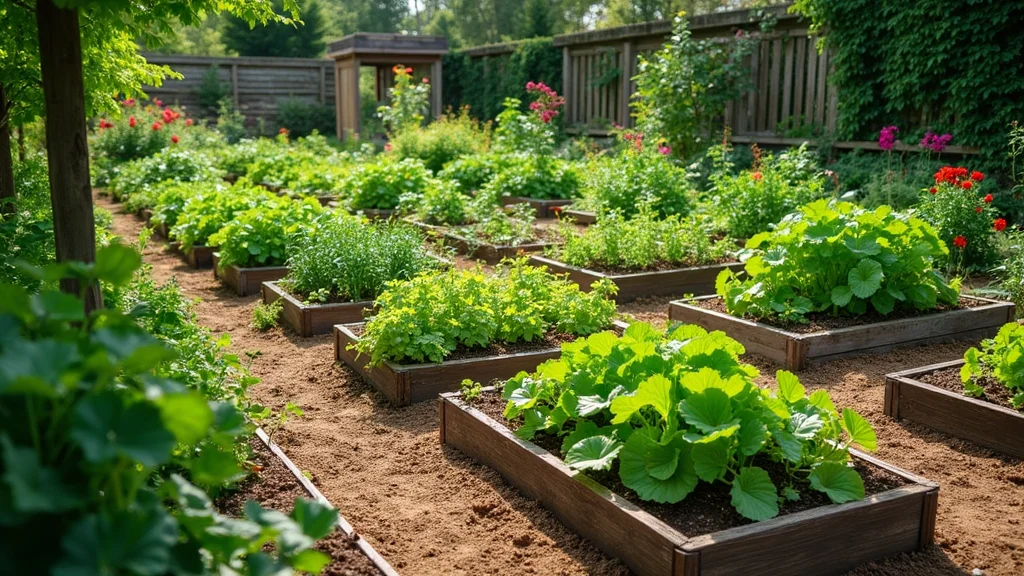
Creating an in-ground vegetable garden can be a rewarding experience, but figuring out the best design can feel overwhelming. That’s why I put together this guide. With so many options out there, it can be tough to know where to start. Whether you’re a seasoned gardener or a complete beginner, the right layout can transform your gardening journey and boost your harvest.
If you love the idea of growing your own fresh vegetables but feel stuck on how to set up your space, this post is for you. You might be passionate about organic gardening, or maybe you’re excited about companion planting to maximize your yield. Whatever your interest, this guide will help you design a vegetable garden layout that suits your needs.
In this post, you’ll discover 18 easy-grow layout inspirations that cater to various styles and preferences. From classic raised bed gardening to unique designs like spiral herb gardens and community garden setups, there’s something for everyone. You’ll gain practical tips on what to plant, how to arrange your beds, and even how to attract pollinators. By the end, you’ll be ready to cultivate a garden that not only looks good but also thrives with productivity.
So let’s dig in and find the perfect design that brings your gardening dreams to life!
Key Takeaways
– Learn about 18 different vegetable garden layouts, from classic raised beds to innovative designs like keyhole gardens and container setups.
– Discover practical tips for companion planting, allowing you to enhance growth and deter pests naturally.
– Get inspired with designs that make the best use of small spaces, perfect for urban gardeners or those with limited room.
– Find out how to create a pollinator-friendly garden that attracts bees and butterflies, boosting your garden’s health.
– Explore the benefits of different gardening styles, including no-dig and vertical gardening, to maximize your yield and gardening efficiency.
1. Classic Raised Bed Garden
The classic raised bed garden is a beloved choice for many gardeners. This layout helps create an organized vegetable plot that bursts with life. You can build these beds using sturdy materials like wood or stone, painted in earthy tones or left natural for a rustic look. They fit well in both small and large spaces, offering a beautiful focal point as seen in popular gardening blogs.
To set up your raised beds, aim for a depth of at least 12 inches, which allows roots to thrive. Mixing compost with soil nourishes your plants and gives them a great start. Plus, mulching around the beds helps retain moisture and keeps weeds at bay. This method not only eases maintenance but also enhances your garden’s appearance, making it feel inviting and well-tended.
• Ensure raised beds are at least 12 inches deep for root growth.
• Use a mix of compost and soil to provide nutrients.
• Mulch around the beds to retain moisture.
• Place beds in a sunny spot to maximize sunlight exposure.
With these tips, your garden will be both productive and visually appealing.
2. Square Foot Gardening
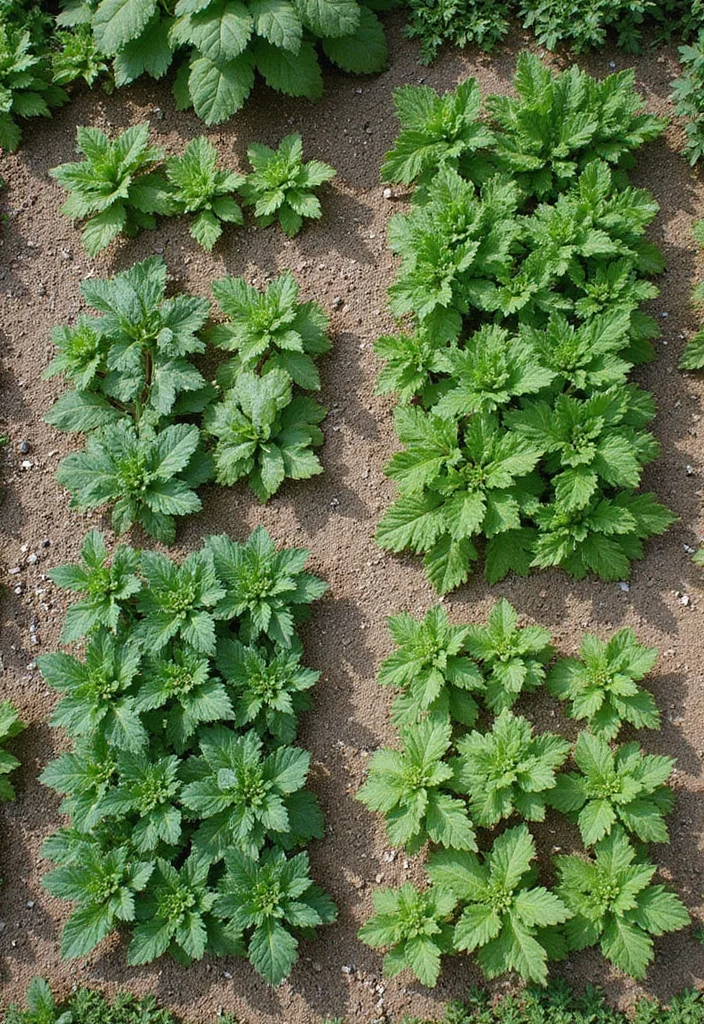
Square foot gardening is an effective approach to growing vegetables in limited spaces. This method divides your garden into small squares, usually 1 foot by 1 foot, allowing for diverse plantings. You can mix vegetables like lettuce in one square with a tomato in another, making the most of your garden area. This layout encourages companion planting, which many gardeners love.
To start, create a grid over your garden beds using wooden slats or string. This will help you visualize how to space your plants without overcrowding. Investing in high-quality soil mix rich in compost will give your plants a nutrient boost. This approach not only maximizes your space but also keeps gardening enjoyable as you try new combinations of plants.
• Start with a high-quality soil mix rich in compost.
• Rotate your crops each season to keep the soil healthy.
• Use vertical growing techniques for extra space.
• Keep a garden journal to track what you plant.
This method makes gardening rewarding and fun, as you enjoy a variety of fresh vegetables throughout the season.
3. Keyhole Garden
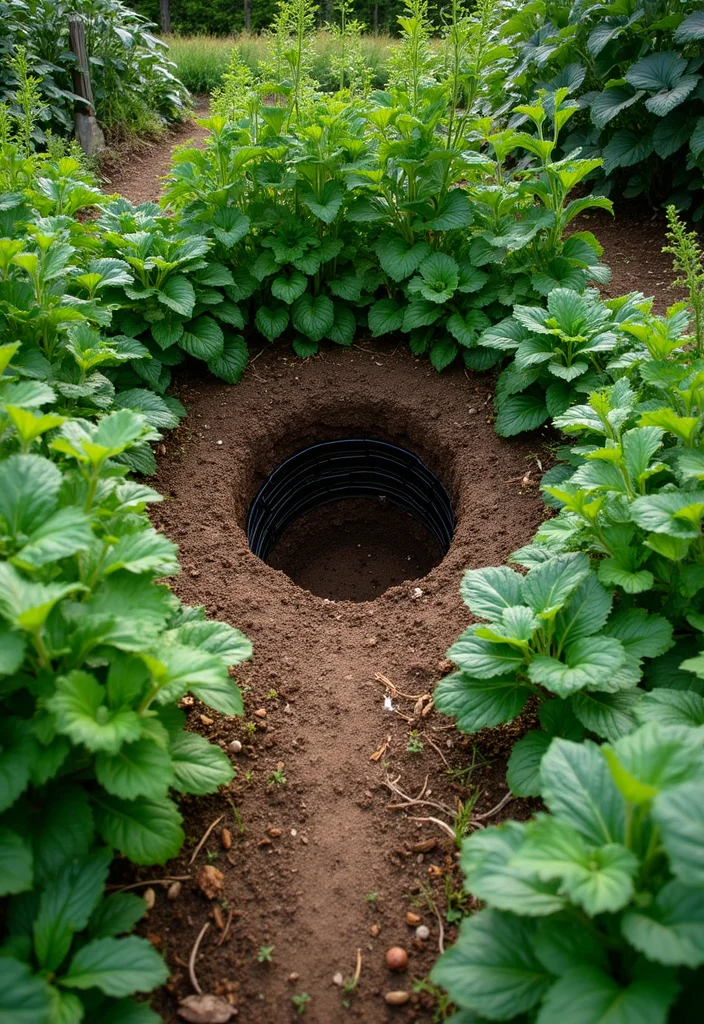
A keyhole garden is a clever design that’s perfect for tight spaces or poor soil. Its unique shape features a circular planting area with a compost basket in the middle, allowing easy access to your plants. As you add layers of compost and soil, you create a rich environment that helps your plants flourish while conserving water.
Building this garden can be simple; use stones or bricks to create the circular shape. The compost basket can be made from old containers or wire mesh, ensuring good drainage. This design not only helps recycle kitchen scraps but also supports sustainable gardening practices, making your garden eco-friendly.
• Mix greens and browns in your compost for balanced nutrients.
• Plant taller crops on the outer ring and shorter ones inside.
• Space plants properly to ensure airflow and light.
• Water the central compost regularly to keep it functional.
This innovative approach lets you grow fresh vegetables while helping the environment.
4. Spiral Herb Garden
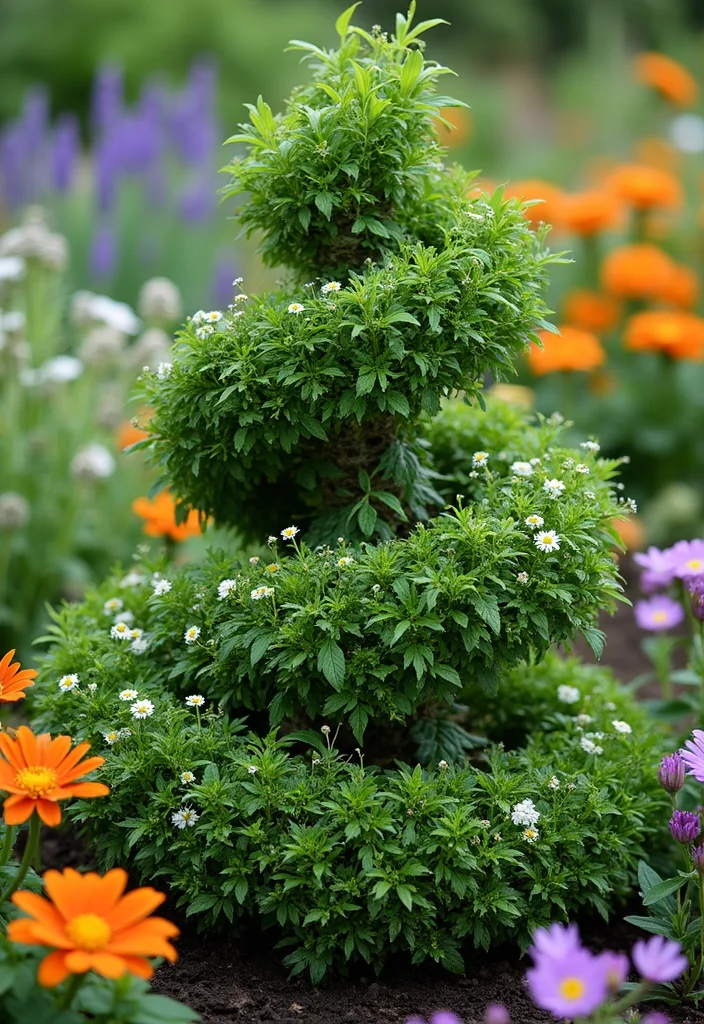
If you love herbs, a spiral herb garden is a delightful and functional design. This vertical layout creates different microclimates, allowing you to grow a variety of herbs in one spot. You can plant drier herbs like rosemary at the top, while moisture-loving herbs like mint thrive at the bottom. This not only looks great but also simplifies access to your herbs.
To build your spiral, use stones or bricks to form the shape and fill it with rich soil. This design can easily fit into any garden space, and it encourages you to enjoy fresh flavors in your cooking. Plus, mulching around the herbs helps retain moisture and keeps weeds away.
• Include a variety of herbs for diverse flavors.
• Mulch to retain moisture and suppress weeds.
• Add flowers to attract pollinators for better growth.
• Plan for easy access around the spiral for convenient harvesting.
This unique design brings beauty and fresh herbs right to your fingertips.
5. Container Gardening
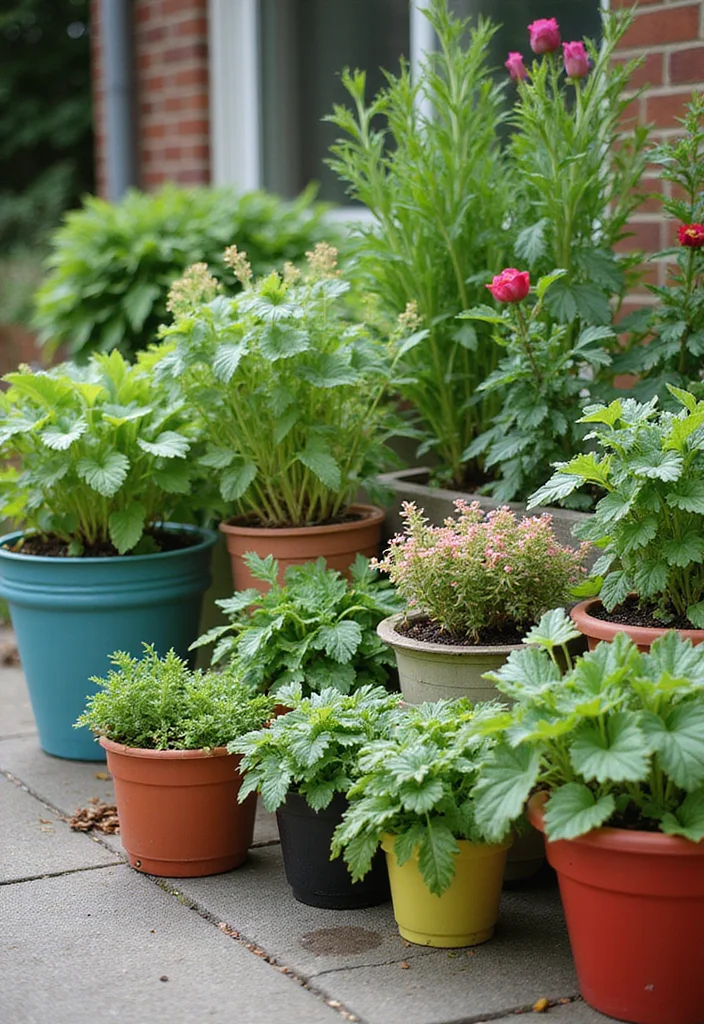
Container gardening opens up a world of possibilities for growing vegetables. This method allows you to use pots, planters, or vertical setups to cultivate plants, making it perfect for small spaces or poor soil. You can place your containers on patios, balconies, or even windowsills, making gardening accessible for everyone.
When choosing pots, ensure they are at least 12 inches deep for crops like tomatoes and carrots. Grouping containers based on sunlight requirements helps ensure that your plants thrive. This approach not only enhances your living space but also gives you the joy of growing fresh vegetables at home.
• Use high-quality potting mix for best results.
• Ensure pots have drainage holes to prevent waterlogging.
• Rotate crops and mix plant types to control pests.
• Position containers in sunny spots for optimal growth.
This method makes gardening not just productive but also a creative outlet for your home.
6. Vertical Gardening
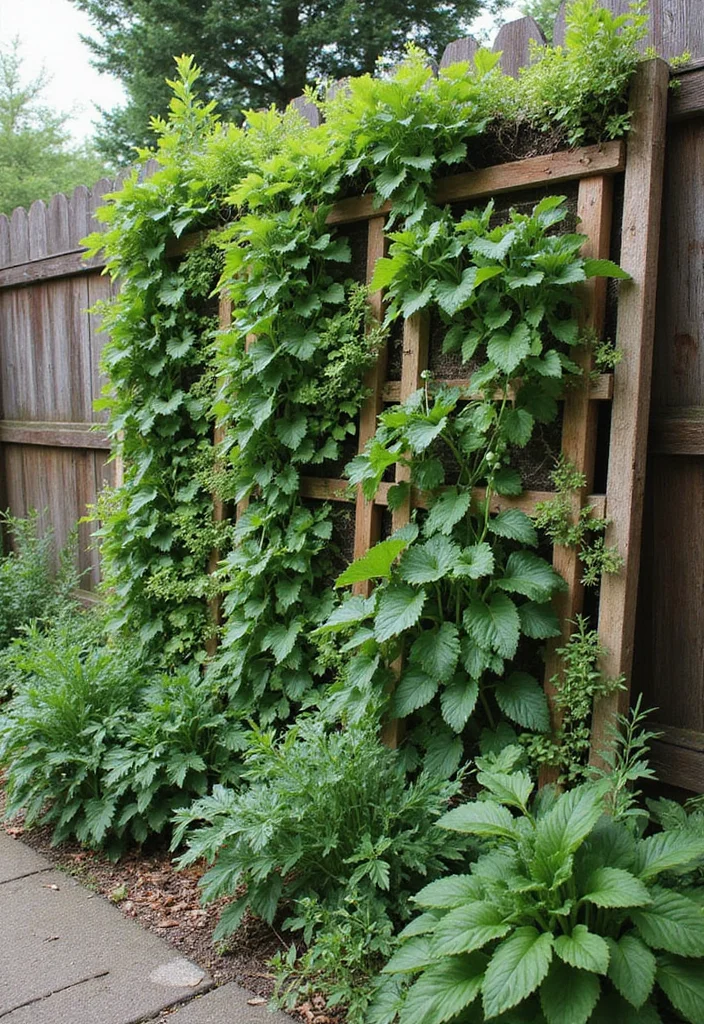
Vertical gardening is an amazing solution for maximizing space and adding visual appeal to your garden. By growing plants upwards, you can create stunning green walls filled with vegetables and herbs. This method is ideal for climbing plants like cucumbers and beans, which can easily be trained on trellises or hanging systems.
To get started, choose sturdy supports like trellises or even repurpose items like old ladders. This not only makes harvesting easier but also improves air circulation, reducing disease risks. You’ll enjoy a vibrant display while making the most of your garden space.
• Ensure vertical supports are sturdy enough for mature plants.
• Select climbing plants like tomatoes or squash.
• Group plants with similar water and sunlight needs.
• Consider using recycled materials for a unique touch.
This approach not only saves space but also adds artistic flair to your vegetable garden.
7. Polyculture Garden
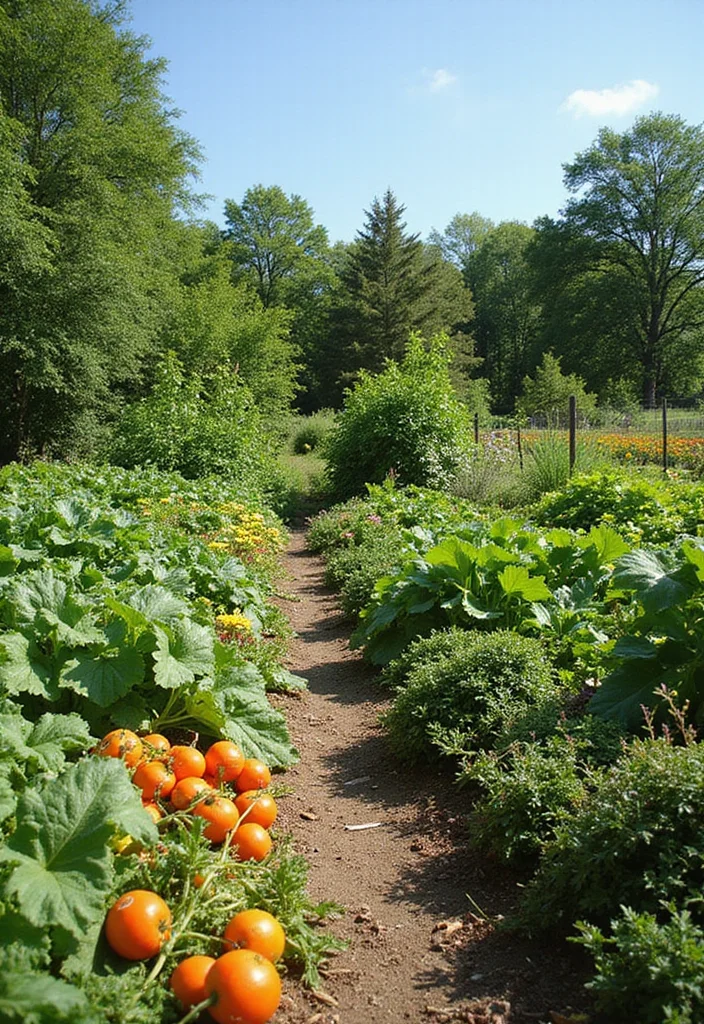
Creating a polyculture garden boosts biodiversity by growing multiple plants together. This layout promotes companion planting, helping with pest control and improving soil health. For example, planting beans alongside corn boosts nitrogen in the soil, while marigolds deter harmful insects.
To design your polyculture garden, combine plants that benefit each other and ensure a variety of heights. This not only enhances your garden’s productivity but also creates a more resilient ecosystem. Keeping a garden journal can help you track what works best in your unique environment.
• Rotate crops each season to prevent pests and diseases.
• Interplant flowers to attract beneficial insects.
• Keep records of plant growth to refine your strategy.
• Plan for diversity in plant types for a thriving garden.
This vibrant approach results in a productive garden that thrives naturally.
8. Companion Planting Layout
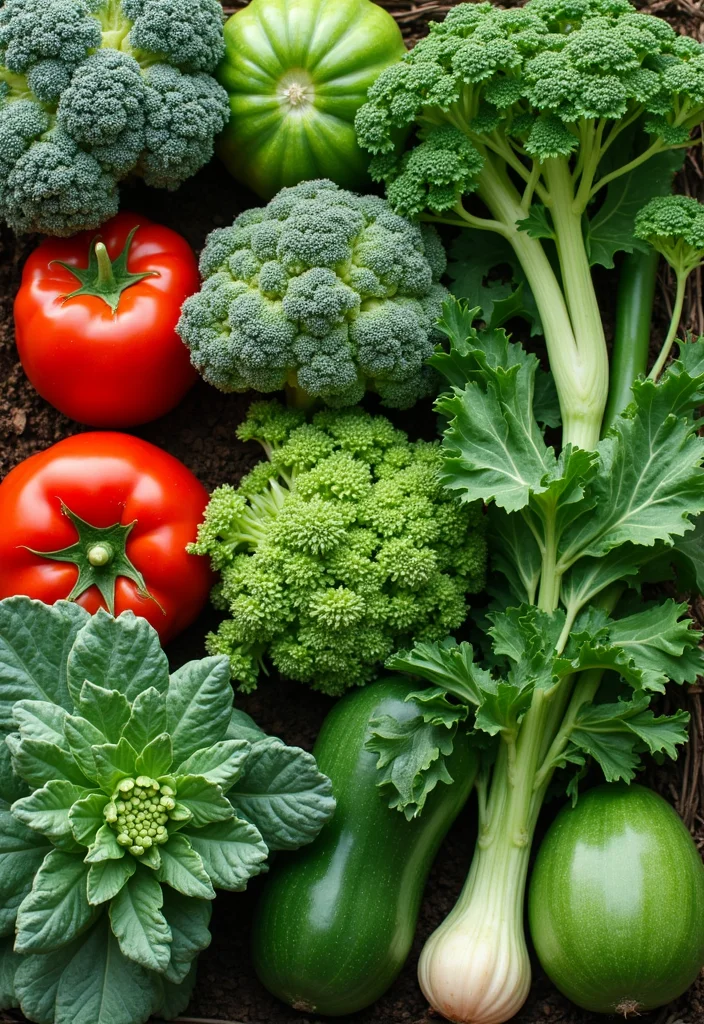
Companion planting is a simple yet powerful method to boost your vegetable garden’s productivity. By grouping compatible crops, you can help each plant thrive while naturally managing pests. For instance, planting tomatoes with basil enhances flavors and keeps pests away.
To implement this strategy, create a detailed planting guide based on companion pairings. This helps you maximize the benefits of each plant while keeping care and harvesting easy. Tracking plant growth will refine your approach over time.
• Research companion planting combinations for your area.
• Keep track of growth and yields to improve results.
• Rotate companions annually for better soil health.
• Group plants together for easy maintenance and access.
This strategic approach leads to a bountiful harvest and a harmonious garden ecosystem.
9. Garden in a Bottle
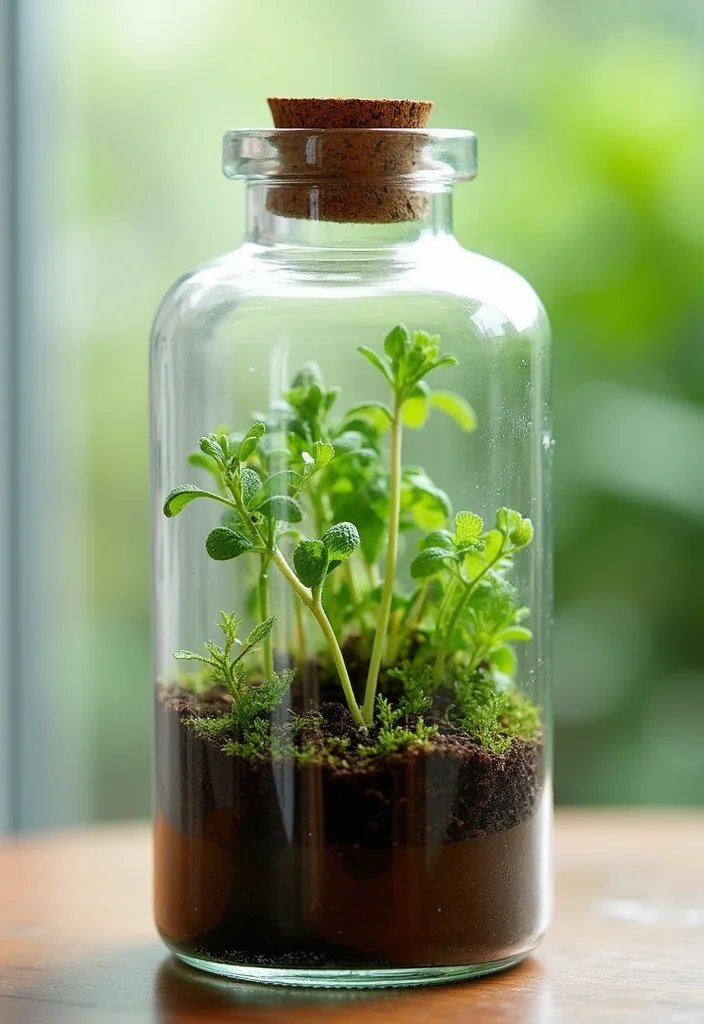
If you’re short on space, a garden in a bottle is a fun and innovative way to grow vegetables indoors. This mini-garden uses glass containers to create a self-sustaining ecosystem, ideal for small herbs or leafy greens. The closed environment helps retain moisture, reducing the need for frequent watering.
Start by selecting a large glass jar with a wide mouth for easy planting. Layer gravel or rocks at the bottom for drainage, then add soil and your chosen seeds. This charming design not only beautifies your space but also allows you to enjoy gardening in the smallest of areas.
• Choose small, fast-growing vegetables like salad greens.
• Place your bottle garden in a bright spot with indirect sunlight.
• Monitor condensation and adjust the lid for airflow.
• Use colorful stones or decorations for visual interest.
This creative approach allows you to enjoy gardening indoors, adding a touch of green to your home.
10. Edible Landscape Design
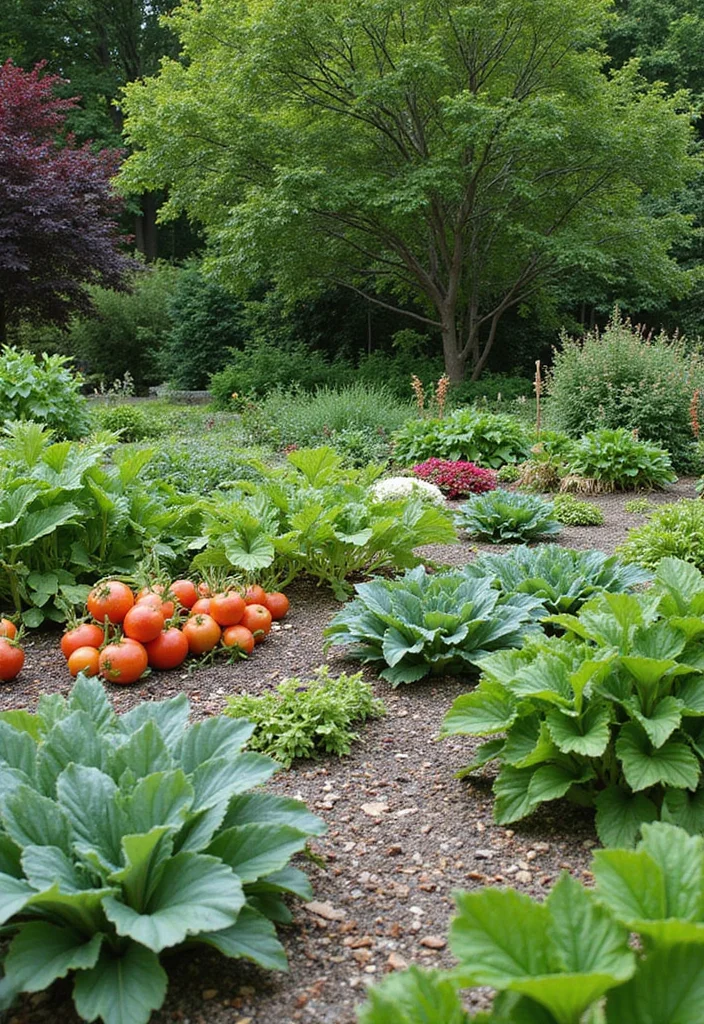
Transforming your landscape into an edible garden is a beautiful and practical choice. This design integrates vegetables, fruits, and herbs into your existing landscaping, adding both beauty and productivity to your outdoor space. You might include fruit trees as focal points, surrounded by edible flowers like nasturtiums.
When designing, assess your landscape and plan around current features to ensure plants receive the right amount of sunlight and water. Group plants by their needs for ease of maintenance. This design not only creates a stunning garden but also allows you to enjoy fresh produce right from your yard.
• Plan for seasonal changes to keep your garden interesting.
• Use edible flowers for color and to attract pollinators.
• Group plants based on sunlight and water needs.
• Add pathways for easy access and enjoyment.
This approach combines beauty with productivity, enriching your outdoor space.
11. No-Dig Garden
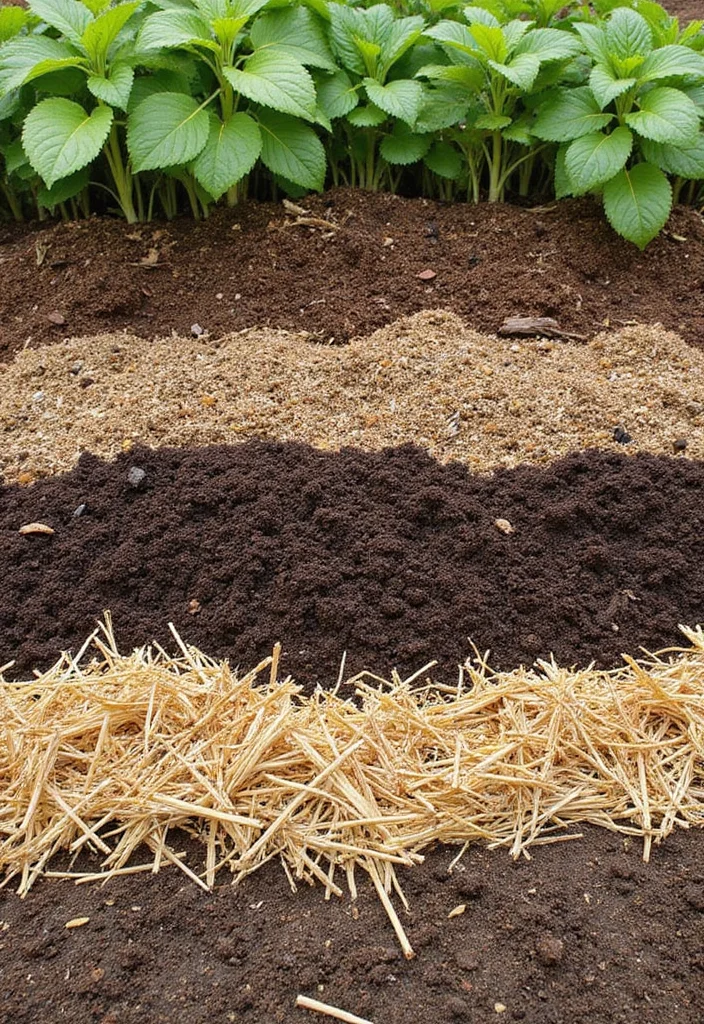
The no-dig garden method is perfect for anyone who wants to garden without strenuous labor. This approach enhances soil health and reduces weeds by layering organic materials directly on top of the ground. You simply pile compost, straw, and other organic matter, allowing it to break down into rich soil.
This method is especially effective for creating raised beds without the hard work of digging. Over time, your soil will improve, creating a thriving environment for vegetables. Start with a cardboard base to suppress weeds and add layers gradually.
• Keep adding organic materials to build healthy soil.
• Consider planting directly into the layers as they decompose.
• Monitor moisture levels to ensure plants thrive.
• Use a mix of materials for balanced nutrients.
This easy and sustainable approach lets you grow delicious vegetables while nurturing your soil.
12. Pollinator-Friendly Garden
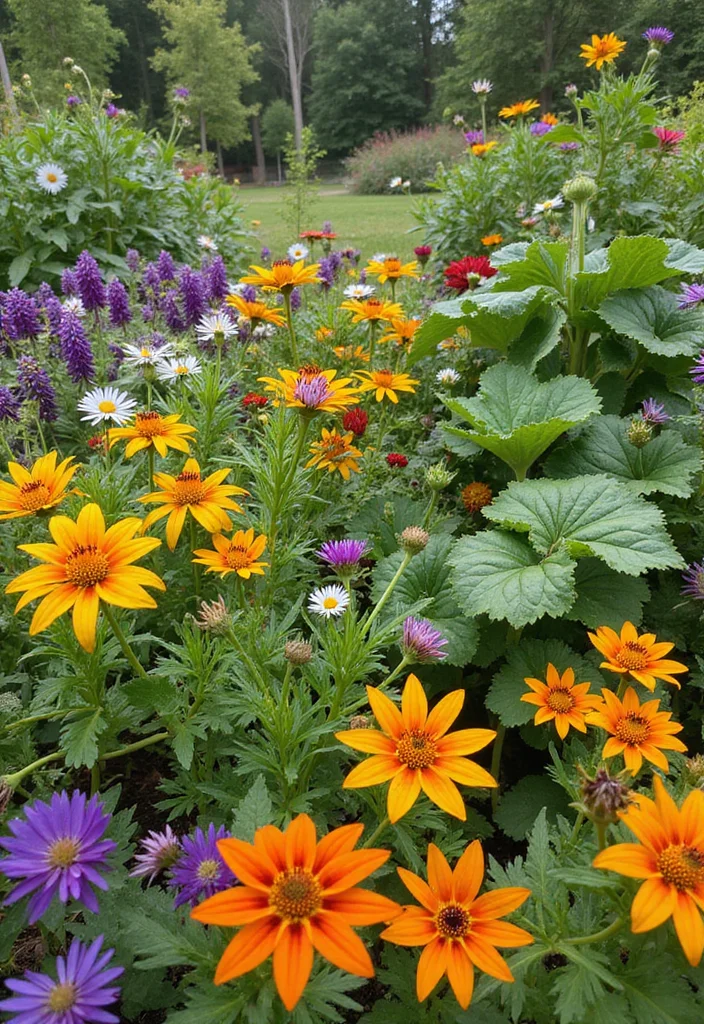
Creating a pollinator-friendly garden sustains local ecosystems and boosts your vegetable garden’s productivity. By adding flowers that attract bees, butterflies, and other pollinators, you improve the pollination of your plants. Consider including native wildflowers alongside your vegetables to provide food sources for these creatures.
Design your garden by mixing flowering plants throughout your vegetable beds, encouraging beneficial insects to visit. This not only enhances pollination but also creates a vibrant garden. Avoid using harmful pesticides that could harm your pollinators.
• Plant in clusters to make it easier for pollinators to find food.
• Provide a shallow water source for thirsty pollinators.
• Use native plants for better adaptation.
• Monitor flower blooms to ensure a continuous supply.
This approach not only supports pollinators but also leads to a thriving vegetable garden for your enjoyment.
13. Wildlife-Friendly Garden

Creating a wildlife-friendly garden adds beauty and balance to your vegetable growing space. By incorporating elements that attract birds, beneficial insects, and other wildlife, you build an ecosystem that naturally controls pests. Consider adding native plants, shrubs, and trees to provide shelter and food for local wildlife.
A water feature, like a birdbath, can attract wildlife while helping with pest management. This design encourages a healthy relationship between your garden and nature. Avoid chemical fertilizers and pesticides to protect the wildlife that visits your garden.
• Use natural pest deterrents like ladybugs.
• Create diverse plantings to cater to various wildlife needs.
• Monitor your garden to encourage sustainable practices.
• Incorporate features that provide food and shelter.
This approach fosters a lively garden that thrives with the help of nature.
14. Succession Planting Layout
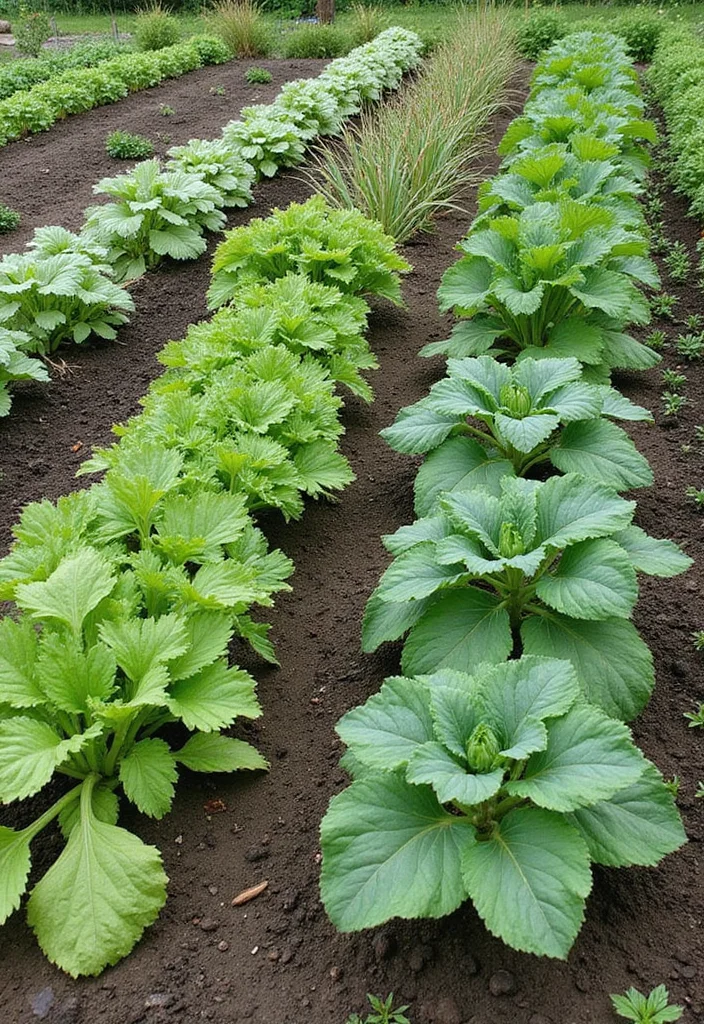
Succession planting is a smart way to maximize your vegetable harvest throughout the growing season. This method involves planting crops at intervals to ensure a continuous supply of fresh produce. For example, you might plant quick-growing radishes and lettuce first, then follow with slower-growing crops like tomatoes.
Planning your layout based on your region’s growing season will help you get the most out of your space. Keeping a planting calendar can track what and when to plant. This strategy keeps your kitchen stocked with fresh vegetables all season long.
• Rotate crops to avoid pest issues.
• Mix varieties for staggered harvests.
• Keep records of planting schedules for future reference.
• Plan for seasonal changes in your garden.
This approach enables your garden to produce fresh vegetables from spring through fall, making your meals vibrant and nutritious.
15. Community Garden Design
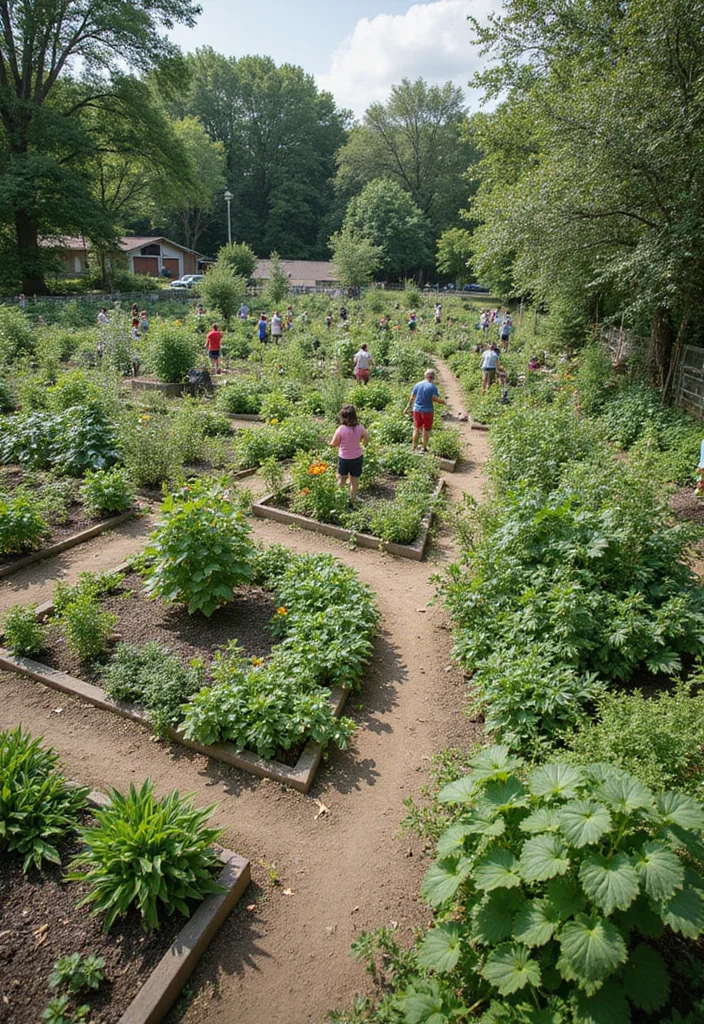
A community garden is a wonderful way to bring neighbors together while growing fresh produce. These gardens create a sense of belonging as people work together on planting, maintaining, and harvesting. When designing a community garden, include shared spaces for relaxation along with individual plots for personal gardening.
Paths between plots ensure easy access and encourage interaction among gardeners. Consider communal areas for gatherings or workshops, enhancing the community’s gardening skills. Establishing clear guidelines for plot management will help everyone enjoy the space.
• Organize social events to strengthen community bonds.
• Share tools and resources to foster collaboration.
• Create a planting schedule to keep the garden organized.
• Encourage shared responsibilities for garden maintenance.
This layout nurtures not just plants but also relationships, allowing everyone to enjoy the fruits of their labor together.
16. Urban Garden Design

Urban gardening brings greenery to city life, making it both beautiful and functional. This design often incorporates raised beds, containers, or vertical structures to utilize limited space. You can transform balconies, rooftops, or alleyways into vibrant green spaces, adding life to concrete surroundings.
Start by assessing your urban area to see where plants will thrive based on light conditions. Adding elements like drip irrigation helps manage water efficiently in busy urban settings. Choosing compact plant varieties that flourish in small spaces will ensure success.
• Use vertical gardening techniques to maximize your growing area.
• Incorporate drought-resistant plants to save water.
• Group plants based on their light and water needs.
• Utilize every corner of your space to grow food.
This approach enriches urban life with fresh produce and a sense of community.
17. Winter Vegetable Garden
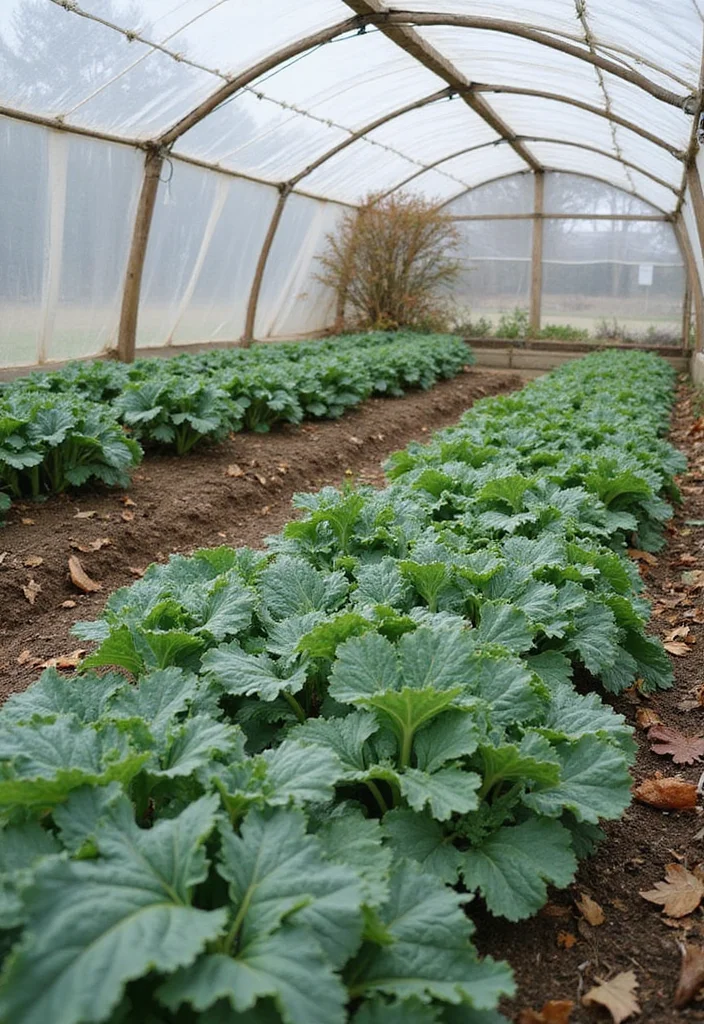
Gardening doesn’t stop in the winter! A winter vegetable garden is a great way to enjoy fresh produce all year round. This design focuses on planting cold-hardy vegetables that thrive in lower temperatures, like kale and carrots. Using row covers or cold frames can protect your plants from harsh weather, extending your growing season.
When planning your winter garden, consider raised beds to keep soil warmer and improve drainage. Selecting winter-hardy varieties suited to your climate will ensure success. This approach encourages you to keep gardening even in colder months.
• Mulch to protect plant roots and retain heat.
• Water less frequently, but ensure they don’t dry out.
• Plan ahead to prepare your garden before winter.
• Research local varieties to maximize success.
This method allows you to enjoy homegrown vegetables in winter, keeping your gardening spirit alive.
18. Forest Garden Design
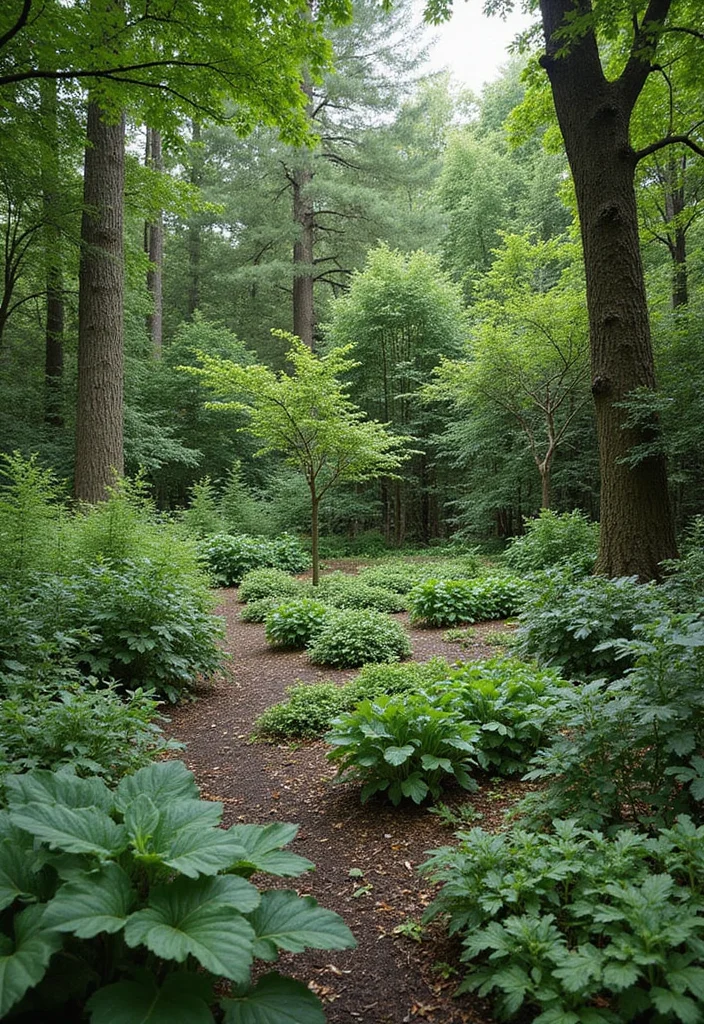
A forest garden design mimics the natural layers of a woodland ecosystem, combining trees, shrubs, and vegetables. This approach allows you to grow food while promoting biodiversity. Your design will include fruit and nut trees at the top, with understory shrubs and ground cover plants below, creating a diverse environment.
Establishing a forest garden requires thoughtful planning regarding sunlight needs and spacing of each layer. This resilient layout produces food while enhancing your landscape’s beauty and contributing to a healthier environment. Choosing native plants supports local wildlife and creates a balanced ecosystem.
• Allow natural growth cycles without heavy interference.
• Incorporate paths for easy access to different layers.
• Plan for diverse plantings to support various wildlife.
• Monitor growth to ensure a thriving ecosystem.
This design not only provides food but also enriches your outdoor space sustainably.
Conclusion
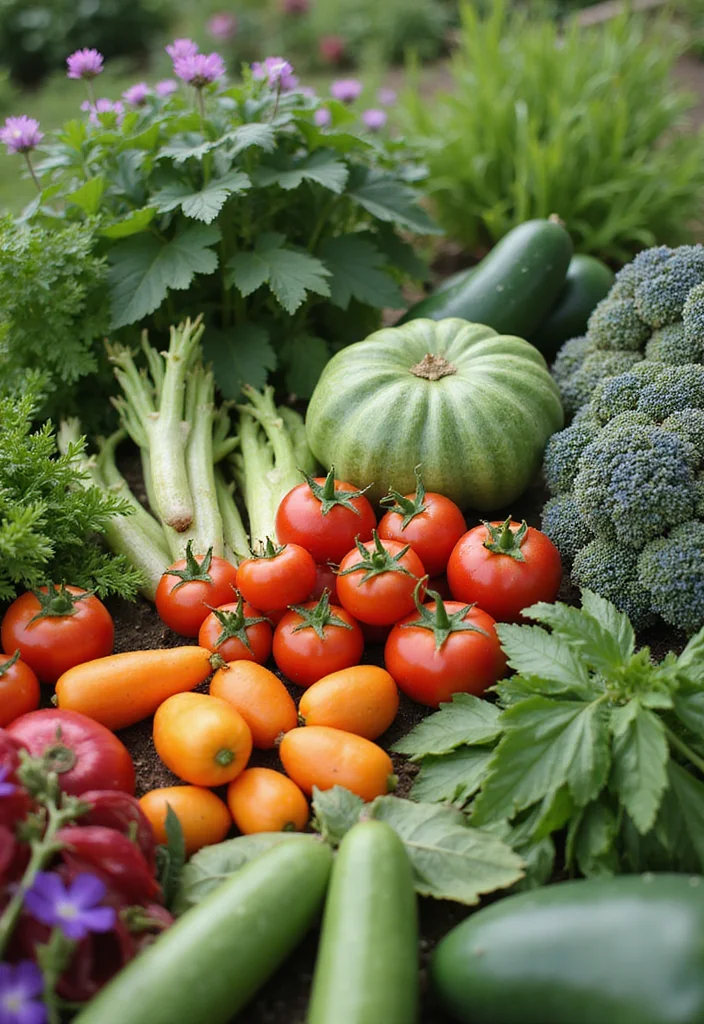
Creating a productive vegetable garden is a fulfilling experience that invites you to explore creativity and sustainability.
With these 18 easy-grow layout inspirations, you have the tools to design a garden that not only nourishes but also brings beauty to your space.
Embrace the journey of gardening, and don’t hesitate to experiment as you grow. Remember, the best garden is one that reflects your personal style and needs.
Frequently Asked Questions
What Are the Best Layout Ideas for an In Ground Vegetable Garden?
When designing your in-ground vegetable garden, consider layouts that maximize space and sunlight. Popular ideas include the square foot gardening method, which divides your garden into small sections for efficient planting, and companion planting, where you group plants that benefit each other. These layouts not only boost productivity but also create a visually appealing garden landscape!
How Do I Start a Raised Bed Vegetable Garden?
Starting a raised bed vegetable garden is easier than you might think! First, choose a sunny spot in your yard. Then, build or buy a raised bed frame using untreated wood or other materials. Fill it with a mix of topsoil, compost, and organic matter to create a nutrient-rich environment. Finally, select your favorite veggies and plant them according to their spacing and sunlight needs for optimal growth!
What Are Some Organic Gardening Tips for Beginners?
Embracing organic gardening is a fantastic choice! Start by choosing heirloom seeds and utilizing organic fertilizers like compost or manure. Keep pests at bay naturally by introducing beneficial insects or using companion planting strategies. Lastly, practice crop rotation each season to maintain soil health and prevent disease. You’ll be amazed at how vibrant your garden can be with these simple tips!
What Is Companion Planting and How Does It Work?
Companion planting is a gardening technique where certain plants are grown together to enhance growth, deter pests, and improve flavor. For instance, planting marigolds alongside tomatoes can help repel harmful insects. This natural synergy creates a healthier garden ecosystem, leading to more productive yields. Be sure to research which plants work best together for your specific garden layout!
How Can I Design a Vegetable Garden That Looks Great?
Designing a vegetable garden that is both functional and attractive is all about planning! Use raised beds for a neat appearance, and incorporate pathways for easy access. Consider adding colorful flowers or herbs as borders to enhance visual appeal. Also, think about vertical gardening techniques, like trellises for climbing plants, to add height and interest to your layout. Your garden can be a beautiful centerpiece in your landscape!