

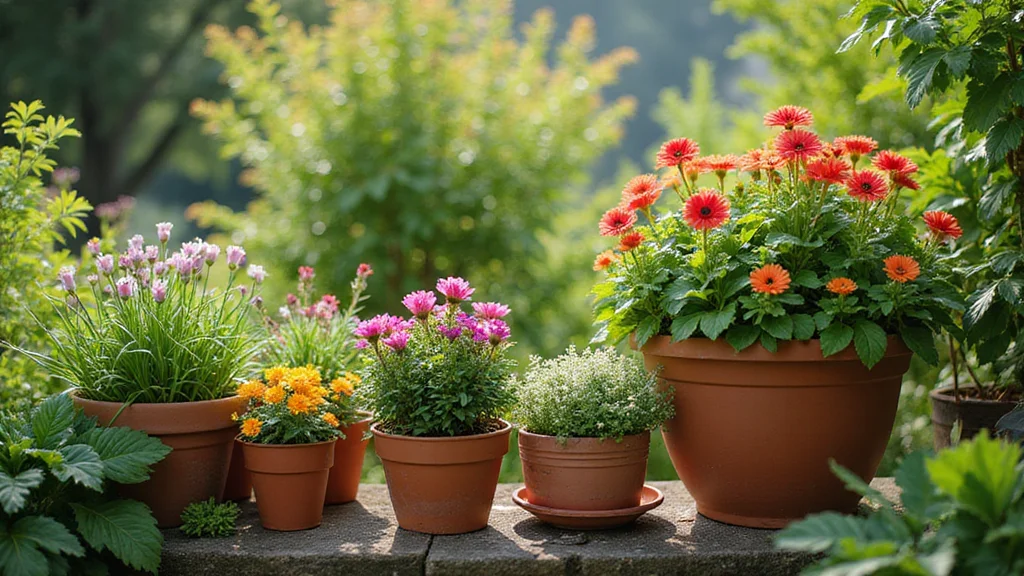
Are you ready to dig into the world of gardening? If you’ve ever felt overwhelmed by the thought of starting your own garden, you’re not alone. That’s why I created this guide to help beginners like you explore simple and creative garden design ideas that won’t take up too much space or time.
This post is perfect for anyone looking to add a touch of greenery to their lives, especially if you’re working with a small space or wondering how to make container gardening work for you. Whether you’re a busy city dweller or just someone with a little balcony, this guide will provide you with inspiration that fits your lifestyle.
Inside, you’ll find 17 unique growing inspirations that make gardening accessible and enjoyable. Each idea is carefully selected to help you develop a beautiful garden layout, whether it’s a patio vegetable garden, a mini herb garden, or even hanging planters for that charming touch. You’ll also get practical planting tips to ensure your plants thrive, along with innovative DIY gardening projects that spark creativity. Plus, we’ll share ideas for flower garden designs that brighten up any space and useful vegetable garden tips for those who want to grow their own food.
So grab your gardening gloves, and let’s explore these beginner-friendly designs that will inspire you to create your own little oasis, no matter how small your space may be!
Key Takeaways
– Discover 17 beginner-friendly garden ideas perfect for small spaces and container gardening.
– Learn how to create a patio vegetable garden that maximizes productivity in limited areas.
– Explore the charm of hanging planters and their ability to add vertical interest to your garden.
– Get practical planting tips that ensure your plants flourish, regardless of your experience level.
– Uncover creative DIY projects to personalize your garden while keeping it fun and engaging.
1. Vertical Garden Wonders
Create a lush vertical garden to turn your walls into a green paradise! This design brings beauty and life to small spaces using wall planters or hanging pots. Imagine vibrant herbs or cascading flowers climbing up your wall, adding a fresh look that’s trending on platforms like Pinterest. You can choose colorful succulents or aromatic herbs to bring both style and functionality to your home.
To set up your vertical garden, consider using sturdy frames that can support your plants. For easy watering, a drip irrigation system works wonders. You can even use lightweight potting soil to keep things manageable. This design not only saves space but also adds a unique charm, making your home feel inviting and vibrant, perfect for relaxing or entertaining guests!
• Use sturdy frames to support your plants.
• Incorporate a drip irrigation system for convenience.
• Choose lightweight potting soil to reduce weight.
• Explore repurposed items for a DIY touch.
With these ideas, you can create a stunning vertical garden that transforms your space into a refreshing retreat!
2. Patio Vegetable Garden
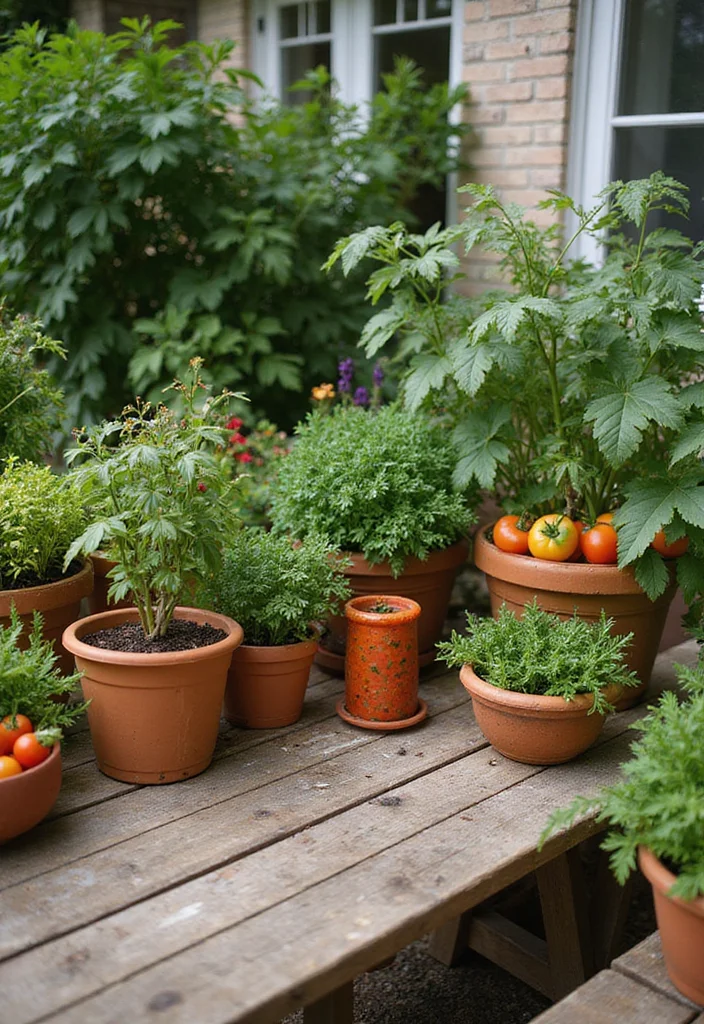
Picture enjoying fresh vegetables right from your patio! A container vegetable garden is ideal for small spaces, allowing you to grow your favorite veggies in style. Use large pots or decorative buckets filled with soil to grow delicious tomatoes or bell peppers. This trendy gardening method not only saves space but also provides fresh produce, making it a rewarding experience.
When starting your vegetable garden, select compact varieties, like dwarf tomatoes or mini peppers, to fit your containers. Grouping pots together can create a cozy, farm-to-table vibe. Don’t forget to add gravel at the bottom of your pots for proper drainage. This way, you create a lively and practical space perfect for cooking and enjoying the fruits of your labor!
• Choose compact vegetable varieties for space-saving.
• Group pots together for a cozy look.
• Ensure good drainage with gravel at the bottom.
• Add herbs for flavor and aroma.
By growing your own vegetables, you create a vibrant garden that enhances both your meals and your outdoor space!
3. Hanging Planters for Charm
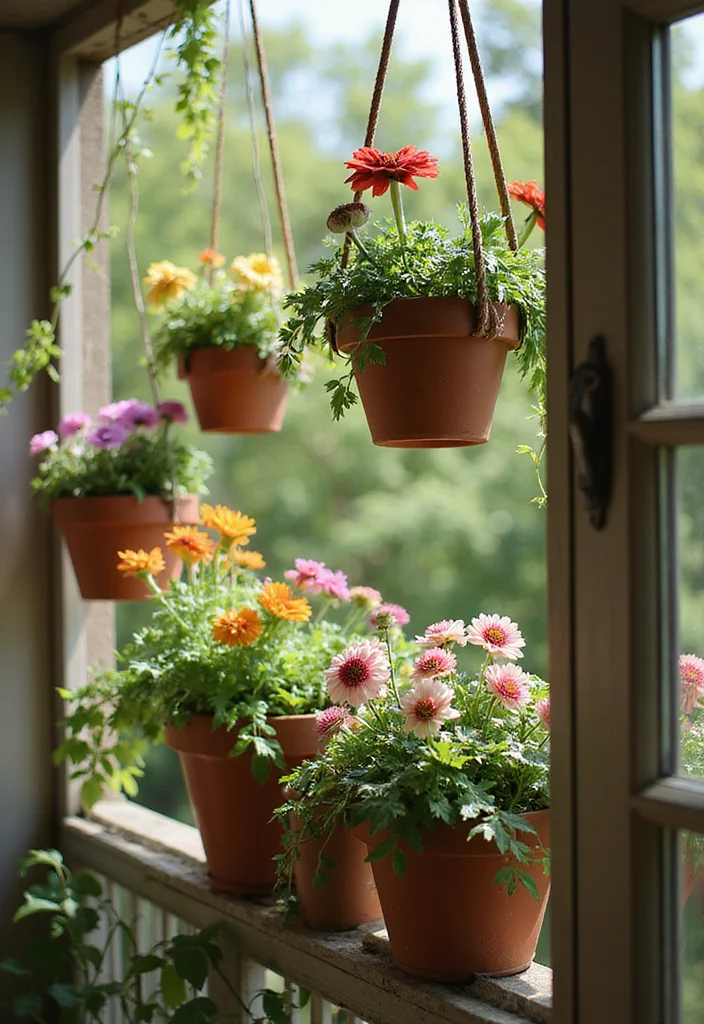
Add a touch of charm to your garden with hanging planters! These versatile containers can be hung from ceilings, railings, or trees, showcasing beautiful flowers or trailing plants like ivy. The cascading effect of these plants creates a stunning visual, bringing depth and color to your space, as seen in many garden blogs.
To get started, mix and match different pot sizes and shapes to create interest. Consider using macrame hangers for a trendy bohemian vibe. Make sure each planter has proper drainage to keep your plants healthy. This design not only elevates your garden but also makes it feel lush and inviting, perfect for relaxing on a sunny day!
• Mix different pot sizes for visual interest.
• Use macrame hangers for a bohemian touch.
• Ensure proper drainage for healthy plants.
• Choose trailing plants for a cascading effect.
With hanging planters, you can create a colorful garden that draws the eye and enhances your outdoor experience!
4. Repurposed Containers for a Rustic Touch
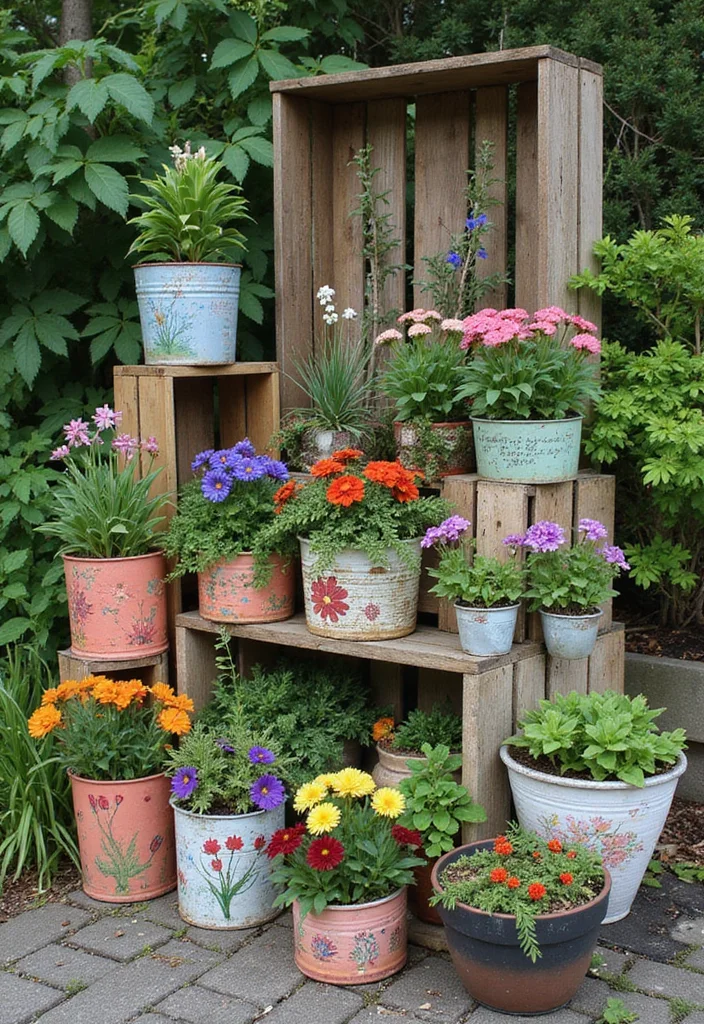
Got old buckets, crates, or tin cans? Repurpose them as charming plant containers! This creative approach saves money and adds a rustic, personal feel to your garden. Using found items allows you to express your style while also being environmentally friendly, as seen in many DIY projects online.
To get started, paint old cans for an eye-catching look or use wooden crates for larger plants like zucchini. You can also decorate with twine or lace for a vintage vibe. This technique not only sparks creativity but also tells your gardening story, making your space truly unique and inviting!
• Paint old cans for a colorful touch.
• Use wooden crates for larger plants.
• Decorate with twine or lace for charm.
• Explore local thrift stores for hidden treasures.
By repurposing containers, you create a garden that reflects your personal style while being eco-friendly!
5. Mini Herb Garden
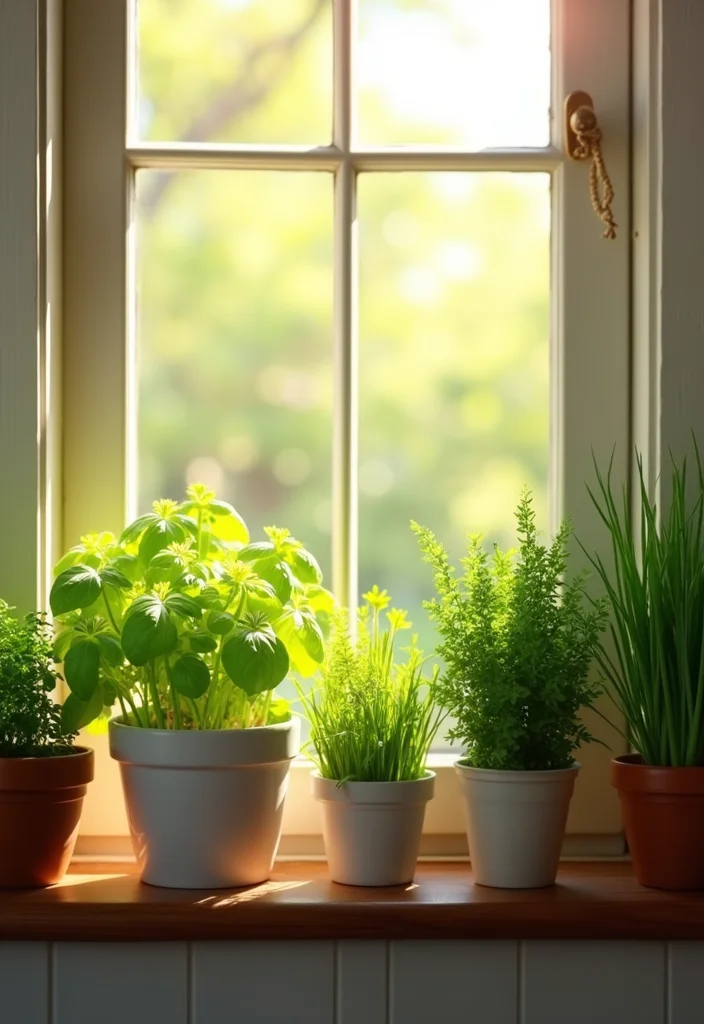
Herbs are a fantastic choice for beginners, offering easy growth and versatility. You can create a mini herb garden right on your windowsill or kitchen counter, making it easy to access fresh flavors while cooking. This practical idea keeps your kitchen lively and aromatic, perfect for enhancing your culinary creations!
For your mini herb garden, choose easy-to-grow herbs like basil, parsley, or chives. A tiered plant stand helps maximize vertical space, while regular harvesting promotes fresh growth. This setup not only looks lovely but also makes cooking more enjoyable with fresh ingredients at your fingertips!
• Choose easy-to-grow herbs for success.
• Use a tiered plant stand to save space.
• Harvest regularly for optimal freshness.
• Keep on a windowsill for sunlight access.
Creating a mini herb garden fills your home with delightful aromas and adds convenience to your cooking adventures!
6. Colorful Flower Box Designs
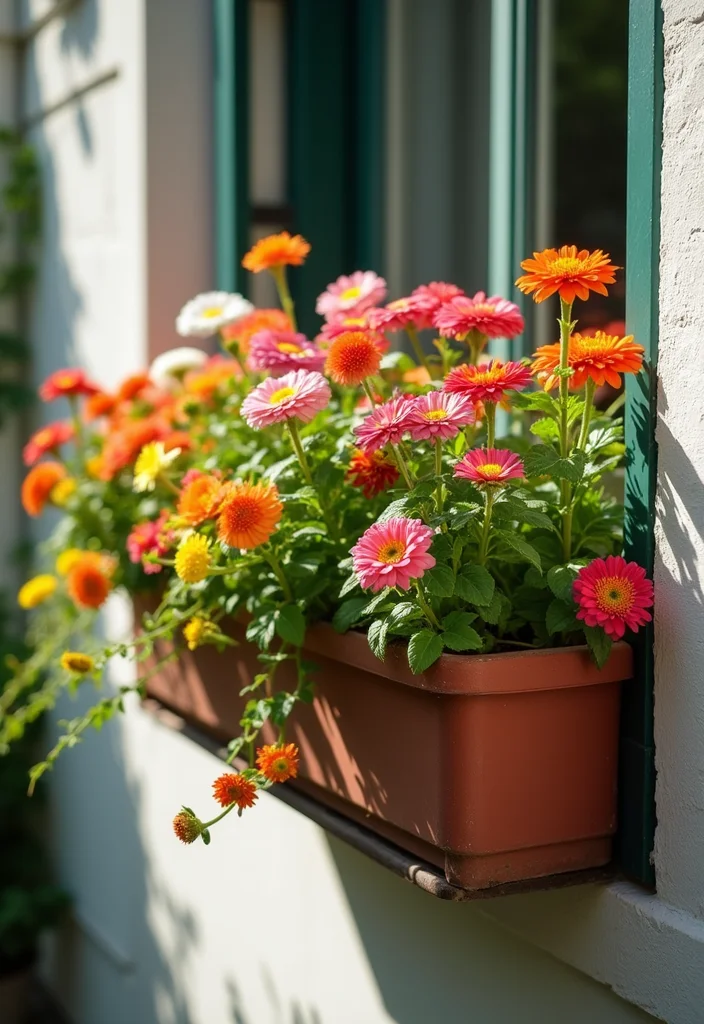
Brighten your outdoor area with colorful flower boxes! These charming containers can be placed on railings or beneath windows to create a lively display. Opt for annuals for continuous blooms or perennials for lasting beauty, making your garden a vibrant focal point in your neighborhood.
When designing your flower boxes, select a mix of colors and textures for visual appeal. Self-watering boxes can make maintenance easier, while including trailing plants adds fullness to your design. This setup not only beautifies your space but also lifts your spirits, inviting joyful conversations around your blooming garden!
• Choose a mix of colors and textures for appeal.
• Use self-watering boxes for easy care.
• Include trailing plants for fuller displays.
• Position near sunlight for optimal growth.
With colorful flower boxes, you create an inviting outdoor space that brings joy to everyone who sees it!
7. Succulent Arrangements
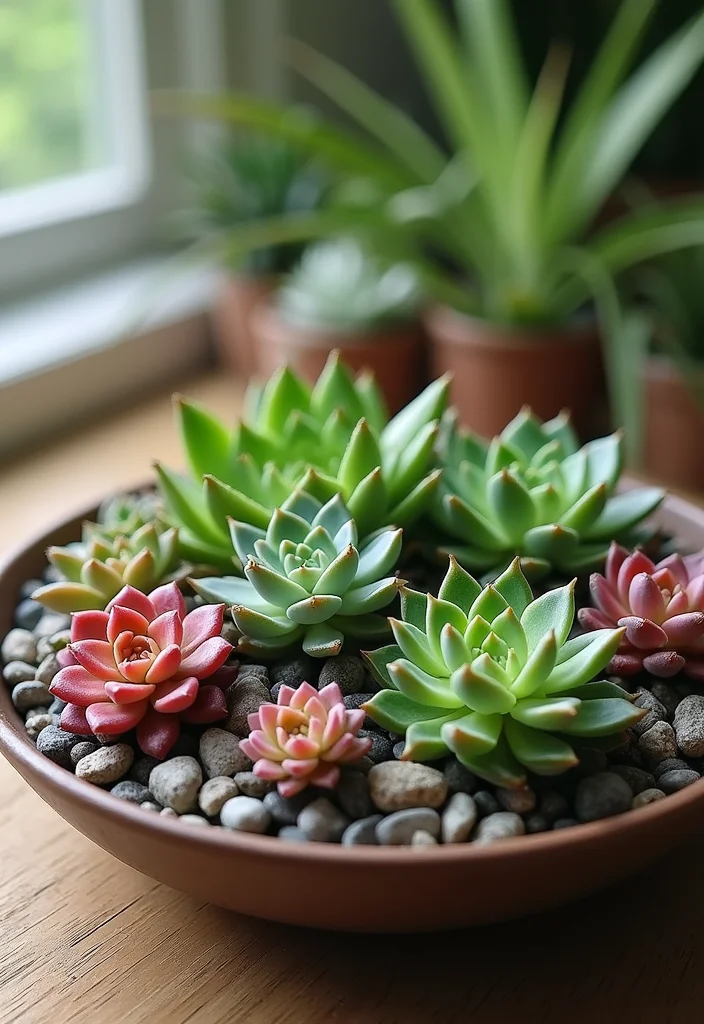
Succulents are perfect for beginners because they require little care and come in unique shapes. You can create stunning arrangements in shallow containers or terrariums, bringing a touch of green into your home. These trendy plants adapt beautifully to both indoor and outdoor settings, making them a favorite among gardeners.
To make your succulent garden, mix different varieties for interesting textures and colors. Use sand or gravel in the bottom for good drainage, and add decorative stones for a polished look. This setup not only beautifies your space but also teaches you about each plant’s needs, making gardening a fun and rewarding experience!
• Mix different succulent varieties for texture.
• Use sand or gravel for drainage.
• Add decorative stones for a polished finish.
• Place in bright areas for optimal growth.
With succulent arrangements, you can enjoy a vibrant, low-maintenance garden that enhances your home’s aesthetic!
8. Tiered Garden Stands
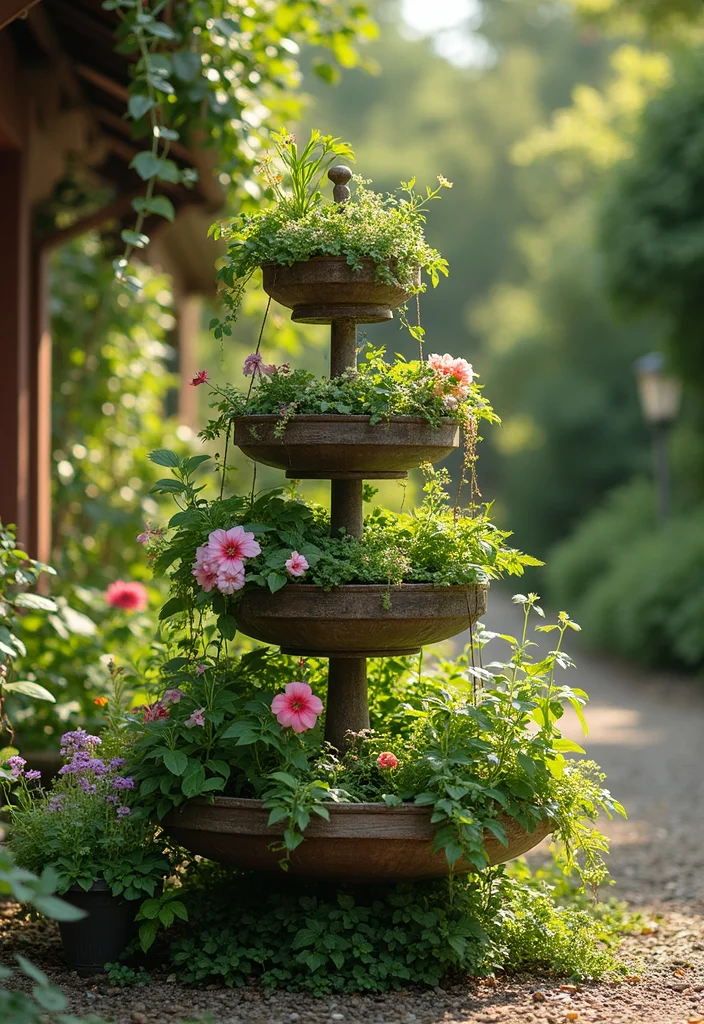
Maximize your gardening space with tiered garden stands! These structures allow you to display a variety of plants compactly. Not only do they save ground space, but they also create a stunning visual effect, making your garden a center of attraction.
When choosing a tiered stand, look for weather-resistant materials that can withstand the elements. Opt for designs with varying heights to create an eye-catching display. Position your stand in an area that gets plenty of sunlight for the best results. This approach turns your plant display into a beautiful focal point that brings joy and tranquility to your outdoor area!
• Choose weather-resistant materials for durability.
• Select stands with varying heights for interest.
• Position in an area with ample sunlight.
• Decorate with colorful plants for eye-catching appeal.
With tiered garden stands, you can create a visually stunning garden that serves as a peaceful retreat!
9. Balcony Garden Oasis
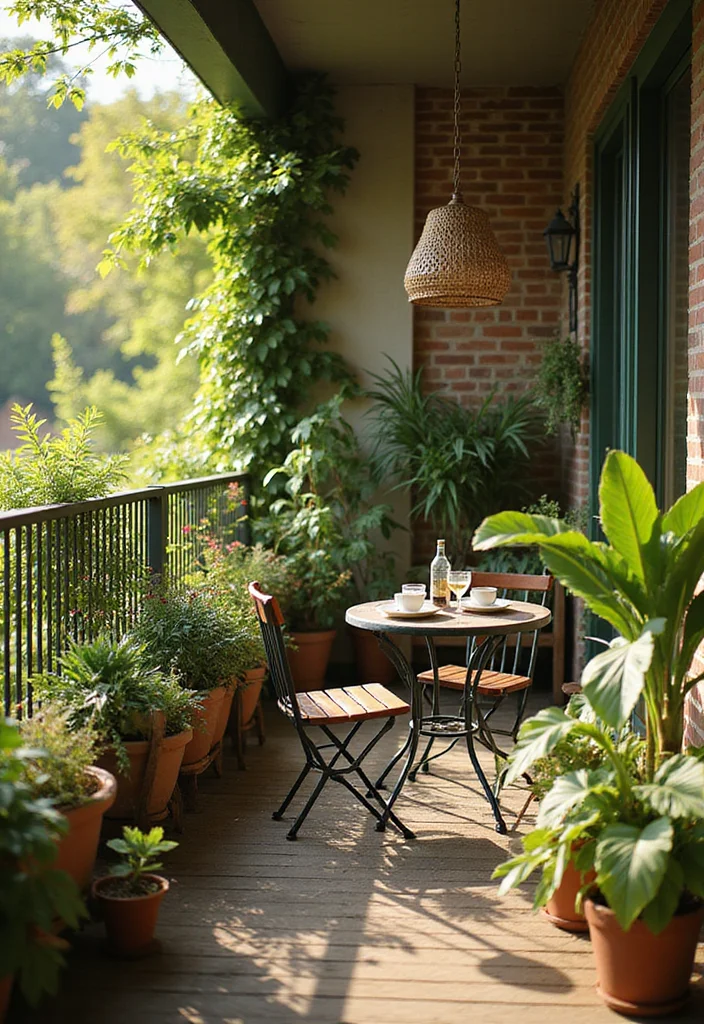
Transform your balcony into a mini oasis! Use a variety of containers filled with plants to make your small space serene and inviting. You can even add seating to create a cozy environment where you can relax and enjoy the fresh air.
For your balcony garden, choose lightweight pots if you have weight restrictions. A small bistro table can add charm, while tall grasses or climbing vines provide privacy. This is your chance to create a beautiful outdoor escape right at home, giving you a peaceful retreat amid the hustle and bustle of life!
• Select lightweight pots for easy handling.
• Add a small bistro table for coziness.
• Choose privacy plants for seclusion.
• Arrange seating for relaxation on your balcony.
With these ideas, your balcony can become a delightful escape filled with greenery and relaxation!
10. DIY Garden Trellis
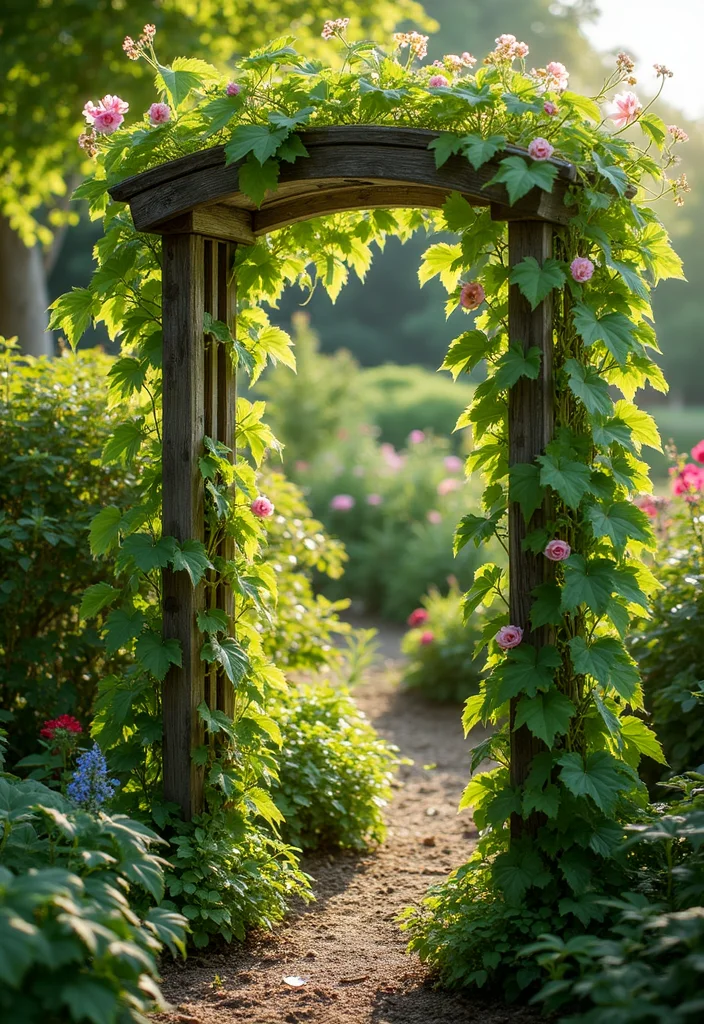
Build a DIY trellis to support your climbing plants! This functional structure enhances your garden’s beauty while providing a sturdy support for peas, beans, or blooming vines. It adds height and interest to your design.
For your trellis, you can use materials like bamboo stakes or repurposed wood. Painting it in a color that complements your plants can bring extra charm. Make sure to secure it well for stability. This can become a focal point of your garden, creating a beautiful frame for your plants as they grow!
• Use bamboo stakes or repurposed wood for materials.
• Paint in a complementary color for charm.
• Secure firmly for stability.
• Position wisely for sunlight access.
With a DIY trellis, you can enhance your garden’s beauty while supporting your plants!
11. Container Gardening with Edibles
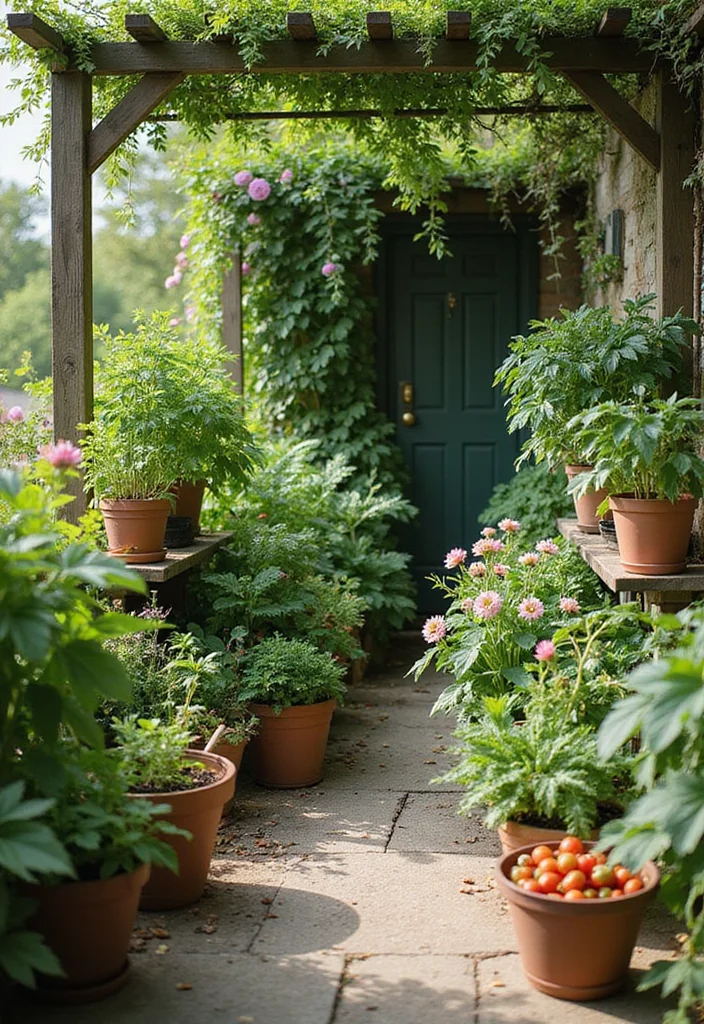
Container gardening isn’t just for flowers! You can grow your own food right in your small space. From strawberries to radishes, many edibles thrive in containers, giving you fresh produce at your fingertips.
For your edible garden, consider plants like strawberries or cherry tomatoes that do well in pots. Use deep containers for root vegetables like carrots. Companion planting can help deter pests and boost growth. This approach makes gardening rewarding and satisfying, allowing you to enjoy the fruits of your labor in your meals!
• Grow strawberries and tomatoes in pots.
• Use deep containers for root vegetables.
• Try companion planting for pest control.
• Keep plants well-watered for success.
By growing edibles in containers, you create a practical and enjoyable garden experience!
12. Window Box Gardens
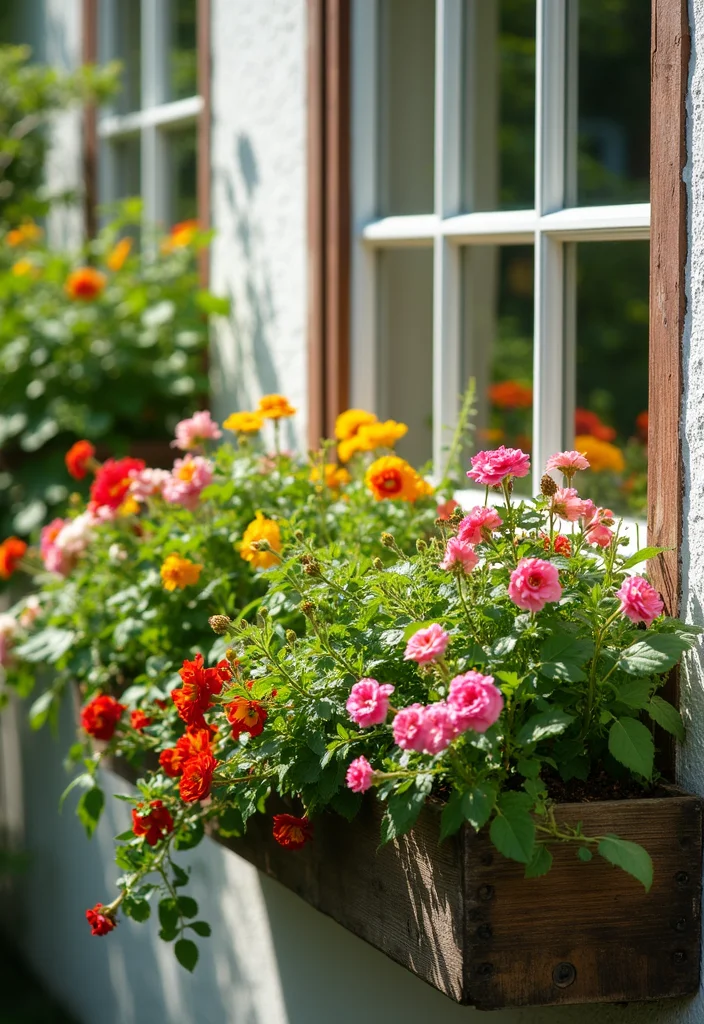
Window boxes are a charming way to showcase your gardening skills! These containers can be filled with a variety of flowers, herbs, or even small vegetables, brightening your home’s exterior and providing a lovely view from inside.
When designing your window box, mix flowers and herbs for beauty and functionality. Make sure to include drainage holes to prevent overwatering. Consider seasonal changes to ensure continuous blooms. This simple addition enhances your curb appeal while offering a rewarding gardening experience right outside your window!
• Mix flowers and herbs for appeal.
• Include drainage holes to avoid water issues.
• Plan for seasonal changes in planting.
• Position where it gets ample sunlight.
With window box gardens, you can bring beauty and joy to your home’s exterior!
13. Garden Lanterns for Mood

Add charm to your small garden with beautiful lanterns! These can create a cozy ambiance for evening enjoyment, making your outdoor space feel magical. You can hang them from hooks, place them on tables, or scatter them around your garden containers.
When choosing lanterns, opt for solar-powered lights that are eco-friendly. Mixing different styles and heights can create visual interest. You might even use string lights around your planter boxes for added charm. The warm glow of lights transforms your garden into a delightful space, perfect for relaxing evenings with family and friends!
• Choose solar-powered lights for eco-friendliness.
• Mix different styles and heights for interest.
• Use string lights around planters for charm.
• Position lanterns where they can shine bright.
With garden lanterns, you create a magical atmosphere that enhances your outdoor experience!
14. Seasonal Planting Schedule
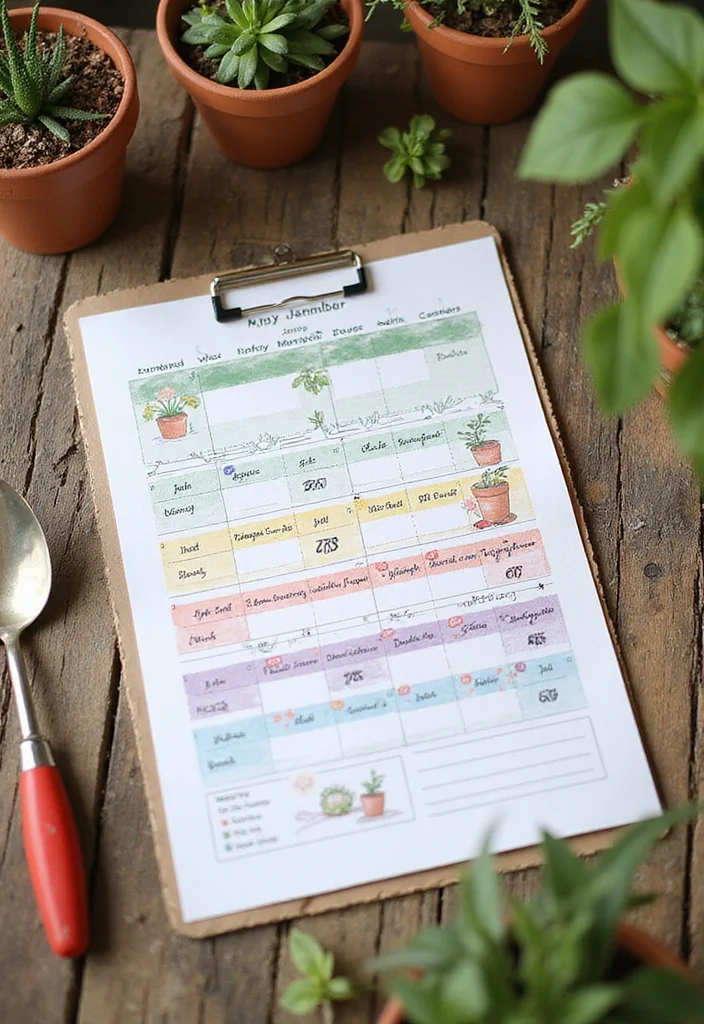
Creating a seasonal planting schedule can help you make the most of your small garden. This ensures you’re planting crops and flowers at the right times for optimal growth and health. Planning can make gardening feel like an organized adventure rather than a chore!
Be sure to research the best planting times for each type of plant. Crop rotation helps maintain soil nutrients, while succession planting extends your harvest. A well-planned schedule means you can enjoy continuous blooms and fresh produce throughout the year!
• Research planting times for each type.
• Rotate crops to keep soil healthy.
• Plan for succession planting for extended harvest.
• Keep a calendar for tracking your planting.
With a seasonal planting schedule, you’ll enjoy a thriving garden all year round!
15. Easy Watering Solutions
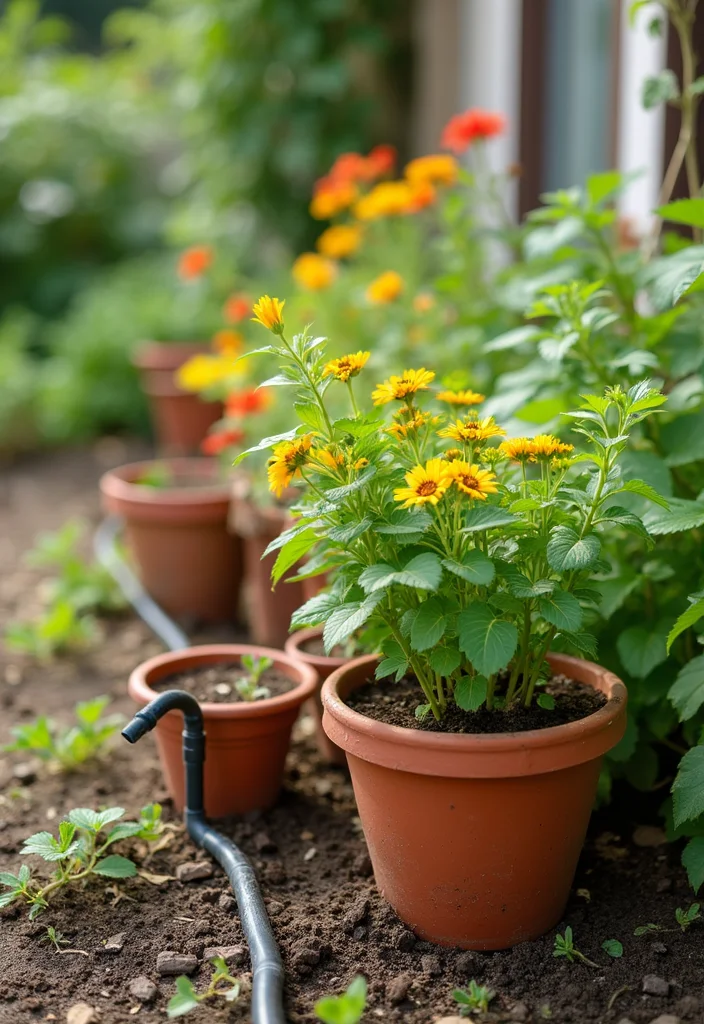
Keeping your plants hydrated is essential for a thriving garden. Consider easy watering solutions like self-watering pots or drip irrigation systems to minimize maintenance time. This allows you to enjoy your garden without the stress of constant watering!
To make watering easier, group your containers together. Using mulch can help hold moisture in the soil, while deep, infrequent watering encourages strong root growth. This approach saves you time and resources while ensuring your plants get the hydration they need to flourish.
• Group containers for easier watering.
• Use mulch to retain moisture in soil.
• Water deeply and infrequently for strong roots.
• Consider self-watering pots for convenience.
With easy watering solutions, you can focus on enjoying your beautiful garden rather than worrying about maintenance!
16. Garden Journaling
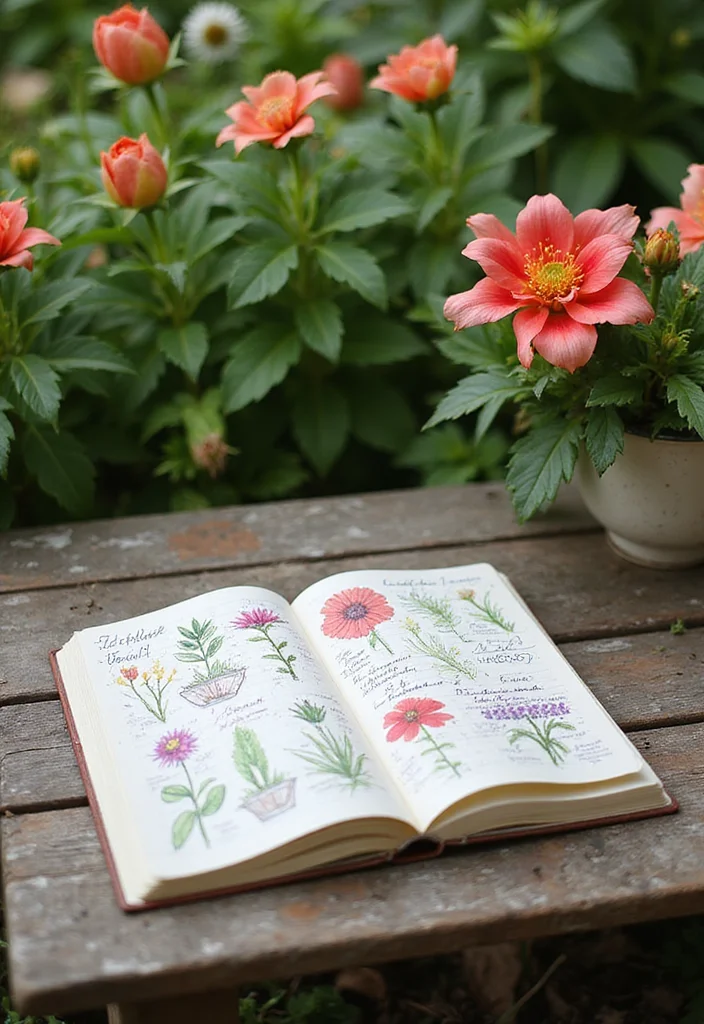
Start a garden journal to track your planting journey! Writing down your experiences provides valuable insights for future gardening projects. It’s a fun way to reflect on your progress and see how far you’ve come!
Include details like planting dates, plant varieties, and growth patterns. Note any challenges you face and seasonal changes that impact your garden. This practice not only deepens your connection with your plants but also helps improve your skills over time.
• Record planting dates and varieties.
• Note growth patterns and challenges faced.
• Document seasonal changes in your garden.
• Reflect on your experiences for personal growth.
Keeping a garden journal allows you to celebrate your successes and learn from your experiences!
17. Community Gardening
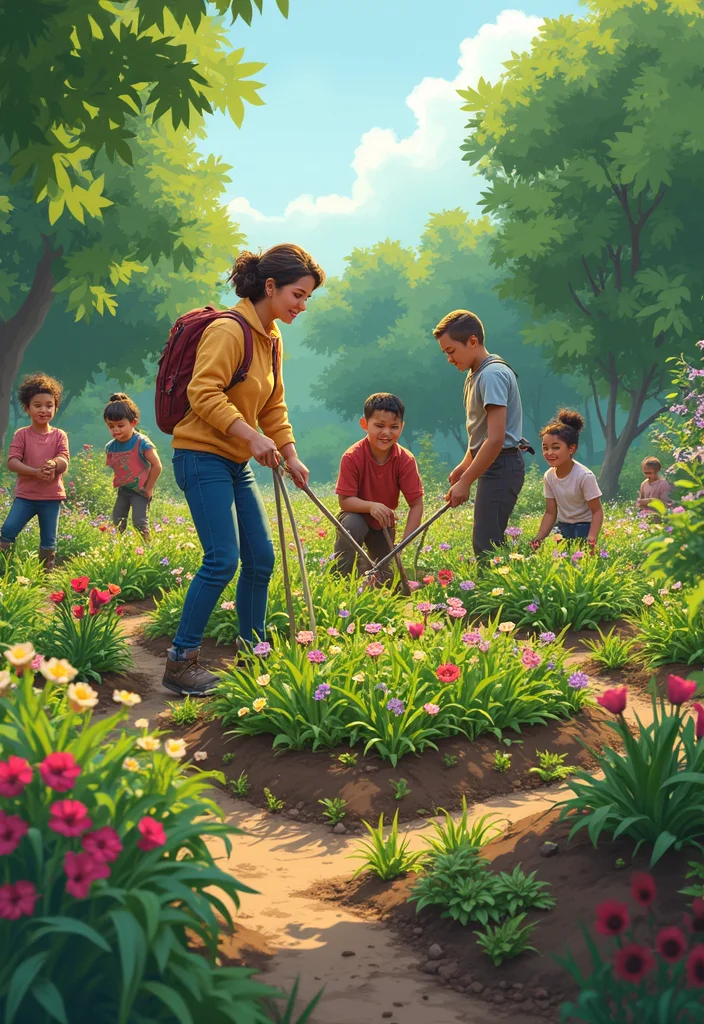
If space is tight, consider joining a community garden! These shared spaces allow you to grow your own plants while connecting with fellow gardening enthusiasts. You’ll find a supportive environment filled with shared knowledge and friendship.
Community gardening offers access to larger plots of land, opportunities to learn from experienced gardeners, and a chance to share resources. This collaborative approach not only promotes sustainable practices but also adds joy and a sense of belonging to your gardening journey.
• Join a local community garden for space.
• Learn from experienced gardeners in your area.
• Share resources and tips with fellow members.
• Build friendships around gardening activities.
Community gardening allows you to grow plants and friendships, enriching your gardening experience!
Conclusion
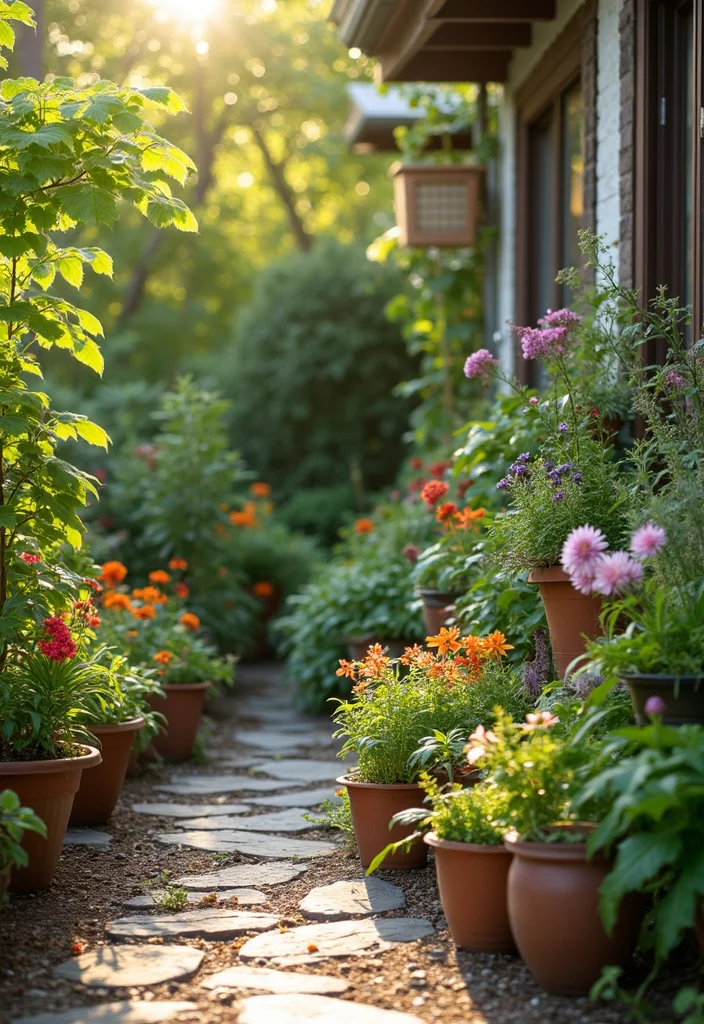
Gardening in small spaces is both rewarding and fun. With these 17 container gardening ideas, you can create a beautiful garden that reflects your style and personality, all while maximizing your available space.
Remember, gardening doesn’t have to be overwhelming; it’s about enjoying the process and celebrating the joy of watching your plants grow!
Frequently Asked Questions
What Are Some Beginner-Friendly Container Gardening Ideas for Small Spaces?
If you’re new to gardening and short on space, container gardening is a fantastic choice! You can start with herbs like basil and parsley, which are easy to grow and perfect for small pots. Consider using vertical planters or hanging baskets to maximize your space while adding some greenery to your area.
Don’t forget to choose containers with good drainage and use quality potting soil to help your plants thrive. With just a little effort, you can create a vibrant garden even in the tiniest of spaces!
What Are Essential Planting Tips for a Successful Vegetable Garden?
Starting a vegetable garden can be super rewarding! First, pick a sunny spot where your veggies can soak up plenty of light. Next, think about companion planting, which means pairing plants that help each other grow—like tomatoes and basil!
Make sure to check the soil pH and enrich it with compost to provide nutrients. Also, remember to water consistently but avoid overwatering. Your veggie garden will flourish with these easy tips!
How Can I Design a Flower Garden That Blooms Year-Round?
Designing a flower garden that blooms year-round is all about planning! Start by selecting a mix of perennials and annuals that bloom in different seasons. For example, plant tulips and daffodils in spring, followed by summer favorites like zinnias and sunflowers.
Don’t forget to include some fall-blooming plants like asters or chrysanthemums! Layering your plants can also create depth and interest. With careful planning, you can enjoy a splash of color throughout the year!
What DIY Gardening Projects Are Great for Beginners?
There are so many fun and easy DIY gardening projects perfect for beginners! Consider making your own raised garden beds using wood or bricks, which can improve drainage and make gardening easier on your back. You can also create self-watering containers to ensure your plants stay hydrated without constant attention.
Another great project is building a simple compost bin to recycle kitchen scraps into nutrient-rich soil. These projects not only enhance your gardening experience but also make it more sustainable!
What Should I Consider When Planning My Garden Layout?
Planning your garden layout is a crucial step for a successful garden! Start by sketching a simple design on paper, considering the sun’s path and how much light each area gets. Think about the height of your plants; taller ones should go at the back (or center for circular layouts), while shorter ones can be in front.
Additionally, consider spacing for air circulation and ease of access for watering and harvesting. A well-thought-out layout can significantly impact your garden’s productivity and aesthetic appeal!