

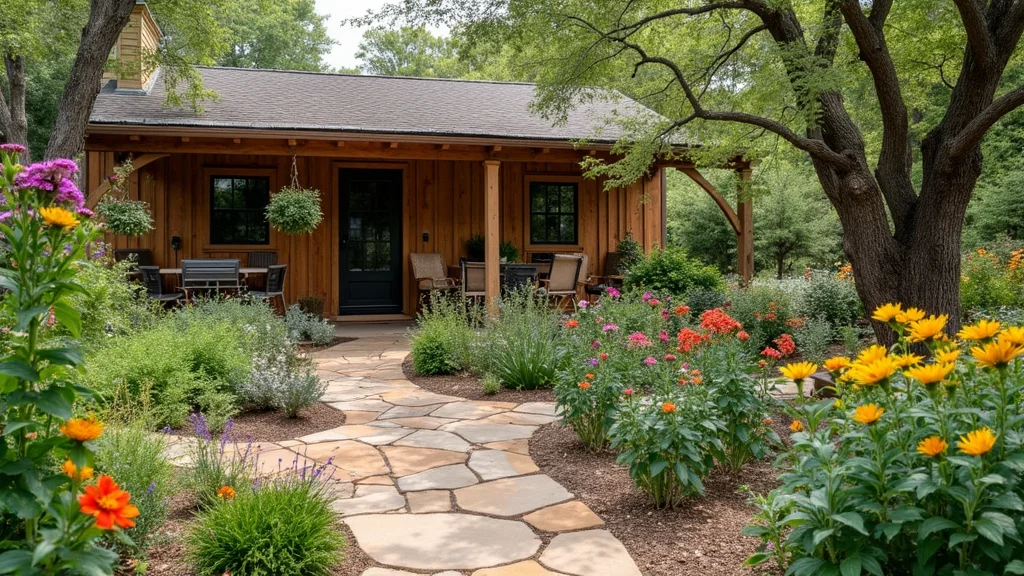
Texas is a land of beauty, with its wide-open spaces, vibrant wildflowers, and that unmistakable Southern charm. As the seasons change and the temperatures rise, many of us find ourselves yearning for a garden that not only looks good but also thrives in our unique climate. That’s why I created this guide to Texas Garden Ideas Landscape Design. It’s packed with 17 Southern-inspired concepts that will help transform your outdoor space into a lush, productive haven.
If you’re a Texas gardener looking to create a stunning yet practical garden, you’re in the right place. Whether you’re new to gardening or a seasoned pro, this post is for anyone who wants to embrace the Southern gardening style while focusing on sustainability and functionality. You’ll find tips and tricks that resonate with your desire to grow beautiful plants without excessive water use, making it perfect for our often-dry climate.
What can you expect? Each section of this guide dives into practical ideas like drought-resistant plants, innovative garden layouts, and inviting outdoor living spaces that you can truly enjoy. From raised garden beds filled with local varieties to vibrant pollinator gardens, the concepts presented here are not only doable but also designed to spark your creativity. Get ready to roll up your sleeves and dig into these dynamic ideas that will make your Texas garden a true reflection of Southern hospitality.
Let’s bring your garden vision to life with bold designs and Southern flair. Your journey to a flourishing garden begins here!
Key Takeaways
– Discover 17 Southern-inspired garden concepts that cater to Texas’ unique climate, promoting sustainability and beauty.
– Explore drought-resistant plants that thrive in Texas heat, ensuring your garden remains lush even during dry spells.
– Learn how to create inviting outdoor living spaces that enhance your enjoyment and connection with nature.
– Find innovative garden layout ideas, including raised beds and vertical gardens, perfect for maximizing small spaces.
– Get inspired to attract local wildlife through pollinator gardens, fostering a thriving ecosystem right in your backyard.
1. Raised Garden Beds with Local Varieties
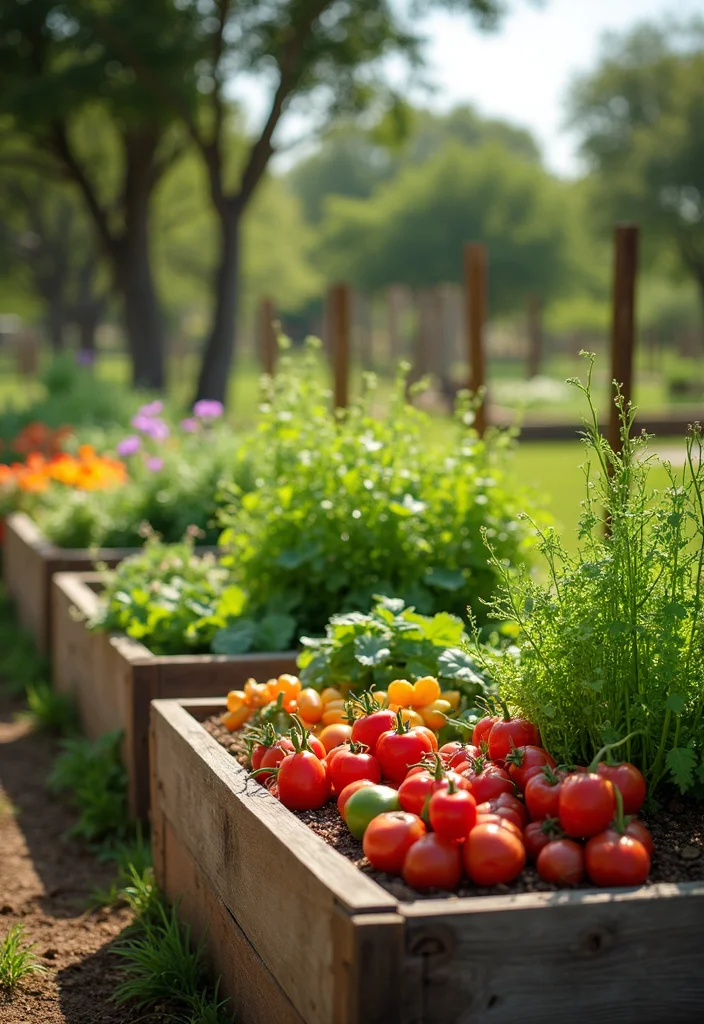
Elevate your gardening experience with raised garden beds. These beds provide a controlled environment for your plants, letting you manage soil quality and drainage. Imagine planting Bluebonnets or Black-eyed Susans to not only enhance your garden’s beauty but also attract local pollinators. This design choice is trending on platforms like Pinterest, showing how practical and beautiful gardening can be.
To create your raised beds, consider using reclaimed wood for an eco-friendly option. Position your beds to soak up at least 6-8 hours of sunlight daily. Mixing in compost-rich soil will boost nutrient content and help your plants thrive. By planting companion crops, like tomatoes with basil, you get the most out of your space while improving growth.
• Use reclaimed wood for sustainability
• Position beds for maximum sunlight
• Mix in compost-rich soil for nutrients
• Plant companion crops for better growth
With these raised garden beds, you’ll enjoy a flourishing garden that’s both functional and beautiful.
2. Xeriscaping for Water Conservation
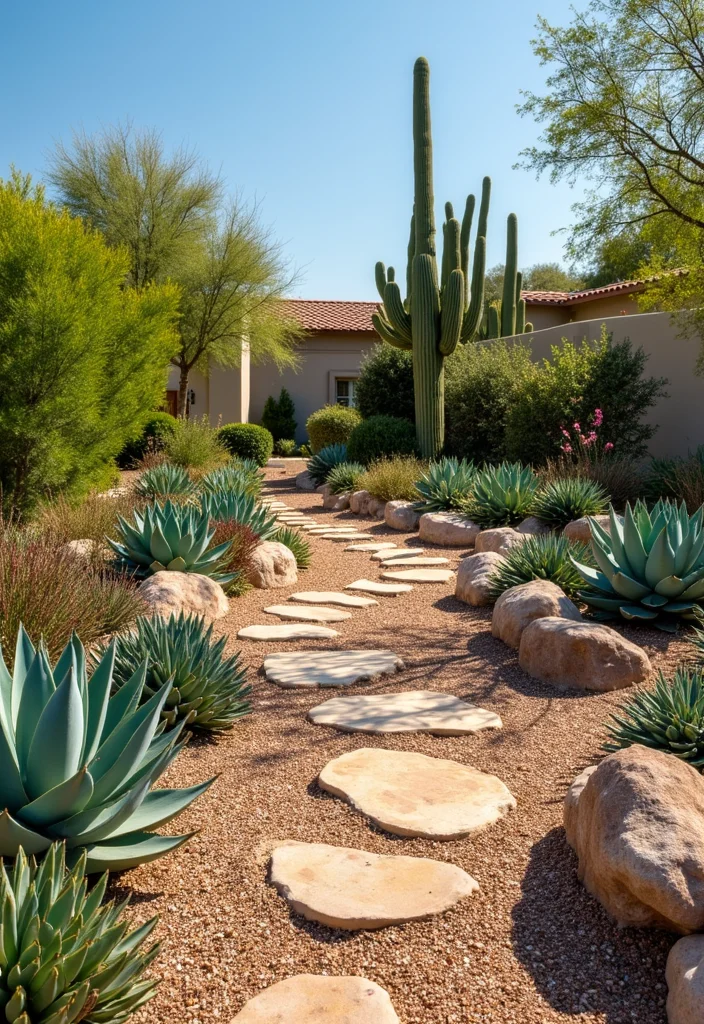
Xeriscaping is a smart choice for Texas gardens, especially in dry areas. By choosing drought-resistant plants, you create a beautiful landscape that saves water. Consider adding Agave, Sedum, or Texas Sage to your garden; they’re visually appealing and require less watering. This method is not just beautiful but also budget-friendly, making it a popular choice among eco-conscious gardeners.
To start xeriscaping, pick native plants suited for your local climate. Group plants with similar watering needs to simplify care. Layer your plantings for added texture and interest. Don’t forget to mulch around your plants to retain moisture and use drip irrigation to optimize water use.
• Choose native plants for easy care
• Group plants with similar needs for maintenance
• Create layered plantings for visual interest
• Use drip irrigation for efficient watering
With xeriscaping, you’ll enjoy a stunning garden that supports both beauty and sustainability.
3. Herb Spiral Gardens
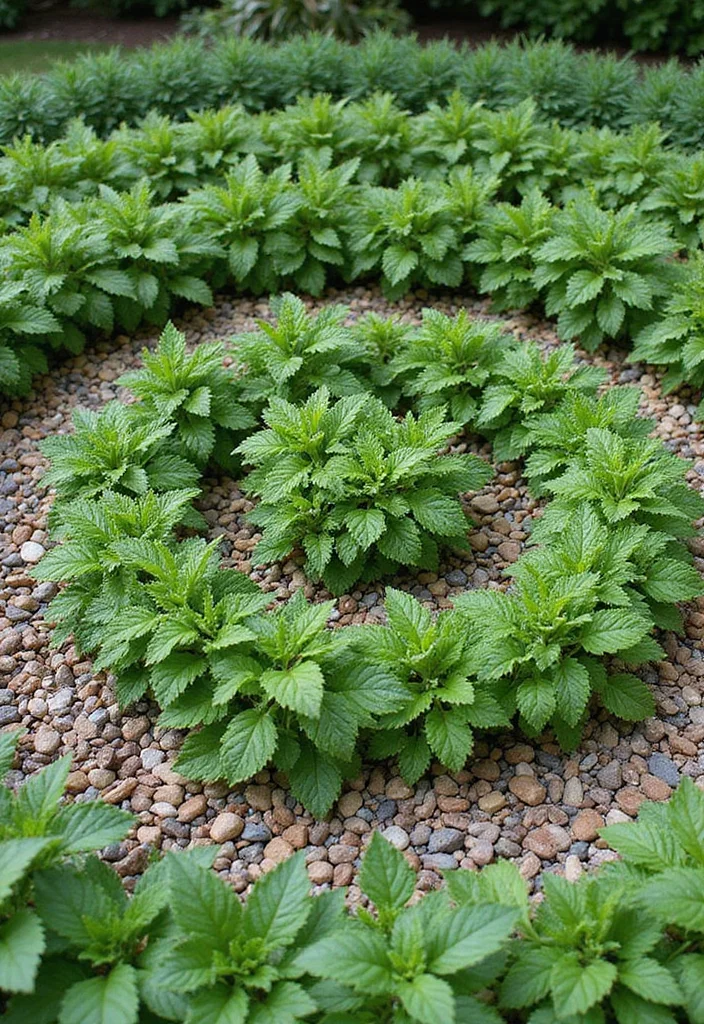
Herb spirals are a fun and practical way to grow a variety of herbs in a compact space. These vertical gardens not only save room but also create a unique focal point in your yard. Plant favorites like rosemary, thyme, and mint in a spiral to cater to each herb’s specific needs. This design is both functional and visually striking, making it a favorite among gardeners.
To build your herb spiral, start with stones or bricks, gradually increasing height as you go. Fill the base with nutrient-rich soil and water the top section while letting excess moisture trickle down. This setup not only saves water but also provides easy access to fresh herbs.
• Build a spiral structure with stones or bricks
• Fill with rich soil for healthy growth
• Water the top for efficient moisture
• Engage kids in fun gardening activities
With herb spirals, you’ll enjoy fresh flavors right from your garden while adding a charming feature to your landscape.
4. Edible Landscaping with Fruit Trees
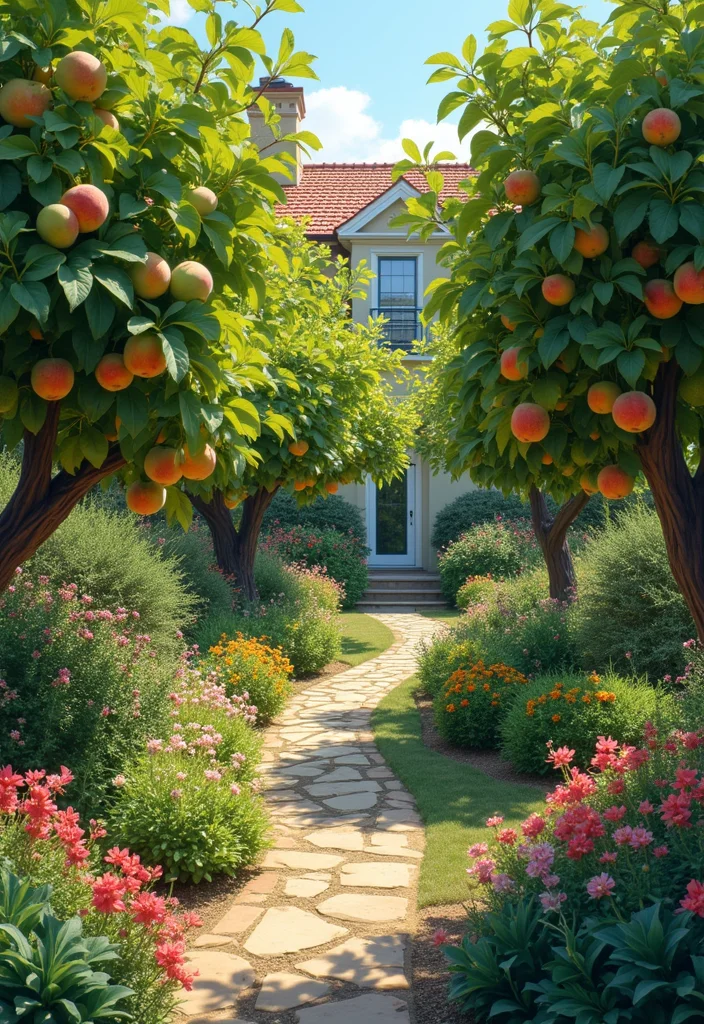
Adding fruit trees to your landscape is a delicious way to enhance both beauty and shade. Trees like figs, peaches, and citrus thrive in Texas, offering tasty treats alongside aesthetic appeal. Strategically plant these trees to create lovely shaded areas perfect for relaxation or gatherings with friends.
When selecting fruit trees, ensure you choose varieties that fit your soil type and climate. Give trees enough space for sunlight and airflow, and remember to prune them regularly to keep them healthy. This not only provides you with delicious fruit but also attracts beneficial wildlife to your garden.
• Choose fruit varieties for your climate
• Space trees for sunlight and airflow
• Prune regularly for healthy growth
• Attract wildlife with fruit trees
With fruit trees in your garden, you’ll enjoy fresh produce and a beautiful outdoor space.
5. Creating Inviting Outdoor Living Spaces
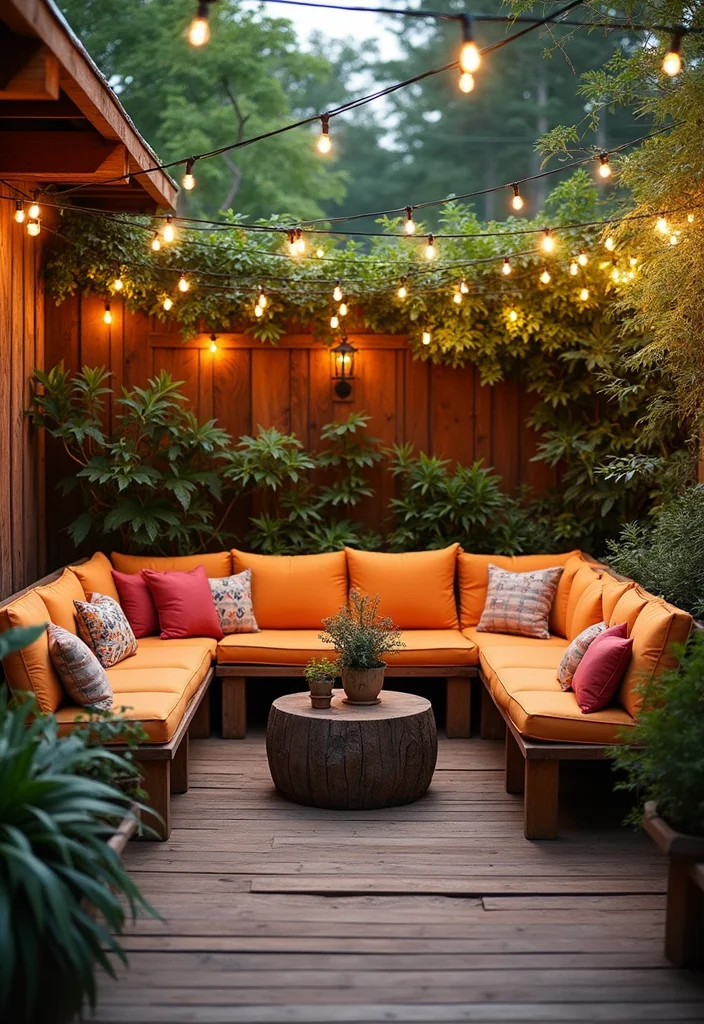
Make your garden a welcoming outdoor living area for friends and family. Add elements like cozy seating, fire pits, or even outdoor kitchens to create a smooth flow from your home to your garden. Choose rustic materials like wood or stone to match Texas charm, and brighten up the space with colorful cushions and outdoor rugs.
To inspire your outdoor area, consider a designated seating spot with lighting for evening gatherings. A small pond or fountain can add tranquility, while plants around seating areas enhance privacy and aesthetics. Your outdoor space should reflect your style, making it the perfect spot for BBQs or quiet evenings.
• Create a seating area with decorative lighting
• Add a water feature for relaxation
• Incorporate plants for privacy
• Use comfortable furniture for lounging
Your inviting outdoor living space will become the heart of your home, perfect for gathering and enjoying nature.
6. Pollinator Gardens for Local Wildlife
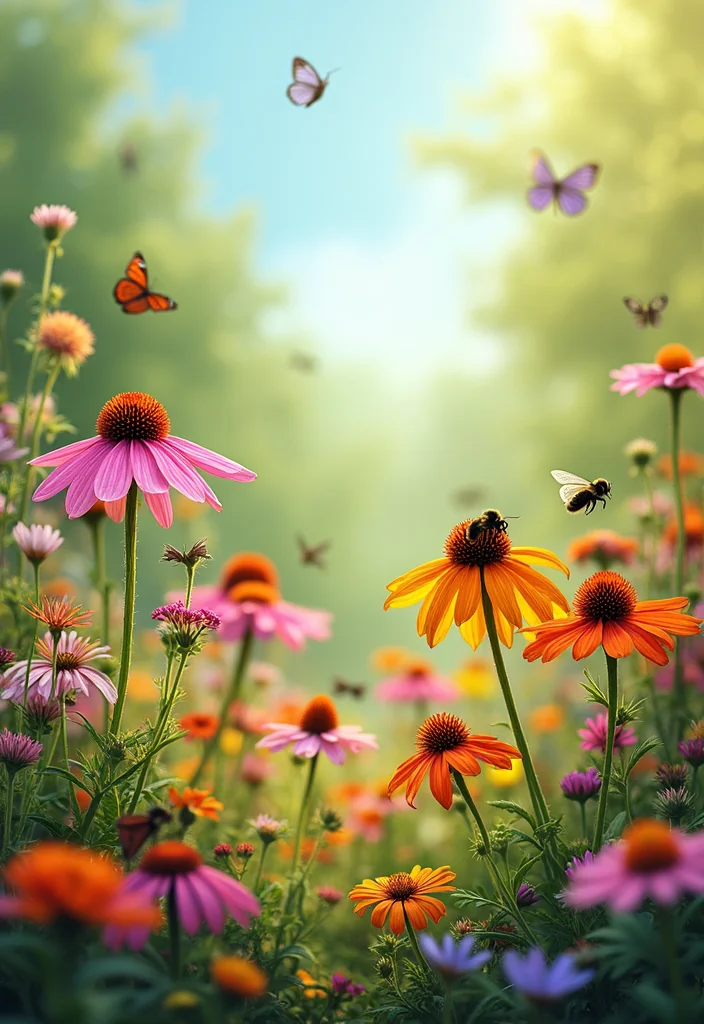
Designing a pollinator garden is a great way to invite bees, butterflies, and beneficial insects into your yard. Use native flowering plants like coneflowers, wildflowers, and milkweed to attract these vital creatures. Not only do these gardens look beautiful, but they also foster biodiversity and provide food sources for wildlife.
To create your pollinator paradise, select a mix of perennials and annuals that bloom at different times. Avoid pesticides to keep your garden safe for pollinators, and group flowers in clusters to make navigation easier for insects. This design enhances your landscape while playing a crucial role in maintaining local ecosystems.
• Select a mix of perennials and annuals
• Avoid pesticides for safety
• Group flowers for easy navigation
• Choose native plants for best results
Your pollinator garden will not only beautify your space but also support local wildlife.
7. Vertical Gardens for Small Spaces
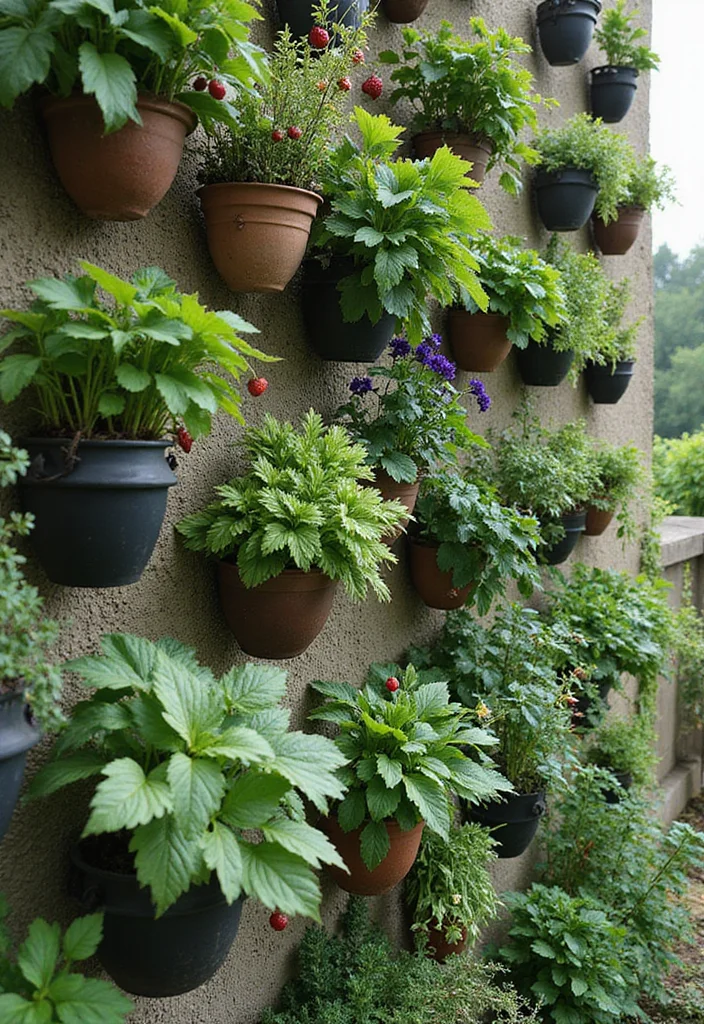
If you have limited space but love gardening, vertical gardening is a perfect solution. This method allows you to grow plants on walls, fences, or hanging systems. Use containers or wall-mounted planters to cultivate herbs, flowers, or vegetables. Popular choices for vertical gardens include lettuce, strawberries, and climbing beans.
To ensure success, make sure your vertical garden gets enough sunlight. A drip irrigation system will help you water efficiently, and using lightweight soil will ease the strain on your structure. This approach adds a unique touch to your garden while maximizing your growing potential.
• Ensure adequate sunlight for plants
• Use drip irrigation for efficient watering
• Choose lightweight soil for less strain
• Grow your favorite edibles vertically
With vertical gardening, you can enjoy a thriving garden even in small spaces.
8. Rustic Pathways with Native Stone
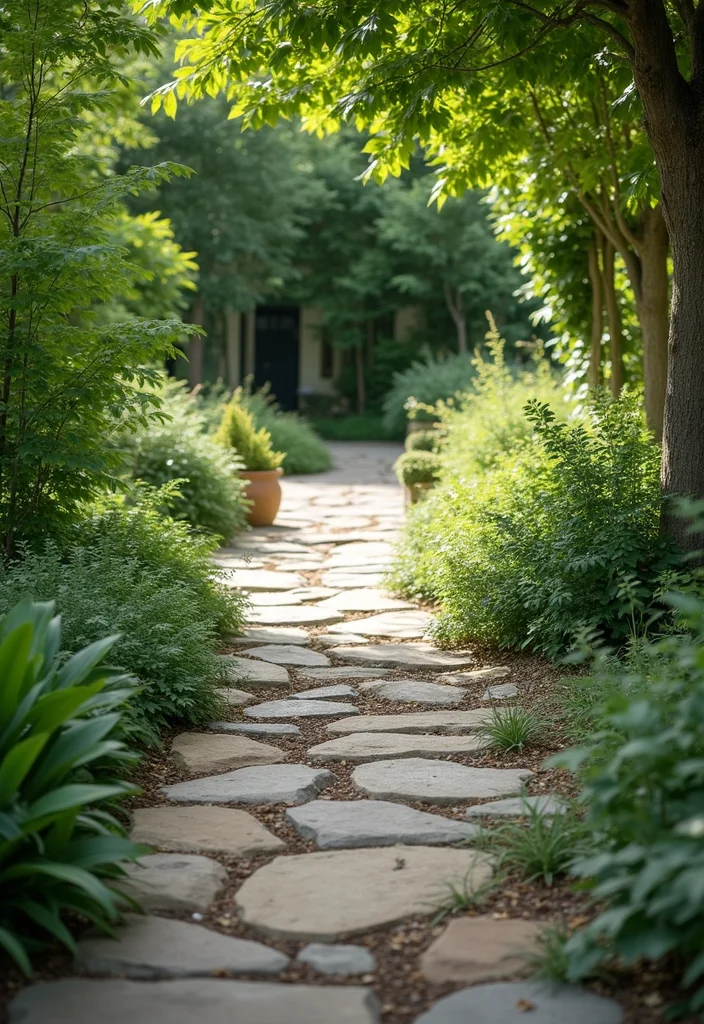
Pathways are essential for guiding visitors through your garden while enhancing its beauty. Use native stone or gravel to create rustic paths that blend seamlessly with your landscape. Materials like limestone or river rock provide durability and add a natural look. These pathways can lead to special areas like herb gardens or seating spots.
To design inviting pathways, create gentle curves that encourage exploration. Use contrasting materials to define different spaces, and plant low-growing flowers alongside paths to soften the edges. This design invites leisurely strolls while ensuring your garden is both functional and lovely.
• Create curves for exploration
• Use contrasting materials for definition
• Plant low-growing plants for soft edges
• Design paths to lead to special spots
With rustic pathways, your garden will be a beautiful space for wandering and enjoying nature.
9. Colorful Container Gardens
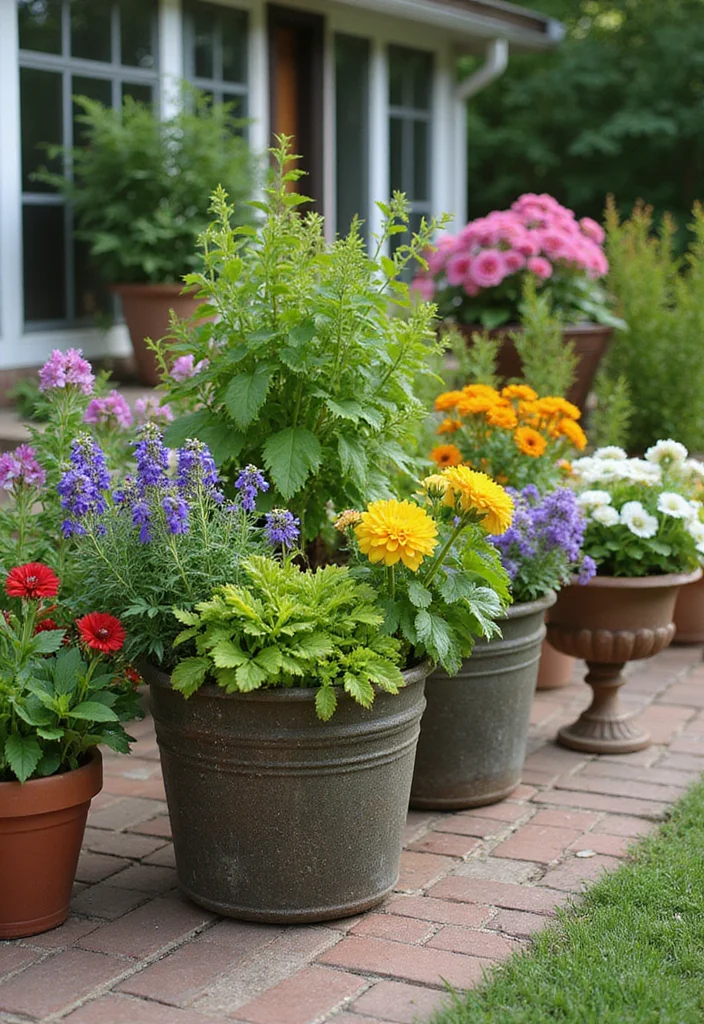
Container gardening is a fantastic way to add color and flexibility to your garden. Use a variety of pots, from classic terracotta to bright ceramics, filled with seasonal flowers, herbs, or even small fruits. Consider lively options like petunias, marigolds, and basil to create stunning displays. The beauty of container gardening lies in its versatility; you can easily change arrangements or move pots to catch the sun.
To make the most of your container garden, choose pots with drainage holes to prevent overwatering. Mix plants with similar light and watering needs for harmony. Vary the heights and textures of plants to keep things visually interesting.
• Choose containers with drainage holes
• Mix plants with similar needs
• Vary heights and textures for interest
• Change arrangements for new looks
With colorful container gardens, you can create a lively atmosphere that reflects your personal style.
10. Shade Gardens with Ferns and Hostas

Don’t overlook the shady corners of your garden; they can be transformed into beautiful shade gardens filled with lush ferns and hostas. In Texas, these areas offer a cool escape from the heat. Ferns thrive in low light, while hostas provide attractive foliage and texture. These plants can bring life to spots that often struggle to bloom.
When designing a shade garden, choose ferns that are native to Texas, like the Southern maidenhair fern. Layer different heights for visual interest, and consider adding stones or sculptures as focal points. This creates a serene outdoor space where you can relax and enjoy nature.
• Choose native ferns for easy care
• Layer heights for visual interest
• Add stones or sculptures as focal points
• Create a serene retreat in your garden
With a shade garden, you’ll have a peaceful retreat to enjoy even on the hottest days.
11. Bee-Friendly Wildflower Meadows
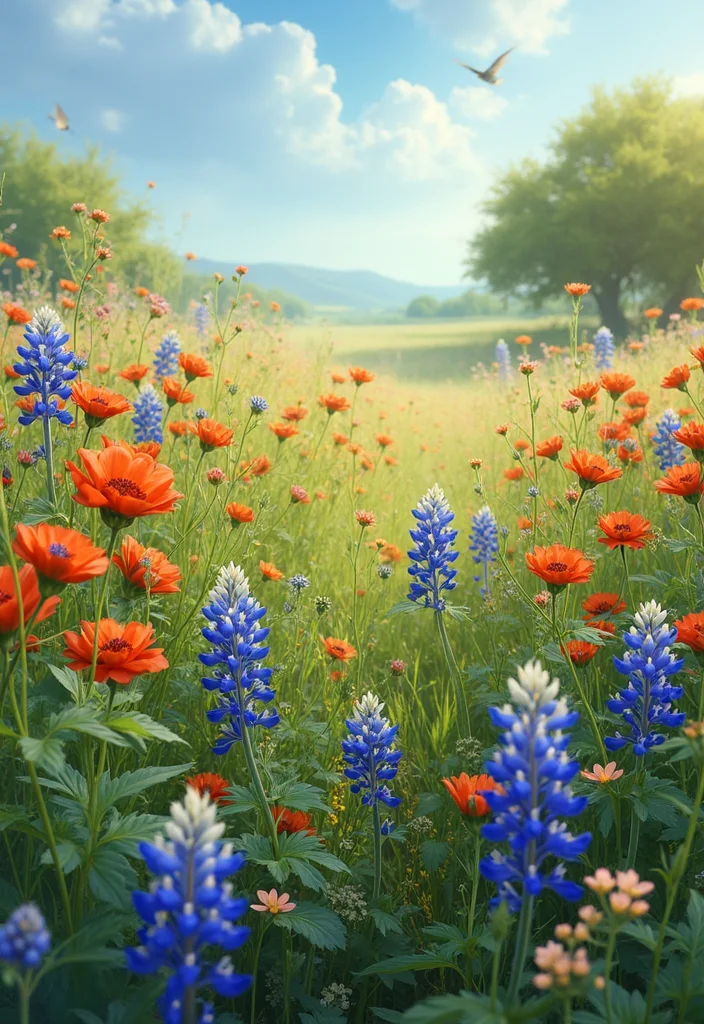
Transform part of your garden into a wildflower meadow to support local bee populations while adding beauty. Wildflowers thrive in Texas conditions, making them a great choice for low-maintenance gardening. By scattering seeds of native varieties like Texas Bluebonnets and Indian Paintbrush, you create a colorful habitat that requires minimal care.
To create your wildflower meadow, prepare the soil by clearing weeds and grass first. Mix different seeds for a diverse bloom, and leave some areas unmown to support wildlife habitats. This not only enhances your landscape but also plays a key role in sustaining local ecosystems.
• Prepare soil by removing weeds
• Mix different seeds for diversity
• Leave areas unmown for wildlife
• Enjoy low-maintenance beauty
Your wildflower meadow will not only look stunning but also attract and support local bees.
12. Rain Gardens for Stormwater Management
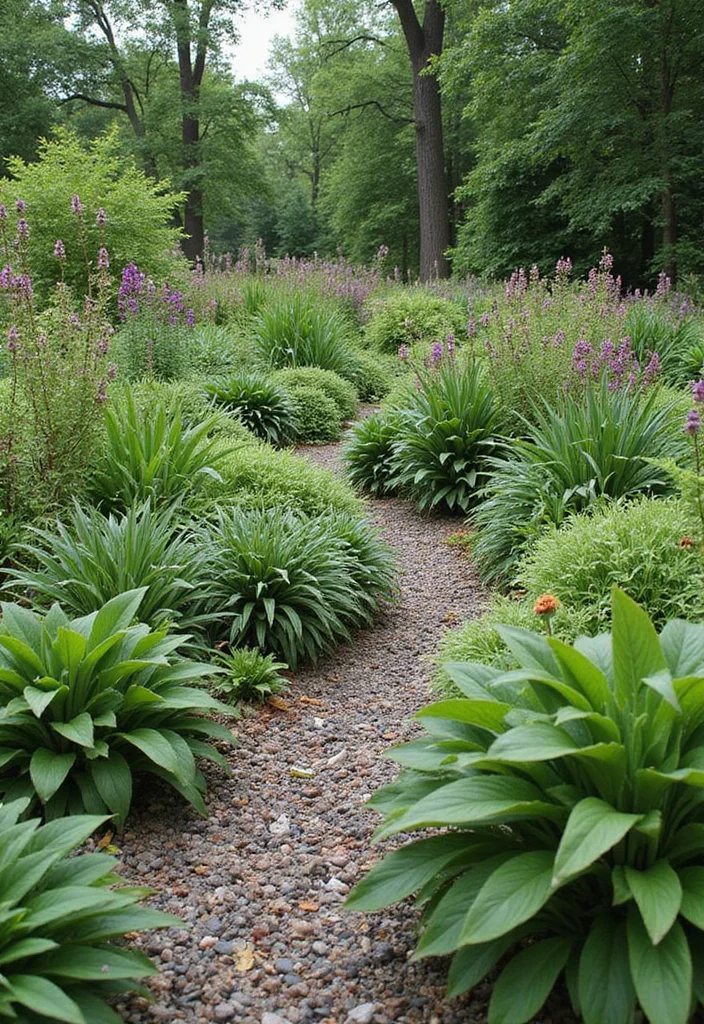
Rain gardens are a smart way to manage stormwater runoff, especially in Texas, where heavy rains can lead to flooding. These gardens collect water in a shallow depression and feature native plants that thrive in wet conditions. Choose water-loving plants like swamp milkweed and cardinal flower that can absorb excess moisture while adding beauty.
When planning your rain garden, position it at least 10 feet from your home’s foundation. Select a sunny spot for most plants, and use a variety of species to create a robust ecosystem. This garden not only enhances your landscape but also supports local wildlife.
• Locate at least 10 feet from foundation
• Choose a sunny location for plants
• Incorporate a variety of plants
• Manage stormwater effectively with a rain garden
Your rain garden will help protect your landscape while providing a beautiful space for wildlife.
13. Year-Round Color with Perennials
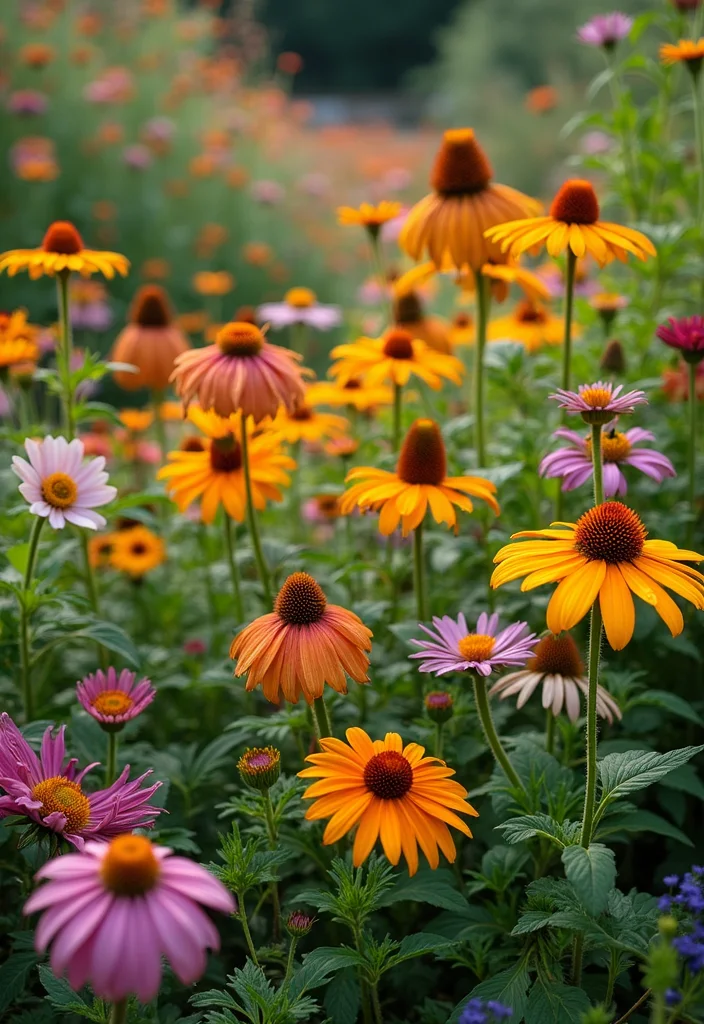
Including perennials in your Texas garden ensures color and interest all year long. These hardy plants come back season after season, giving you blooms from spring through fall. Look for vibrant options like daylilies, coneflowers, and enduring sage. Plant them in groups for maximum impact and to create lively color blocks throughout your landscape.
When designing your perennial garden, choose varieties that complement each other in both color and bloom time. Space plants properly to avoid overcrowding and allow for growth. Adding seasonal decorations can enhance your flowers and make the garden even more appealing.
• Choose complementary varieties for harmony
• Space plants to avoid overcrowding
• Incorporate seasonal decorations for flair
• Enjoy blooms throughout the year
Your perennial garden will bring joy and beauty each season with its changing colors.
14. Creative Composting Solutions
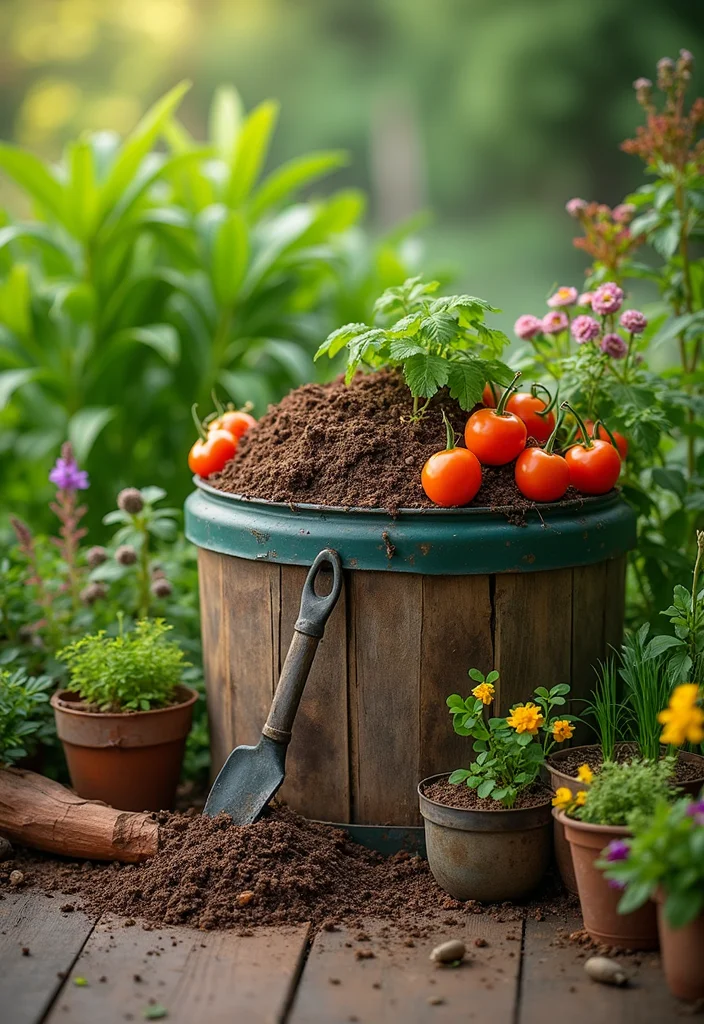
Composting is key for sustainable gardening, providing nutrient-rich soil for your plants. In Texas, where heat speeds up decomposition, creative composting solutions can keep things effective. Consider options like vermicomposting with worms or making a compost bin that fits your garden’s style. Use a mix of ‘green’ materials (like food scraps) and ‘brown’ materials (like dried leaves) for the best results.
Regularly turning your compost helps aerate the mixture, while keeping it moist but not soggy ensures successful decomposition. Using a thermometer can help monitor the temperature of your compost heap. This process not only reduces waste but also enriches your soil, leading to healthier plants.
• Turn compost regularly for airflow
• Keep compost moist but not soggy
• Use a thermometer to check temperature
• Enjoy nutrient-rich soil for plants
With these composting solutions, you’ll support your garden while reducing waste.
15. Outdoor Art Installations
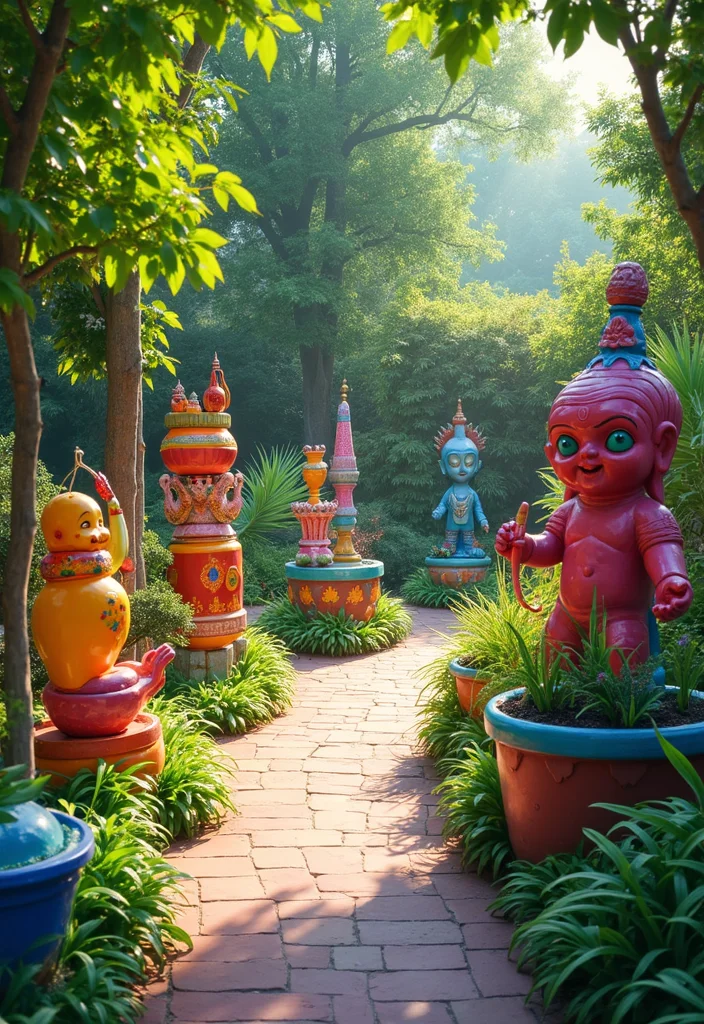
Adding art to your garden can transform it into a creative sanctuary. Consider sculptures, mosaics, or painted rocks to enhance your landscape’s visual appeal. Outdoor art pieces can serve as focal points or playful accents, showcasing your personality. Choose durable materials like stone or metal that withstand Texas weather, and apply finishes to protect against rust.
To incorporate art, think about using murals on garden walls or fences for vibrant backdrops. Functional pieces like birdhouses or trellises can also be adorned with art. Create themed corners with consistent styles for a cohesive feel.
• Use murals for vibrant backdrops
• Incorporate functional art pieces
• Create themed corners for unity
• Choose durable materials for longevity
With outdoor art, you’ll inspire creativity and spark conversations in your garden.
16. Seasonal Color Rotation
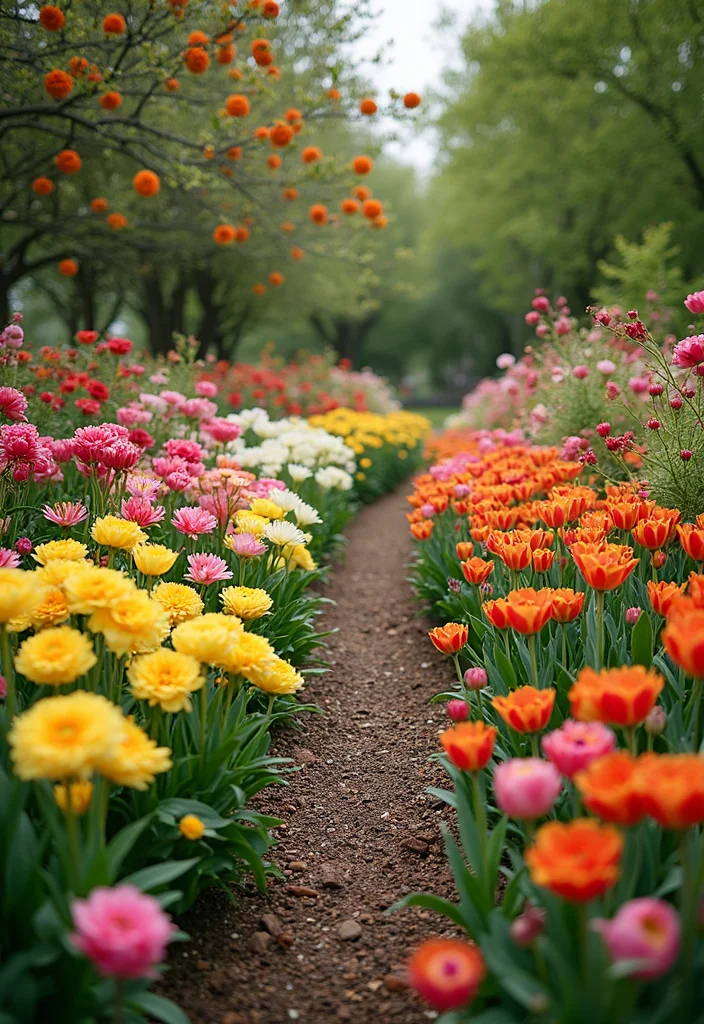
Keep your garden blooming year-round with a seasonal color rotation plan. This technique ensures your garden stays vibrant and appealing through the seasons. Start with early bloomers like tulips and daffodils in spring, then switch to summer favorites like zinnias and sunflowers. For fall, consider asters and chrysanthemums for continued interest.
To manage seasonal color, maintain a planting calendar to track bloom times. Group plants by color for harmonious displays, and highlight autumn foliage with seasonal decorations. With some planning, your garden can be a spectacular sight, changing beautifully with each season.
• Create a planting calendar for blooms
• Group plants by color for harmony
• Highlight autumn foliage with decorations
• Enjoy a year-round spectacle
Your seasonal color rotation will keep your garden looking fresh and inviting all year long.
17. Use of Native Grasses for Texture

Native grasses add wonderful texture and movement to your garden while being low-maintenance. Grasses like little bluestem and Mexican feathergrass are drought-resistant and provide habitats for local wildlife. Use these grasses in borders, as ground covers, or as stunning focal points. They create an attractive backdrop for colorful flowers throughout all seasons.
When incorporating native grasses, plant them in clusters for visual impact and easier care. Mix different species for a dynamic look, and use grasses to stabilize soil in erosion-prone areas. This addition enhances the overall beauty of your garden while keeping it true to Texas’s unique ecology.
• Plant grasses in clusters for impact
• Combine different species for variety
• Use grasses to stabilize soil in erosion areas
• Enjoy seasonal beauty in your garden
With native grasses, your garden will feature texture and charm while supporting local wildlife.
Conclusion
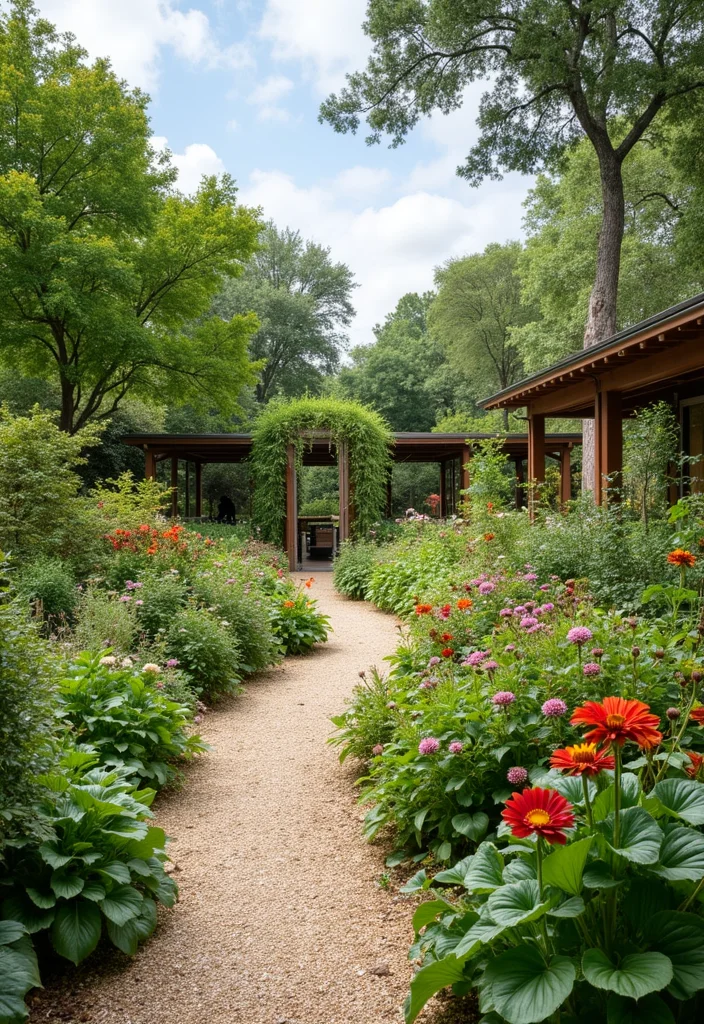
Designing a Texas garden that embraces southern-inspired concepts can transform your outdoor space into a stunning and functional area.
By combining the ideas discussed—like incorporating native plants, creating inviting outdoor living areas, or utilizing sustainable practices—your garden can become a true reflection of the beauty surrounding us.
Inspired to start your gardening journey? Dive into these concepts and watch your Texas garden flourish!
Frequently Asked Questions
What are some essential elements of a Texas garden design?
Creating a Texas garden design means embracing the unique climate and landscape of the region. Key elements include using drought-resistant plants that thrive in the heat, considering native species for lower maintenance, and incorporating outdoor living spaces that blend seamlessly with nature. You can also think about adding pathways and seating areas to enhance the overall garden layout.
How can I create a drought-resistant garden in Texas?
To create a drought-resistant garden in Texas, start by choosing plants that are naturally adapted to dry conditions, such as succulents, cacti, and native wildflowers. Implementing mulching helps retain moisture while reducing weeds. Additionally, consider installing a drip irrigation system to efficiently deliver water directly to the roots, minimizing waste and ensuring your plants thrive even in the hottest months.
What are some southern gardening ideas that work well in Texas?
For southern gardening in Texas, think about incorporating edible landscaping such as fruit trees, berry bushes, and herb gardens. Use raised beds to improve soil drainage and create a visually appealing layout. Don’t forget to include native plants that attract pollinators and beneficial insects, adding both beauty and function to your garden space!
How can I design outdoor living spaces in my Texas garden?
Designing outdoor living spaces in your Texas garden can transform your yard into an inviting retreat. Start by choosing comfortable seating areas, shaded patios, or pergolas that provide relief from the sun. Incorporate features like fire pits or outdoor kitchens to enhance your entertaining options. Using landscape design techniques, create defined spaces that encourage relaxation and socializing while being mindful of the natural surroundings.
What are some unique garden layout ideas for Texas landscapes?
When considering garden layout ideas for Texas landscapes, think about embracing the natural contours of your land. Create tiered gardens or terraced sections to add visual interest and manage water runoff. Utilize pathways made of local stone or gravel to guide visitors through your garden. Additionally, incorporating focal points such as sculptures or water features can enhance the overall aesthetic while tying together different elements of your design.