

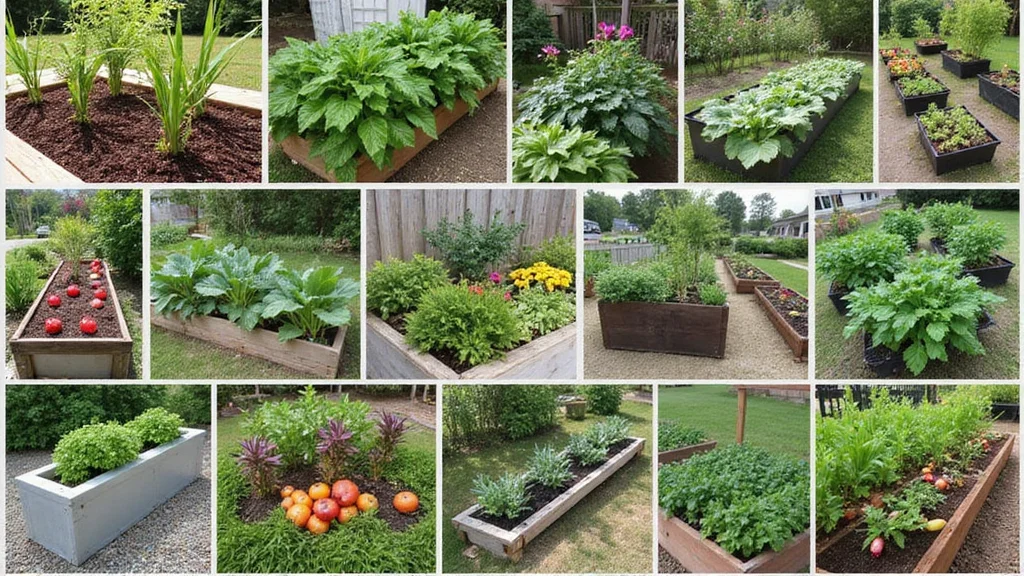
Creating a raised vegetable garden can feel overwhelming, especially if you’re new to gardening or you’re tight on space. That’s why I put this guide together. I wanted to share ideas that simplify the process, helping you design a productive layout that fits your unique needs and lifestyle. With the rise in urban gardening and the push for sustainable practices, a well-planned raised garden bed can be a game changer for growing your own food.
If you’re someone who loves gardening, whether you have a sprawling backyard or just a small balcony, you’re in the right place. This guide is tailored for beginner and experienced gardeners alike, who want to maximize their space and yield. You’ll find inspiration that caters to both traditional and vertical gardening styles, perfect for anyone who dreams of fresh veggies at their fingertips.
What can you expect from this guide? I’ve compiled 19 creative layout ideas for raised vegetable gardens that are not just beautiful but also practical. Each layout is designed to help you make the most of your garden space, whether you’re planting herbs, vegetables, or flowers. You’ll discover various styles, like the classic rectangular raised bed or the innovative vertical garden with trellises. These ideas will spark your creativity and help you visualize your garden’s potential.
Get ready to dig into practical tips and tricks for efficiently organizing your vegetable garden. With these layouts, you’ll learn how to cultivate your green thumb while enjoying the process. Let’s grow together!
Key Takeaways
– Explore 19 diverse raised garden layouts, catering to both small and large spaces.
– Discover vertical gardening techniques that maximize limited areas while keeping your garden productive.
– Understand how to plan your vegetable garden for optimal growth, including sun exposure and companion planting.
– Get practical insights on materials needed for building raised beds that suit your style and budget.
– Learn sustainable gardening practices to enhance your garden’s eco-friendliness and productivity.
1. The Classic Rectangular Raised Bed
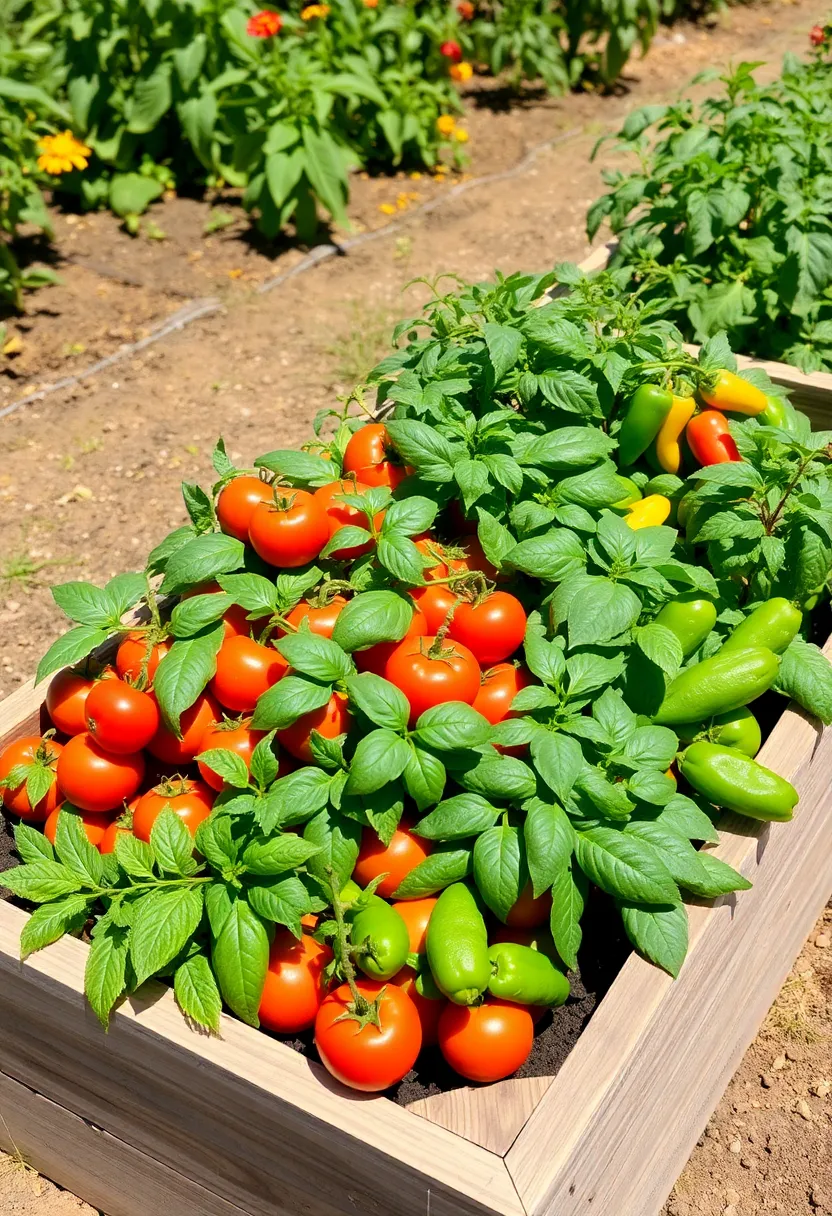
The classic rectangular raised bed is a staple for vegetable gardeners. This design is easy to set up and offers great efficiency. You can elevate your garden, ensuring better drainage and healthier soil, while keeping pesky critters away.
Think about a width of 4 feet for easy access and customize the length to fit your space. Using organic soil can help your plants thrive, allowing you to grow tomatoes, peppers, and basil with ease. Pinterest showcases this design as a go-to for simplicity and style.
To make it budget-friendly, consider using reclaimed wood that adds charm without the cost. Position your raised bed in a sunny area for optimal growth. This layout not only enhances your gardening experience but also creates a welcoming space perfect for enjoying fresh produce.
2. Vertical Gardening with Trellises
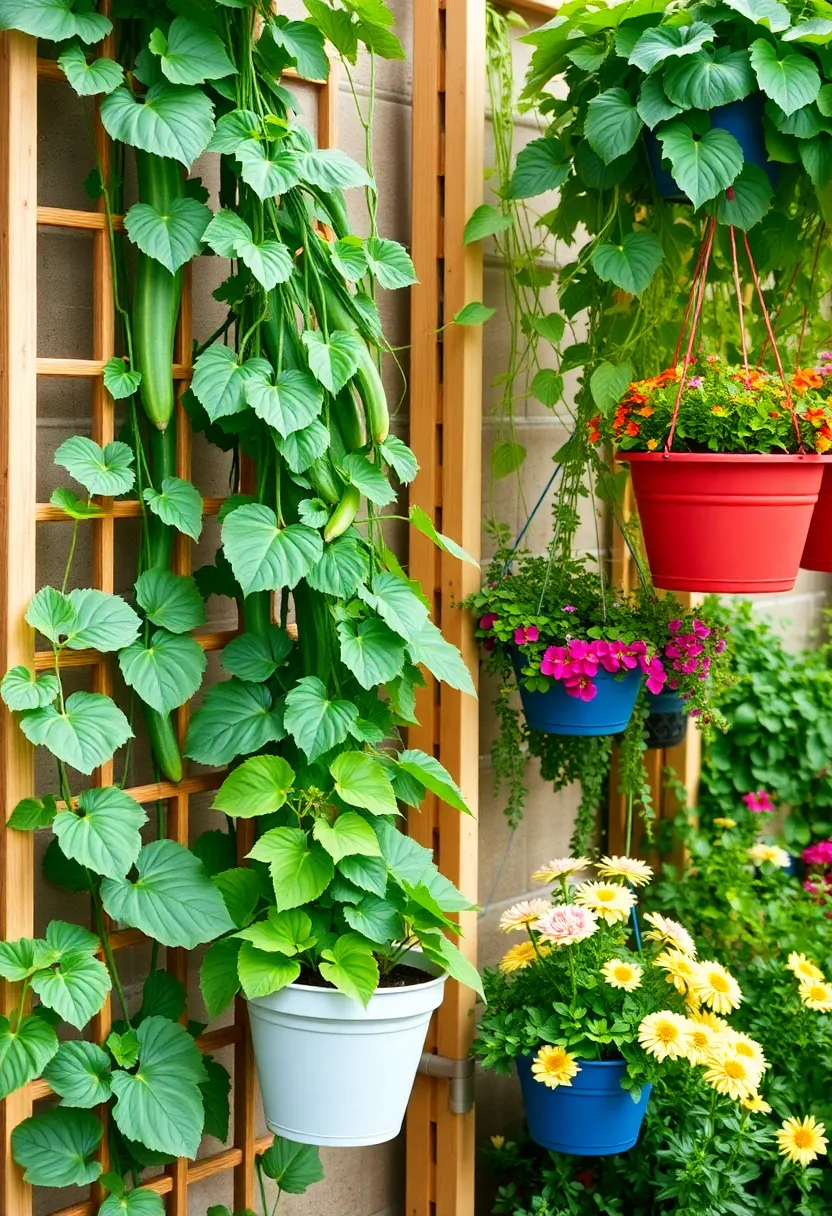
Vertical gardening is a smart choice for those with limited ground space, especially in urban areas. By adding trellises to your raised vegetable garden, you can grow climbing plants like peas, cucumbers, and beans while maximizing your space.
Use sturdy materials like bamboo or metal for your trellises to support your plants effectively. Consider hanging baskets filled with herbs to further utilize your vertical space. This design, popular on gardening blogs, enhances air circulation and gives your garden a stunning visual appeal.
To implement this, choose a sunny spot for your trellis and ensure it receives enough light. This method not only boosts your garden’s yield but also adds height and interest, making it a delightful place to spend time.
3. Wheelbarrow Planters
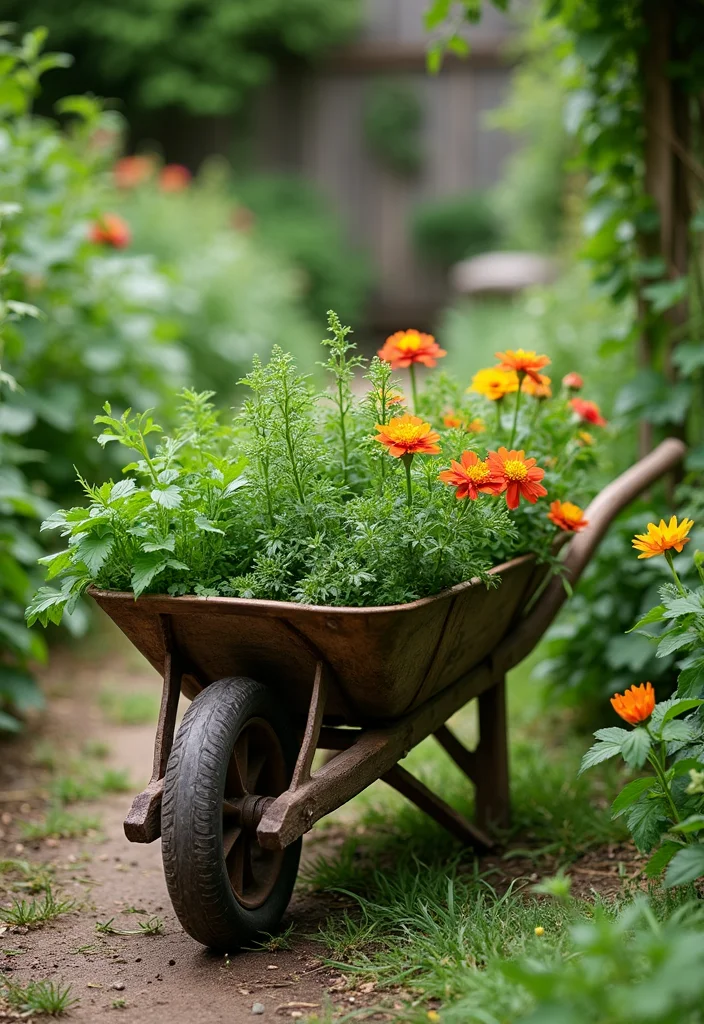
Using old wheelbarrows as planters adds a quirky touch to your garden. This creative approach recycles materials while providing a rustic aesthetic.
Line your wheelbarrow with landscape fabric to keep soil in place and ensure proper drainage. Fill it with nutrient-rich compost to give your plants a strong start. Ideal for growing herbs like rosemary or colorful flowers, these planters can also serve as eye-catching focal points.
To make the most of this idea, place your wheelbarrow in a sunny spot. This unique design not only brightens your garden but also makes it easy to move around if you need to change the layout.
4. The U-Shaped Garden Bed
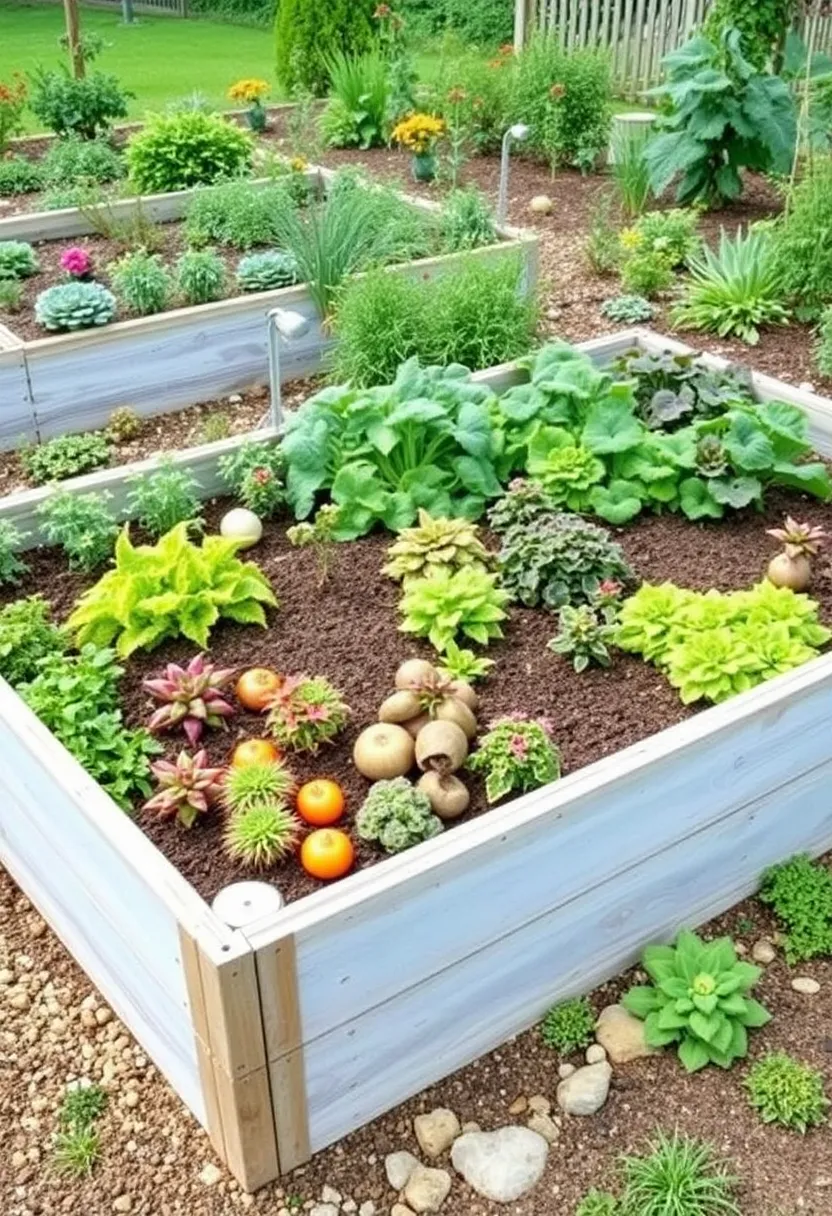
The U-shaped garden bed is designed for both accessibility and cozy vegetable growing. This layout allows you to reach every corner without stepping on the soil, which helps maintain its health.
This design works wonderfully in smaller gardens, effectively using corner spaces. It encourages companion planting, leading to healthier plants. Arrange taller plants at the back and shorter ones in front for optimal sunlight exposure, and add decorative stones for a polished look.
To implement this design, keep pathways clear for easy access. This layout is perfect for efficient gardening while adding a stylish touch to your outdoor space.
5. Stacked Planters
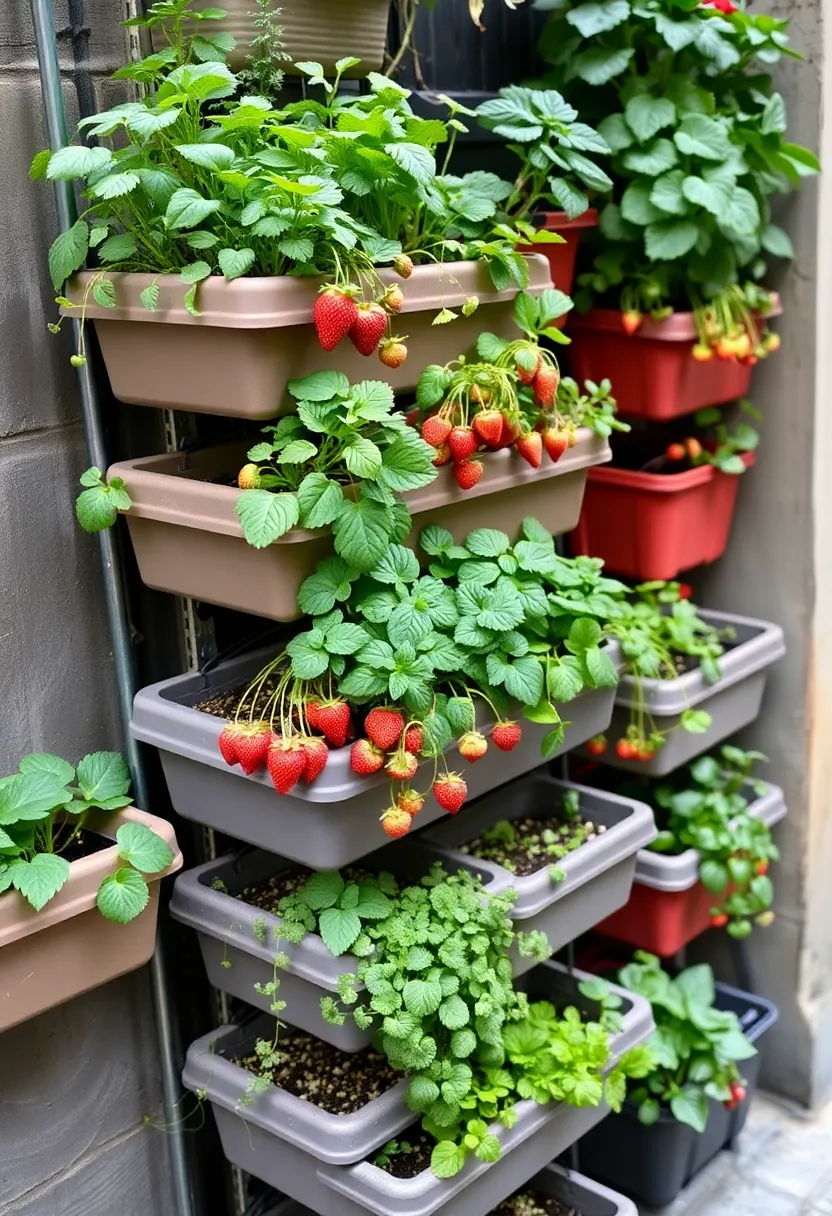
Stacked planters are a creative way to save space while achieving a stunning vertical garden. With different tiers, you can grow a variety of plants in a layered setup, perfect for urban gardening.
Use wooden pallets or purchase pre-made stacked planters to start. Ideal for herbs, strawberries, or small flowers, this design adds visual interest to your garden. Incorporate a drip irrigation system to keep your plants adequately watered, and use organic materials in each tier to promote healthy growth.
To create this design, ensure you have sturdy support for each level. Stacked planters not only optimize your space but also add a unique flair to your garden.
6. Circular Garden Beds
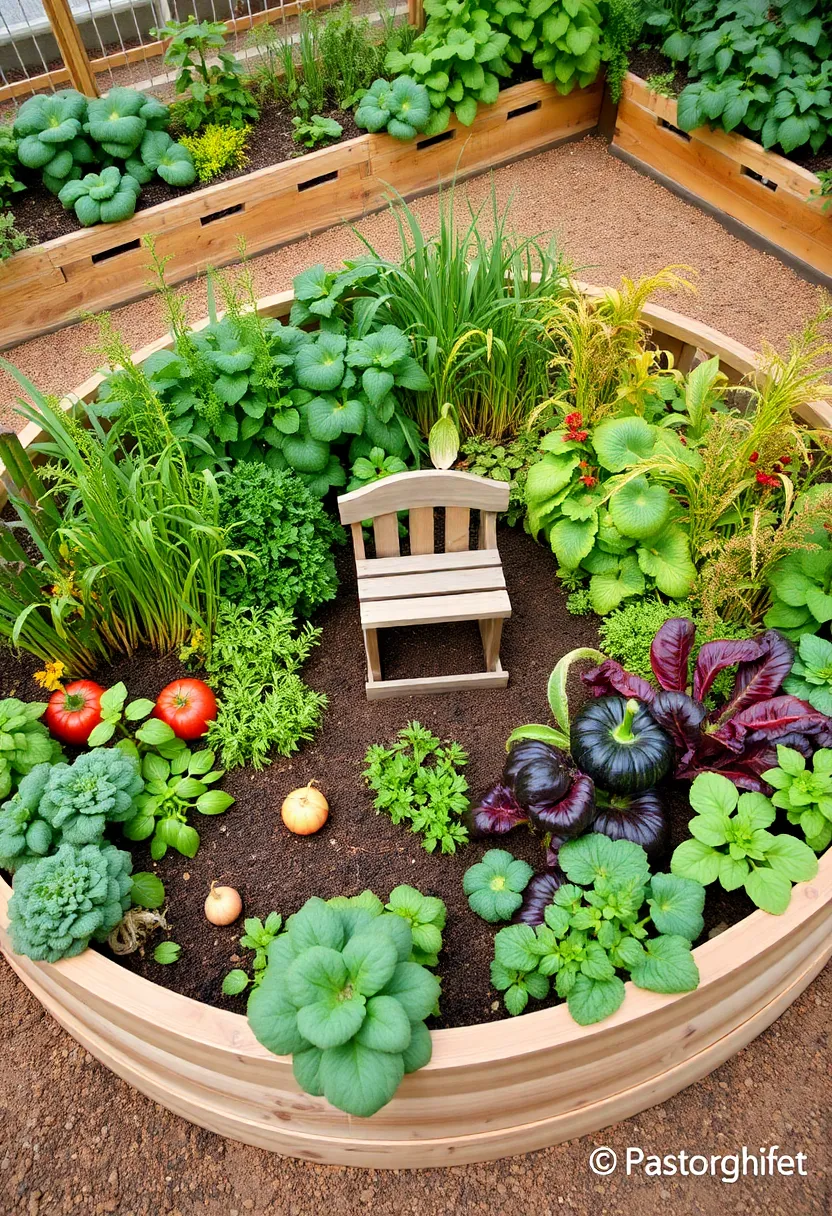
Circular garden beds offer a beautiful and symmetrical design for your vegetable garden. This layout enhances accessibility and serves as a focal point in your gardening space.
A circular bed encourages even sunlight distribution and good air circulation. You can create a striking centerpiece that draws the eye. Plant taller plants in the center and trailing varieties around the edges for contrast. Consider adding a small seating area in the middle for relaxation.
This design not only maximizes space but also adds elegance, making your garden a delightful retreat.
7. Pallet Garden
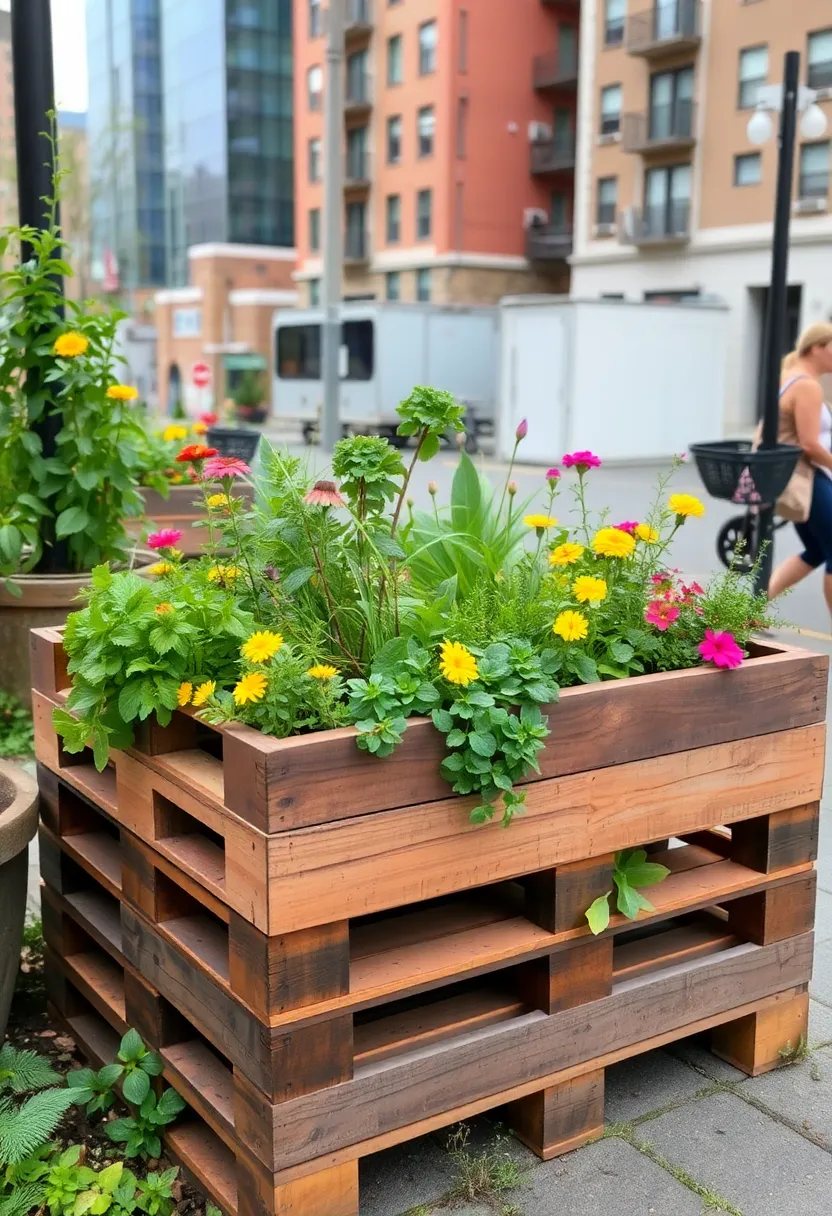
Using old wooden pallets for garden beds is an eco-friendly and artistic choice. This design works well in small spaces and adds rustic charm to urban gardens.
Lean the pallets against a wall for support, filling the openings with soil to plant herbs, flowers, or small veggies. Make sure the pallets are untreated to avoid harmful chemicals, and line them with landscape fabric to keep the soil secure while allowing drainage.
To make it effective, place your pallet garden in a sunny location. Pallet gardens not only save space but also become intriguing features in your outdoor space.
8. The Raised Garden Table
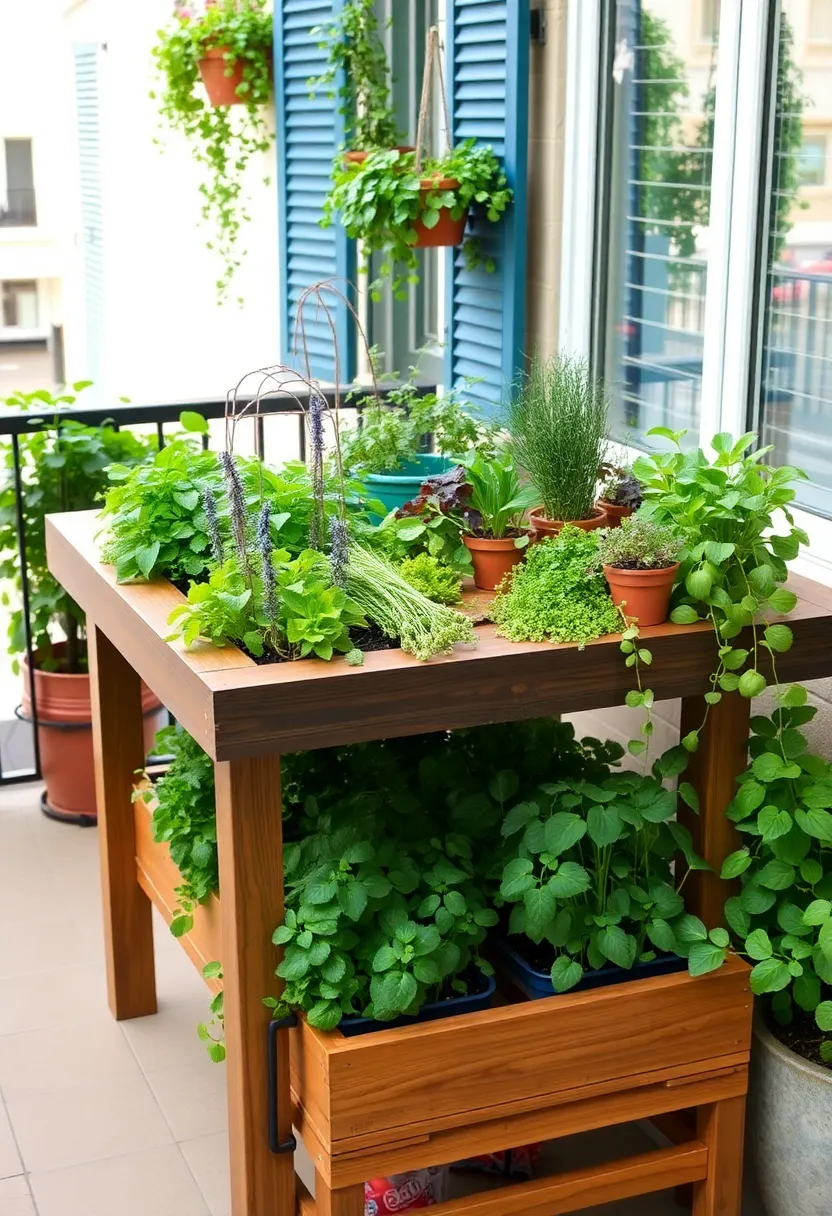
If bending over is a challenge, raised garden tables are an excellent solution. These tables provide a comfortable way to grow vegetables and can enhance your patio or balcony.
This design is especially beneficial for seniors or those with mobility issues. It allows for easy access and maintenance while gardening. Choose a table height that suits you best, and consider adding wheels for mobility.
With a raised garden table, you can enjoy gardening without straining your back, making it a delightful experience.
9. Tiered Garden Beds
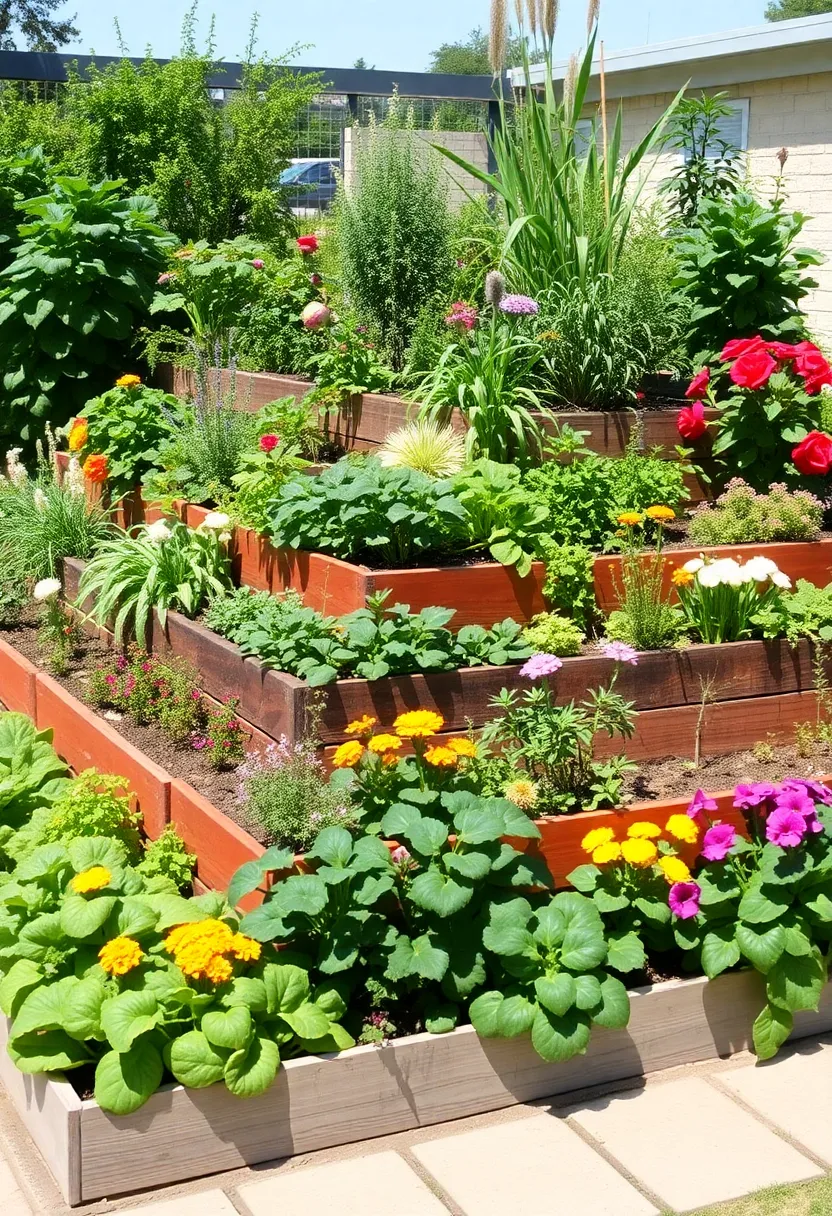
Tiered garden beds create an eye-catching vertical design that maximizes planting space. This layout mimics a staircase, adding depth while accommodating various plants.
Use retaining walls like stones or timber to form the tiers. This setup is great for growing a mix of plants that thrive at different soil depths. Position deep-rooted plants in the lower tiers, while shallow roots can flourish in the upper levels.
To enhance this design, incorporate flowers to attract pollinators. Tiered beds are not just practical; they also elevate the aesthetic appeal of your garden.
10. Modular Raised Garden Kits
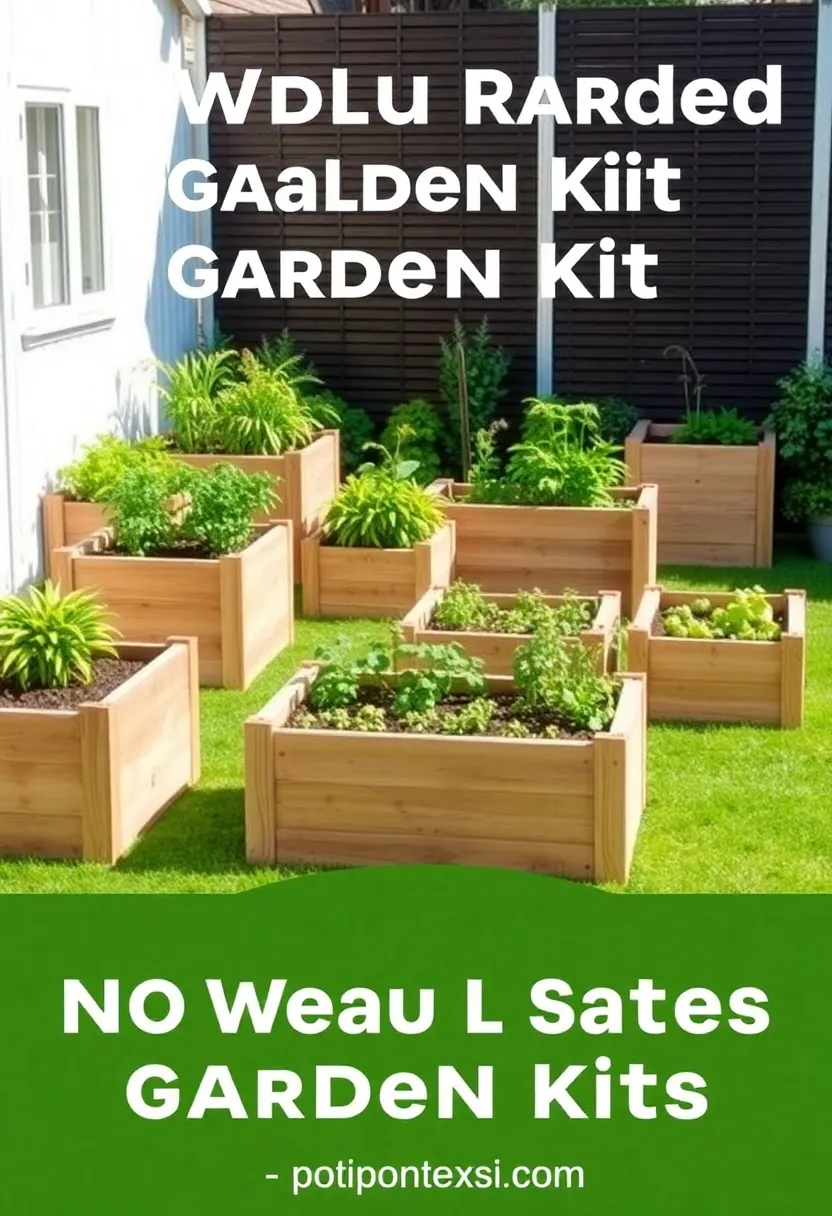
Modular raised garden kits make starting your vegetable garden simple and enjoyable. These kits come in various designs and materials, allowing you to customize based on your needs.
The easy assembly makes it accessible for beginners, and you can rearrange them as your gardening skills grow. Choose kits made from durable materials to withstand the weather, and evaluate your sun and shade patterns for the best placement.
With modular kits, you can start small and expand your garden, making it a rewarding journey.
11. Herb Spiral
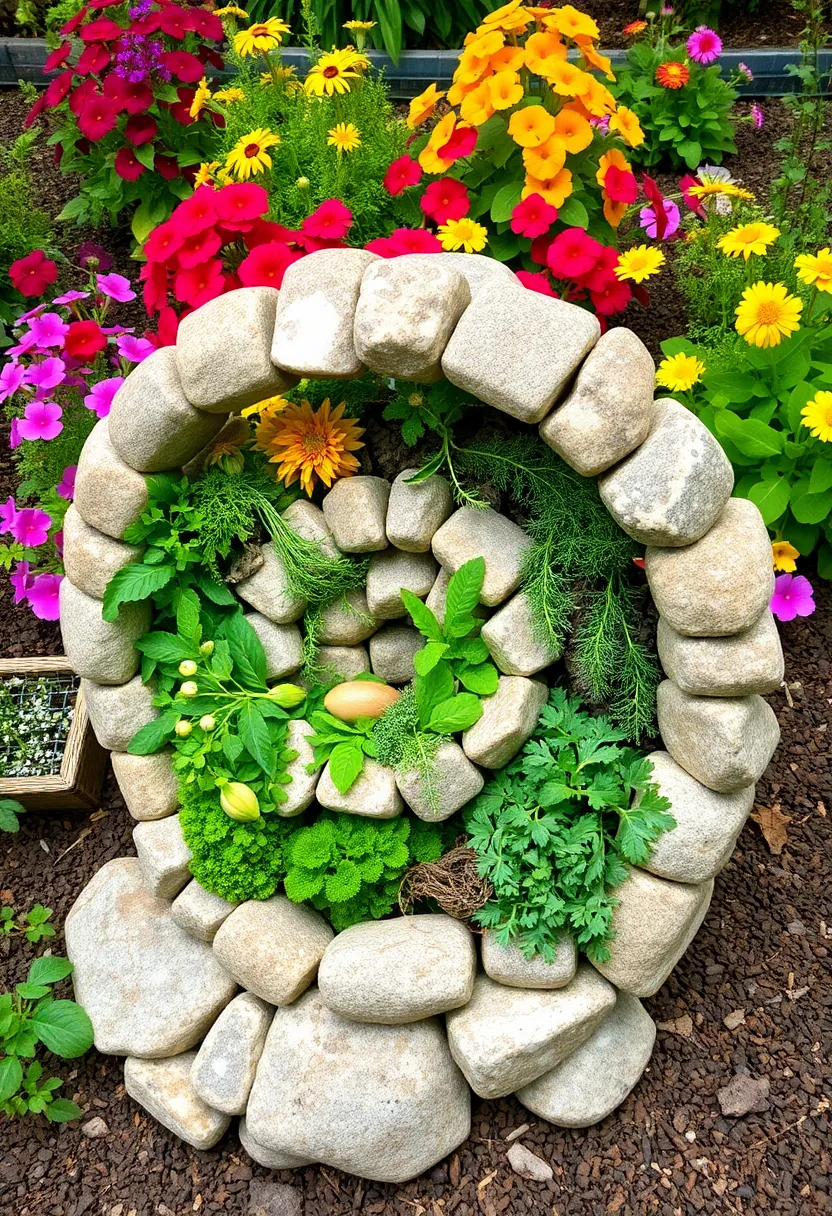
The herb spiral is a stylish way to grow various herbs in a compact area. This vertical design maximizes microclimates, creating ideal conditions for different herbs.
Build a spiral using stones or bricks for a visually appealing structure. Plant herbs that need different moisture and sunlight levels at various heights for the best results. Integrate companion planting to help control pests and water from the top to let moisture trickle down.
Herb spirals not only serve a functional purpose but also add beauty to your garden.
12. The L-Shaped Garden Bed
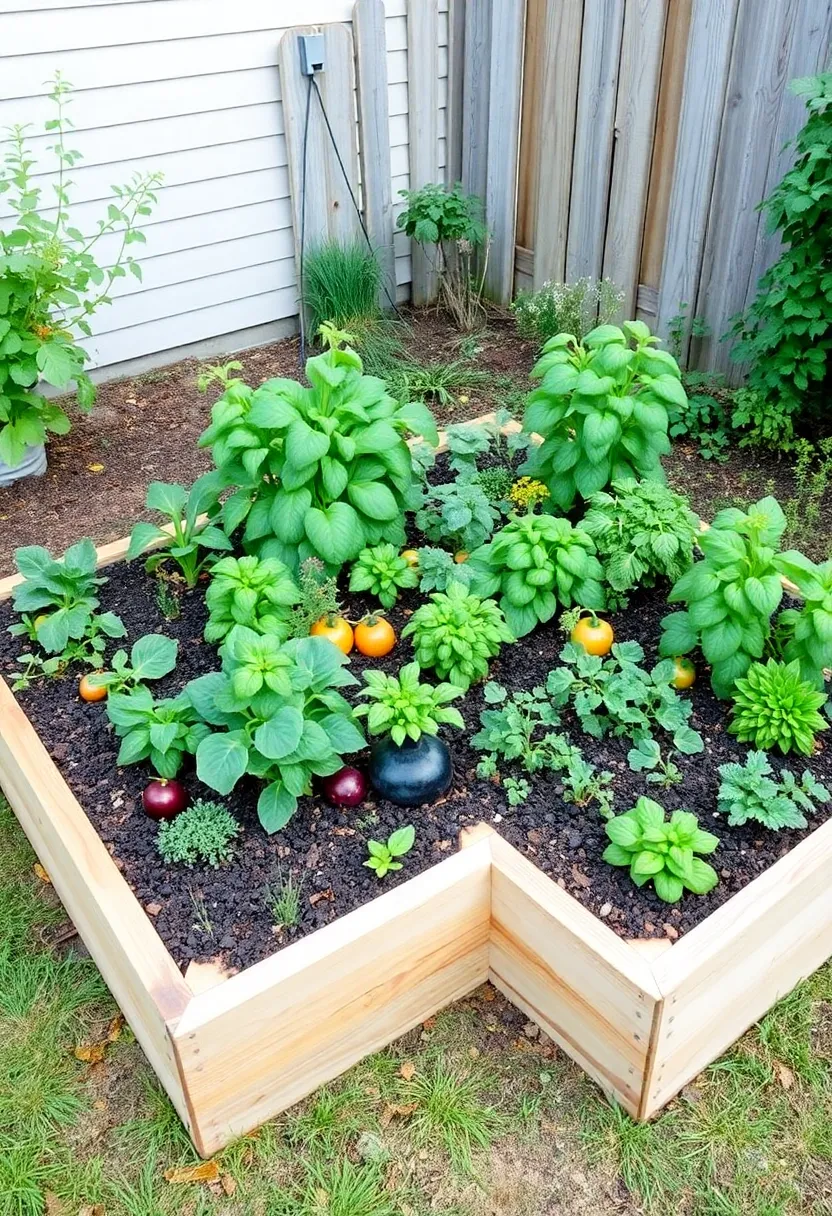
L-shaped garden beds are perfect for utilizing corners in your yard, offering space for diverse vegetables while creating a unique layout.
This design allows easy access to all parts without stepping on the soil. You can also combine this layout with paths or decorative elements for a cohesive look. Use taller plants on one side and shorter ones on the other for effective sunlight exposure, adding herbs in one corner for convenience.
This design maximizes your space and adds creativity to your garden.
13. Raised Garden Ramps
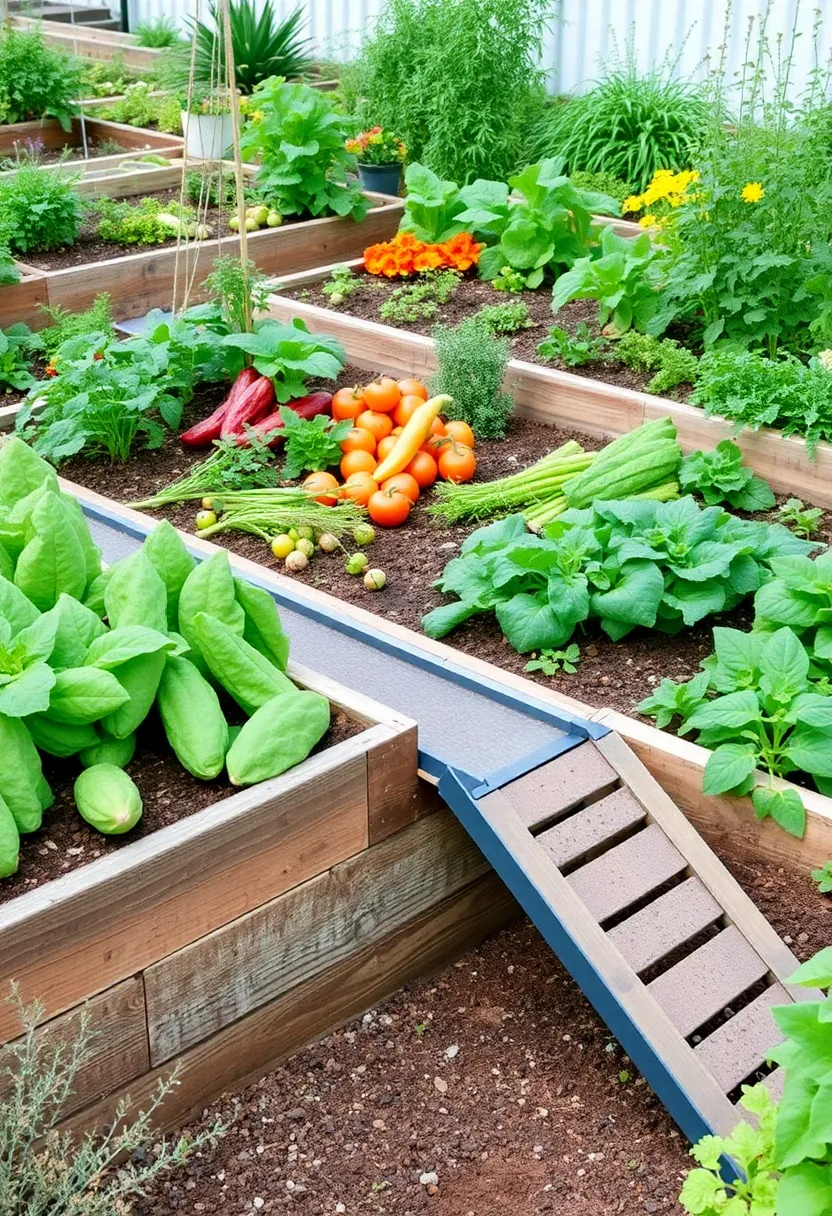
Raised garden ramps are essential for ensuring wheelchair accessibility in your vegetable garden. These ramps make gardening possible for everyone, allowing individuals with mobility challenges to enjoy this rewarding activity.
Incorporate wide, sturdy ramps leading to various raised beds, ensuring enough turning space for wheelchairs. Use durable materials that can withstand the weather and consider having raised beds at different heights for variety.
With raised garden ramps, you create an inclusive gardening environment for all.
14. A Sensory Garden with Raised Beds
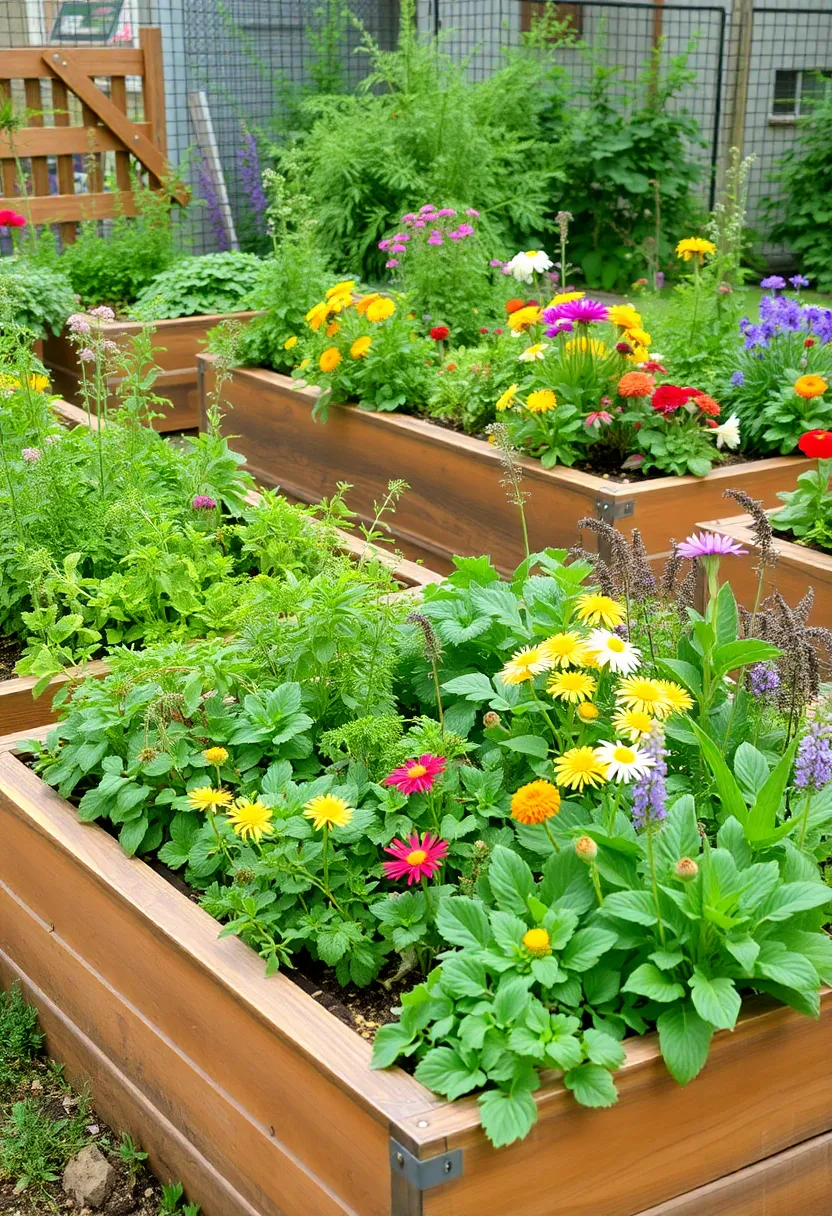
A sensory garden with raised beds enhances your gardening experience by engaging all five senses. This approach not only fosters deeper connections with your plants but also provides therapeutic benefits.
Include fragrant herbs, soft foliage, and colorful flowers in your design. Use raised beds for accessibility, allowing everyone to enjoy the experience. Add textured plants alongside aromatic herbs for sensory engagement and consider pathways lined with various materials for a multi-textured experience.
A sensory garden invites exploration and interaction, making gardening a delightful adventure.
15. Community Garden Raised Beds
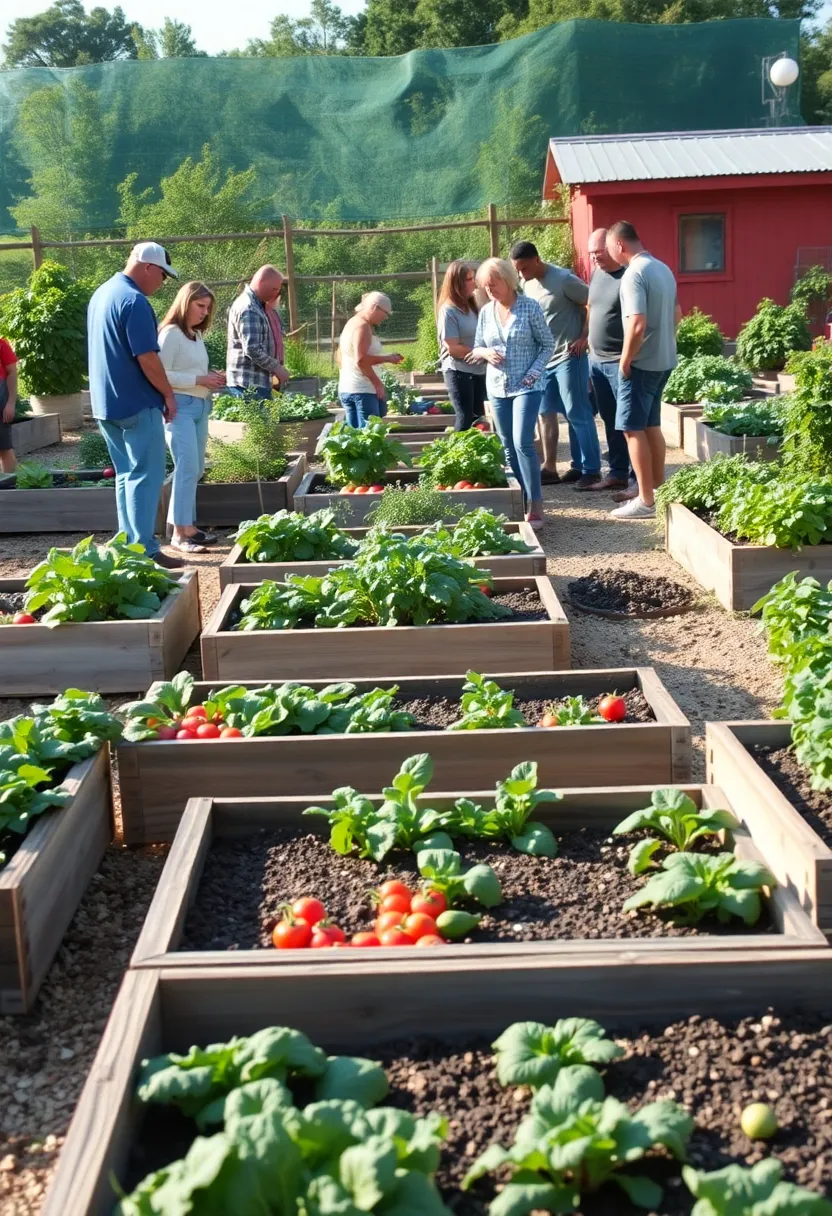
Creating raised beds in a community garden encourages collaboration and sustainable gardening practices. These shared spaces bring neighbors together while promoting healthy living through local produce.
Community gardens allow for collective maintenance and shared harvests, fostering knowledge exchange among gardeners. Use uniform designs for consistency, but allow each gardener to add personal touches. Create communal pathways for easy access to all beds.
Community gardens cultivate friendships and a sense of belonging while maximizing available space.
16. The Sunken Garden Bed
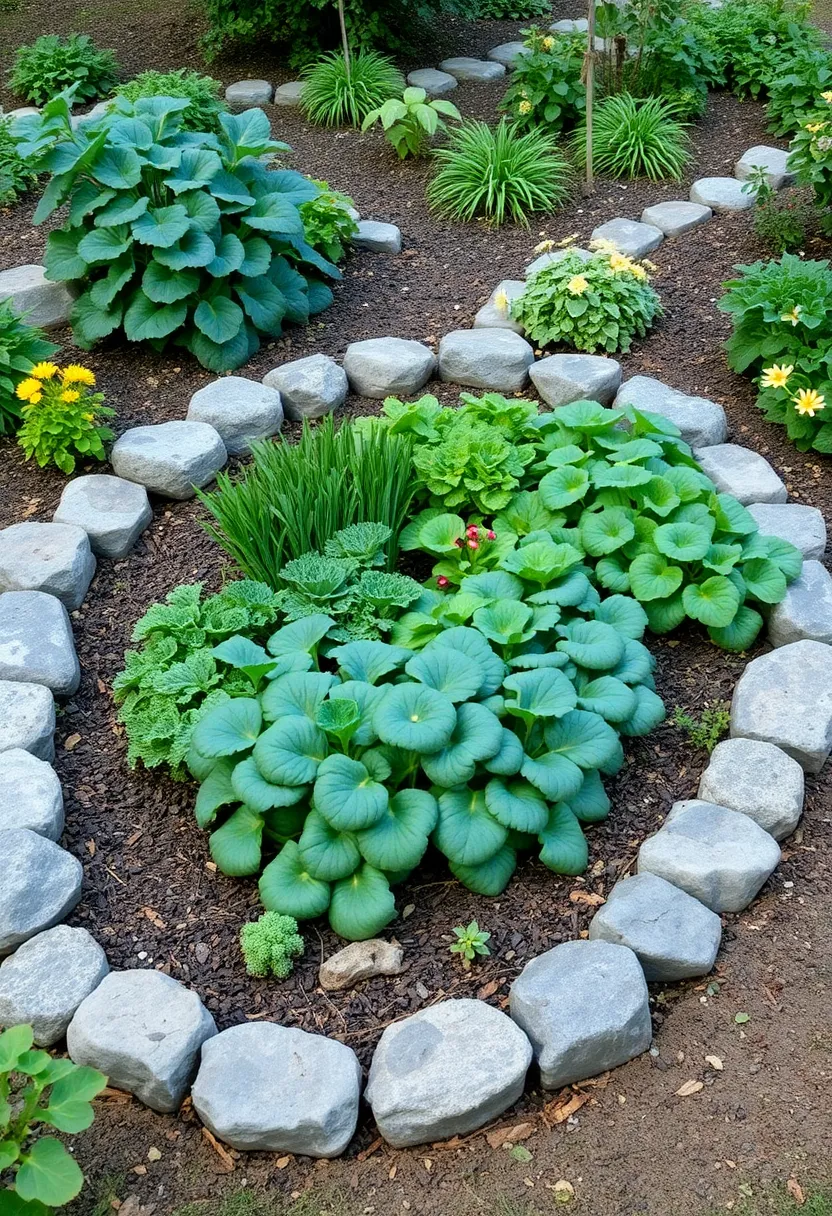
Sunken garden beds creatively integrate your vegetable garden into your landscape. Lowering the beds helps retain moisture while providing a unique aesthetic that blends beautifully with your yard.
This design offers natural irrigation and drainage, giving your garden a distinct look. Ensure good soil quality to support healthy plant growth and surround the beds with stones or bricks for a polished finish.
Sunken beds add elegance and functionality to your gardening space.
17. A Pollinator-Friendly Garden
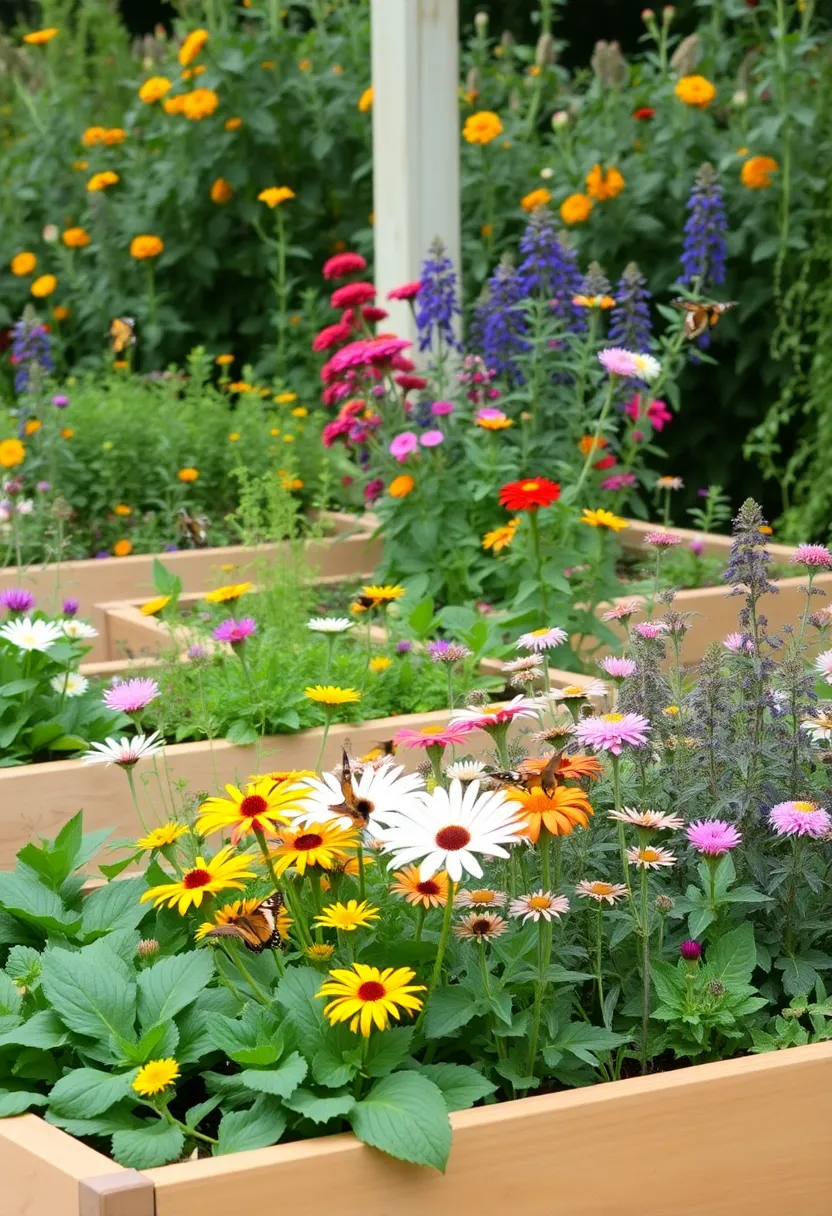
Designing raised beds to attract pollinators supports local ecosystems while growing your vegetables. By incorporating flowering plants alongside your vegetables, you enhance biodiversity in your garden.
Use native flowers known to attract bees and butterflies, and keep your plants organized in raised beds. Plant in clusters to provide ample resources for pollinators and maintain a diverse range of plants to support various pollinators throughout the seasons.
This design helps your garden flourish while contributing positively to the environment.
18. The Edible Landscape
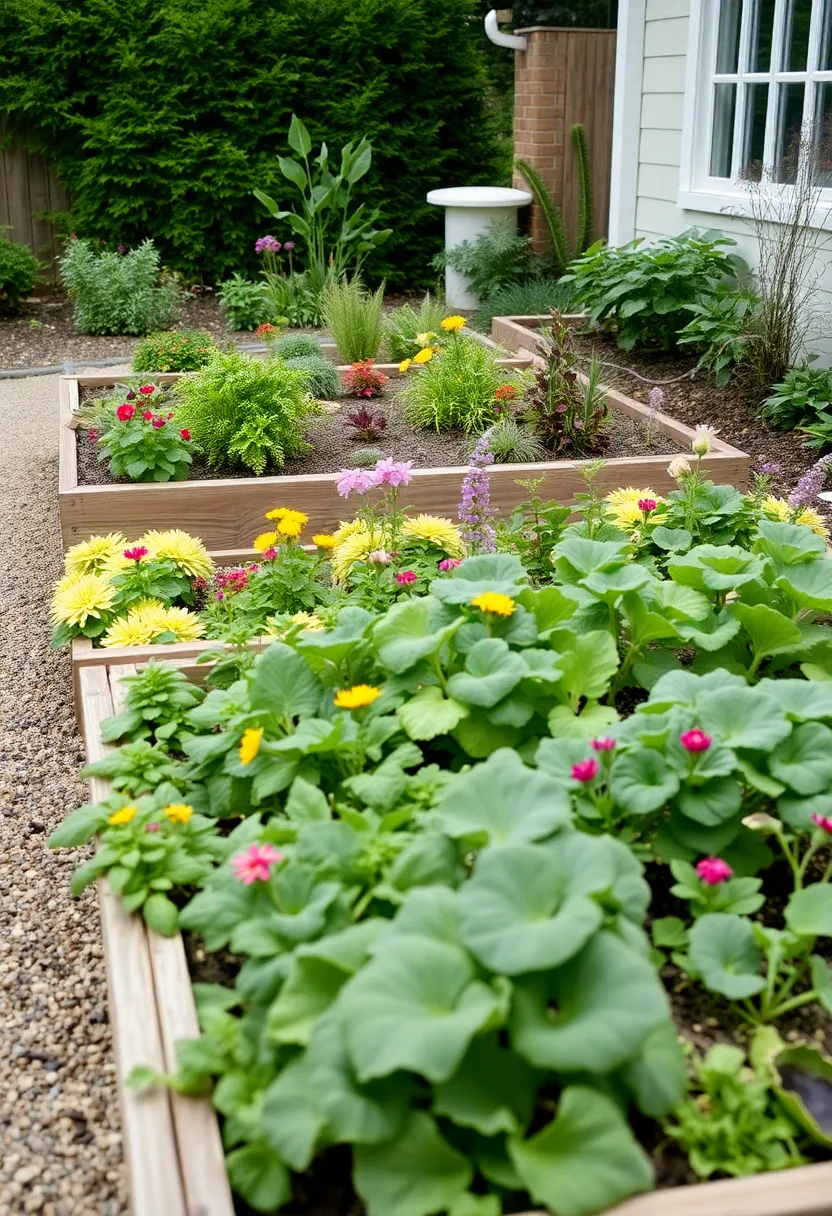
Create an edible landscape with raised garden beds, blending functionality and beauty. This approach integrates vegetables into your home landscape design, making them a part of your decorative outdoor space.
This design creates stunning visual appeal with edible plants, encouraging healthy eating right from your backyard. Mix vegetables with ornamental plants for a cohesive look, and use fragrant herbs as borders to enhance the sensory experience.
An edible landscape lets you enjoy the beauty of gardening while producing delicious food.
19. The Multi-Level Garden
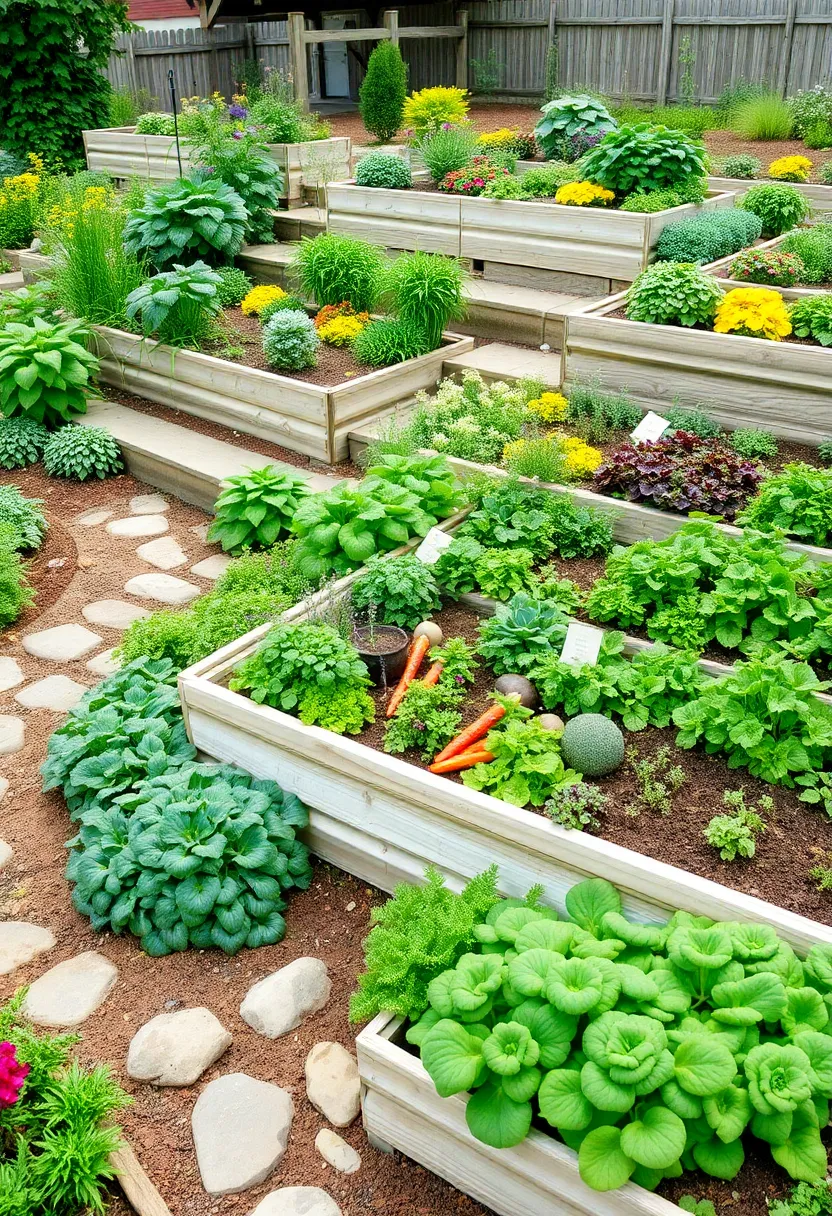
The multi-level garden is a dynamic design that features tiered sections for a visually appealing and productive vegetable garden. This layout allows for greater diversity in plant heights and types, maximizing space efficiency.
Each level can host different plants based on their sunlight and moisture needs, making your garden more manageable while enjoying its beauty. Integrate pathways for easy access to all levels, and use decorative stones or wood to define each tier.
This innovative design is not only practical but also transforms your garden into a stunning landscape.
Conclusion

As gardening continues to evolve, the creativity in raised vegetable garden designs opens up new opportunities for every gardener.
From tiered beds to pollinator-friendly designs, there are countless ways to cultivate your space sustainably and beautifully. Embrace these layout inspirations, and let your garden flourish as a reflection of your style and passion for gardening!
Frequently Asked Questions
What Are the Key Benefits of Using Raised Garden Beds for Vegetable Gardening?
Raised garden beds offer numerous advantages for vegetable gardening! They improve soil drainage and warmth, which helps plants grow better. Plus, they can reduce soil compaction and make it easier for you to manage weeds and pests.
With raised beds, you can customize the soil mix to suit your vegetables, enhancing nutrient availability. They also provide a defined space, making your garden layout ideas more organized and visually appealing!
How Can I Plan a Productive Vegetable Garden Layout?
Planning a productive vegetable garden layout starts with understanding your space and the amount of sunlight your plants need. Group plants by their watering and nutrient needs for efficiency. Consider using vertical gardening techniques to maximize space, especially in urban environments.
Additionally, incorporating companion planting can enhance growth and deter pests. By using these vegetable garden planning tips, you’ll create a thriving garden that yields plenty of delicious produce!
What Are Some Effective Urban Gardening Tips for Small Spaces?
Urban gardening doesn’t have to be limited to small pots on a balcony! Using vertical raised garden designs can significantly expand your planting area. Consider wall-mounted planters or stacked garden beds to utilize vertical space. You can also opt for container gardening to mix and match plants in a compact area.
Don’t forget to select plants that grow well in your specific conditions, and ensure you have adequate sunlight. These urban gardening tips can help you transform any small space into a productive garden!
How Do Sustainable Gardening Practices Benefit My Vegetable Garden?
Embracing sustainable gardening practices can greatly benefit your vegetable garden! Techniques like composting, crop rotation, and using organic pest control promote healthy soil and plants. Sustainable practices help conserve water and reduce chemical use, leading to a more eco-friendly garden.
By improving biodiversity and soil health, you’ll see better yields and more resilient plants. Plus, you’ll feel great knowing you’re contributing to a healthier planet while enjoying your homegrown vegetables!
What Are Some Creative Layout Inspirations for Raised Vegetable Gardens?
If you’re looking for layout inspirations for your raised vegetable garden, think outside the box! You can create a grid layout for efficient planting or a keyhole garden for easy access to crops. Consider incorporating pathways for easier maintenance and a visually pleasing design.
Using color-coded plant markers can also enhance the visual appeal while helping you keep track of your veggies. Explore various styles, and let your creativity shine in your garden design!