

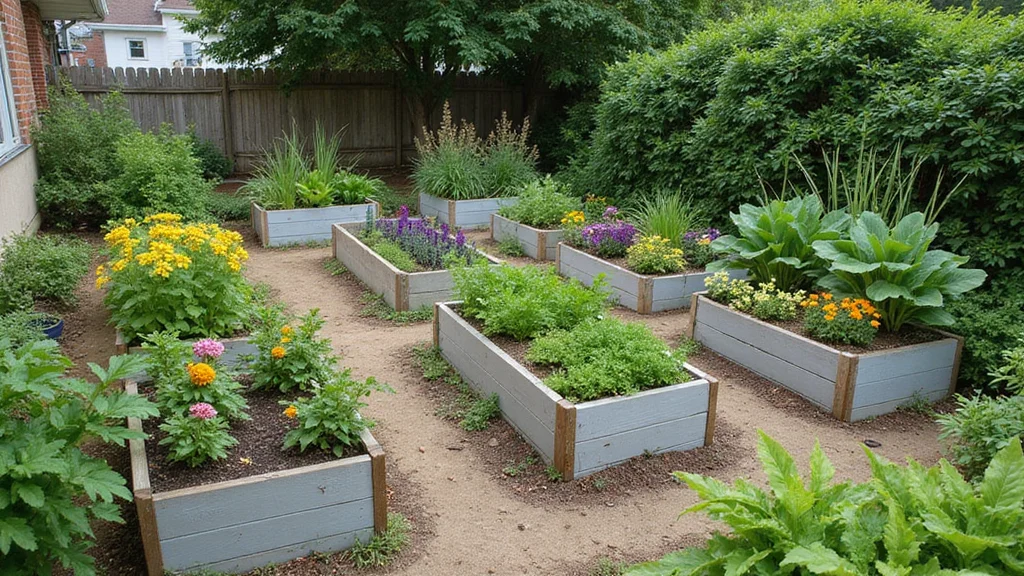
Creating a beautiful garden can feel like a daunting task, especially if you’re working with a small space. That’s why I put this post together—because I know a lot of you are eager to dig into DIY gardening projects but may not know where to start. Raised garden beds offer a practical solution for growing vegetables, herbs, and flowers, all while making the most of your available space. Plus, they can add a charming touch to your backyard or balcony.
If you’re someone who loves urban gardening ideas and wants to grow your own food, this guide is for you. Whether you’re a seasoned gardener or just getting your hands dirty for the first time, you’ll find inspiration and guidance tailored to your needs. Raised garden beds are not only functional; they can also be stylish, making them a great fit for anyone looking to make their outdoor area more inviting.
In this post, I’ve compiled 20 building-friendly inspirations that cater to a range of tastes and skill levels. From classic wooden raised beds to creative solutions like vertical stacked planters and mobile garden beds, you’ll discover options that are easy to implement and perfect for small spaces. We’ll discuss sustainable gardening practices, so you can feel good about what you grow. By the end of this guide, you’ll have the tools and ideas to transform your space into a thriving backyard vegetable garden or a cozy herb nook. Let’s dive in and get growing!
Key Takeaways
– Raised garden beds help maximize space and make planting easier for those with limited yard area.
– Discover different materials for your raised beds, including wood, cinder blocks, and eco-friendly options.
– Many styles, such as tiered and vertical gardens, can fit in even the smallest urban settings.
– Building raised beds is a beginner-friendly project that can yield fresh produce right at home.
– Sustainable gardening practices, like using companion planting and mulching, can enhance your gardening experience and yield.
1. Classic Wooden Raised Beds
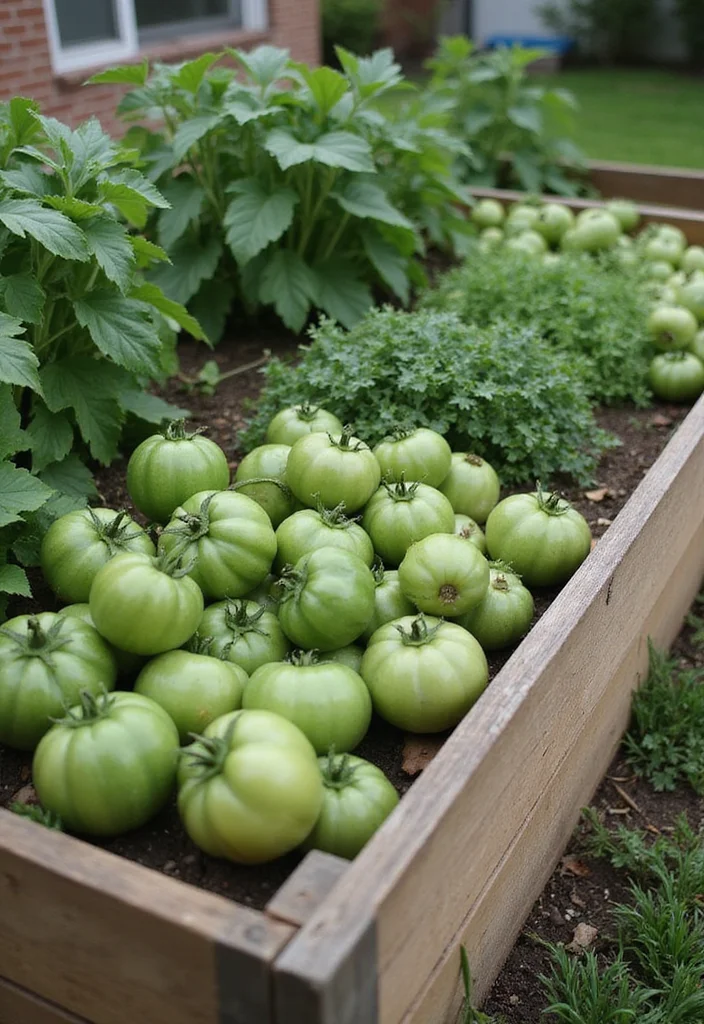
Classic wooden raised beds are a favorite among gardeners for so many reasons. They offer a timeless look that fits well in any garden. Using untreated cedar or pine gives a rustic feel and allows for excellent drainage, making it perfect for growing tomatoes, peppers, or herbs. Pinterest loves these designs because they blend functionality with charm. To build your own, keep it simple and budget-friendly! Opt for rot-resistant wood, and line the bottom with landscape fabric to keep weeds at bay. Aim for a depth of 12 to 18 inches to promote healthy root growth. With a little creativity, you can customize these beds to fit any space, making your garden not just productive but beautiful too. • Choose untreated cedar or pine for a rustic look
• Line with landscape fabric to prevent weeds
• Build at least 12-18 inches deep for healthy roots
• Customize shape and size to fit your garden space
With these tips, you can create a lovely garden that feels both functional and inviting.
2. Vertical Stacked Planters
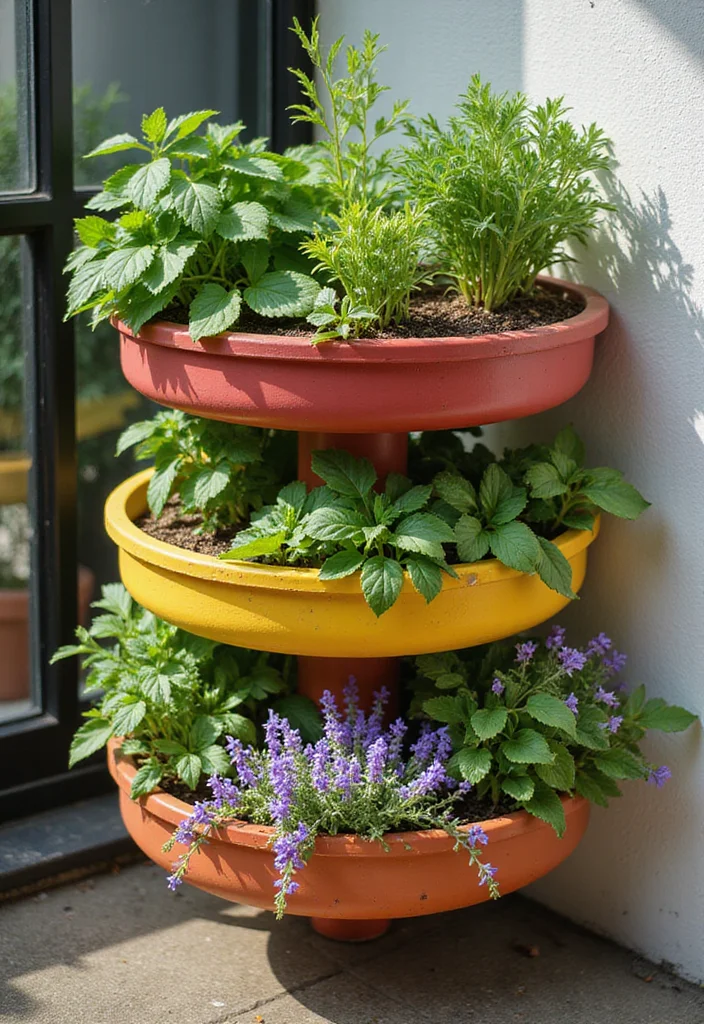
If you’re short on garden space, consider vertical stacked planters. These clever designs let you grow a variety of plants in a small area, making them perfect for patios or balconies. Use materials like concrete blocks or wooden pallets to create an eye-catching feature that’s easy to maintain. This trend is popular on social media for its unique look and practicality. To implement this design, fill each layer with soil and plant your favorites. Herbs and small vegetables like radishes or lettuce thrive in these stacked beds. They are easy to water from the top down, ensuring all plants get the moisture they need. Plus, adding a splash of paint can enhance their visual appeal. • Use concrete blocks or pallets for a unique design
• Fill each layer with quality soil for healthy growth
• Water from the top layer down for easy maintenance
• Paint or stain wood for a decorative touch
With vertical planters, you’ll enjoy a thriving garden even in tight spaces.
3. Pallet Garden Beds
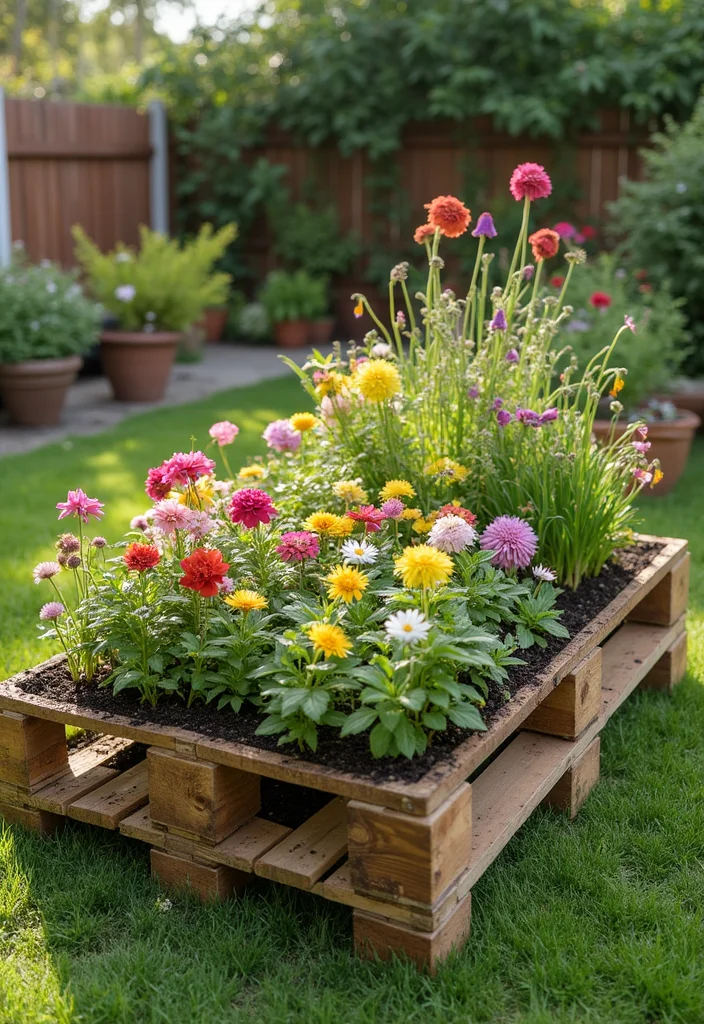
Transforming old pallets into garden beds is both eco-friendly and economical! With a few simple steps, you can turn these wooden structures into beautiful raised beds. Make sure to use heat-treated pallets to avoid harmful chemicals. This trend is gaining popularity among DIY enthusiasts looking to reuse materials creatively. Start by disassembling the pallet and reshaping it to fit your garden. Reinforce the corners for added stability, then line the inside with landscaping fabric to keep soil in while blocking weeds. These beds are perfect for herbs or flowers, giving your garden a rustic flair. • Disassemble pallets and reconfigure them for your design
• Reinforce corners for added stability
• Line with landscaping fabric to keep soil in
• Perfect for growing herbs or flowers
With these tips, you can create charming raised beds that are budget-friendly and eco-conscious.
4. Raised Beds on Wheels
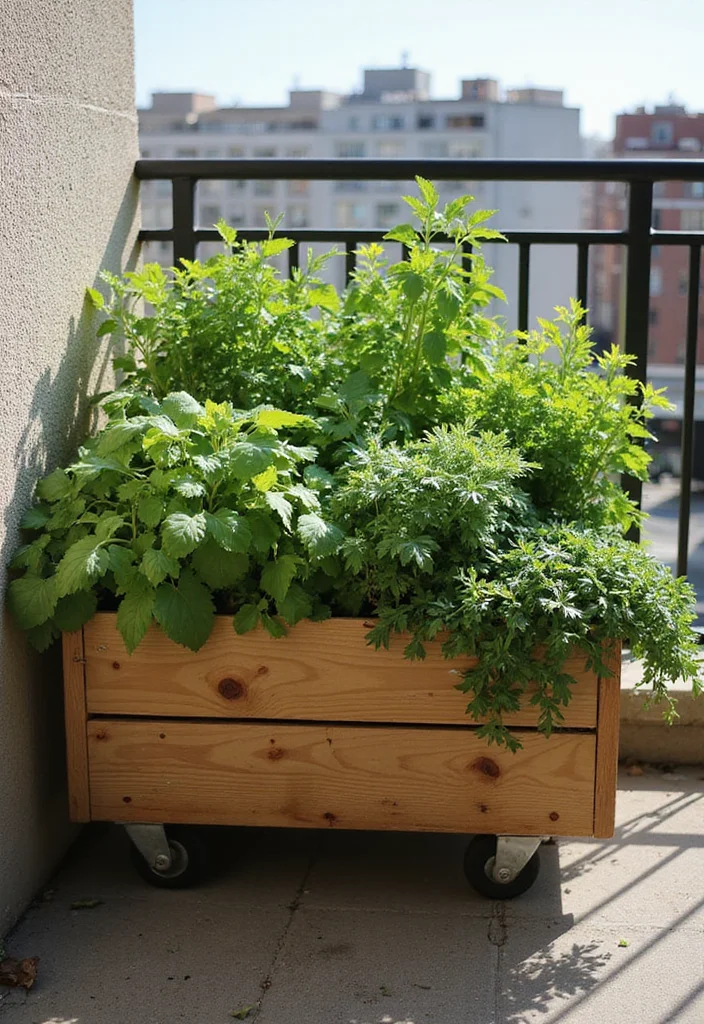
If you want flexibility in your gardening, consider raised beds on wheels! This design allows you to easily move your garden to catch the sun or protect plants from harsh weather. Building these beds is simple; just attach sturdy casters to the bottom of a traditional raised bed. This trend is great for urban gardeners with limited sunlight. When constructing, ensure the wheels lock in place for stability. You might also want to build deeper beds to accommodate larger crops. These mobile beds can become beautiful additions to balconies or patios while providing convenience and functionality. • Attach casters for easy mobility
• Ensure wheels lock in place for stability
• Build deeper beds for larger plants
• Perfect for urban gardening with limited sunlight
With these raised beds on wheels, you can enjoy a dynamic and adaptable garden space.
5. Cinder Block Raised Planters
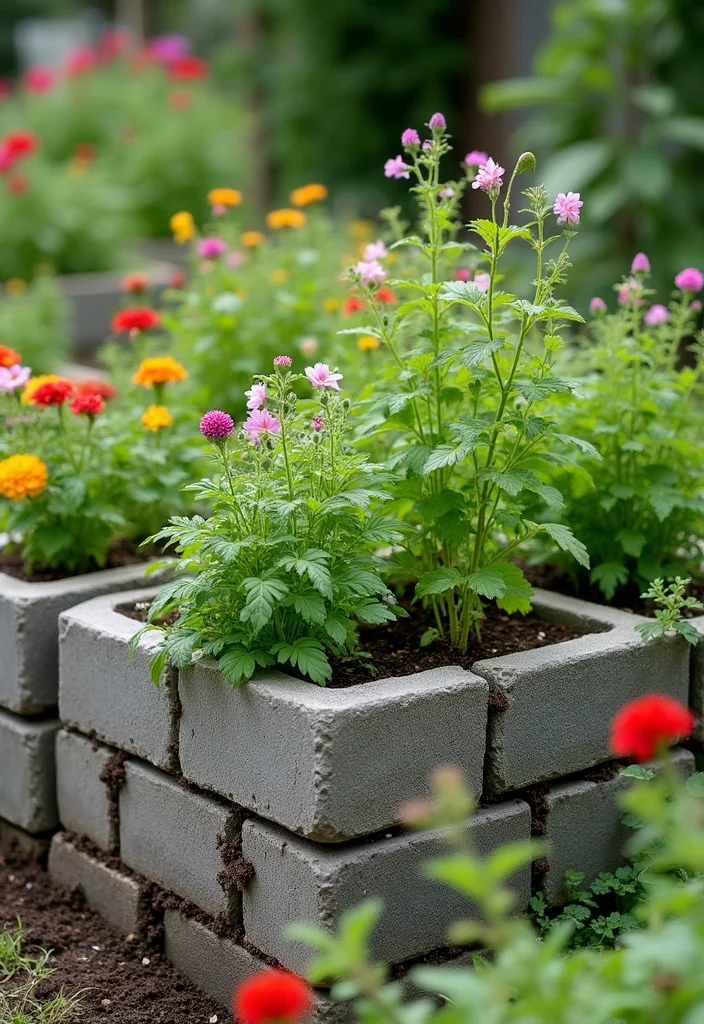
Cinder blocks are versatile and perfect for creating raised planters! They allow for excellent drainage while utilizing the hollow centers for growing herbs or flowers. This method is not only simple but also adds a modern touch to your garden. Many DIY enthusiasts are turning to cinder blocks for their durability and style. To build, arrange cinder blocks in a rectangular shape and fill them with soil. Use the holes to plant herbs or flowers, adding an extra pop of green. You can even paint the blocks for a creative flair that matches your garden’s theme. • Arrange cinder blocks in a rectangular shape
• Fill with quality soil for healthy plants
• Use holes to plant herbs or flowers
• Paint blocks for a personalized touch
These cinder block planters can enhance your garden’s aesthetic while providing functional space for your plants.
6. Tiered Garden Beds
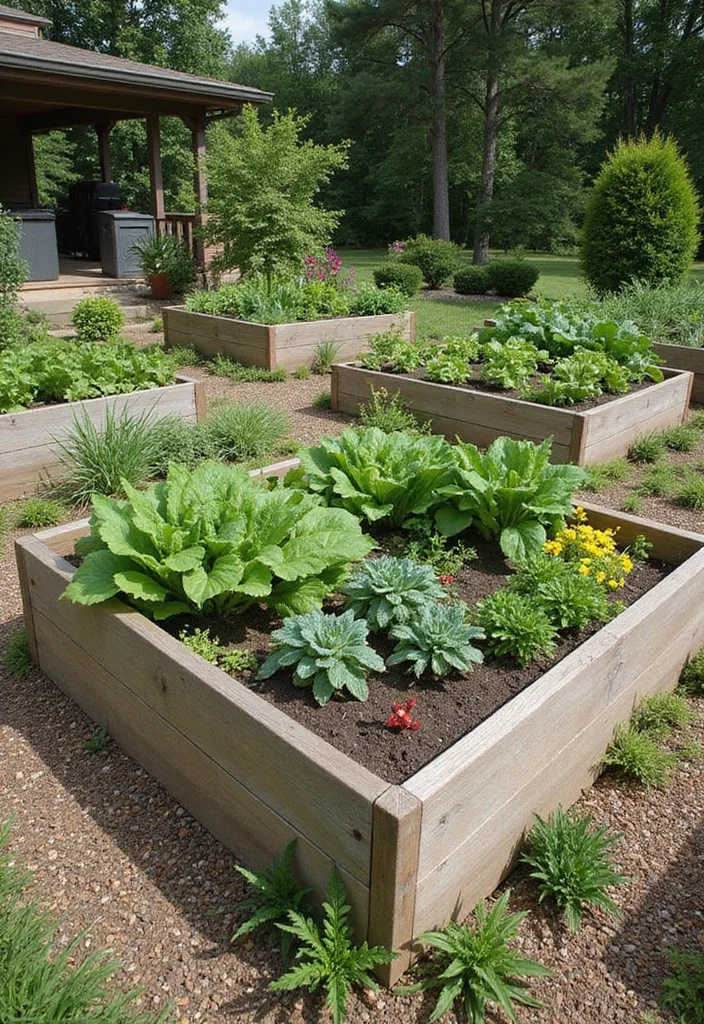
Tiered garden beds elevate your planting while creating a stunning focal point in your yard. This design may be a bit more complex to build, but the visual appeal is worth the effort. Each level can host different plants that thrive at varying heights, making your garden more diverse. This trend is popular among gardeners looking to maximize their planting space. To build tiered beds, consider your layout carefully. The increased soil capacity allows for a variety of plants while reducing back strain as you can plant at different heights. These beds not only serve a practical purpose but also enhance the beauty of your landscape. • Plan your layout carefully for best results
• Increase soil capacity for more plants
• Reduce back strain by planting at different heights
• Create a stunning landscape feature
With tiered beds, you can enjoy a beautiful and productive garden that stands out.
7. Hanging Garden Beds

If you’re limited on floor space, hanging garden beds could be just what you need! These designs allow you to utilize wall-mounted planters or hanging pots, bringing your garden up to eye level. This method is great for growing herbs or small flowers, making your garden both practical and decorative. Many people are embracing this trend for its space-saving benefits. To create your hanging garden, choose sturdy wall brackets and pots that can hold soil and plants. Arrange them in an appealing pattern to enhance your space. Lightweight soil will help keep the pots manageable and prevent them from pulling away from the wall. • Use sturdy wall brackets for support
• Arrange pots in a pleasing pattern
• Use lightweight soil for easy maintenance
• Perfect for small spaces and urban settings
With hanging garden beds, you can enjoy a beautiful garden even in limited spaces.
8. Rustic Crate Gardens
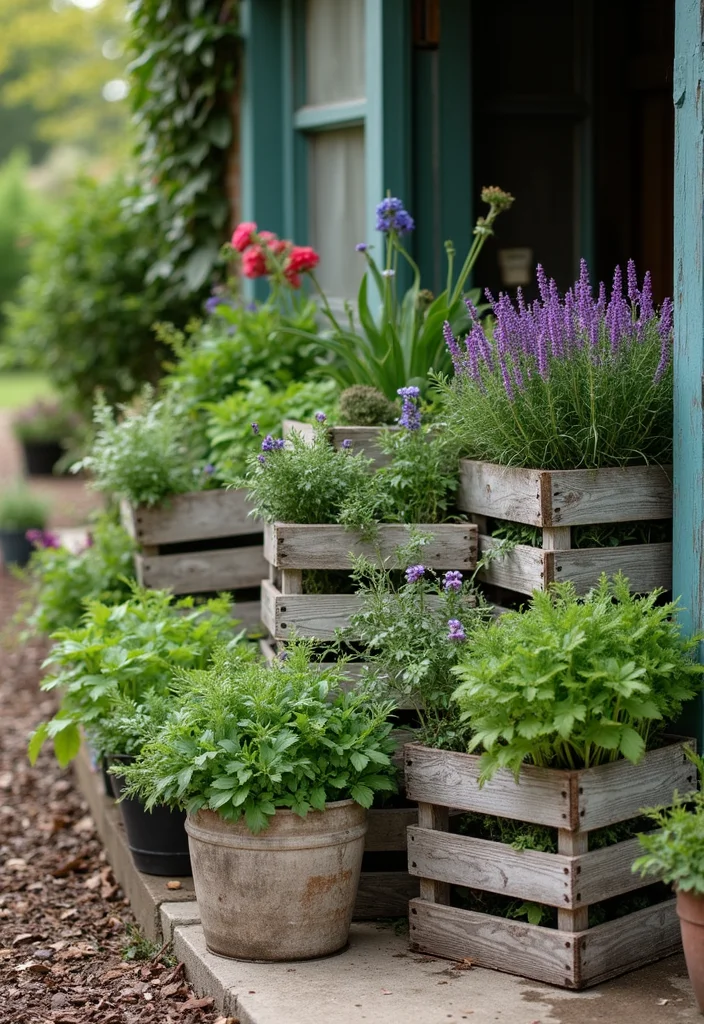
Old wooden crates can be transformed into charming raised garden beds with a bit of creativity! Their rustic look adds character to your garden, making them ideal for small veggies or herbs. You can stack them for a unique arrangement or keep them single for a minimalist approach. This DIY trend is perfect for those looking to add a personal touch to their gardening. Start by choosing crates that are free from pesticides or treatments. Line the inside with landscaping fabric to keep soil in place. Fill with soil and plant your seeds, and watch your garden flourish! • Choose untreated wooden crates for safety
• Line with landscaping fabric to contain soil
• Fill with quality soil for healthy plants
• Stack or arrange for a unique design
With rustic crate gardens, you can create a delightful and personalized gardening experience.
9. Concrete Raised Beds
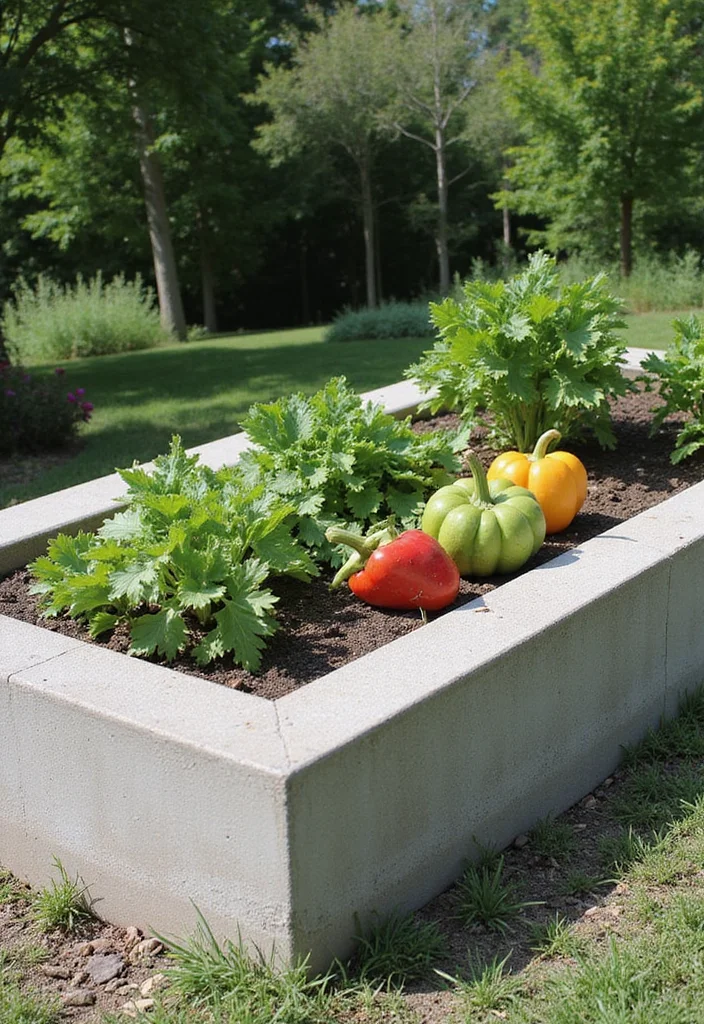
For a sturdy and modern garden aesthetic, consider concrete raised beds. While they require a bit more effort to construct, their durability and heat retention make them a great choice for vegetable gardening. Many gardeners are using concrete blocks or molds for unique shapes that stand out. This trend is gaining traction for its sleek and clean lines. When building, ensure proper drainage by incorporating gravel at the bottom. You might also want to paint or seal the concrete to enhance its look. These beds work well for permanent installations in larger gardens. • Include gravel for drainage at the bottom
• Paint or seal concrete for a polished look
• Perfect for permanent installations in gardens
• Create unique shapes with molds or blocks
With concrete raised beds, your garden can have a contemporary vibe that impresses.
10. Smart Garden Beds with Irrigation
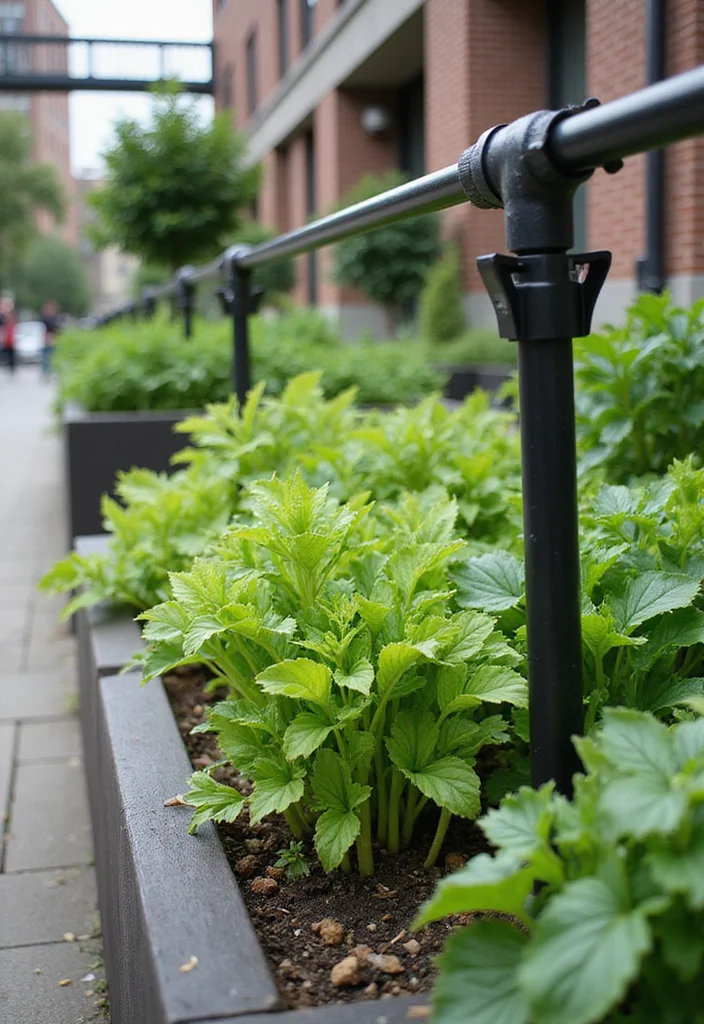
For those who love technology, smart garden beds are an exciting option! These innovative systems can help you manage watering and nutrients with ease. By adding drip irrigation and moisture sensors, you can automate your plant care. This trend is perfect for busy gardeners who want to ensure their plants thrive without constant attention. To set up, you’ll need drip irrigation tubing, connectors, and a moisture sensor for alerts. Consider adding a timer for regular watering schedules, making it even simpler. These smart beds promote sustainability while saving you time. • Add drip irrigation tubing for efficient watering
• Install a moisture sensor for alerts
• Use a timer for regular watering schedules
• Perfect for busy lifestyles and efficient gardening
With smart garden beds, you can enjoy a thriving garden with less effort.
11. Tiered Vertical Gardens
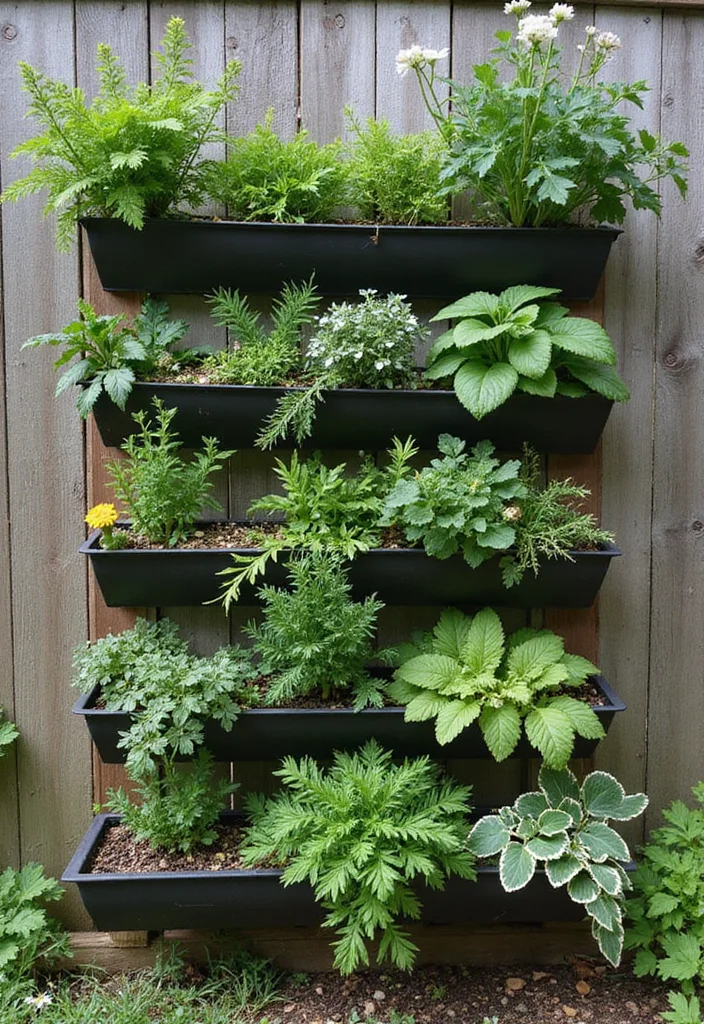
Tiered vertical gardens are fantastic for areas where ground space is limited. By stacking your plants on top of each other, you create a visually striking display while maximizing planting area. This design makes it easier to manage and harvest your plants, which is a huge plus. It’s a popular method for gardeners looking to beautify their spaces. When creating tiered vertical gardens, think about the types of plants you want to include. You can mix a variety of plants for a diverse look. This method not only maximizes space but also enhances the overall aesthetic of your garden. • Stack plants vertically for a striking display
• Mix different plant types for diversity
• Eases maintenance and harvesting tasks
• Perfect for small areas and urban gardens
With tiered vertical gardens, you can enjoy a beautiful and productive garden without taking up too much space.
12. Greenhouse Raised Beds
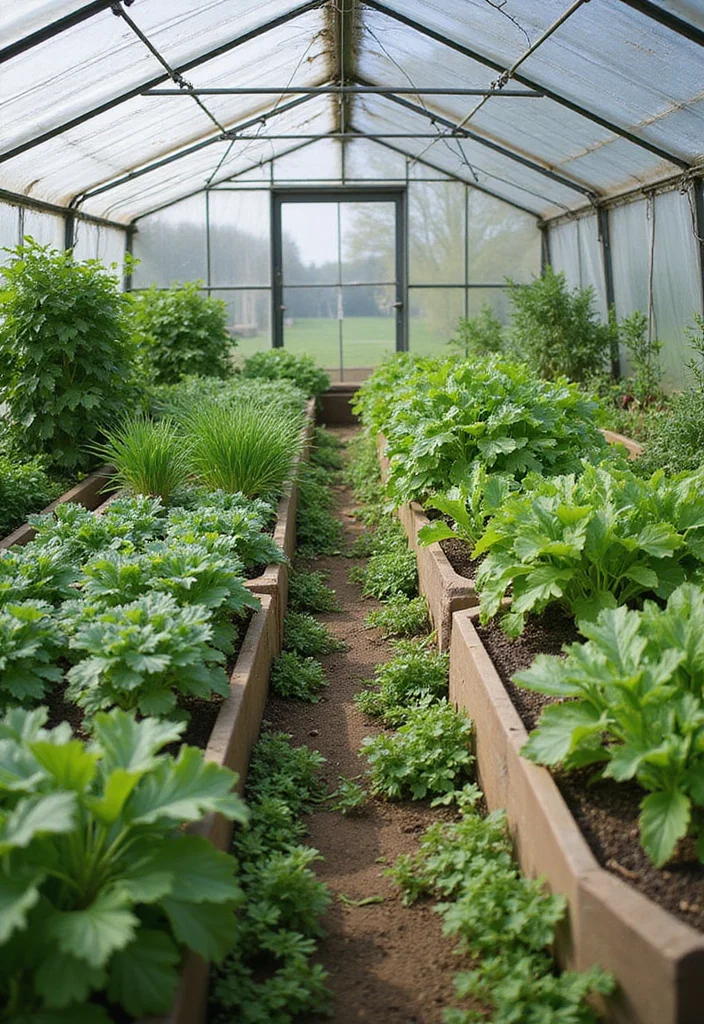
Adding raised beds inside a greenhouse can extend your gardening season significantly. These beds help manage soil more effectively while offering protection from the elements. You can design them as permanent structures or movable setups based on your needs. This approach is popular among gardeners who want to maximize their growing potential. When planning your greenhouse raised beds, ensure there’s adequate drainage. Use materials that retain heat well for better temperature control, and plan for easy access to each bed for maintenance. This setup creates a microclimate that allows your plants to thrive year-round. • Ensure adequate drainage for healthy plants
• Use heat-retaining materials for temperature control
• Plan for easy access to each bed
• Create a microclimate for year-round growth
With greenhouse raised beds, you can enjoy gardening all year long!
13. Modular Raised Beds
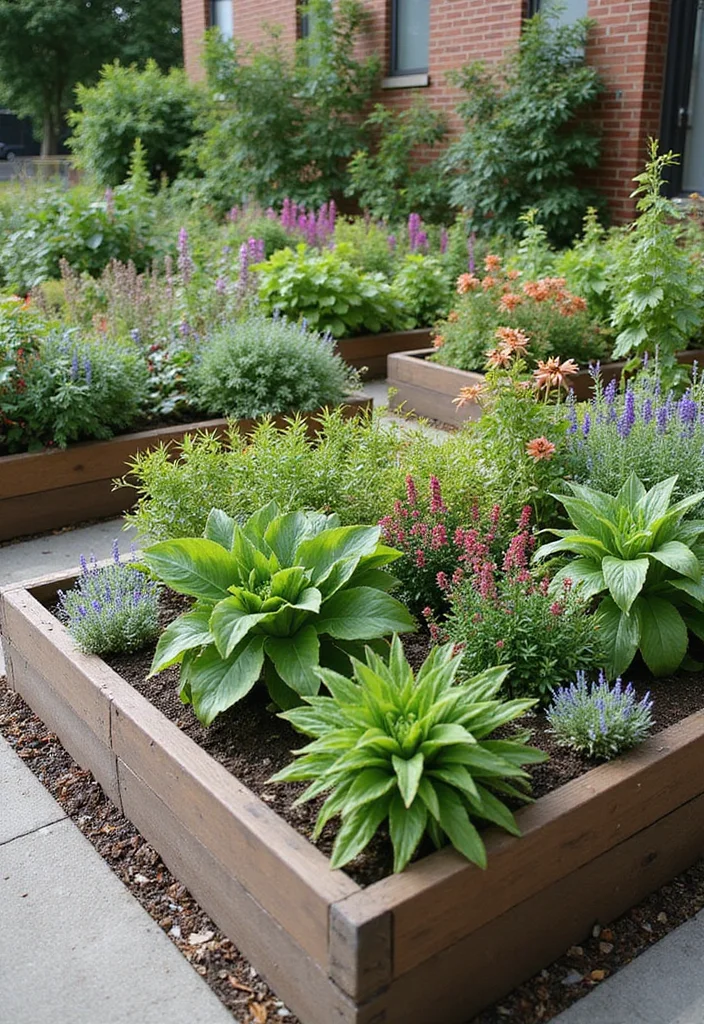
Modular raised beds offer incredible flexibility in your garden design. These systems consist of individual units that can be rearranged or added to as your gardening needs change. This adaptability makes them perfect for small spaces, allowing you to create a layout that suits your plants. Many gardeners love this trend for its convenience and simplicity. When selecting modular beds, consider materials that fit your aesthetic. You can easily reconfigure the layout whenever you want, making it ideal for various plant types and sizes. As your gardening skills grow, these beds can expand to meet your needs. • Choose modular units for flexibility
• Rearrange as needed for different layouts
• Ideal for various plant types and sizes
• Expand as your gardening skills grow
With modular raised beds, you can enjoy a garden that evolves with you.
14. Herb Spiral Gardens
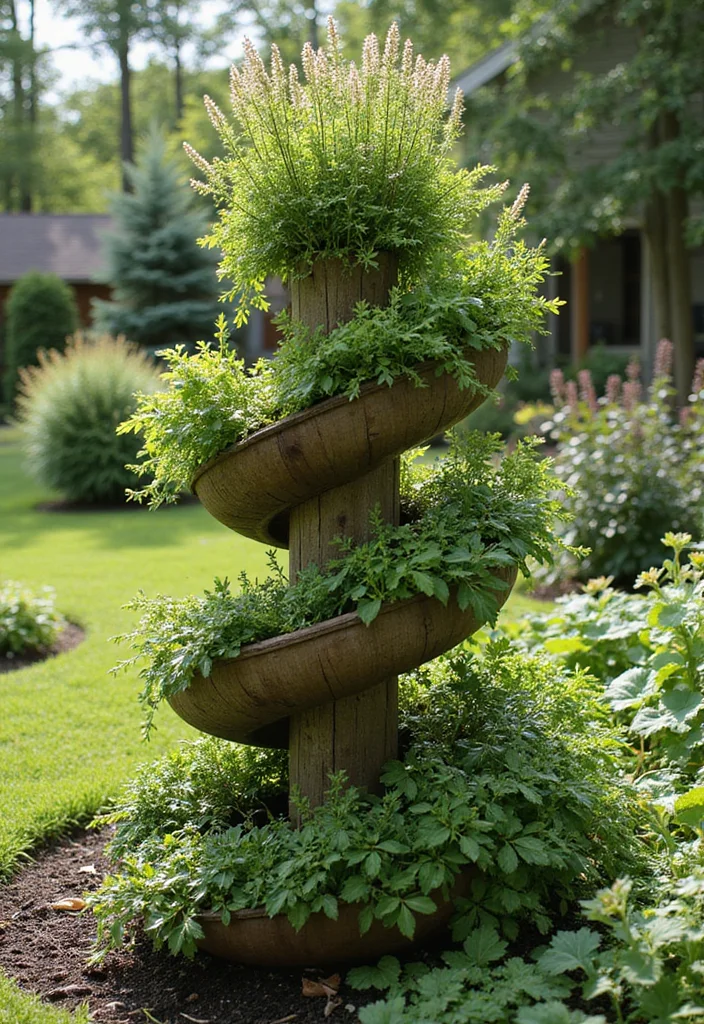
A herb spiral is a creative way to plant a variety of herbs in a small footprint. This design features a spiral shape that allows for different moisture and sun levels at various heights. It’s not only functional but also visually appealing, making it a favorite among gardeners. Many enthusiasts are embracing this design for its efficiency and beauty. To build your herb spiral, start with a base made of stones or bricks. Construct the spiral shape while adding soil and gravel as you go. This method allows you to plant herbs around the spiral, catering to their differing moisture needs. • Create a base with stones or bricks
• Build upwards in a spiral shape
• Plant herbs around the spiral, adjusting for moisture needs
• Enjoy both beauty and functionality in your garden
With herb spirals, you can cultivate a diverse and attractive herb garden!
15. Bug Hotel Raised Beds
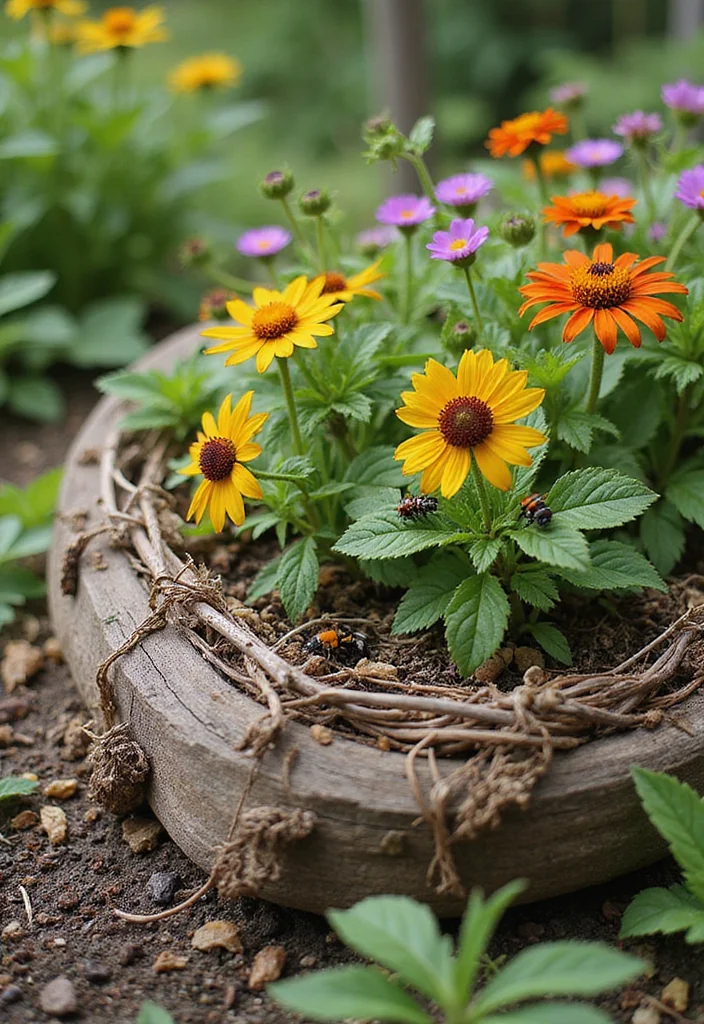
Combine gardening with ecology by creating raised beds designed for beneficial bugs! These beds attract helpful insects while providing ample space for your plants. Use logs, twigs, and flowers that appeal to pollinators. This trend is great for those looking to enhance biodiversity in their gardens. When planning, include a mix of flowering plants to attract bees and butterflies. You can also add hollow stems or wooden piles to create habitats for insects. Make sure the beds are at least 12 to 18 inches deep to accommodate both plants and bug homes. • Plant a mix of flowering plants for pollinators
• Include logs and twigs for insect habitats
• Make beds at least 12-18 inches deep
• Create a mini-ecosystem in your garden
With bug hotel raised beds, your garden can flourish and help the environment.
16. Straw Bale Raised Beds

Straw bale gardening is an innovative method that uses bales as raised beds. These bales offer excellent insulation for roots and require minimal soil. Conditioning the bales before planting is a key step and can lead to great results. Many gardeners are exploring this method for its simplicity and effectiveness. To get started, water the straw bales for a few days to kick off the decomposition process. After that, plant directly into the bales, adding soil as needed for support. Keeping the bales moist is essential for plant growth. • Water bales for a few days to initiate decomposition
• Plant directly into the bales with soil
• Keep bales moist for healthy growth
• Ideal for those with poor soil conditions
With straw bale gardening, you can enjoy a unique and productive gardening experience!
17. Raised Beds with Trellis Support
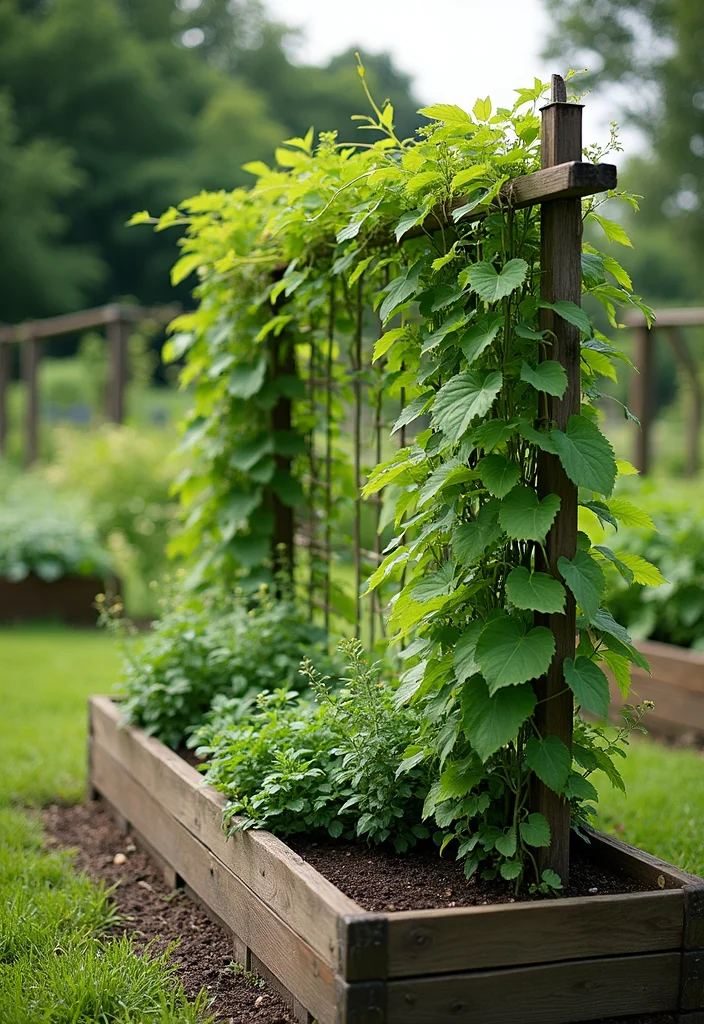
Adding a trellis to your raised bed design can save space and promote growth for climbing plants. This setup allows you to grow beans or cucumbers vertically, maximizing your planting area while adding visual interest. This trend is popular among gardeners looking to create a more organized garden. When building, use sturdy materials for the trellis, like wood or metal, ensuring it’s securely anchored to handle heavy plants. Choose plants that thrive in vertical gardens for the best results, and enjoy a beautiful backdrop in your garden. • Use sturdy materials for your trellis
• Securely anchor the trellis to support heavy plants
• Choose plants that thrive in vertical gardens
• Create a beautiful backdrop for your garden
With raised beds and trellis support, you can create a dynamic and visually appealing garden space.
18. Raised Beds with Companion Planting

Companion planting is a smart way to add biodiversity to your raised beds. By planting species that benefit each other, you create a harmonious ecosystem that can deter pests and enhance growth. This trend is gaining traction as more gardeners discover its benefits. For example, tomatoes and basil work wonderfully together, while carrots and onions can keep pests away when planted side by side. Marigolds are another great choice, as they repel harmful insects and attract pollinators. Understanding these relationships can lead to a thriving vegetable garden. • Pair tomatoes and basil for mutual benefits
• Plant carrots and onions together to repel pests
• Use marigolds to attract pollinators
• Create a harmonious ecosystem in your garden
With companion planting, your garden can thrive while creating a more balanced environment.
19. Raised Beds with Mulching

Using mulch in your raised beds is an effective way to retain moisture and reduce weeds. It’s a simple practice that can significantly improve the health of your plants. Many gardeners turn to organic materials like straw, wood chips, or grass clippings for this purpose. This trend is popular for its effectiveness and ease of use. To mulch your beds, apply a 2 to 3-inch layer around your plants after planting. Be sure to keep the mulch away from the stems to prevent rot. Replenishing the mulch throughout the growing season will help maintain its benefits. • Apply a 2-3 inch layer of mulch after planting
• Keep mulch away from plant stems to avoid rot
• Replenish as needed throughout the growing season
• Enjoy improved plant health and reduced weeds
With mulching, your raised beds can thrive while looking neat and tidy.
20. Eco-Friendly Raised Beds

Consider building eco-friendly raised beds using sustainable materials and practices. Opt for reclaimed wood, bamboo, or recycled materials to minimize waste while creating a unique garden aesthetic. This approach helps the environment and offers a fresh look for your garden. Many gardeners are taking this trend seriously for its positive impact. Research local resources for reclaimed materials and consider organic soil and fertilizers to support sustainability. Incorporating rainwater harvesting systems can also enhance your gardening practices. • Choose reclaimed or recycled materials for building
• Implement organic pest control methods for health
• Use rainwater harvesting for irrigation
• Create a garden that benefits the environment
With eco-friendly raised beds, your gardening can contribute positively to the planet.
Conclusion
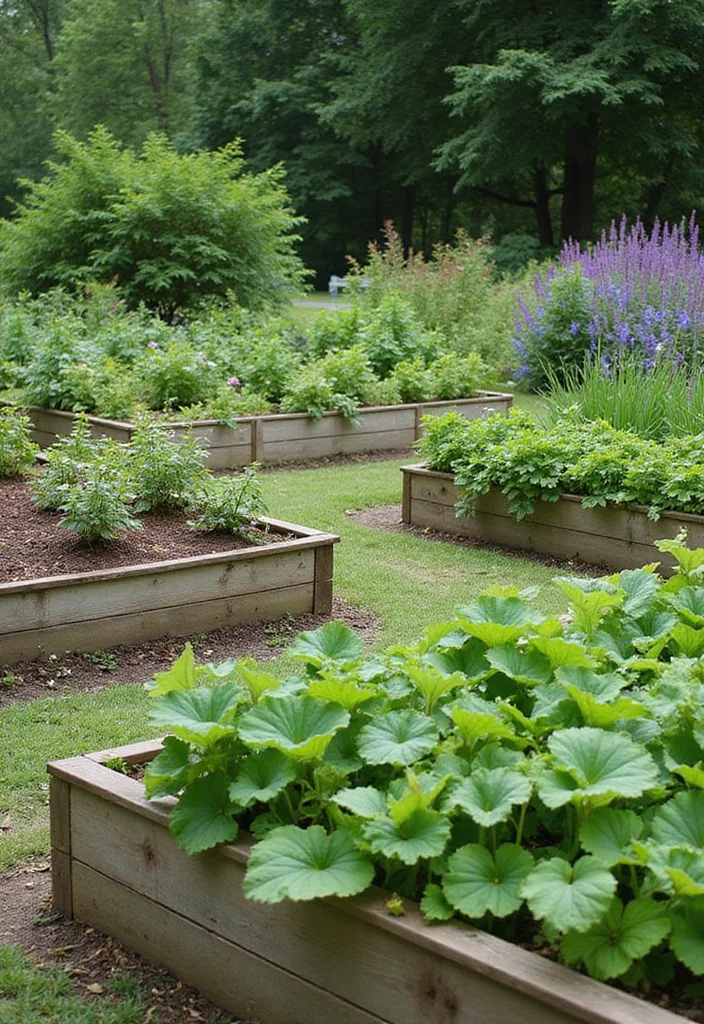
Building raised garden beds is an exciting way to cultivate your green thumb while enhancing your outdoor space.
With these 20 inspirations, you have a wealth of ideas to explore and customize for your own DIY gardening project.
Start your journey towards a sustainable backyard vegetable garden today and watch your plants flourish!
Frequently Asked Questions
What Are the Benefits of Using Raised Garden Beds for Urban Gardening?
Raised garden beds are fantastic for urban gardening! They provide excellent drainage, which is crucial in smaller spaces where soil quality can be poor.
Additionally, they allow for better control over soil quality and temperature, making it easier to grow a variety of plants. Plus, they can be placed at a convenient height, reducing strain on your back while you garden. This makes them ideal for DIY gardening projects in tight spaces!
How Do I Choose the Right Materials for My Raised Garden Bed?
Choosing the right materials is essential for building a durable raised garden bed. You can use wood, brick, or even recycled materials!
For wood, opt for untreated cedar or redwood, as they resist rot naturally. If you’re going for a more modern look, consider concrete blocks or metal. Just remember to avoid treated wood, as it can leach chemicals into the soil. Whichever material you choose, ensure it’s sturdy and sustainable for your backyard vegetable garden!
What Are Some Creative Ideas for Vertical Gardening in Small Spaces?
Vertical gardening is a game-changer for small spaces! You can use wall planters, hanging pots, or even repurpose old pallets to create stunning displays.
Think about using a trellis for climbing plants or installing shelves to hold smaller pots. This not only saves ground space but also adds visual interest to your garden. For urban gardening ideas, consider planting herbs or strawberries, which thrive in vertical setups!
What Should I Consider When Planning My Raised Garden Bed Layout?
Planning the layout of your raised garden bed is key to maximizing your yield. Consider the sun exposure, water access, and spacing of plants.
You’ll want to group plants with similar water and sun needs together. Also, think about the height of your plants; taller plants should be placed on the north side to avoid shading smaller ones. This thoughtful arrangement will help you enjoy a flourishing garden while practicing sustainable gardening practices!
How Can I Ensure My Raised Garden Bed Stays Healthy and Productive Year After Year?
To keep your raised garden bed healthy and productive, focus on soil health and crop rotation. Adding organic matter like compost each year helps improve soil fertility and structure.
Also, practice crop rotation by changing the types of plants you grow in each bed annually to prevent soil depletion and pest buildup. This way, your DIY gardening projects will thrive, and you’ll enjoy bountiful harvests season after season!