

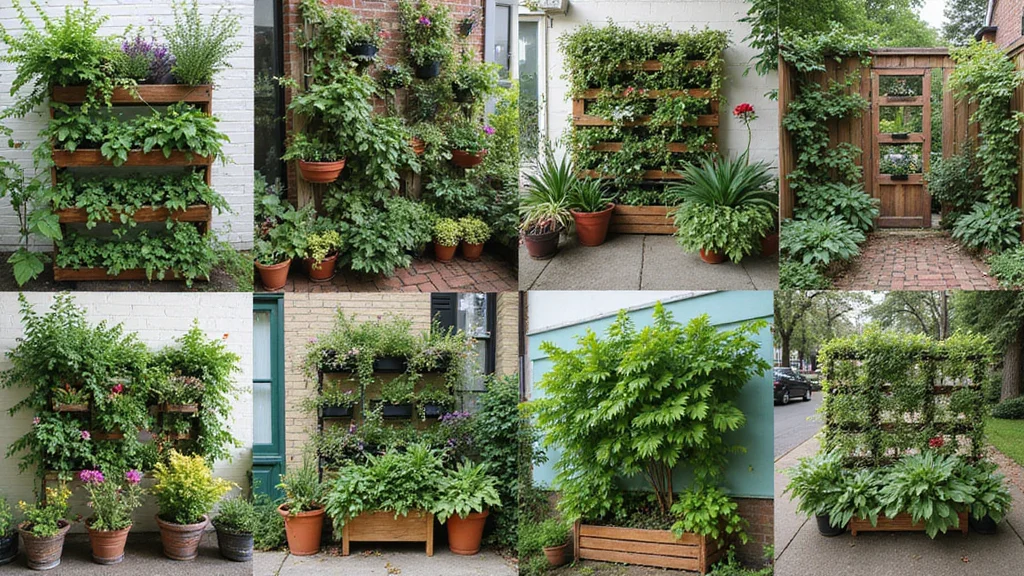
Designing a garden can feel overwhelming, especially when you’re trying to balance aesthetics with sustainability. That’s why I created this detailed guide—to simplify the planning process and help you envision your dream outdoor space. Whether you’re a seasoned gardener or just starting out, having a clear plan is key to turning your gardening dreams into reality.
This guide is perfect for anyone who wants to create beautiful urban gardens while being mindful of the environment. If you care about eco-friendly practices and want to make the most of your outdoor areas, you’re in the right place. From small balconies to spacious backyards, sustainable gardening can fit into any space, and I’m here to help you navigate that.
What you’ll find here are 19 inspiring garden design layouts, each ready for you to adapt to your own unique style and needs. These plans encompass everything from vertical gardens that maximize tiny spaces to themed gardens that tell a story. You’ll also get invaluable tips on planting schemes, outdoor planning, and creating spaces that attract pollinators and wildlife. With these ideas, you’ll not only improve your garden but also contribute positively to your community and the planet.
So, grab your sketchpad and let’s dive into the world of garden design! Together, we’ll transform your outdoor space into a vibrant, sustainable haven.
Key Takeaways
– Explore 19 distinct garden design layouts, each tailored for urban spaces and sustainable practices.
– Learn how vertical gardens can help maximize limited areas, making efficient use of vertical space.
– Discover edible landscaping ideas that not only beautify your garden but also provide fresh produce.
– Get tips on creating sensory gardens that engage all the senses, enhancing your outdoor experience.
– Understand the benefits of wildlife gardens, which help support local ecosystems while adding charm to your yard.
1. Vertical Gardens: Maximizing Space in Small Areas
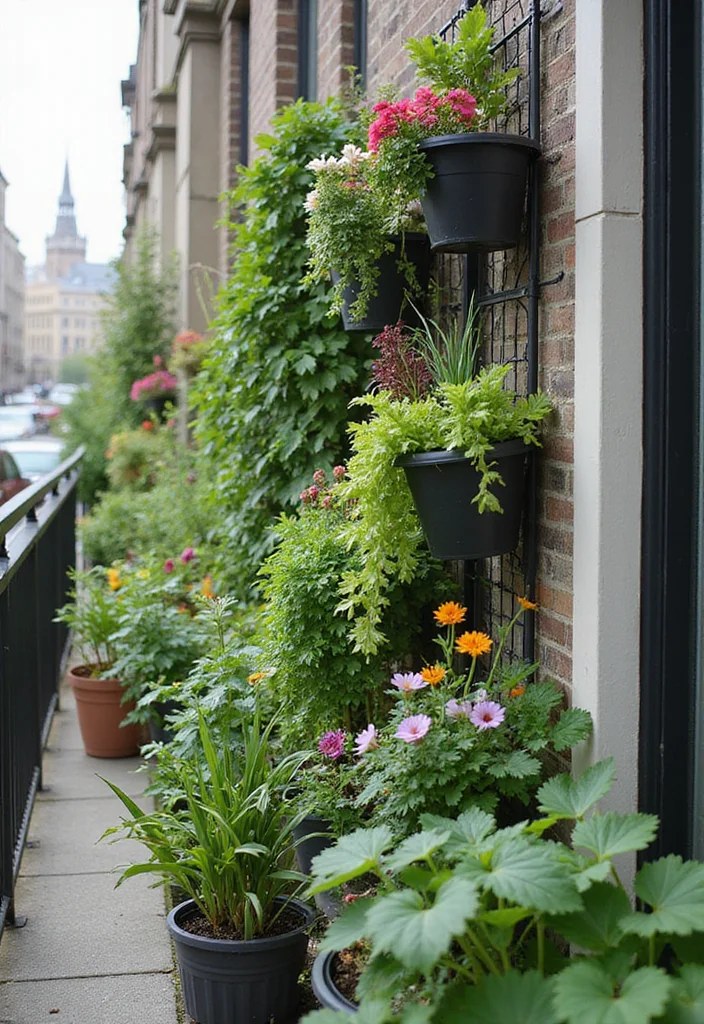
Vertical gardens are a fantastic solution for tight spaces. You can transform bare walls and fences into lush green canvases. Imagine a wall overflowing with cascading herbs, vibrant flowers, and even small veggies. Popular on Pinterest, these gardens not only beautify your area but also provide fresh ingredients for your kitchen.
To create your vertical garden, start by choosing lightweight planters. This helps to avoid putting too much weight on your walls. Opt for a mix of plants with different heights and colors for visual interest. Make sure your garden gets plenty of sunlight, ideally on south-facing walls. A drip irrigation system can simplify watering, ensuring your plants thrive.
• Use lightweight planters for ease of installation.
• Choose varying heights for an engaging display.
• Position it on a south-facing wall for optimal sun.
• Add a drip irrigation system for easy care.
With a well-planned vertical garden, you’ll enjoy a beautiful and fresh space that breathes life into any small area.
2. Edible Landscaping: A Feast for the Eyes and Taste Buds
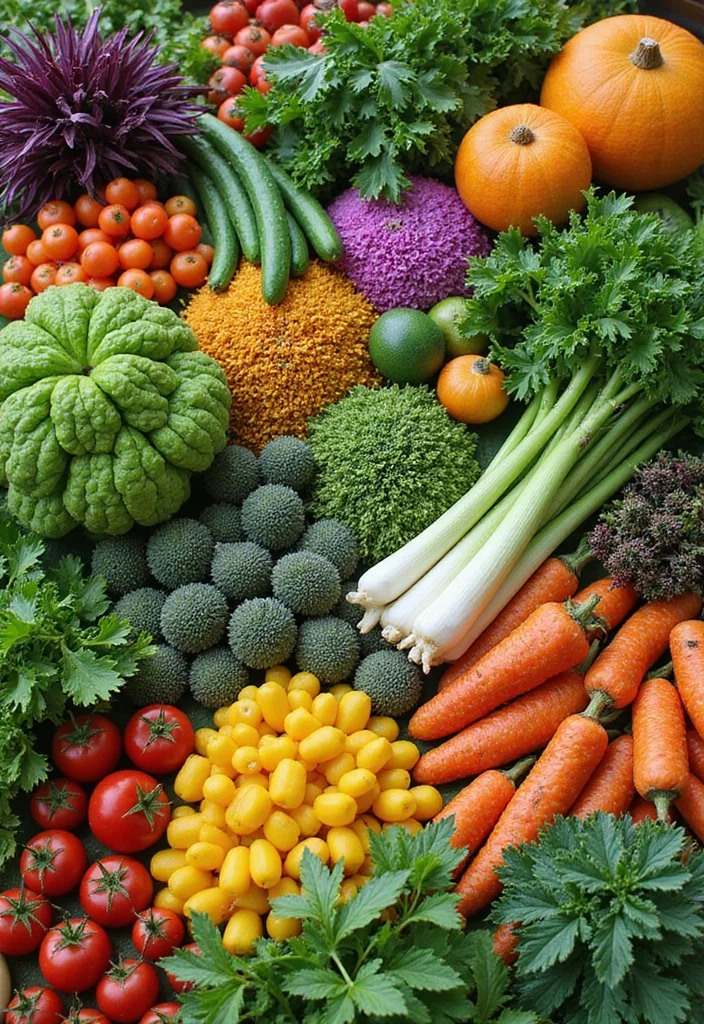
Why choose between beauty and food when you can have both? Edible landscaping allows you to cultivate delicious fruits, veggies, and herbs right in your garden. Picture your yard filled with bright strawberries mingling with colorful marigolds or kale with striking purple leaves. This trend not only makes your garden more appealing but also supports biodiversity.
When designing your edible garden, create raised beds to make maintenance easier. Pair plants that grow well together to enhance their growth and keep pests away. Consider adding fruit trees or bushes for height and vertical interest. Layer your plants by height to create a lovely visual experience.
• Create raised beds for easy care.
• Use companion planting for better growth.
• Add fruit trees for vertical variety.
• Layer plants for visual harmony.
Enjoying homegrown produce not only nourishes your body but also brings joy to your gardening experience.
3. Container Gardening: Flexibility and Flair
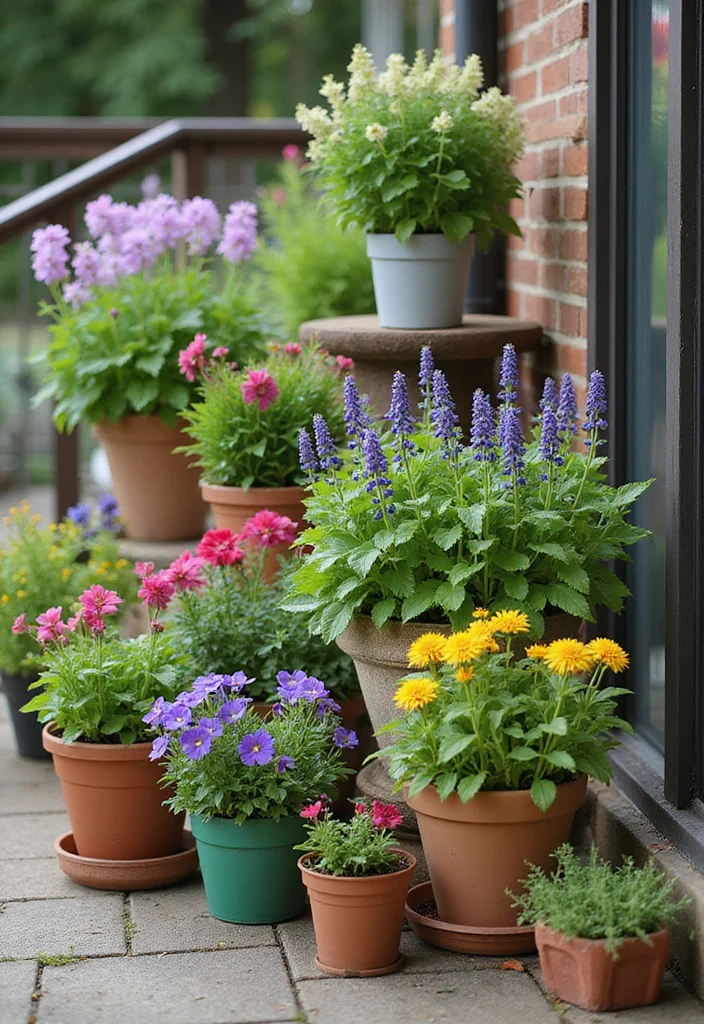
Container gardening opens up a world of possibilities, especially where space is limited. You can use pots, window boxes, or hanging baskets to bring life to your balcony or doorstep. This method allows you to easily switch up your plants and arrangements, keeping your space fresh and inviting.
For successful container gardening, select pots with good drainage to keep roots healthy. Mixing different sizes and shapes of containers can add visual interest to your garden. Use high-quality potting soil for optimal growth, and pair plants with similar water and light needs for the best results.
• Choose drainage pots for healthy roots.
• Mix container sizes for visual variety.
• Use quality potting soil for strong growth.
• Pair plants with similar needs for success.
With container gardening, you can create a lively and flexible garden that reflects your personal style.
4. Xeriscaping: Drought-Resistant Design
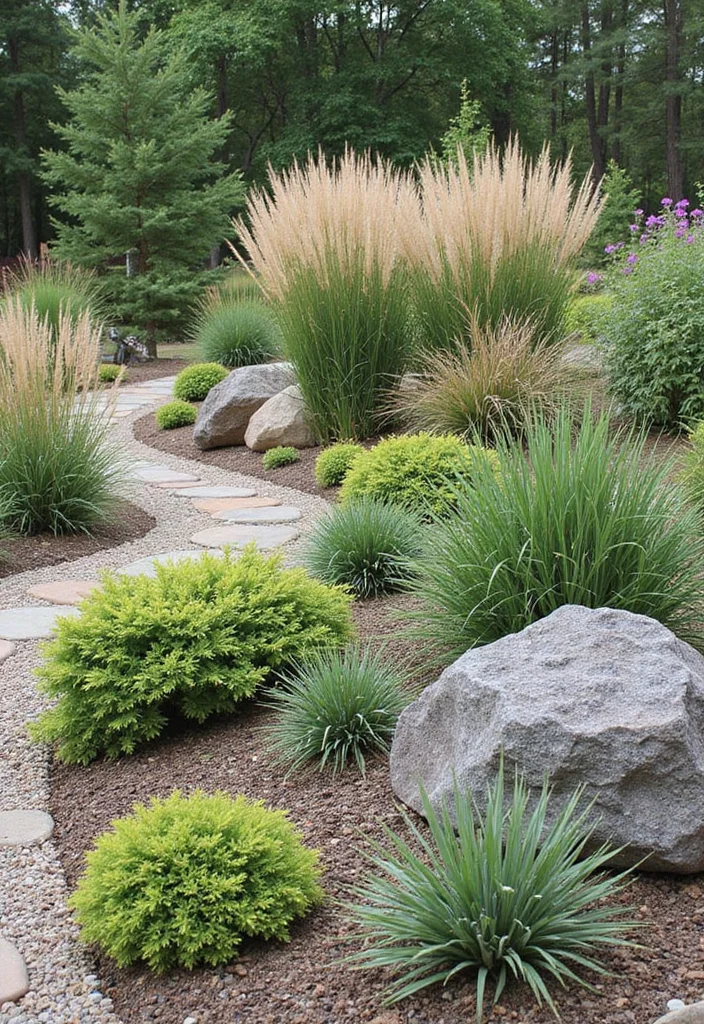
If you want to save water and still enjoy a beautiful garden, xeriscaping is a great choice. This style focuses on using drought-resistant plants that require little to no irrigation, making it eco-friendly. Think ornamental grasses, colorful succulents, and native plants that thrive in your area.
To get started, group your plants based on their water needs. Apply mulch to help keep the soil moist and reduce weeds. Incorporate hardscaping elements like stones or gravel to enhance the natural look of your xeriscape.
• Group plants by water needs for efficiency.
• Use mulch to retain moisture.
• Add stones or gravel for aesthetics.
• Choose native plants for low maintenance.
With xeriscaping, you’ll create a stunning garden that thrives with minimal water, helping the environment while looking great.
5. Community Gardens: Growing Together
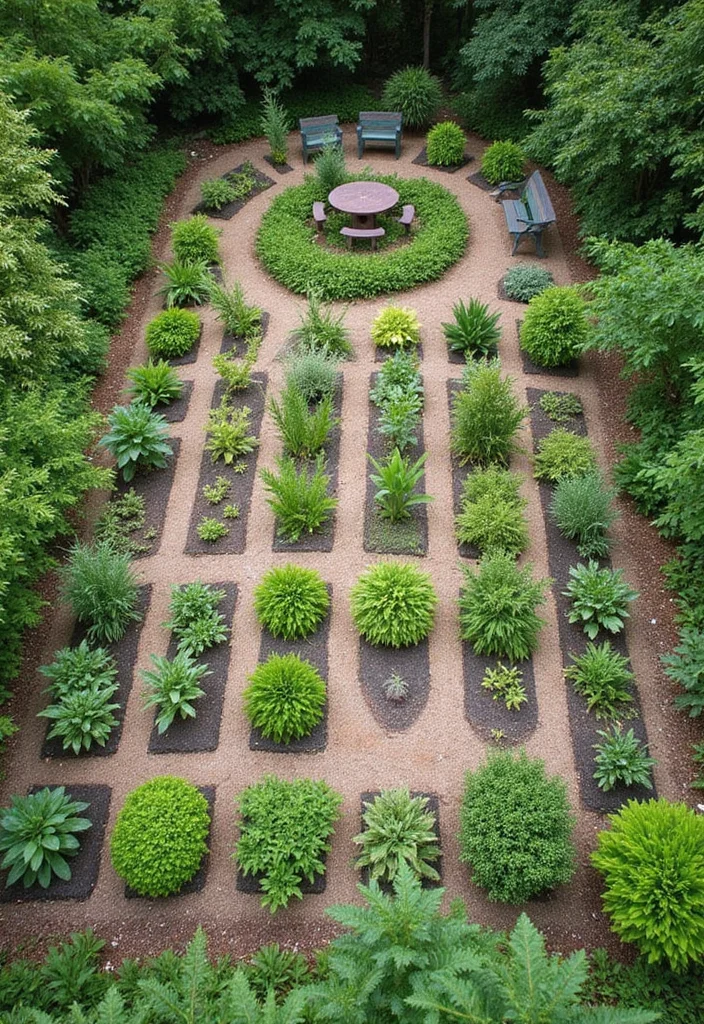
Community gardens are a wonderful way to connect with neighbors and share resources. These shared spaces allow people to come together to grow fresh produce and foster a sense of community. With thoughtful planning, you can set up individual plots for each gardener while also creating shared areas for relaxation.
Design pathways within the garden to ensure easy access to all plots. Consider adding seating areas where community members can gather and socialize. Composting stations can promote sustainability in your garden, and planning seasonal planting schedules can maximize your garden’s productivity.
• Create pathways for easy access.
• Include seating areas for community bonding.
• Set up composting stations for eco-friendliness.
• Plan seasonal schedules for productivity.
A community garden can become a vibrant hub where friendships blossom along with fresh food.
6. Pollinator Gardens: Attracting the Buzz
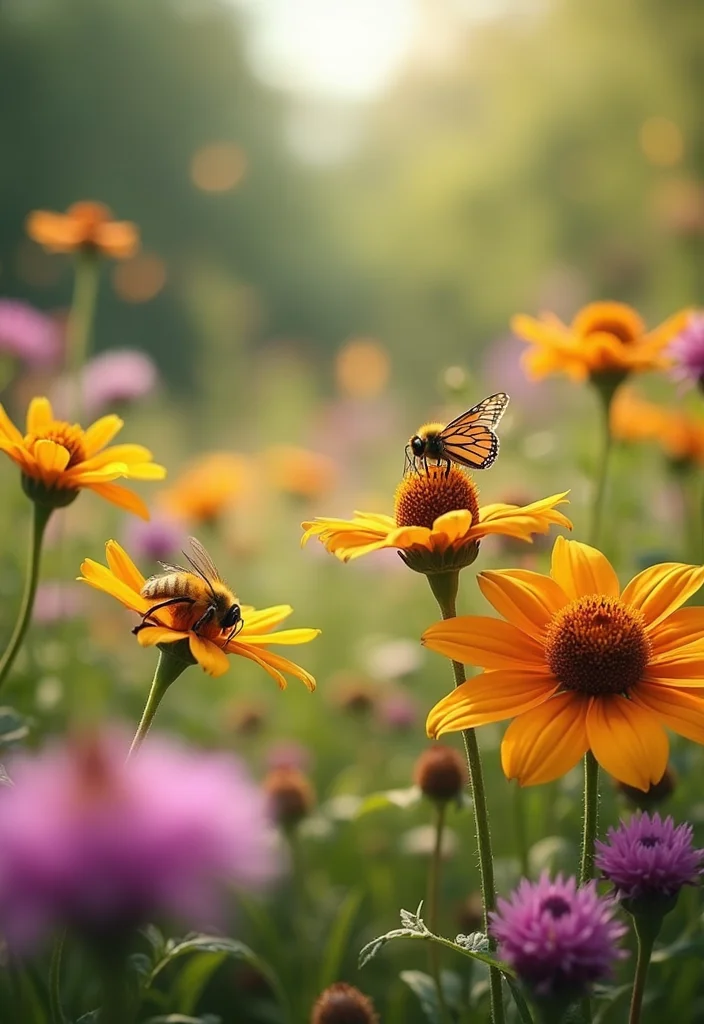
Creating a pollinator garden is not just visually appealing; it’s essential for our ecosystem. By planting native flowers and plants, you can attract bees, butterflies, and other pollinators. A variety of blooms that flower at different times ensures a consistent supply of nectar and pollen for these crucial creatures.
Design your garden with a mix of colors and flower shapes to attract different pollinators. Avoid using pesticides to keep them safe. Create sheltered areas with native shrubs or small trees to provide refuge for these beneficial insects.
• Plant a mix of colors and shapes for diversity.
• Avoid pesticides for pollinator safety.
• Create sheltered areas with native plants.
• Include a variety of bloom times for continuous food.
By welcoming pollinators into your garden, you help maintain biodiversity while enjoying the beauty they bring.
7. Tiny Gardens: Big Impact in Small Spaces
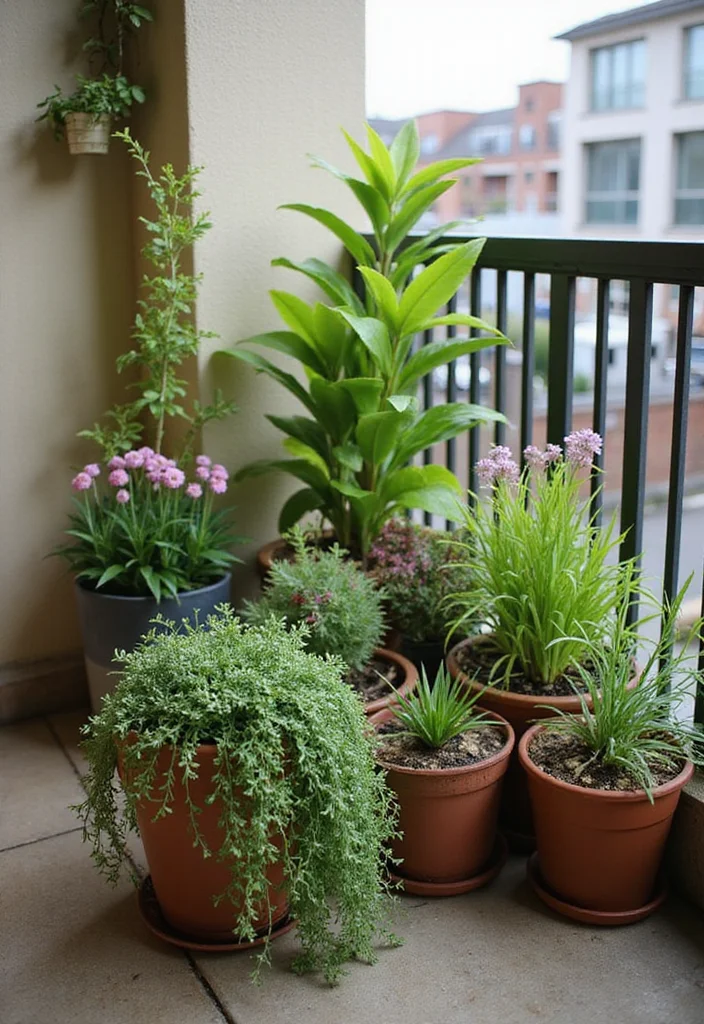
Tiny gardens are a clever way to make the most of limited space. They can fit on balconies, small yards, or even inside your home, brightening every corner. With smart design choices, you can create a stunning garden without overwhelming the area. Think compact plants, stacked planters, and vertical solutions to maximize every inch.
For successful tiny gardens, choose dwarf varieties that won’t take over your space. Incorporate multi-functional furniture to save room. Mirrors can create an illusion of depth, making your garden feel larger.
• Choose dwarf varieties for small spaces.
• Use multi-functional furniture to maximize space.
• Add mirrors for depth perception.
• Stack planters to save on ground space.
The charm of tiny gardens lies in their ability to create a big impact in even the smallest of spaces.
8. Wildlife Gardens: Embracing Nature
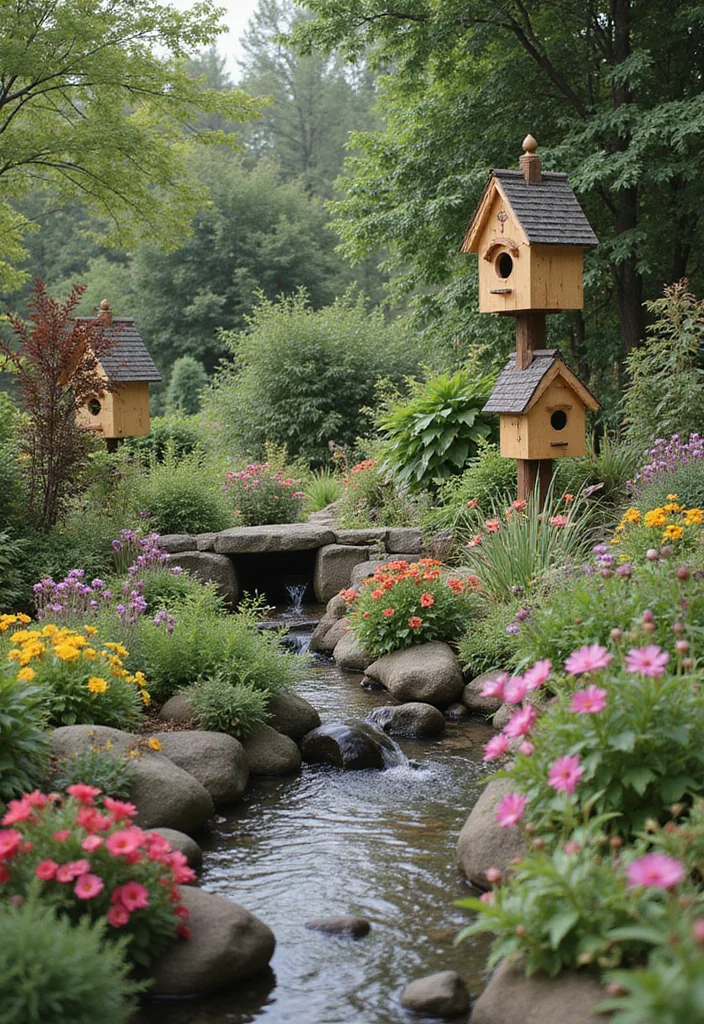
Designing a wildlife garden is rewarding and beneficial for local ecosystems. This type of garden provides habitats for birds, insects, and other wildlife. Incorporating native plants, water features, and protective shelters creates a sanctuary for creatures, allowing you to enjoy nature up close.
Use native plants that naturally provide food for wildlife. Add birdhouses, bat boxes, and insect hotels to offer shelter. Including a small pond or birdbath provides hydration for visiting animals.
• Plant native species for natural food sources.
• Add birdhouses for shelter.
• Include a pond or birdbath for hydration.
• Create protective shelters for small wildlife.
A wildlife garden creates a harmonious balance between humans and nature, enhancing your outdoor space.
9. Seasonal Gardens: Year-Round Beauty
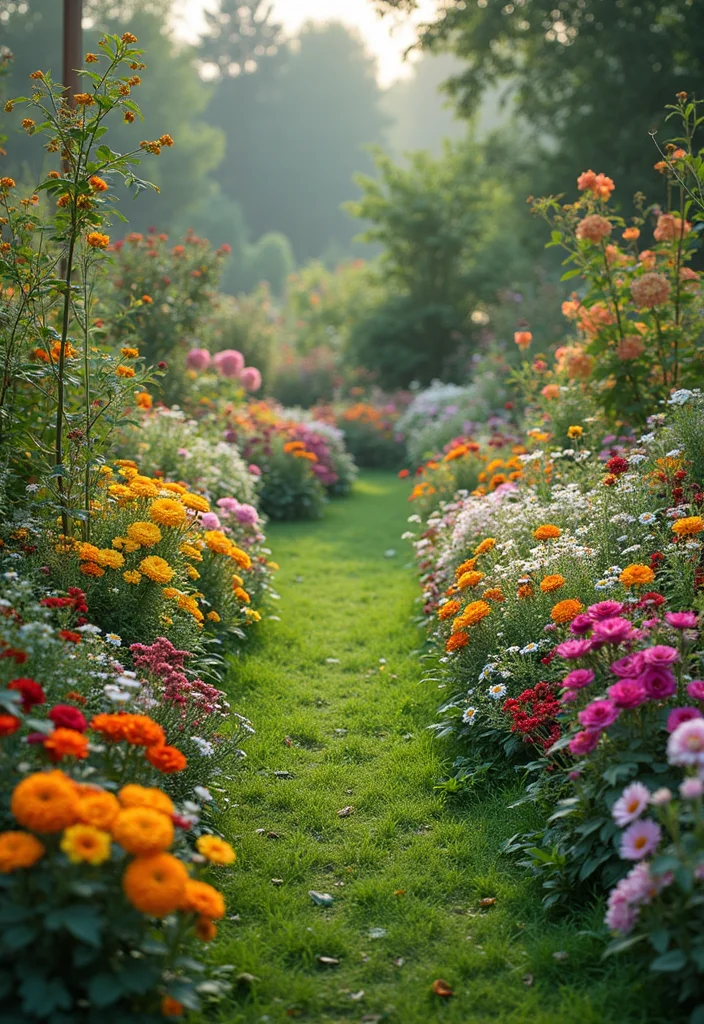
Seasonal gardens offer an exciting array of plants that bloom throughout the year. By choosing flowers and plants for each season, you can create a colorful garden that delights all year long. Consider using spring bulbs, summer blooms, autumn foliage, and winter evergreens to keep interest alive.
Organize your plants by their blooming periods for a unified look. Incorporate evergreens for structure and beauty during the colder months. Seasonal decorations can enhance the transitions between each season.
• Group plants by blooming periods for a cohesive look.
• Use evergreens for year-round structure.
• Add seasonal decorations to celebrate changes.
• Plan for continuous blooms throughout the year.
Thoughtfully designed seasonal gardens provide ongoing joy and inspiration, showcasing nature’s beauty through its cycles.
10. Sensory Gardens: Engage the Senses
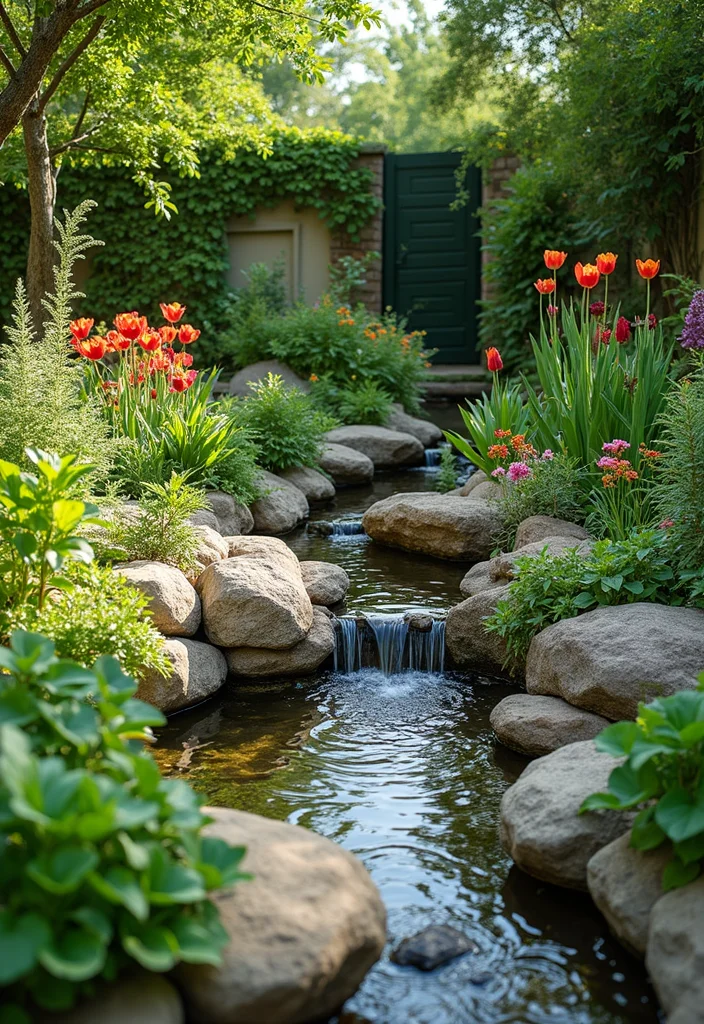
Sensory gardens invite people to engage all five senses, creating a rich experience. These gardens encourage interaction through touch, smell, sight, sound, and taste. Mixing fragrant herbs, bold flowers, textured plants, and sound elements like wind chimes can make the environment engaging for everyone.
Incorporate aromatic herbs like lavender and mint for delightful scents. Use bright colors to catch the eye and create a joyful atmosphere. Water features can add soothing sounds, while edible plants provide a taste experience.
• Use aromatic herbs for fragrance.
• Incorporate bright colors for visual appeal.
• Add water features for calming sounds.
• Include edible plants for tasting fun.
Sensory gardens can be especially beneficial for children and those with sensory processing challenges, enriching any community space.
11. Rain Gardens: Harnessing Nature’s Water

Rain gardens are an eco-friendly way to manage stormwater while beautifying your landscape. These gardens capture rainwater and help it soak into the ground, reducing erosion and pollution. By planting native, moisture-loving plants, you create an attractive and functional space in your yard.
To design your rain garden, locate it in a natural water runoff area to maximize efficiency. Use deep-rooted native plants to absorb water effectively. Mixing different soil textures can improve drainage and plant health.
• Place your garden in a runoff area for best results.
• Choose deep-rooted plants for effective water absorption.
• Mix soil textures to improve drainage.
• Design with native plants for easy maintenance.
A rain garden not only benefits the environment but also provides a lush habitat for wildlife, enhancing your outdoor beauty.
12. Shade Gardens: Thriving in the Shadow

Shade gardens can be just as lush and colorful as sunny ones. By selecting plants that thrive in low light, you can create a serene area filled with greens and vibrant pops of color. Ferns, hostas, and other shade-loving plants can flourish in these conditions, making your garden inviting.
To enhance your shade garden, mix different textures and heights to add depth. Create pathways to improve accessibility and flow. Consider adding a small water feature to introduce tranquility to your space.
• Mix textures and heights for diversity.
• Include pathways for easy movement.
• Add a water feature for serenity.
• Use shade-loving plants for year-round beauty.
With thoughtful plant choices, shade gardens can transform dark areas into delightful retreats.
13. Urban Orchard: Fruity Abundance
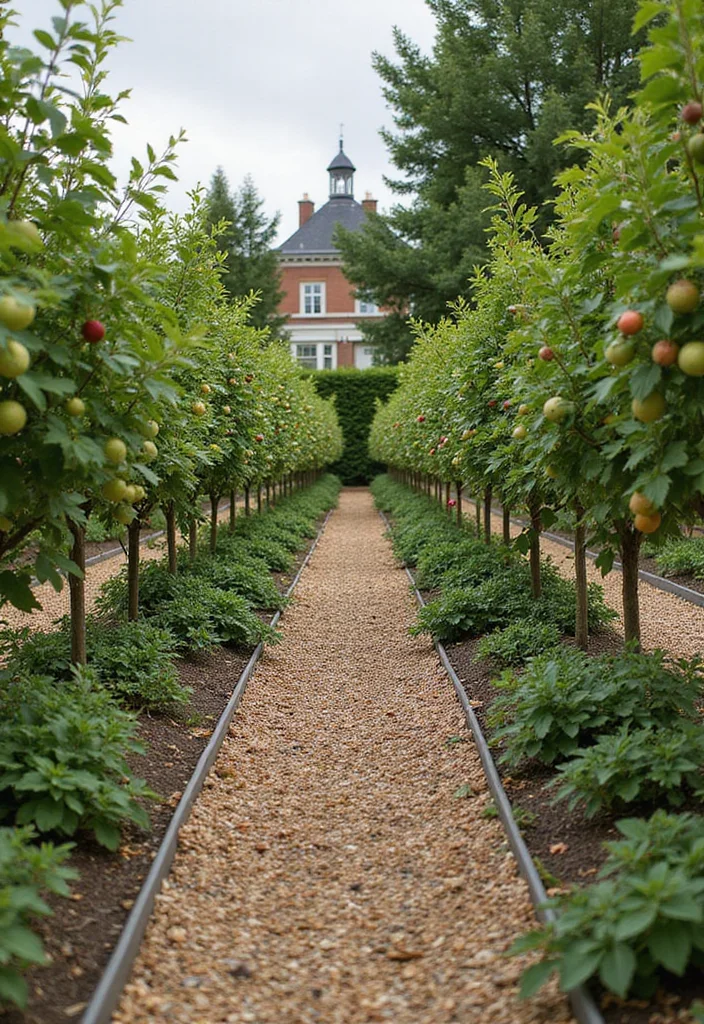
An urban orchard gives you the chance to enjoy fresh fruits right from your own backyard. By planting fruit trees and bushes suited for urban environments, you can create a sustainable source of delicious produce. From apple and pear trees to berry bushes, there are plenty of options for small spaces.
When planting, choose dwarf or semi-dwarf varieties to fit smaller gardens. Companion planting can maximize space and promote healthy growth. Make sure to layout your orchard for plenty of sunlight for all your plants.
• Choose dwarf varieties for limited spaces.
• Implement companion planting for space efficiency.
• Plan your layout for sunlight exposure.
• Include berry bushes for quick harvests.
An urban orchard beautifies your space and encourages ecological health, making your garden a fruitful haven.
14. Aquaponics: A Modern Twist on Gardening
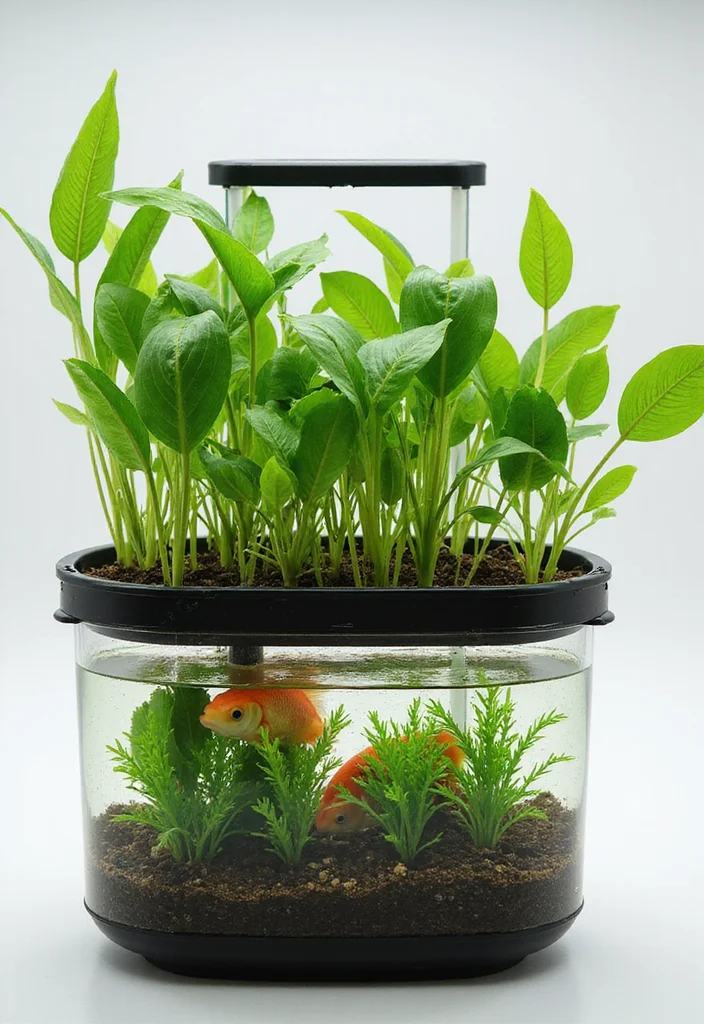
Aquaponics combines fish farming with growing plants in water, creating a unique gardening system. In this setup, fish waste provides nutrients for the plants, while the plants clean the water for the fish. Whether you have a large outdoor space or just a small balcony, aquaponics can be a fun and rewarding way to grow.
Start with a tank for fish that don’t need constant heat, like goldfish. Set up a grow bed filled with a medium for your plants. You’ll also need a water pump to keep everything flowing.
• Use a fish tank for your aquatic friends.
• Set up a grow bed for your plants.
• Include a water pump for circulation.
• Choose easy-to-grow plants for success.
Aquaponics offers a creative way to grow food while supporting life both above and below the surface.
15. Raised Garden Beds: Easier Gardening
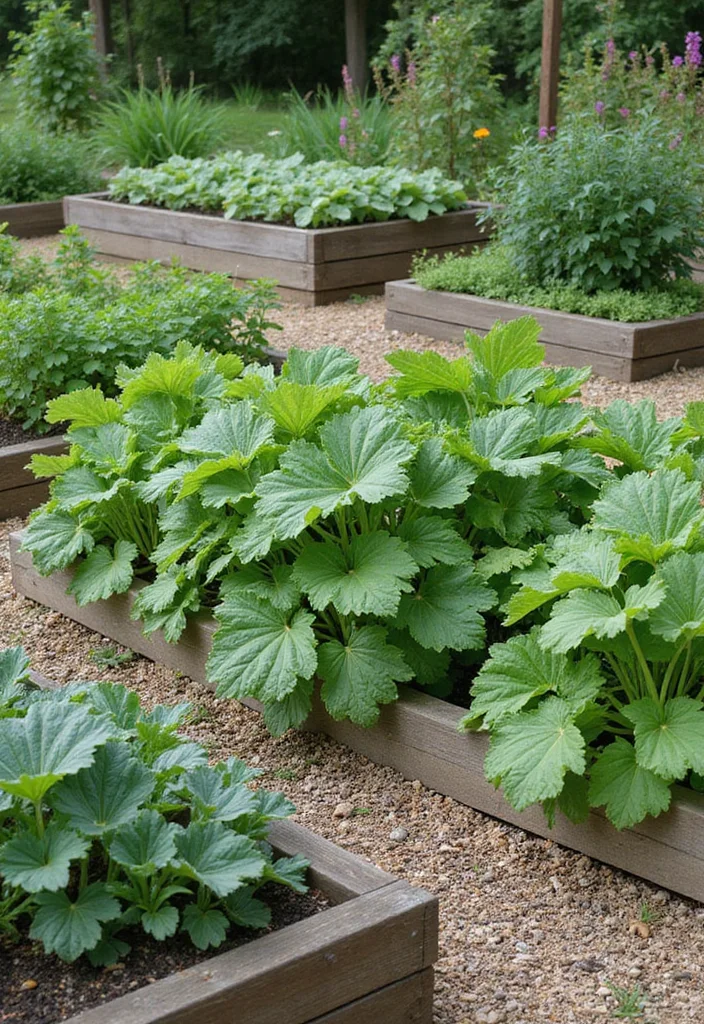
Raised garden beds improve drainage and soil quality, making gardening easier. Building these beds is simple, and you can use materials like wood or stone. Their height reduces back strain, allowing you to tend to your plants comfortably. Plus, they warm up quicker in spring, giving your plants a head start.
For best results, ensure proper drainage by placing gravel at the bottom. Fill the beds with high-quality soil to support optimal growth. Consider adding a trellis system for climbing plants to maximize your space.
• Ensure proper drainage with gravel.
• Fill with quality soil for healthy plants.
• Add a trellis for vertical growth.
• Choose easy-to-build materials for your beds.
With raised garden beds, you can create a tailored layout that suits your gardening style and enhances your outdoor space.
16. Garden Pathways: Structure and Style
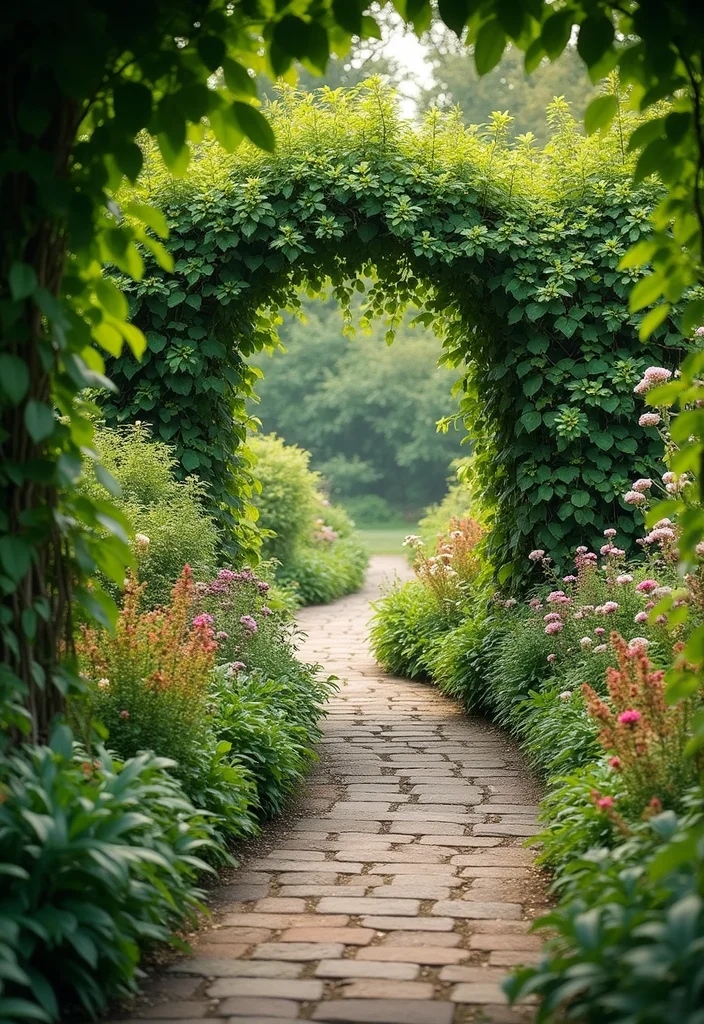
Garden pathways provide structure and enhance the beauty of your outdoor space. These paths guide visitors through different areas of your garden, encouraging exploration. You can use materials like natural stone or gravel to match your style and space. A well-planned pathway can also improve drainage and accessibility.
Consider using curves for a more natural look, and integrate stepping stones for a rustic feel. Surround your pathways with vibrant plants for added beauty and interest.
• Use curves for a natural appearance.
• Incorporate stepping stones for charm.
• Surround with vibrant plants for beauty.
• Ensure accessibility for all visitors.
Thoughtfully designed pathways create an inviting atmosphere while ensuring your garden remains functional.
17. Adaptive Gardening: Customizing for Your Needs
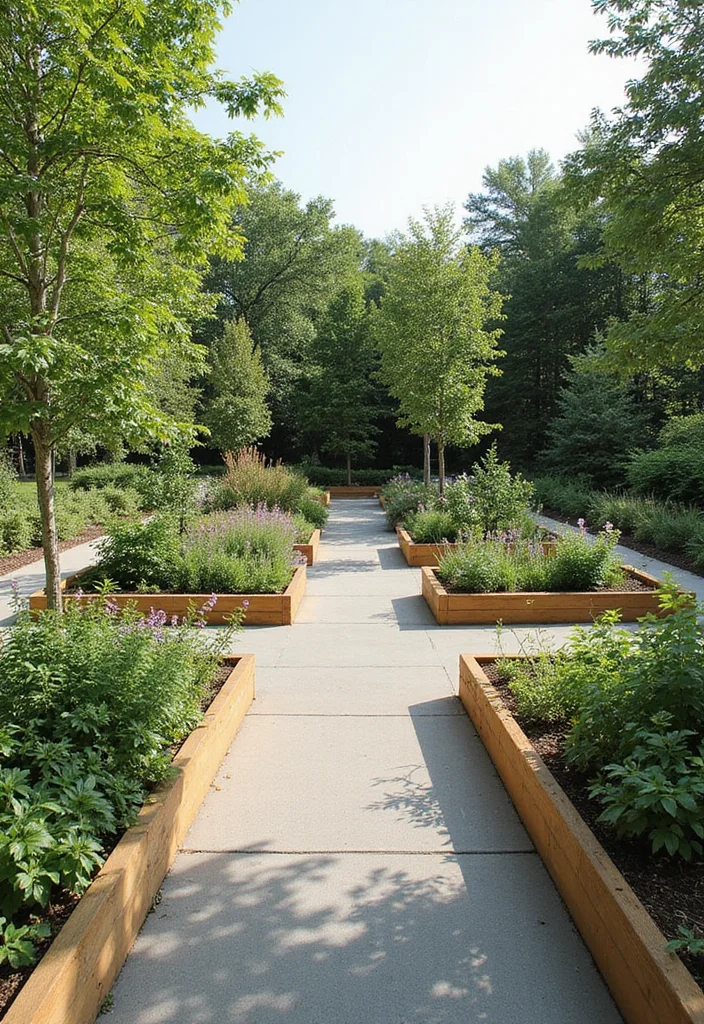
Adaptive gardening focuses on creating spaces that are accessible to everyone, including those with disabilities. By considering accessibility in your design, such as raised beds at wheelchair height and wide pathways, you can ensure everyone can enjoy gardening. Including sensory elements and easy-to-reach plants enhances the experience for all visitors.
Use sturdy materials for pathways to ensure safety. Make sure raised beds have accessible corners for easy reach. Consider adding benches or shaded areas for comfort while gardening.
• Use sturdy materials for pathways.
• Ensure accessible corners in raised beds.
• Add benches for resting.
• Incorporate shaded areas for comfort.
Adaptive gardening makes your garden a welcoming place where everyone can connect with nature.
18. Themed Gardens: A Story in Every Bloom

Themed gardens let you express your personality through plants. Whether you’re inspired by a certain culture, color palette, or mood, themed gardens can tell a story and create a memorable experience. Ideas can range from a Mediterranean herb garden to a whimsical fairy garden, ensuring you can find a theme that resonates.
To design your themed garden, choose plants that align with your theme. Include decorative elements that enhance your concept, like sculptures or signs. Plan for seasonal changes to keep the theme fresh and lively throughout the year.
• Select theme-cohesive plants for unity.
• Add decorative elements for flair.
• Plan for seasonal changes to maintain interest.
• Incorporate color themes for visual impact.
Themed gardens add a creative touch to your outdoor space, transforming it into a canvas of imagination.
19. Indoor Gardening: Bringing the Outdoors In
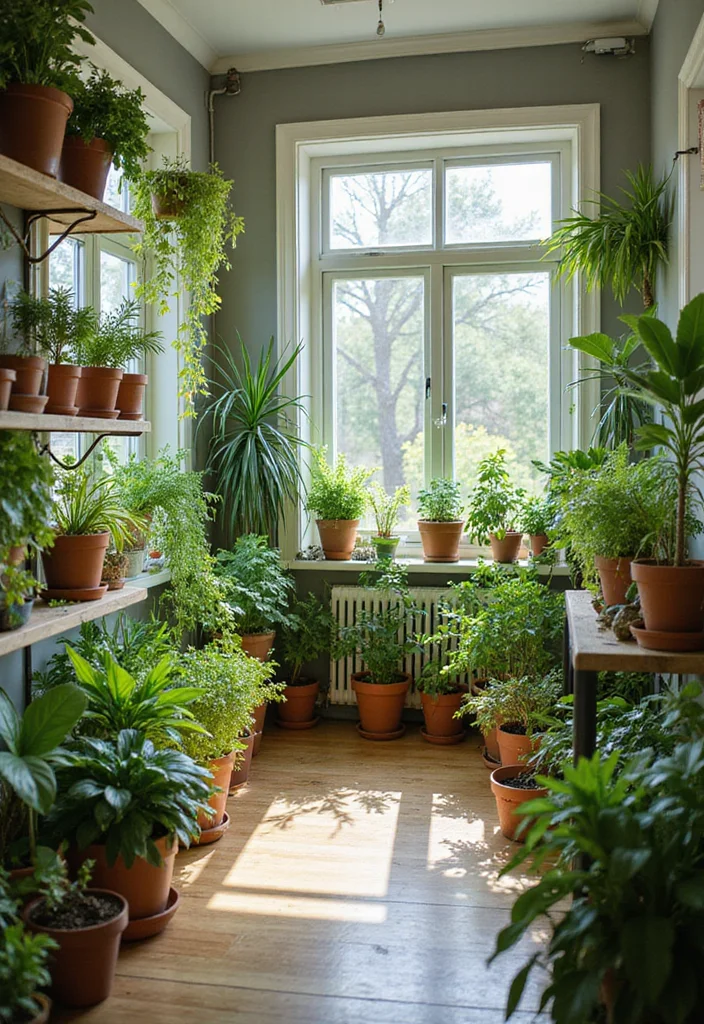
Indoor gardening allows you to enjoy plants even if you lack outdoor space. By using pots, shelves, or hydroponic systems, you can create a lush indoor environment that purifies the air and lifts your mood. Opt for low-maintenance houseplants or herbs that thrive indoors to add greenery to your home.
If natural light is limited, use grow lights to support your plants. Invest in pots with drainage holes to prevent overwatering and root rot. Grouping plants with similar light and water needs together can simplify care.
• Use grow lights in low-light areas.
• Choose pots with drainage holes for healthy roots.
• Group plants by light and water needs for ease.
• Opt for low-maintenance plants for success.
Indoor gardening offers a refreshing way to embrace nature, ensuring greenery is always within reach.
Conclusion: Your Green Thumb Awaits
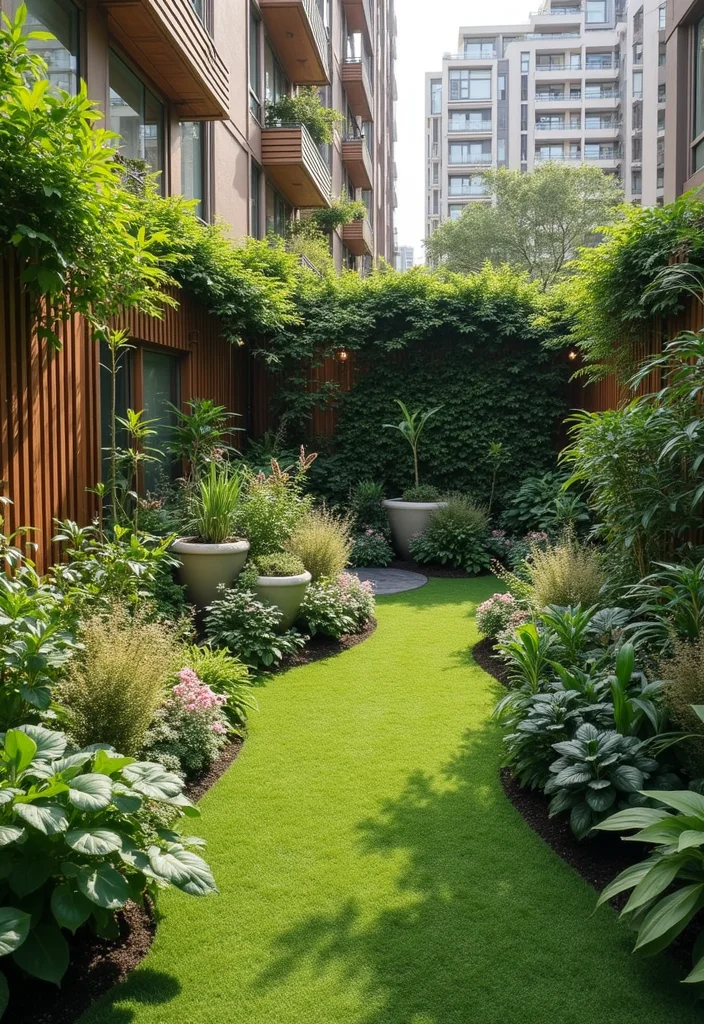
With these 19 inspiring garden design plans, you’re well-equipped to embark on your sustainable urban gardening journey.
Whether you have a balcony, a backyard, or just a small nook, there’s limitless potential for creativity and growth. Embrace the art of garden planning and watch as your outdoor space transforms into a thriving oasis that contributes to both your wellbeing and the environment.
Frequently Asked Questions
What Are the Key Elements to Consider When Designing a Sustainable Urban Garden?
When designing a sustainable urban garden, consider elements like native plants, water conservation, and composting. Native plants are better adapted to local conditions and require less water and maintenance.
Implementing rainwater harvesting systems and drip irrigation can significantly reduce water usage. Don’t forget to incorporate organic matter into your soil through composting, which enriches the soil and supports healthy plant growth!
How Do I Create a Functional Garden Layout for Small Outdoor Spaces?
Creating a functional garden layout for small outdoor spaces is all about maximizing efficiency! Start by considering vertical gardening options, such as trellises and wall planters, to save ground space.
Grouping plants with similar water and sunlight needs can streamline maintenance. Use pathways wisely to ensure accessibility while ensuring your design remains visually appealing. Remember, a well-planned garden can transform even the smallest of spaces into a vibrant oasis!
What Are Some Inspiring Planting Schemes for Urban Gardens?
In urban gardens, consider planting schemes that emphasize biodiversity. Try a mix of herbs, vegetables, and flowers that attract pollinators and beneficial insects.
For instance, planting sunflowers alongside tomatoes can create a beautiful and functional garden. Incorporating color schemes and seasonal blooms can also enhance visual interest throughout the year. Explore the 19 planning-ready inspirations in our guide to discover unique combinations that suit your style!
How Can I Incorporate Edible Plants in My Urban Garden Design?
Incorporating edible plants into your urban garden design is a fantastic way to enhance both beauty and utility! Start by selecting container gardens or raised beds for easy access.
Mixing ornamental plants with edibles, such as growing herbs like basil or cilantro alongside flowers, can create an appealing aesthetic. Consider also interplanting fruits and vegetables with companion plants to maximize space and improve growth. Your garden can be both productive and stunning!
What Tips Can Help Ensure My Urban Garden Thrives Year-Round?
To ensure your urban garden thrives year-round, focus on seasonal planning and crop rotation. Choose plants that are well-suited to your local climate and use season extensions like cold frames or hoop houses to protect plants in the colder months.
Regularly amend your soil with organic matter and practice pest management techniques to keep your plants healthy. With the right strategies, your garden can flourish no matter the season!