

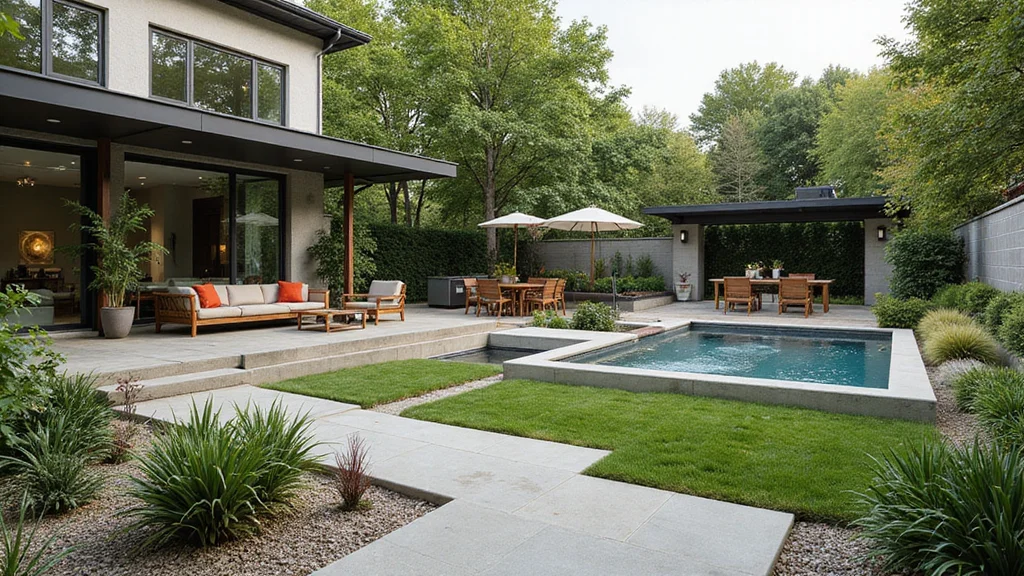
Are you dreaming of a garden that looks fresh, modern, and effortlessly stylish? You’re not alone. Many of us find ourselves craving a space where nature meets contemporary design, especially in our urban environments. That’s why I created this guide: to explore modern garden design landscaping ideas that can transform even the smallest of spaces into an urban oasis.
If you’re someone who loves gardening or simply wants a beautiful outdoor living space, this post is just for you. Whether you’re a seasoned gardener or just starting out, you’ll appreciate the focus on sustainable gardening techniques. These ideas prioritize both aesthetics and environmental consciousness, making them perfect for anyone looking to create a green space that feels both welcoming and responsible.
In this sleek guide, you’ll discover 20 contemporary styling inspirations that cater to various tastes and preferences. From vertical gardens that save space to edible landscapes that let you grow your own food, each idea is designed to inspire and inform. Additionally, you’ll learn about contemporary plant selection and how to implement innovative hardscaping. So roll up your sleeves, grab your gardening gloves, and let’s dive into the modern gardening trends you can incorporate into your urban lifestyle.
Your outdoor space is waiting to be transformed, and this guide will give you all the tools you need to achieve that sleek, modern look you desire.
Key Takeaways
– Explore vertical gardens, perfect for maximizing small spaces while adding visual interest.
– Discover sustainable hardscaping options using natural materials that enhance your garden’s beauty.
– Learn how native plants can thrive in your garden while supporting local ecosystems.
– Find out how to create outdoor rooms that extend your living area into nature.
– Get tips on integrating technology into your garden for smart gardening solutions that simplify maintenance.
1. Vertical Gardens: The Space-Saving Marvel
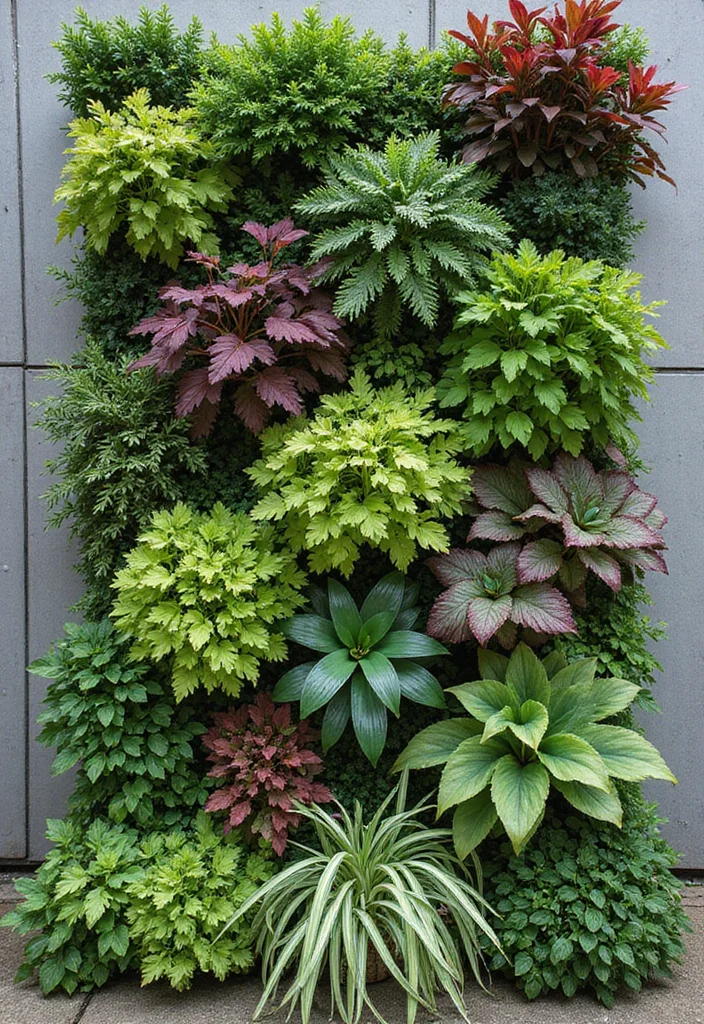
Vertical gardens are a fantastic solution for small spaces, especially in busy urban areas. These green walls not only make use of limited ground space but also turn your wall into a stunning living canvas. You can use wall-mounted planters filled with herbs, or let climbing vines like ivy and jasmine add beauty. Pinterest shows us how these designs are trending for their ability to bring nature up close. To create your vertical garden, start with easy-to-maintain plants. Use a mix of colorful flowers and fragrant herbs to keep it interesting. Look for affordable planters at local stores or even craft your own with recycled materials. This style connects you to nature, making your space feel vibrant and refreshing. • Use wall-mounted planters to save space
• Choose easy-care plants like herbs and vines
• Explore DIY options for budget-friendly planters
• Add colorful flowers for visual appeal
With these tips, your vertical garden will become a stunning focal point, bringing life to your home.
2. Sustainable Hardscaping: Natural Materials Take Center Stage
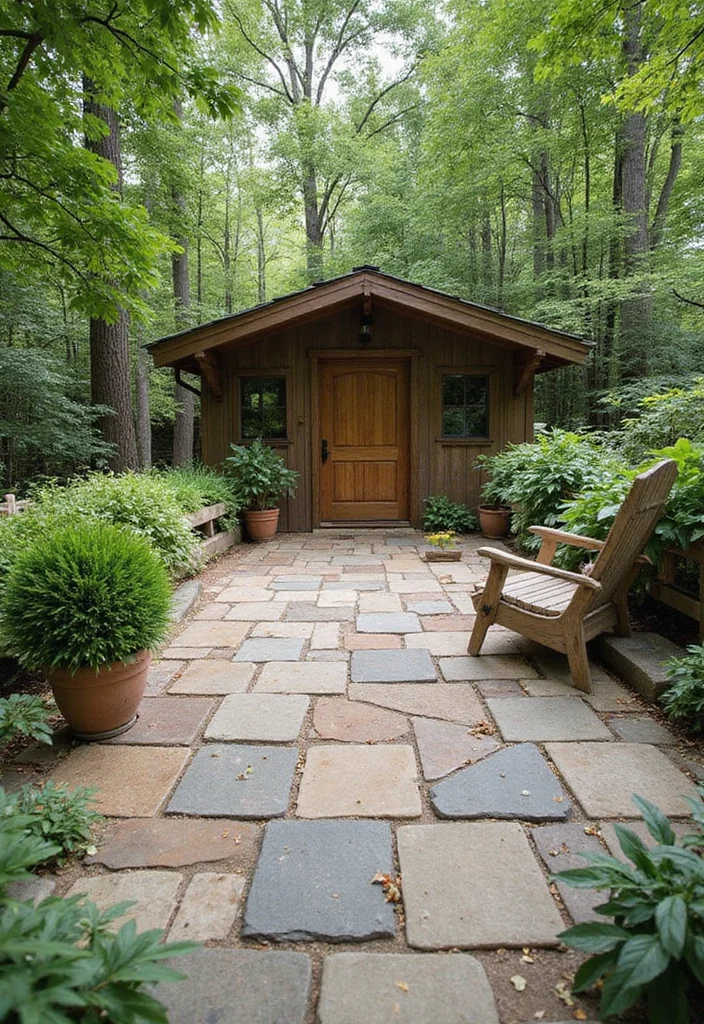
Sustainable hardscaping is a key part of creating beautiful gardens. Using materials like reclaimed wood, natural stone, and bamboo not only looks great but also helps the environment. These elements blend well with plants, creating a harmonious look. Many designers are embracing these materials for their eco-friendly appeal, as seen in recent garden trends. To get started, visit local salvage yards for unique reclaimed pieces. Look for stones that can form pathways or patios, providing a natural feel. When selecting materials, choose eco-friendly sealants to protect your hardscaping without harmful chemicals. This approach adds character to your garden while promoting sustainability. • Use reclaimed wood for unique features
• Incorporate natural stones for pathways
• Select eco-friendly sealants for protection
• Choose bamboo for a modern touch
By incorporating these materials, your garden will be both stylish and environmentally friendly.
3. Native Plant Landscapes: Embrace Local Flora
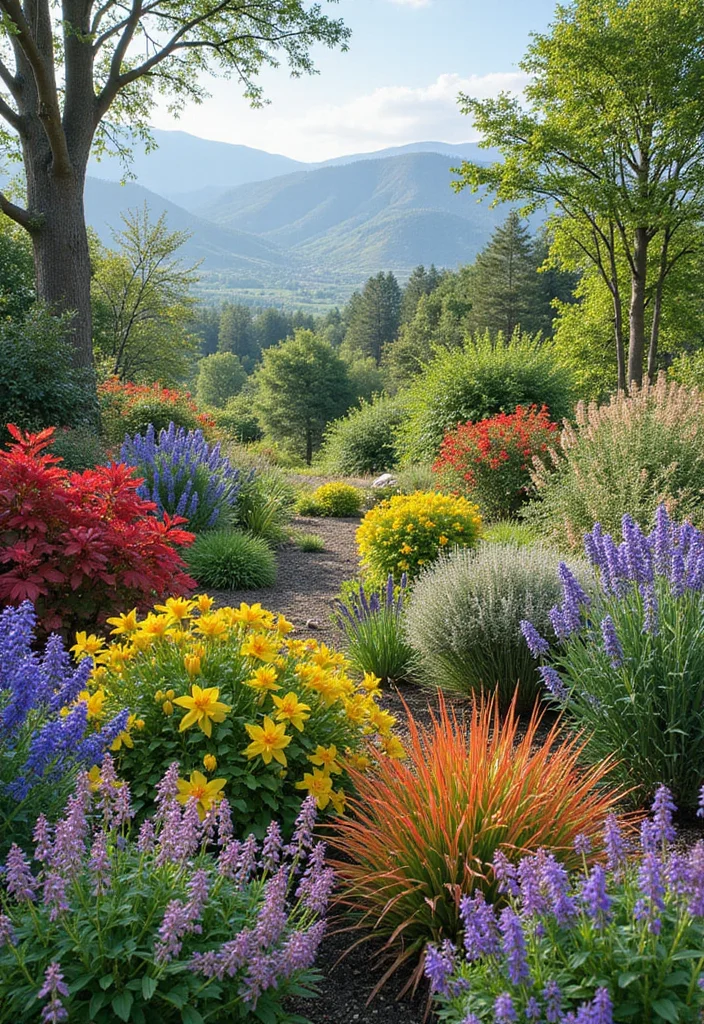
Using native plants in your garden is a smart choice for sustainability. These plants are well-suited to local climates, which means they require less water and care compared to exotic species. Plus, they attract wonderful wildlife, including butterflies and bees, which is great for your garden’s ecosystem. Many gardening experts highlight the benefits of these plants for creating thriving landscapes. To start, research local native species that fit your garden’s conditions. Mix different flowers and grasses to create a vibrant tapestry that changes through the seasons. This not only beautifies your space but also contributes to local biodiversity, making your garden a haven for nature. • Choose local native plants for easy care
• Mix flowers and grasses for visual variety
• Research seasonal blooms for year-round interest
• Attract wildlife with natural habitats
Creating a native plant landscape will enhance your garden’s beauty and support local wildlife.
4. Biophilic Design: Bringing Nature Indoors
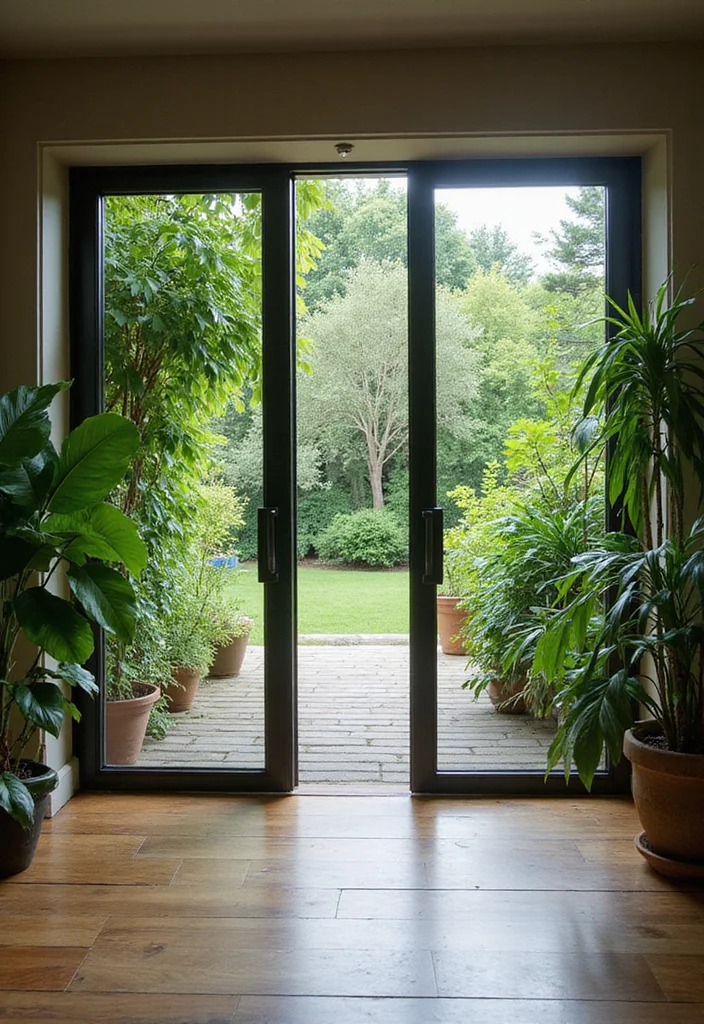
Biophilic design connects your indoor living spaces to nature, creating a calming atmosphere at home. Think about large windows that frame garden views or skylights that fill your rooms with sunlight. This design trend invites the outdoors in, making your home feel more open and connected to nature. Many modern homes showcase this style, emphasizing the importance of natural elements. To achieve this look, consider installing large glass doors that open to your garden. Fill your home with potted plants and hanging gardens for a lush feel. Don’t forget to maximize natural light to highlight your plants and create a warm ambiance. This setup enhances your well-being and makes your home a peaceful retreat. • Install large glass doors for easy access
• Use indoor plants for greenery inside
• Maximize natural light for brighter spaces
• Incorporate open layouts to connect areas
By blending indoor and outdoor spaces, you create a home that feels alive and welcoming.
5. Textured Plantings: A Play on Touch
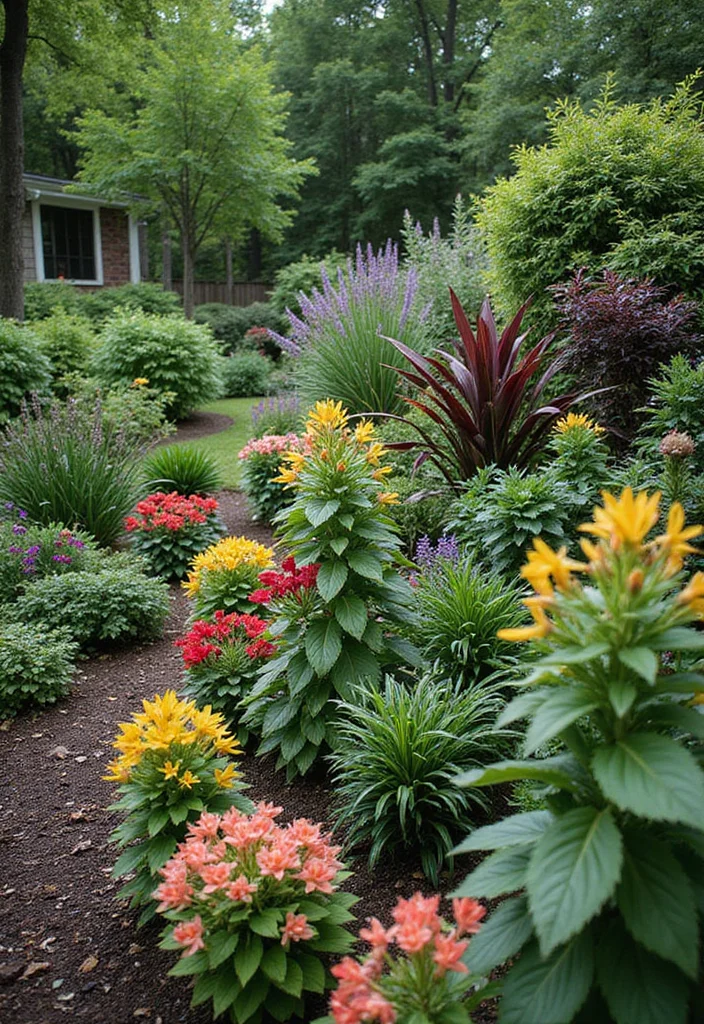
In garden design, texture adds a lot of interest. Mixing plants with different leaf shapes and sizes creates a captivating visual display. You can combine smooth succulents, feathery ferns, and bold grasses to craft a garden full of life. Many garden enthusiasts are now focusing on texture to enhance their outdoor spaces. To create textured plantings, layer taller plants at the back and shorter ones in front. Pair plants with round leaves alongside those with sharp edges to create contrast. Look for species that change over the seasons to keep your garden lively and engaging. This variety invites exploration and enjoyment. • Layer tall plants behind shorter ones
• Combine different leaf shapes for interest
• Select seasonal plants for ongoing changes
• Use ornamental grasses for depth
A garden with diverse textures will not only look stunning but also engage your senses.
6. Water Features: The Soothing Element
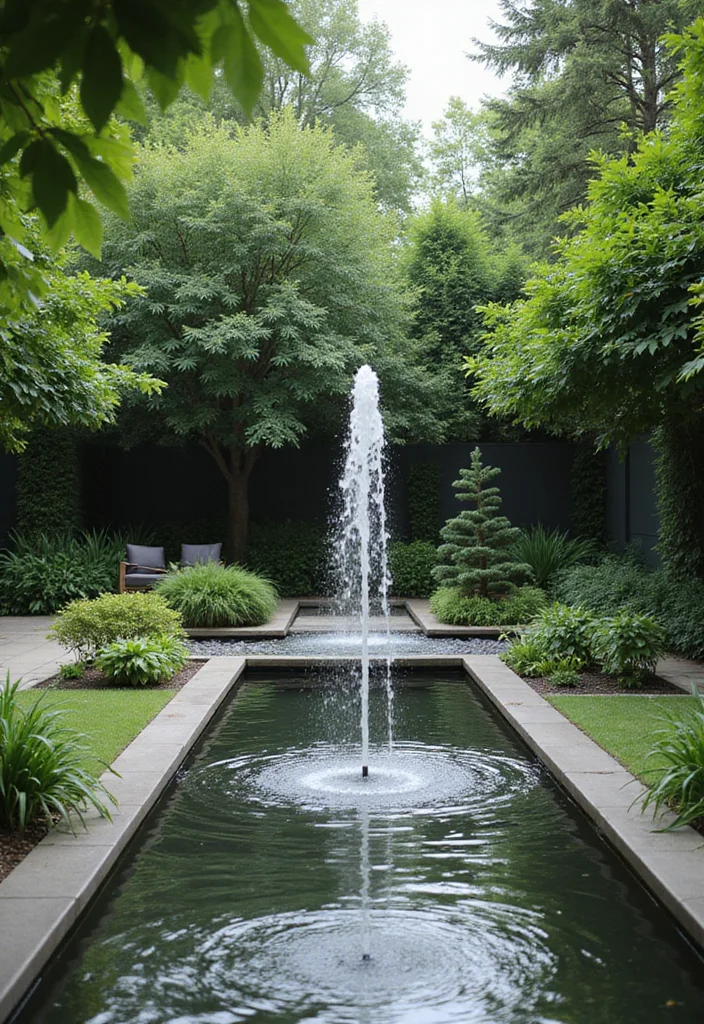
Water features can transform your garden into a peaceful oasis. Adding elements like ponds, fountains, or waterfalls creates soothing sounds that bring joy to your outdoor space. Choose styles that match your garden’s theme, whether modern or natural, to enhance the overall design. This trend is popular for its calming effect on both people and wildlife. When adding a water feature, think about its placement for visibility from your home and pathways. Surround it with native plants to create a welcoming habitat for local wildlife. Opt for self-sustaining systems to minimize maintenance and enjoy the tranquility with ease. This serene addition makes your garden a perfect spot for relaxation. • Choose visible placements for water features
• Add native plants around the feature
• Select self-sustaining systems for ease
• Create seating areas near water for enjoyment
Integrating water features will create a calming atmosphere perfect for unwinding.
7. Edible Landscapes: Grow Your Own Food
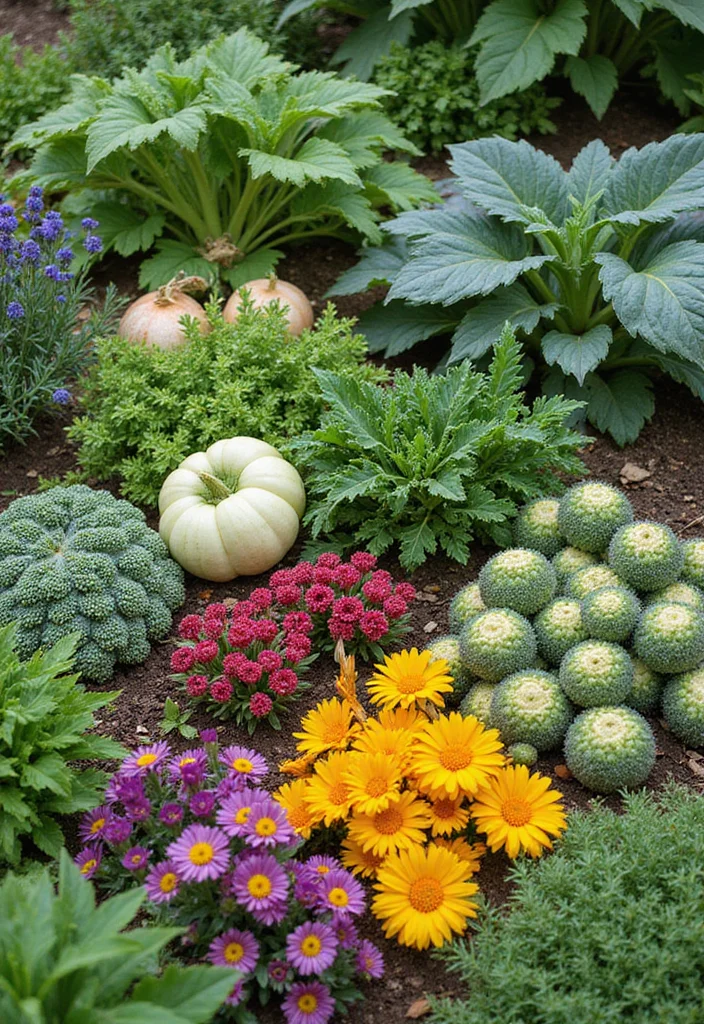
Turning your garden into an edible landscape combines beauty with practicality. Imagine colorful vegetables like kale nestled among vibrant flowers and herbs. This mix not only looks great but also provides fresh produce right from your backyard. Many gardeners are exploring this trend to promote sustainability and healthy eating. Start by interplanting flowers with vegetables to create an appealing display. Use containers for herbs and small veggies if space is limited. Incorporate perennial edibles like strawberries that return year after year for ongoing rewards. This design not only beautifies your space but also makes it functional and enjoyable. • Interplant vegetables and flowers for beauty
• Use containers for limited spaces
• Include perennial edibles for easy harvests
• Grow colorful herbs for added flair
By embracing edible landscaping, you create a garden that not only looks good but also feeds you.
8. Minimalist Design: Less is More
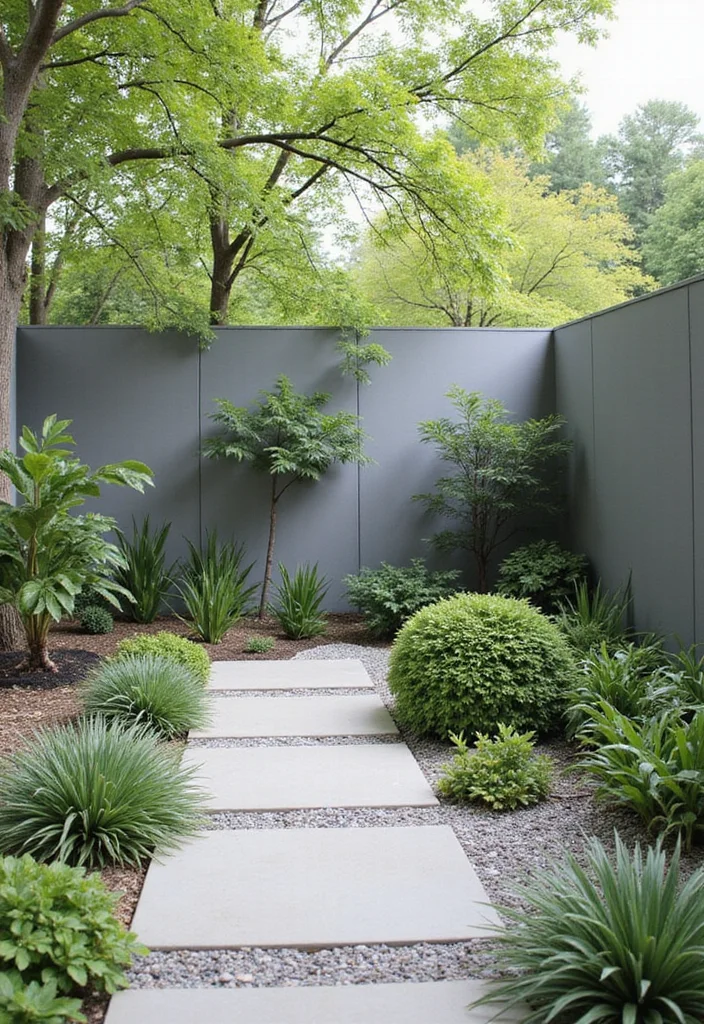
Minimalist garden design embraces simplicity for a calming effect. This style focuses on clean lines and a limited selection of plants, ensuring that every element is purposeful. A minimalist garden feels open and expansive, even in smaller areas. Many designers are opting for this style to create serene outdoor spaces. To get started, select a limited color palette with just two or three main colors for plants and hardscaping. Choose bold statement plants that stand out without cluttering the space. Incorporate gravel or stone for a clean, modern look. This approach allows you to appreciate the beauty of each plant. • Stick to a limited color palette for harmony
• Choose statement plants for impact
• Incorporate hardscaping for a clean finish
• Keep furniture simple for functionality
A minimalist garden invites you to enjoy the beauty of simplicity.
9. Outdoor Rooms: Expanding Living Spaces
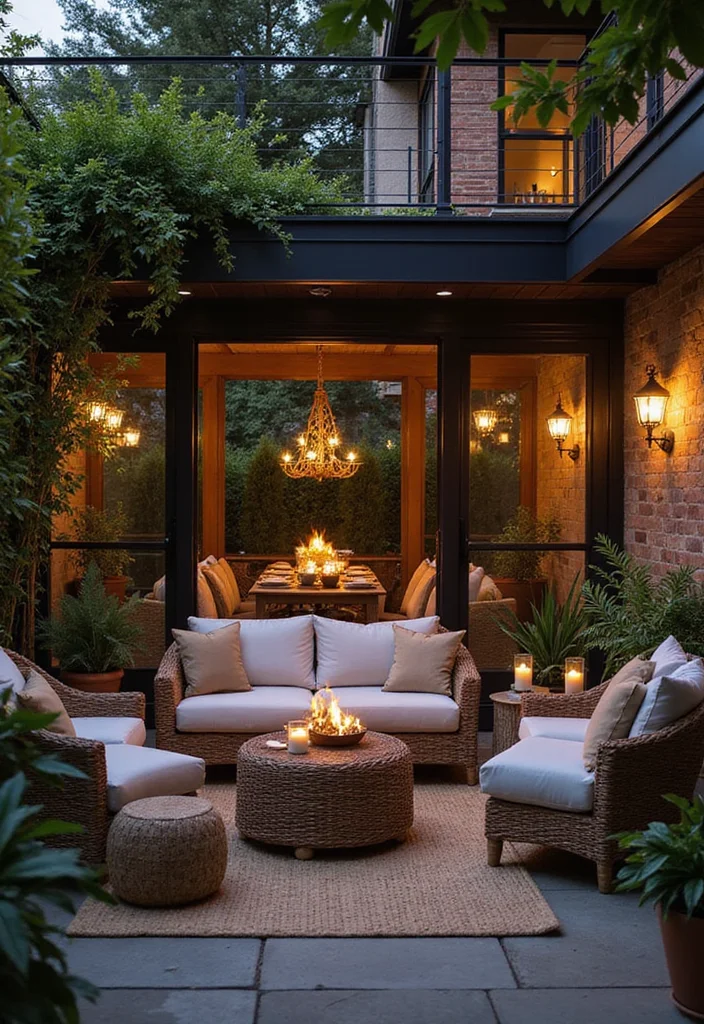
Outdoor rooms extend your living area beyond four walls. These spaces can serve as dining areas, lounges, or even kitchens, blending comfort with utility. Thoughtfully designed outdoor rooms create a smooth transition between indoor and outdoor living, making your home feel larger. Many homeowners are adopting this concept to enhance their lifestyles. To create your outdoor room, choose comfortable furniture that matches your indoor style. Incorporate shade solutions like pergolas or umbrellas to enhance comfort. Add lighting, such as string lights or lanterns, to create a warm ambiance for evening gatherings. This setup encourages entertaining friends or enjoying peaceful moments outdoors. • Use comfortable outdoor furniture for relaxation
• Add shade solutions for comfort
• Incorporate lighting for evening enjoyment
• Design with indoor style for cohesion
Creating outdoor rooms transforms your garden into a welcoming retreat.
10. Raised Garden Beds: Efficient Gardening
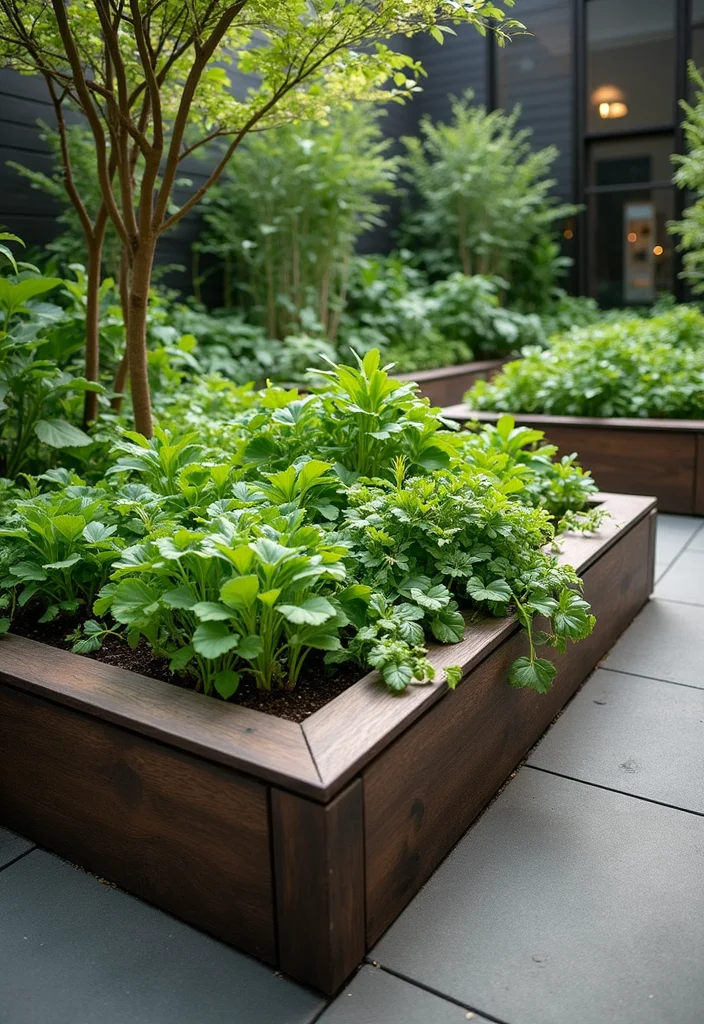
Raised garden beds are a smart choice for urban gardening. They provide better drainage and easier access, making planting and harvesting simpler. You can customize their look to match your garden style, whether rustic or modern. This method is growing in popularity for its efficiency and aesthetics. When building raised beds, select rot-resistant materials like wood, stone, or metal. Fill them with a mix of topsoil, compost, and organic matter for healthy plants. Ensure they are at a comfortable height for you to tend to easily. This approach allows you to garden more effectively while adding structure to your landscape. • Choose rot-resistant materials for longevity
• Fill with healthy soil mix for growth
• Build at a comfortable height for ease
• Arrange in groups for visual interest
With raised beds, you can enjoy efficient gardening that enhances your outdoor space.
11. Seasonal Planting: A Garden for All Seasons
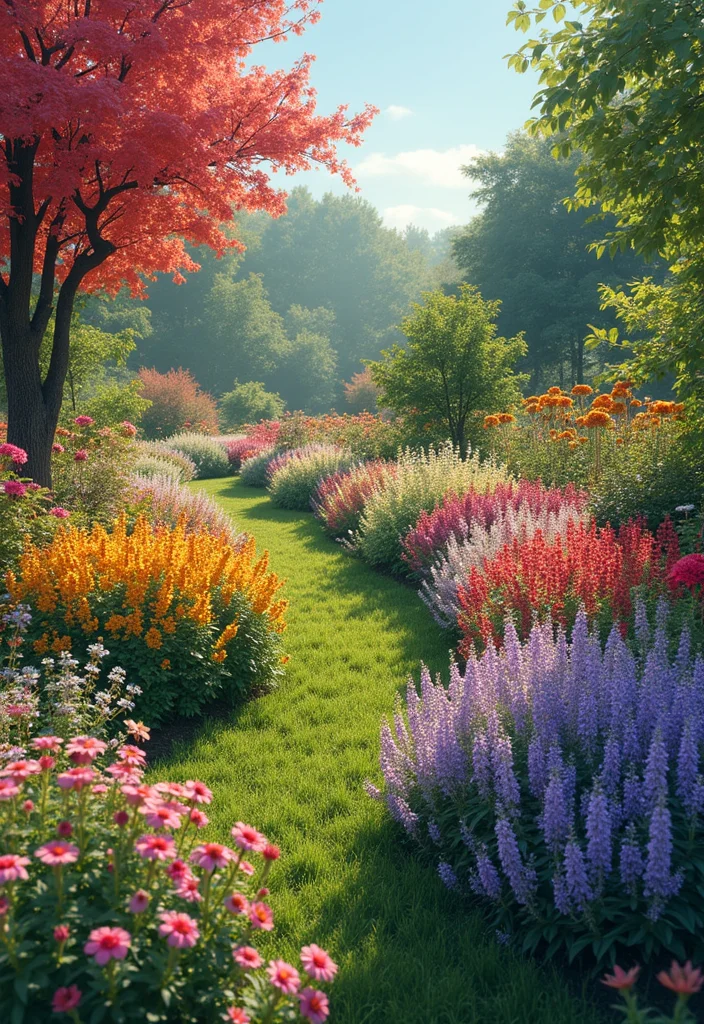
Planning for seasonal changes keeps your garden fresh and lively throughout the year. By selecting a variety of perennials, annuals, and evergreens, you can create a landscape that evolves with the seasons. This dynamic approach adds beauty and interest no matter the time of year. Many gardeners are adopting this strategy to ensure year-round enjoyment. Choose a diverse mix of plants that bloom at different times for continuous color. Layer plants of varying heights to create visual interest across your garden. Consider adding seasonal decorations for extra charm. This thoughtful planning makes your space vibrant and uplifting, no matter the season. • Select seasonal plants for ongoing blooms
• Layer for height variation in your design
• Use decorations for seasonal flair
• Incorporate evergreens for winter interest
With seasonal planting, your garden can bring joy and color throughout the year.
12. Urban Wildlife Gardens: Coexisting with Nature
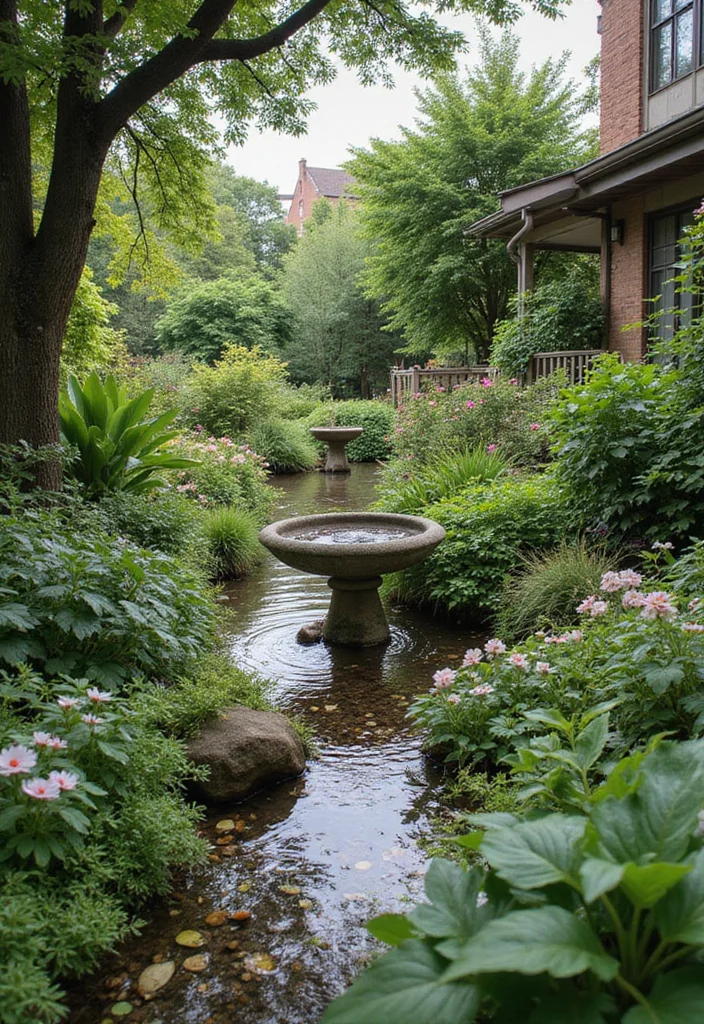
Creating urban wildlife gardens is essential for modern landscaping. These gardens provide habitats for birds, butterflies, and beneficial insects, promoting biodiversity. By using native plants and providing food sources, you can help create a thriving ecosystem right in your backyard. Many designers emphasize the importance of these spaces for nature. Start by selecting native plants that offer food and shelter for local species. Incorporate water sources, like bird baths or small ponds, to attract wildlife. Avoid using chemicals in your garden to protect visiting animals. This way, you enhance your outdoor space while making a positive impact on local ecosystems. • Select native plants for wildlife support
• Add water sources to attract animals
• Avoid chemicals for organic gardening
• Create natural habitats with varied vegetation
By designing urban wildlife gardens, you contribute to preserving nature in your area.
13. Smart Gardening: Technology Meets Nature
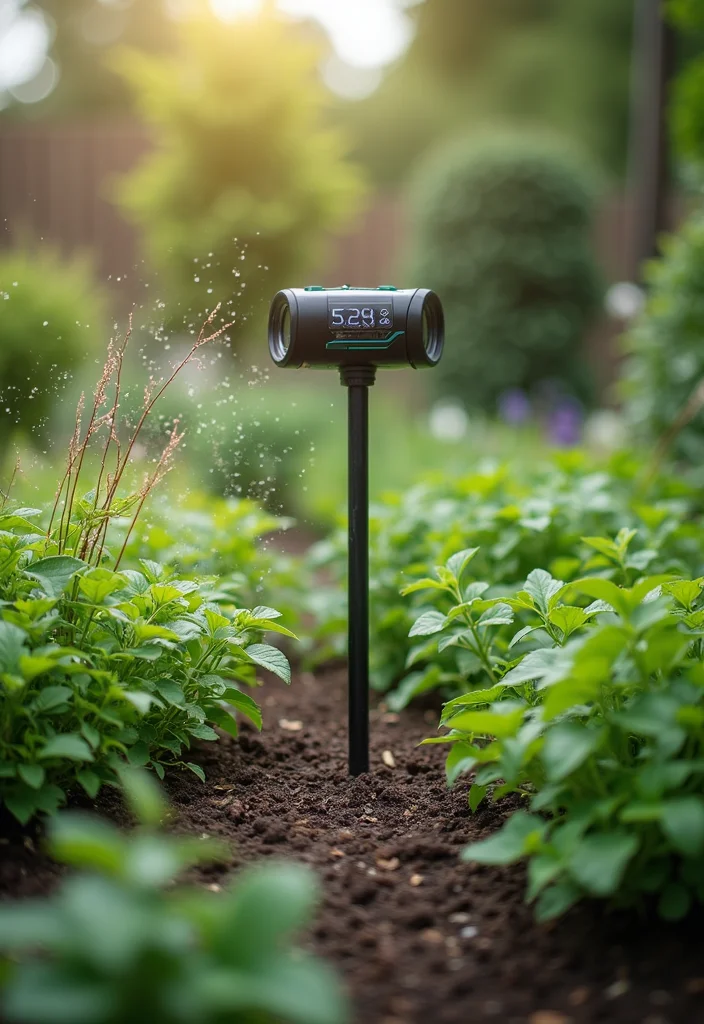
Smart gardening is changing how we connect with our gardens. Using technology like apps and devices can help you monitor plant health, automate watering, and even manage lighting. These advancements save you time and improve your gardening success. Many gardeners are embracing these innovations for easier maintenance. Consider adding moisture sensors to know when your plants need water. Look for automated watering systems that let you set timers for consistent care. Use plant care apps to track growth cycles and manage pests effectively. This technology makes gardening more enjoyable and efficient. • Install moisture sensors for watering guidance
• Use automated systems for easy care
• Download plant care apps for management
• Monitor growth cycles for better results
With smart gardening, you can simplify your tasks while enjoying your plants.
14. Community Gardens: Shared Spaces, Shared Resources
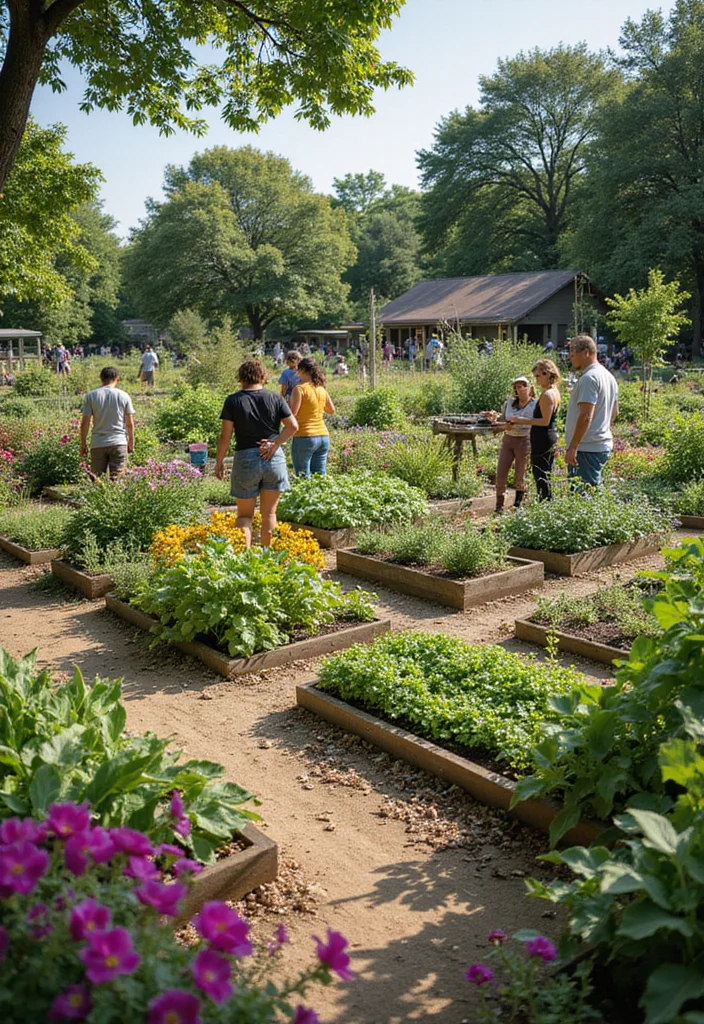
Community gardens bring people together while encouraging sustainable practices. These shared spaces allow neighbors to grow plants, share resources, and learn from one another. Community gardens beautify urban areas and foster a strong sense of community. Many cities are promoting these gardens to enhance local connections. To get involved, look for community gardens in your area and see how you can participate. Share your gardening knowledge by hosting workshops to teach sustainable techniques. Collaborate on projects that benefit everyone, creating a vibrant community space. This participation nurtures both plants and friendships. • Join local initiatives for gardening
• Host workshops to share knowledge
• Collaborate on community projects for greater impact
• Build relationships through shared gardening
By participating in community gardens, you can cultivate both plants and a sense of belonging.
15. Garden Lighting: Setting the Mood
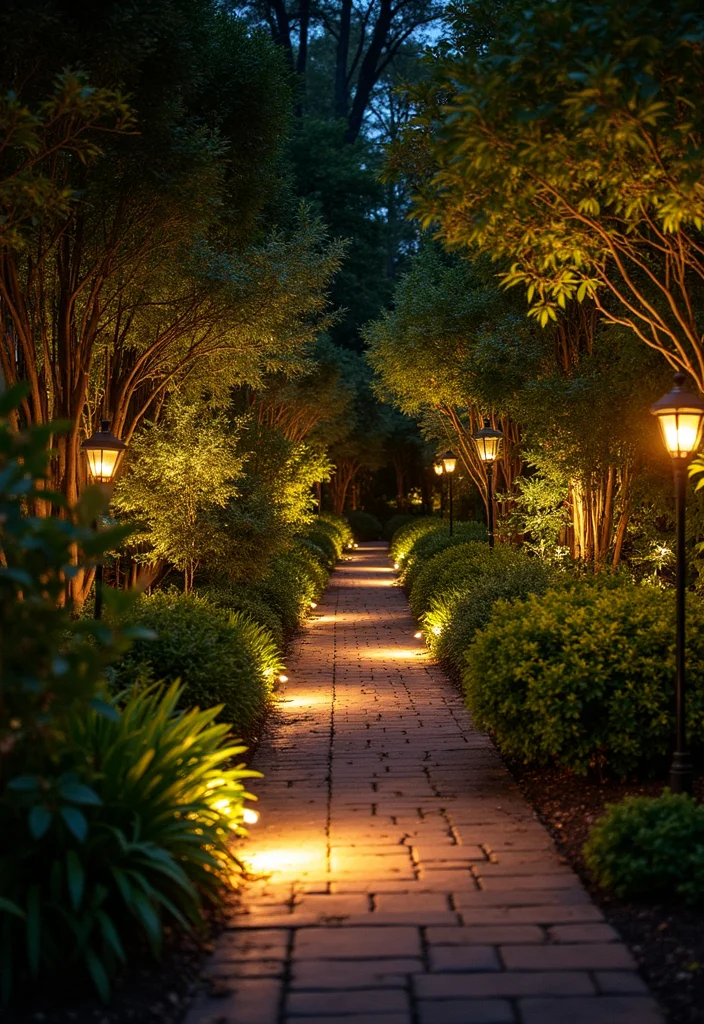
Garden lighting plays a crucial role in enhancing your outdoor space. It adds ambiance and highlights your favorite features, making your garden come alive at night. From pathway lights to hanging lanterns, the right lighting can transform your garden into a magical retreat. Many homeowners are adding lighting to create inviting evening atmospheres. Start with pathway lights to guide guests safely through your garden. Use spotlights to draw attention to specific plants or features, creating stunning focal points. String lights can add a cozy feel for evening gatherings. Thoughtful lighting design not only enhances safety but also creates a warm and inviting environment. • Install pathway lights for safety
• Use spotlights to highlight features
• Hang string lights for a cozy atmosphere
• Consider solar options for energy savings
With the right lighting, your garden can shine beautifully even after sunset.
16. Pergolas and Gazebos: Stylish Structures
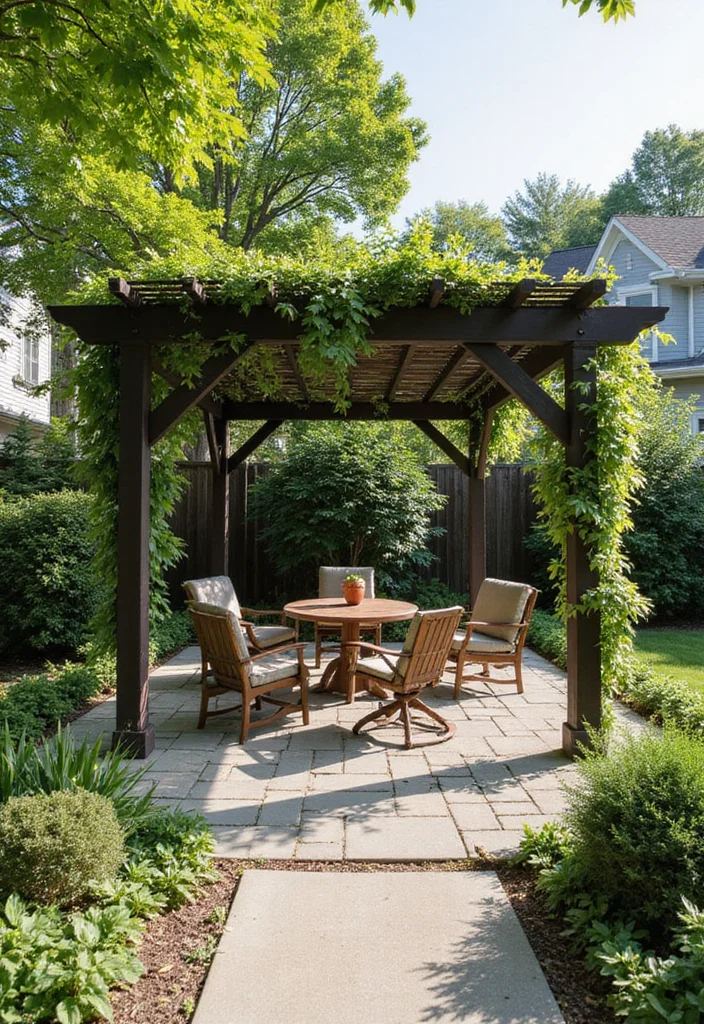
Adding structures like pergolas and gazebos can elevate your garden’s design. These features provide shade and shelter, creating inviting spaces for relaxation or gatherings. Pergolas and gazebos can become stunning focal points in your garden, enhancing your outdoor living experience. Many homeowners are choosing these structures for both style and function. To get started, select a design that complements your garden’s overall theme. Consider using natural wood or painted finishes to match your style. Furnish these areas with comfortable seating to create inviting spots for socializing or enjoying quiet moments. This addition encourages you to spend more time outdoors throughout the year. • Choose complementary designs for harmony
• Use natural materials for authenticity
• Add comfortable seating for relaxation
• Decorate with plants for a lush feel
Incorporating pergolas and gazebos creates a stylish outdoor retreat for enjoyment.
17. Color Theory in Gardening: Paint with Plants
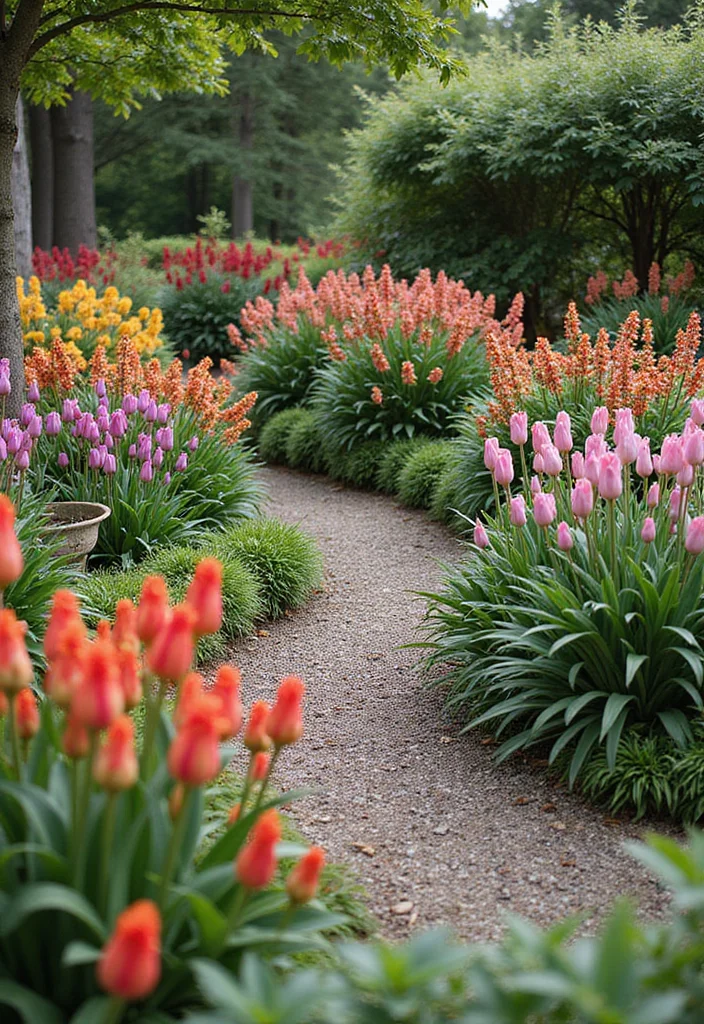
Understanding color theory in gardening can greatly influence your garden’s atmosphere. Different colors evoke different feelings; warm colors like reds and yellows energize, while cool colors like greens and blues create calm. Using color strategically can enhance the overall experience of your outdoor space. Many gardeners are now focusing on these principles for better design. Start by choosing a cohesive color palette that reflects the mood you want to create. Pair contrasting colors for striking visual impact, and consider seasonal plantings for ongoing color changes. This mindful approach to color makes your garden not only beautiful but also emotionally resonant. • Choose a cohesive color palette for unity
• Pair contrasting colors for visual interest
• Plan for seasonal changes in color
• Use colorful foliage for year-round appeal
By applying color theory, you can design a garden that speaks to your personality and enhances your outdoor experience.
18. Green Roofs: Eco-Friendly Solutions
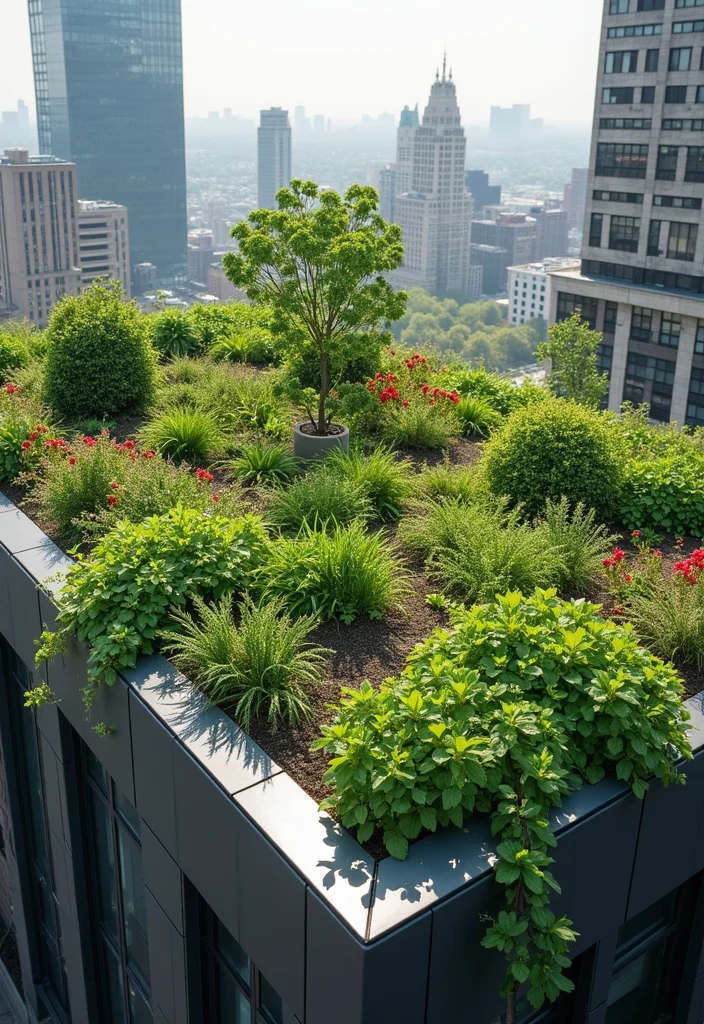
Green roofs are an innovative solution for urban gardening. They help insulate buildings, reduce stormwater runoff, and create habitats for wildlife. Transforming rooftops into lush gardens is both practical and visually striking, appealing to eco-conscious homeowners. This trend is growing due to its numerous environmental benefits. When considering a green roof, think about the types of plants that will thrive in that environment. Use lightweight soil and native plants to ensure success. This addition not only enhances your building’s appearance but also contributes to energy efficiency and biodiversity. • Choose native plants for the best success
• Use lightweight soil for proper drainage
• Consider irrigation systems for care
• Explore community programs for support
By adding a green roof, you create a stunning oasis that benefits the environment.
19. Edges and Borders: Define Your Space
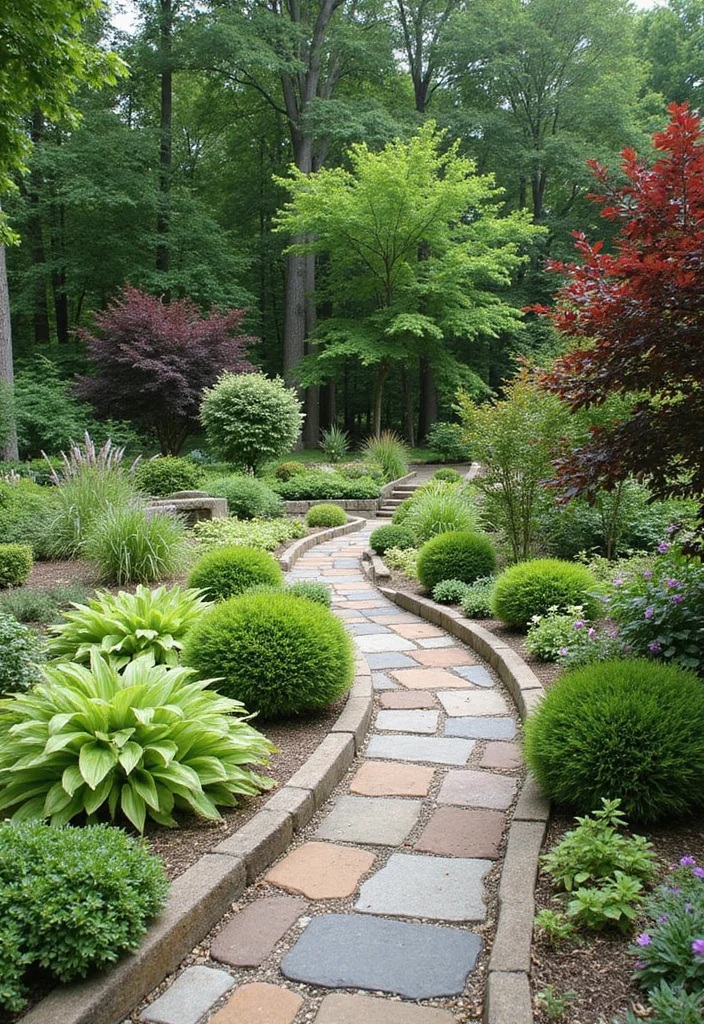
Using edges and borders effectively can enhance your garden’s organization and style. Whether you choose low hedges, decorative stones, or metal edging, clear boundaries can define spaces and add interest. This thoughtful design element can help make your garden feel cohesive and inviting. Many gardeners are now focusing on these details for a polished look. Start by selecting natural materials like plants or stones for soft borders, or use geometric options like metal for a modern twist. Incorporate colorful flowers along the edges to draw attention. These boundaries not only create structure but also enhance your garden’s beauty. • Use soft natural borders for a gentle look
• Choose geometric edging for modern appeal
• Incorporate colorful flowers for attraction
• Define zones for clarity in design
By adding edges and borders, you create a garden design that feels intentional and beautiful.
20. Garden Art: Personalize Your Space
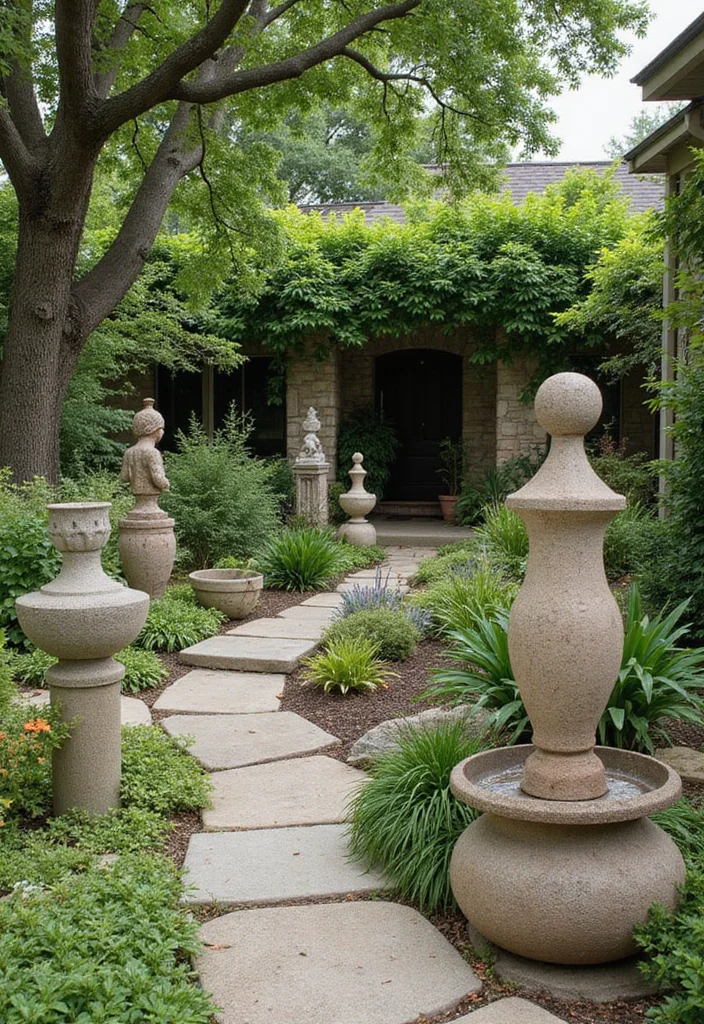
Adding art to your garden can infuse it with personality and creativity. From sculptures to decorative pots, garden art can make your space truly unique. Mixing art with plants creates exciting focal points that tell a story. Many gardeners are using art to express their individual styles in their outdoor spaces. Start by selecting sculptures that resonate with your personal taste and enhance your garden’s theme. Use colorful pots to add flair to your plantings, and consider adding wind chimes for a playful touch. This personalization adds layers of interest to your garden, making it feel like a vibrant gallery. • Select sculptures that reflect your style
• Use colorful containers for flair
• Add wind chimes for sound and movement
• Incorporate themed art pieces for cohesion
By personalizing your garden with art, you create a lively outdoor space that truly reflects who you are.
Conclusion: Cultivating Your Modern Garden
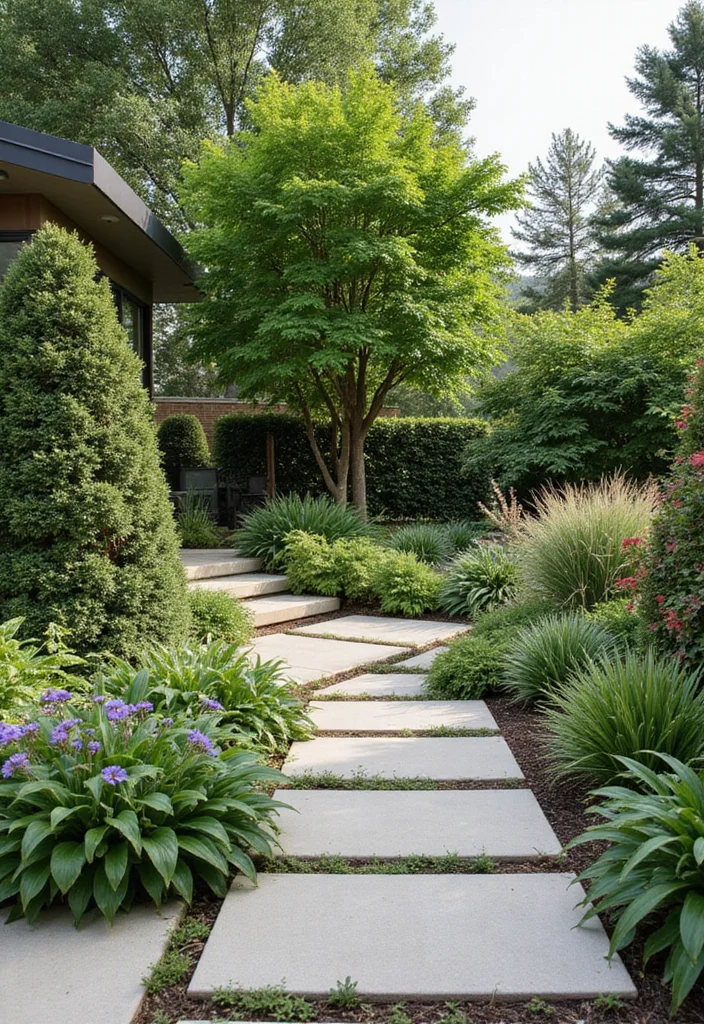
Creating a modern garden is about more than just aesthetics; it’s a holistic approach to landscape design that emphasizes sustainability and personal expression. The ideas shared in this guide showcase how contemporary gardening can enhance not only your outdoor space but also your lifestyle. As you start to implement these ideas, consider how they can reflect your values and connect you with nature. Transforming your gardening space is an exciting journey, and every little change contributes to a more beautiful and sustainable world.
Frequently Asked Questions
What Are Key Elements of Modern Garden Design?
When it comes to modern garden design, you’ll want to focus on clean lines, minimalism, and a balance of functionality and aesthetics.
Incorporating features like outdoor living spaces and contemporary plant selections can create a striking yet serene environment. Think about using sustainable materials and native plants to enhance your urban garden design while contributing positively to the ecosystem.
How Can I Implement Sustainable Gardening Techniques in My Urban Garden?
Absolutely! Sustainable gardening techniques can be easily adapted to urban gardens. Start by choosing native plants that require less water and maintenance. Consider using composting to enrich your soil naturally and reduce waste.
Another great tip is to implement rainwater harvesting systems or drip irrigation to conserve water. These practices not only benefit your garden but also contribute to a more sustainable urban environment.
What Are Some Contemporary Plant Selections for Urban Gardens?
For a modern touch, consider using plants that thrive in urban settings, such as ornamental grasses, succulents, and perennials like echinacea. These plants can add texture and color while requiring low maintenance.
Incorporating vertical gardens or container gardening can also maximize space and create a stunning visual appeal, turning your urban garden into a contemporary oasis.
How Do I Design Outdoor Living Spaces in My Garden?
Designing outdoor living spaces starts with understanding how you want to use the space. Think about areas for entertaining, relaxing, or even dining al fresco. Incorporate elements like comfortable seating, shade structures, and fire pits to enhance functionality and comfort.
Using sustainable materials and incorporating greenery can blend these spaces harmoniously with your modern garden design, making them inviting and eco-friendly.
What Are the Benefits of Integrating Landscape Architecture in Urban Gardening?
Integrating landscape architecture into urban gardening offers numerous benefits. It allows for a holistic approach to design, considering factors like drainage, sunlight exposure, and the overall ecosystem.
This thoughtful planning can enhance the beauty and functionality of your space while promoting biodiversity and sustainability. Plus, it helps create a cohesive look that ties your garden elements together beautifully!