

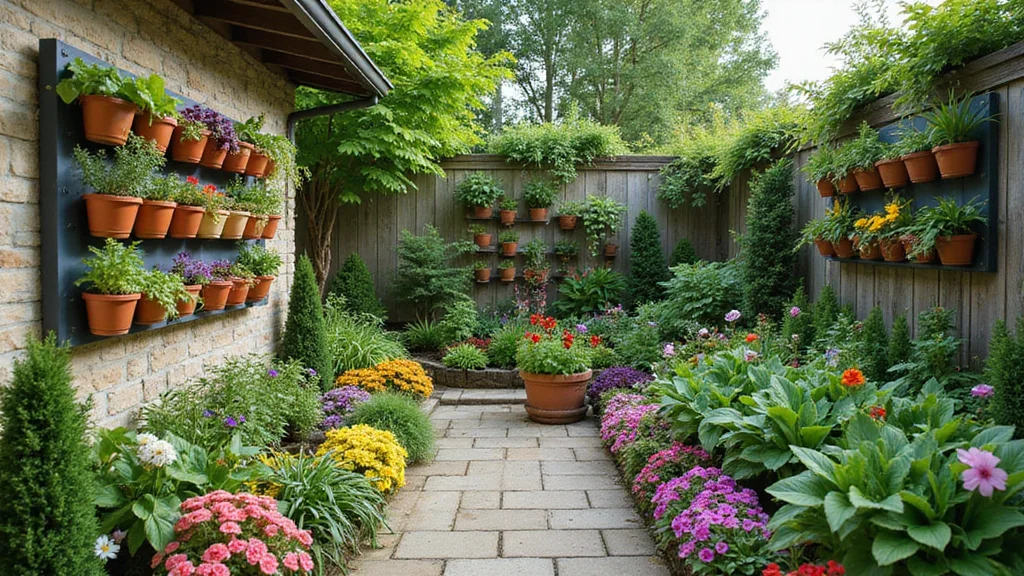
Creating a beautiful garden can often feel overwhelming, especially if you’re working with limited space. That’s why I put together this guide on garden layout ideas that focus on vertical gardening solutions. Whether you’re a seasoned gardener or just starting out, I want to help you find inspiration to make the most out of your outdoor spaces.
If you love spending time in your garden but struggle with small areas or unique landscape designs, this post is for you. You’ll find that vertical gardening can transform even the tiniest corners of your yard into lush, green paradises. I know how important it is to maximize every inch of space, and with these ideas, you can do just that.
In this guide, you’ll discover 20 well-structured outdoor inspirations that are practical and achievable. From wall-mounted planters to vertical herb gardens, you’ll get tips on plant arrangement and garden planning that make it easy to create your dream garden. You’ll also learn how to incorporate vertical gardening techniques into your landscape design. Let’s dive in and explore the creative possibilities that await you in your garden!
Key Takeaways
– Vertical gardening maximizes space by utilizing walls, railings, and fences, making it ideal for small yards.
– Wall-mounted planters can be made from various materials, allowing for customization to suit your style.
– Vertical herb gardens not only save space but also provide fresh ingredients right at your fingertips.
– Upcycled materials can be creatively transformed into stunning vertical displays, adding character and sustainability to your garden.
– Seasonal vertical gardening ensures your outdoor space remains vibrant and alive all year round, enhancing curb appeal.
1. Wall-Mounted Planters
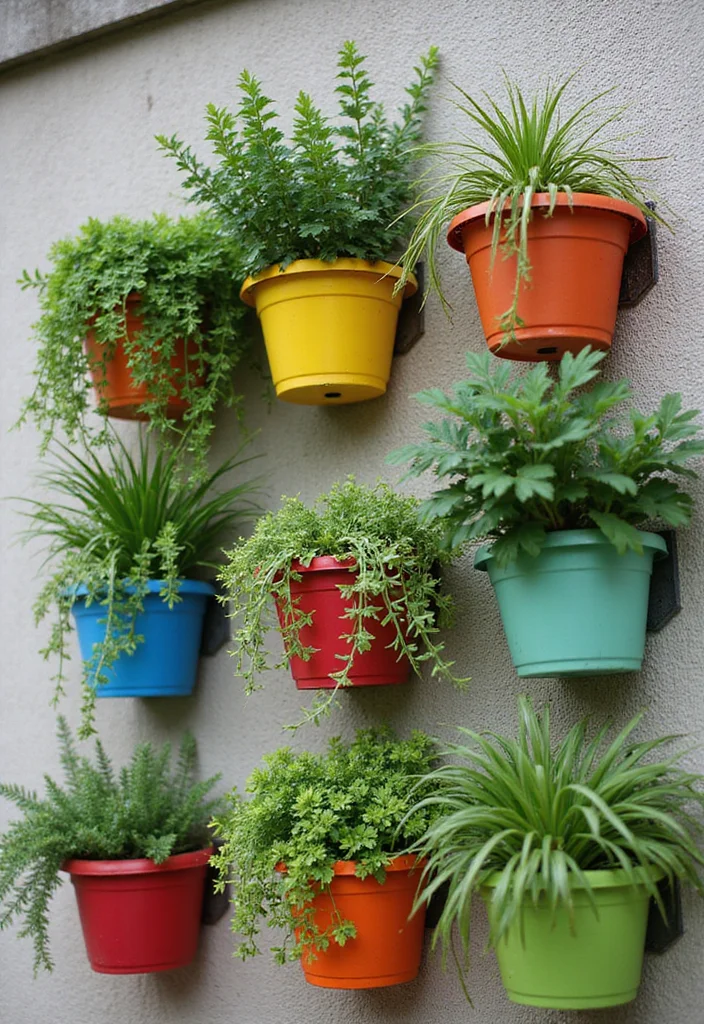
Wall-mounted planters are a clever way to bring greenery into tight spaces. You can attach them to fences, walls, or even the side of your home, which is ideal for city living. Choose from sleek metal designs or rustic wooden boxes to match your style. Pinterest is buzzing with these ideas, showing how they can brighten any outdoor area.
When picking out plants, mix heights and colors for a vibrant display. Consider using trailing plants like ivy or string of pearls to add depth. Remember to check sunlight and drainage for each plant. Succulents or herbs are great choices since they require little upkeep.
• Use metal or wood planters for style
• Mix trailing and upright plants for interest
• Choose low-maintenance plants for ease
• Paint planters in bold colors for a pop
With these tips, you can create a lively wall garden that transforms your space into a green oasis.
2. Vertical Garden Trellises
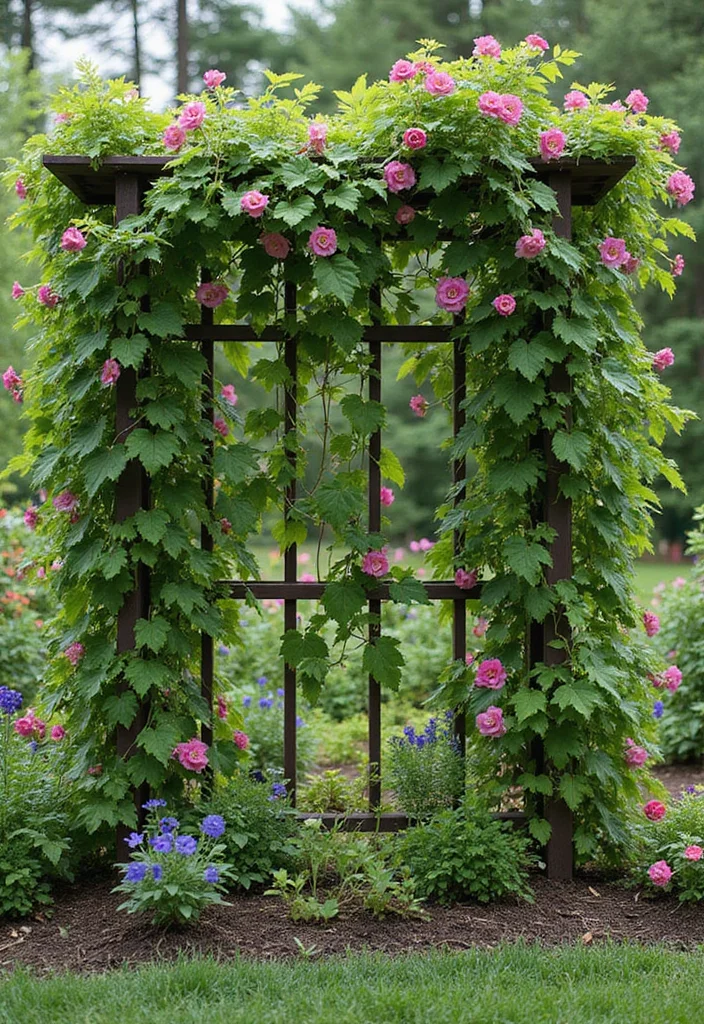
Trellises are perfect for adding height and structure to your garden. They allow climbing plants to thrive while creating a beautiful backdrop. You can find them made of wood, metal, or even repurposed items like old ladders. Imagine growing cucumbers or honeysuckle along a trellis, adding a wild character to your garden.
When setting up, consider how the sun moves across your garden. Position sun-loving plants like beans or tomatoes on the trellis for the best growth. Pair these with shorter plants below to maximize your space.
• Train plants to climb for a fuller look
• Use companion plants for better yields
• Mix edible and flowering plants for variety
• Choose sturdy materials for support
With a trellis, you can create an inviting vertical garden that blooms beautifully.
3. Hanging Gardens
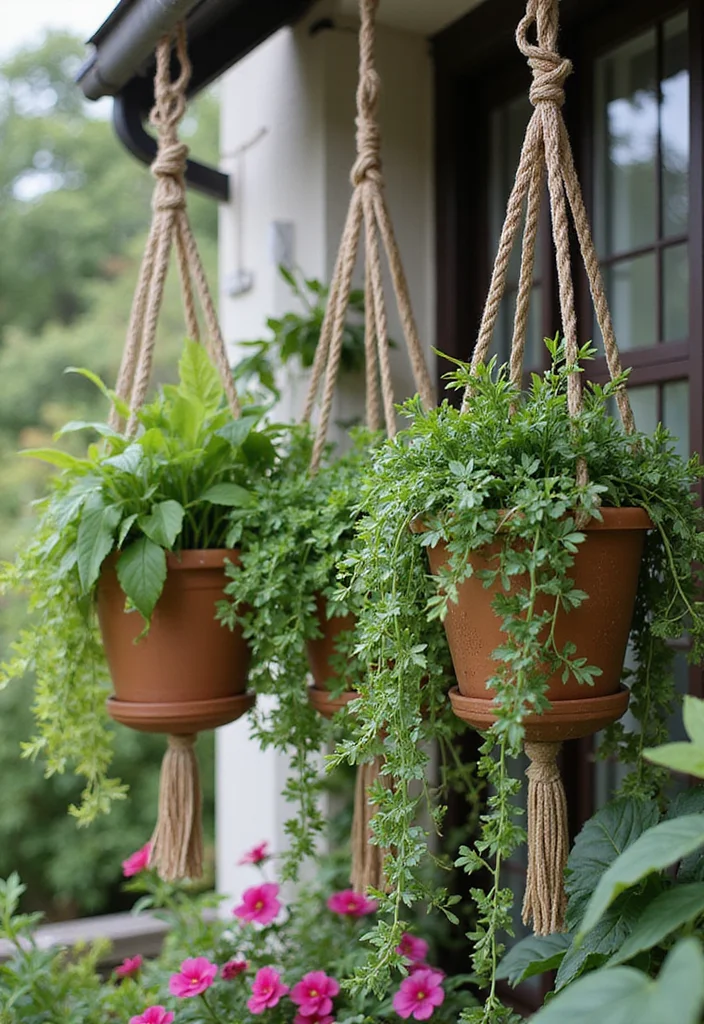
Hanging gardens are an exciting way to make the most of limited space. You can suspend plants from ceilings, balconies, or beams, creating a stunning cascading effect. Ferns, spider plants, and colorful petunias are all excellent choices for these displays.
To add flair, use decorative macramé hangers that come in various styles, from bohemian to sleek modern. Group plants that share similar sunlight and watering needs to simplify care.
• Use macramé hangers for style
• Choose similar care plants for easy maintenance
• Mix heights for visual interest
• Ensure accessibility for watering
With these ideas, your hanging garden will be a beautiful focal point in your home.
4. Vertical Garden Kits
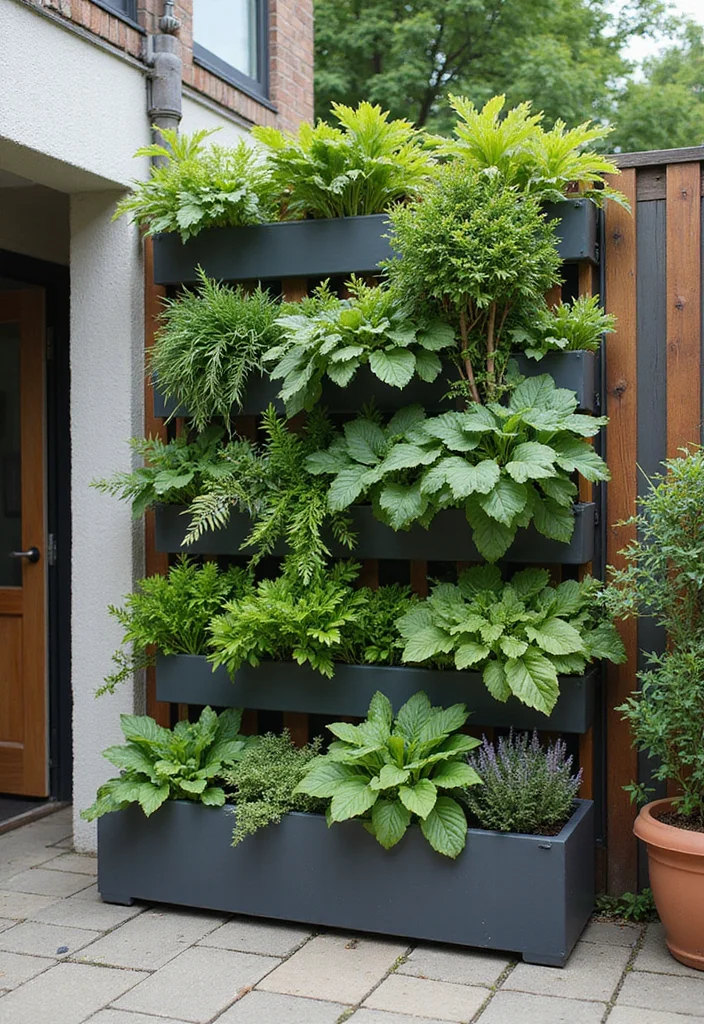
Vertical garden kits make it simple to start your own green wall. They usually come with everything you need, from planters to soil and seeds. You can find kits designed for small walls or larger freestanding units, making them super versatile.
Look for kits with self-watering features to cut down on maintenance. Choose a sunny spot for the best results with your plants.
• Select self-watering kits for ease
• Position in sunny locations for growth
• Create themed gardens like herbs or flowers
• Customize design for your space
With a vertical garden kit, you can enjoy fresh herbs or flowers right at home!
5. Ladder Planters

Ladder planters add unique charm to your garden while maximizing vertical space. You can repurpose an old ladder by placing potted plants on its steps, creating an eye-catching display. This not only saves space but also adds character to your outdoor area.
Layer your plants based on their light preferences—put sun-loving varieties at the top and shade-tolerant ones below.
• Paint the ladder in a bright color for fun
• Use weathered wood for rustic appeal
• Add decorative lights for evening charm
• Arrange plants by height for balance
With a ladder planter, you’ll enjoy a delightful garden feature that enhances your space.
6. Vertical Herb Gardens
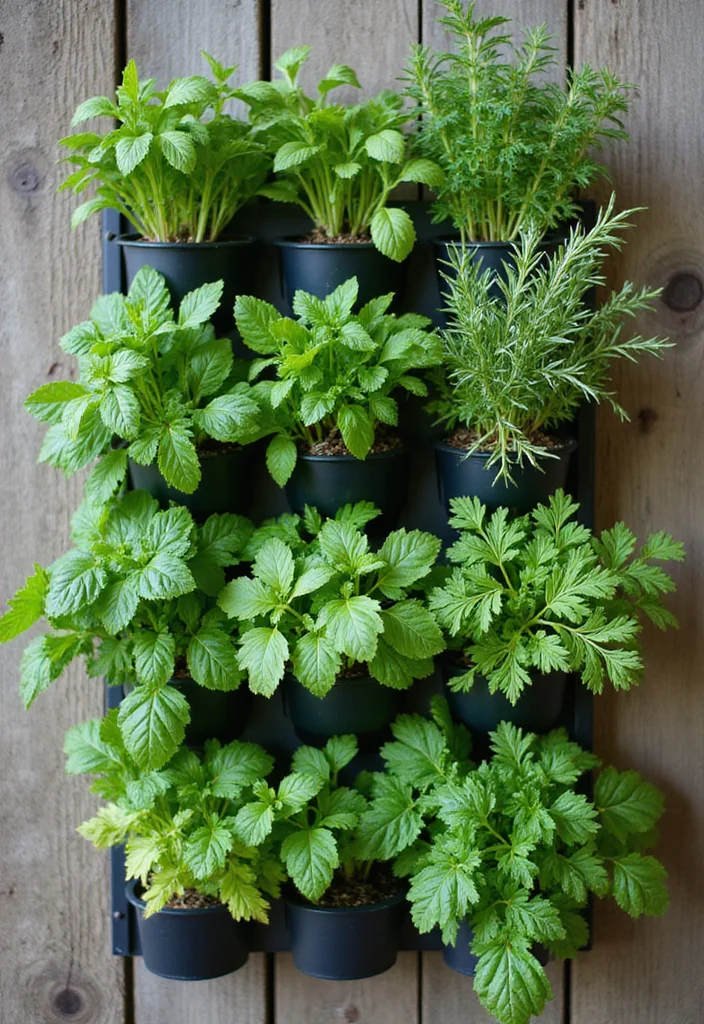
Herbs are fantastic for vertical gardening as they thrive in small spaces. A vertical herb garden not only looks great but also provides fresh flavors for your cooking. You can use stacked planters or wall-mounted systems designed specifically for herbs.
Arrange your herbs based on their growth habits—group basil and parsley together while placing taller plants like rosemary on top.
• Use stacked planters for space-saving
• Trim herbs regularly for best growth
• Consider sunlight needs for placement
• Mix flowers with herbs for beauty
With a vertical herb garden, you’ll have easy access to fresh flavors right at your fingertips.
7. Vertical Planter Boxes

Vertical planter boxes are a straightforward way to add greenery to any outdoor area. They can be stacked or placed against a wall, giving you plenty of room to grow various plants without taking up too much ground space. You can find both DIY options and pre-made boxes that suit your style.
When planting, arrange taller plants at the back with shorter ones in front for a well-balanced look.
• Ensure drainage holes for healthy plants
• Mix plant heights for visibility
• Coordinate colors for a cohesive look
• Use DIY techniques for a personal touch
With vertical planter boxes, your outdoor area will flourish beautifully.
8. Upcycled Vertical Gardens
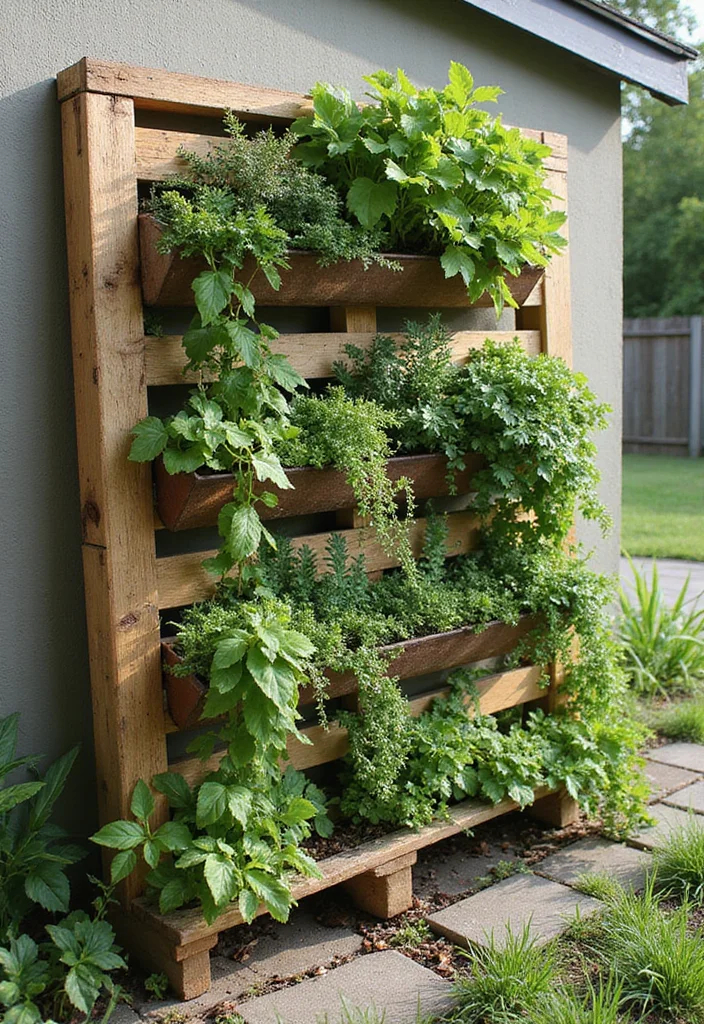
Upcycling materials for vertical gardens brings creativity and sustainability to your space. Use old wooden pallets, gutters, or shoe organizers for unique displays. This approach not only saves space but also gives your garden a charming, eclectic look.
Before setting up, ensure your materials are safe for plants—clean and treat wood to prevent harmful chemicals.
• Fill shoe organizers with herbs or succulents
• Combine various materials for visual interest
• Keep plants accessible for care
• Add colorful pots to enhance aesthetics
With upcycled vertical gardens, you can showcase your creativity while being eco-friendly.
9. Vertical Flower Gardens
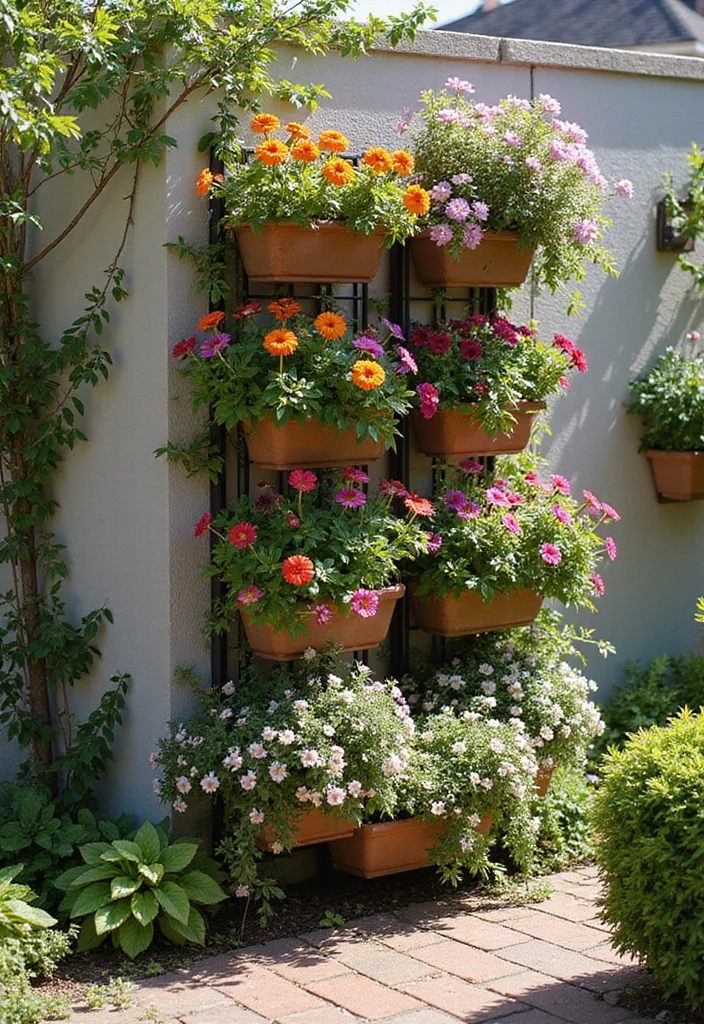
A vertical flower garden is a beautiful way to make the most of limited space. Use trellises, wall-mounted planters, or stacked pots to create stunning displays of vibrant blooms. Flowers like petunias, nasturtiums, and climbing roses thrive in vertical gardens.
When arranging, think about colors and combinations to create eye-catching patterns. You can pair contrasting colors or stick to a monochrome scheme for a sleek look.
• Regularly deadhead flowers for blooms
• Use soil amendments for health
• Choose climbing plants for height
• Mix colors for impact
With these tips, your vertical flower garden will be a stunning sight to behold!
10. Vertical Vegetable Gardens
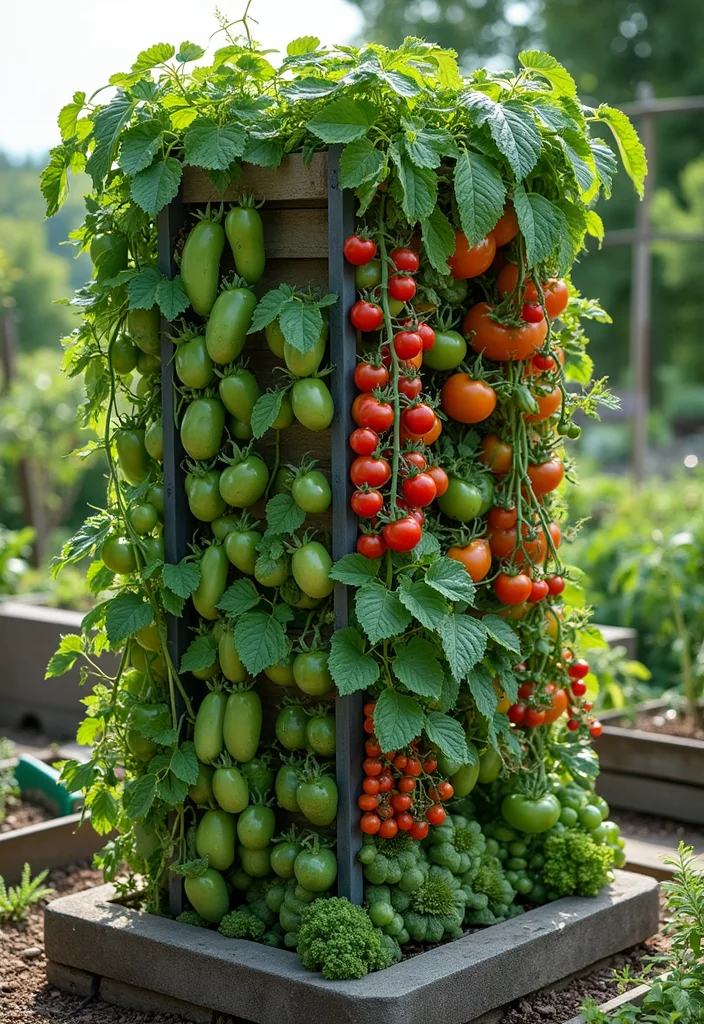
Growing vegetables vertically is a smart way to save space and enhance your gardening experience. You can use any vertical structure to grow favorites like tomatoes, peppers, and cucumbers. Vertical gardening improves air circulation and makes harvesting easier.
When planting, choose the right support structures like cages or trellises to help your veggies thrive.
• Use companion planting for better yields
• Choose vertical supports for climbing plants
• Plan spacing carefully for growth
• Rotate crops seasonally for soil health
With a vertical vegetable garden, you can enjoy fresh produce and beautify your space.
11. Garden Arches
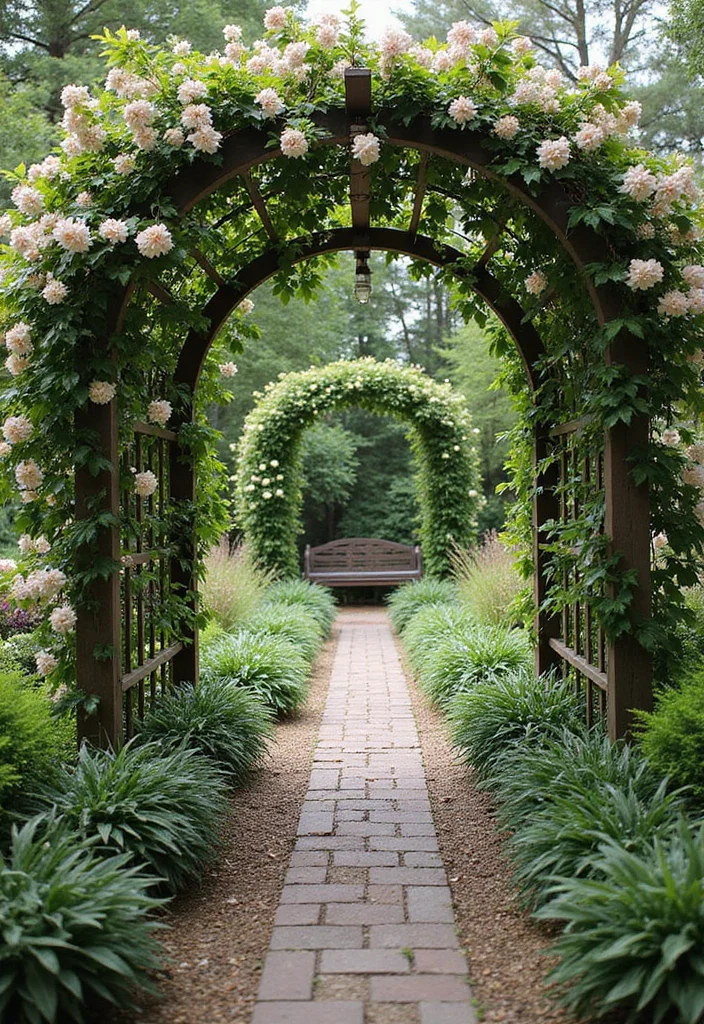
Garden arches are not just for looks; they help grow climbing plants while defining spaces in your garden. An arch can frame a pathway or create a stunning entrance. Cover it with flowering vines like wisteria or climbing roses for a romantic touch.
When planning your arch, ensure it’s strong enough to support your plants.
• Pair arches with seating areas for relaxation
• Use lightweight vines for easier care
• Decorate with solar lights for ambiance
• Choose sturdy materials for longevity
With a garden arch, you can create a beautiful focal point that enhances your outdoor experience.
12. Vertical Green Walls
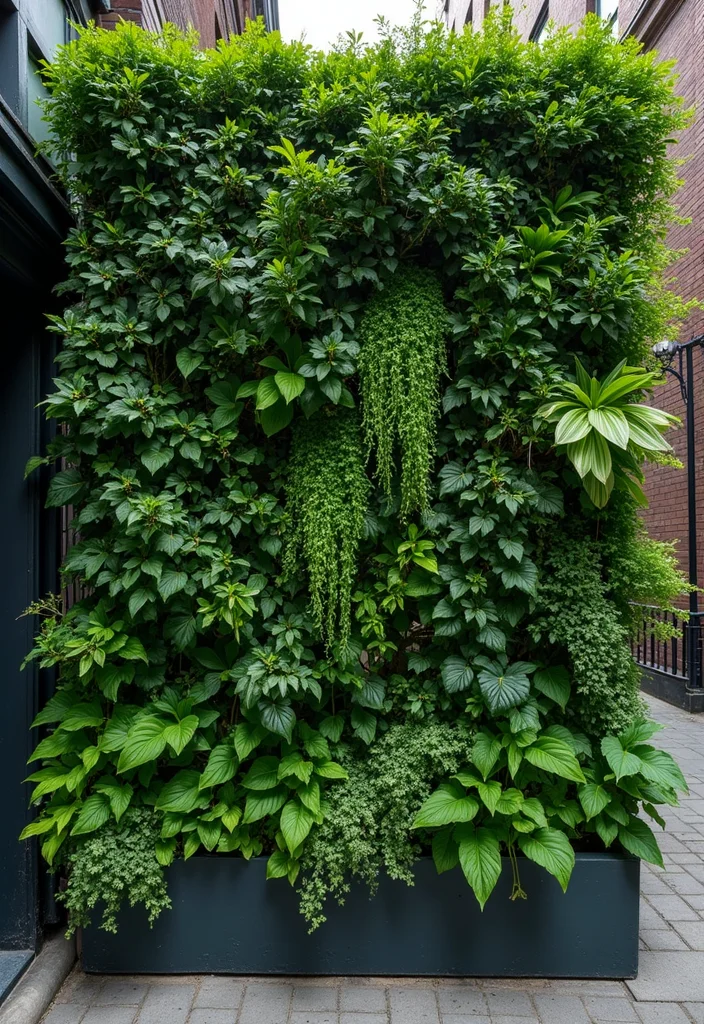
Green walls are a stunning way to showcase various plants while maximizing space. These can be installed on any vertical surface and are perfect for urban living where ground space is limited. Customize your green wall with a mix of plants to create a lush display.
Consider the types of plants you choose; some prefer sunlight while others thrive in shade.
• Select textured foliage for depth
• Include flowering plants for color
• Ensure proper irrigation for health
• Choose native plants for easier care
With a green wall, you’ll enjoy a beautiful and functional part of your home that improves air quality.
13. Vertical Succulent Displays
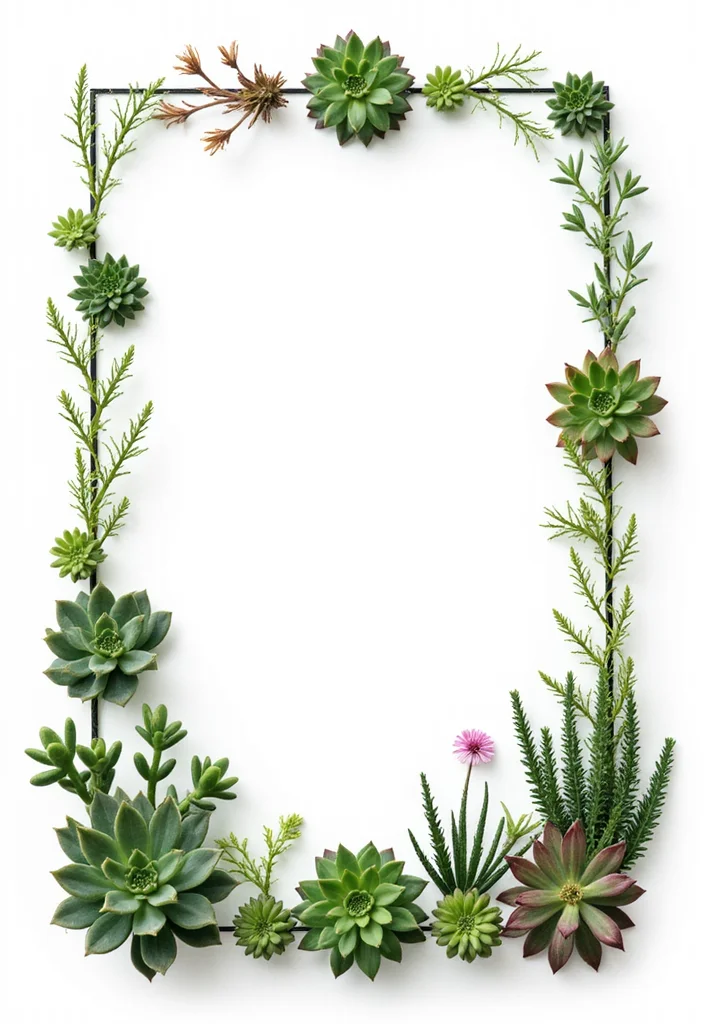
Succulents are perfect for vertical gardens due to their compact nature and low maintenance. You can create displays using repurposed wood, frames, or custom-built systems. These arrangements add a modern touch and require little care.
Arrange succulents by type or color for stunning visual effects.
• Ensure good drainage for health
• Water sparingly to avoid rot
• Combine with decorative stones for beauty
• Group similar varieties for impact
With a vertical succulent display, your garden can shine with minimal effort.
14. Modular Vertical Gardens

Modular vertical gardens offer a flexible way to customize your outdoor layout. These systems come with interchangeable pods or panels, allowing you to rearrange your plants as desired. They’re perfect for experimenting with plant combinations.
Include a mix of plants that thrive in similar conditions for the best results.
• Create themed gardens for variety
• Use distinct colors for visual interest
• Change arrangements easily for fun
• Consider seasonal plants for freshness
With modular vertical gardens, you can enjoy a personalized and adaptable outdoor space.
15. Container Vertical Gardens
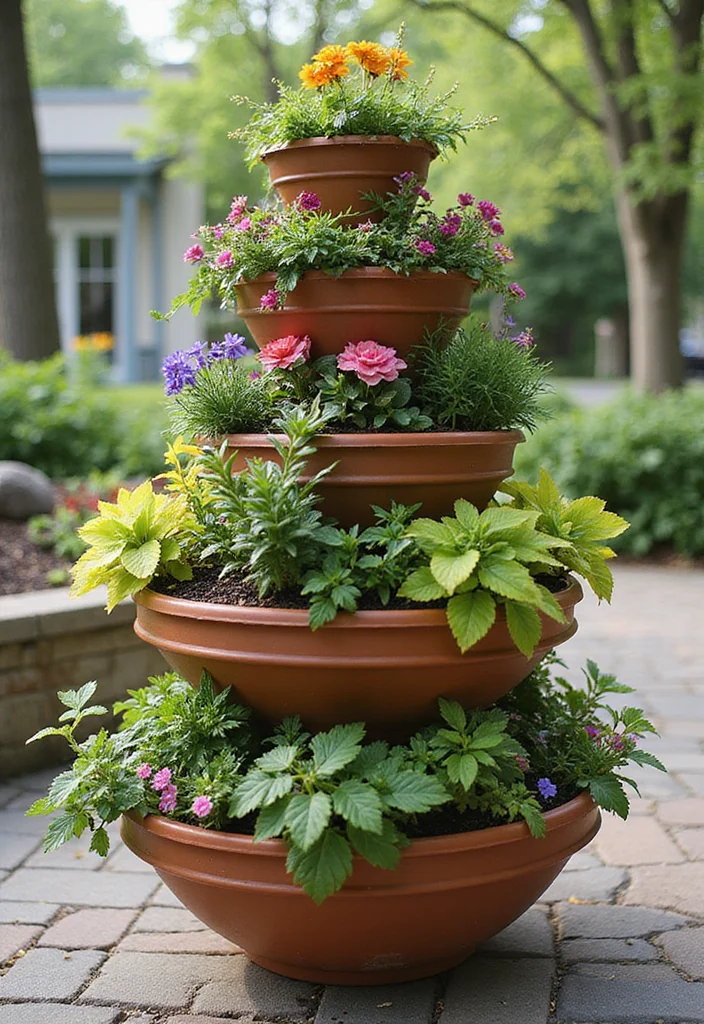
Container vertical gardens allow for creativity and customization. You can stack pots or use tiered shelving to create a striking arrangement. These gardens can hold flowers, herbs, and even small vegetables in a compact area.
Ensure each container has drainage and select plants with similar watering needs.
• Arrange containers by height and color
• Change plants seasonally for variety
• Group similar plants for ease
• Utilize decorative pots for style
With container vertical gardens, you can create a vibrant garden space full of life.
16. In-Ground Vertical Options

In-ground vertical gardening helps you make the most of the earth’s natural resources. You can create raised beds or vertical planting systems to grow deep-rooted plants neatly. Consider using bamboo stakes or trellises for support.
Build your raised beds with untreated wood to keep chemicals out of the soil. Regularly add organic compost for healthy growth.
• Incorporate pathways for easy access
• Use native plants for best results
• Plan for sunlight exposure in your layout
• Group plants by height for visual appeal
With in-ground vertical options, you can create a beautifully organized garden that thrives.
17. Colorful Vertical Displays

Adding color to your vertical garden can enhance its beauty. Consider using a mix of flowering plants that bloom at different times for continuous color. Plants like petunias, zinnias, and ornamental grasses work wonderfully.
Use color theory to create harmonious combinations, making your garden visually appealing. You can also select colored pots to enhance the overall effect.
• Choose varied blooms for seasonal interest
• Use contrasting colors for drama
• Incorporate colorful pots for flair
• Mix plant heights for depth
With colorful vertical displays, your garden will be a feast for the eyes.
18. Seasonal Vertical Gardening
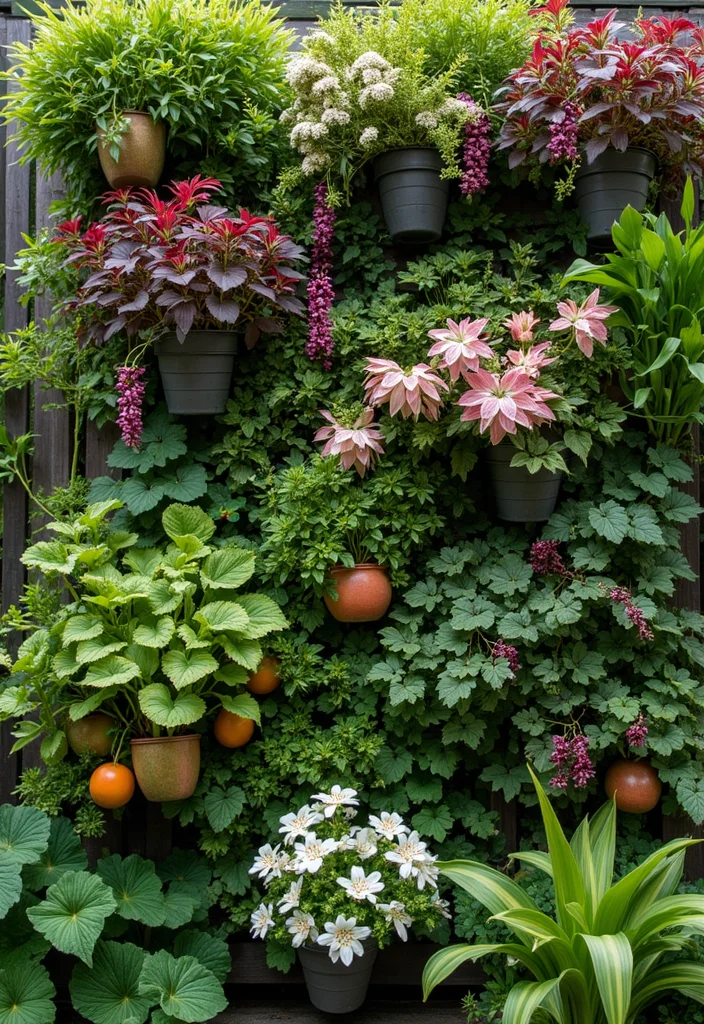
Plan your vertical garden around the seasons for year-round interest. You can rotate your plants based on the time of year, ensuring vibrant displays. Think about seasonal flowers and vegetables to keep your garden lively.
Keep a gardening journal to track what works best in your vertical setup. This will help you refine your choices over time.
• Mix perennial and annual plants for variety
• Use seasonal plants for freshness
• Track successes and challenges in a journal
• Plan color changes for visual interest
With seasonal vertical gardening, you can keep your outdoor space fresh and exciting.
19. Wildlife-Friendly Vertical Gardens
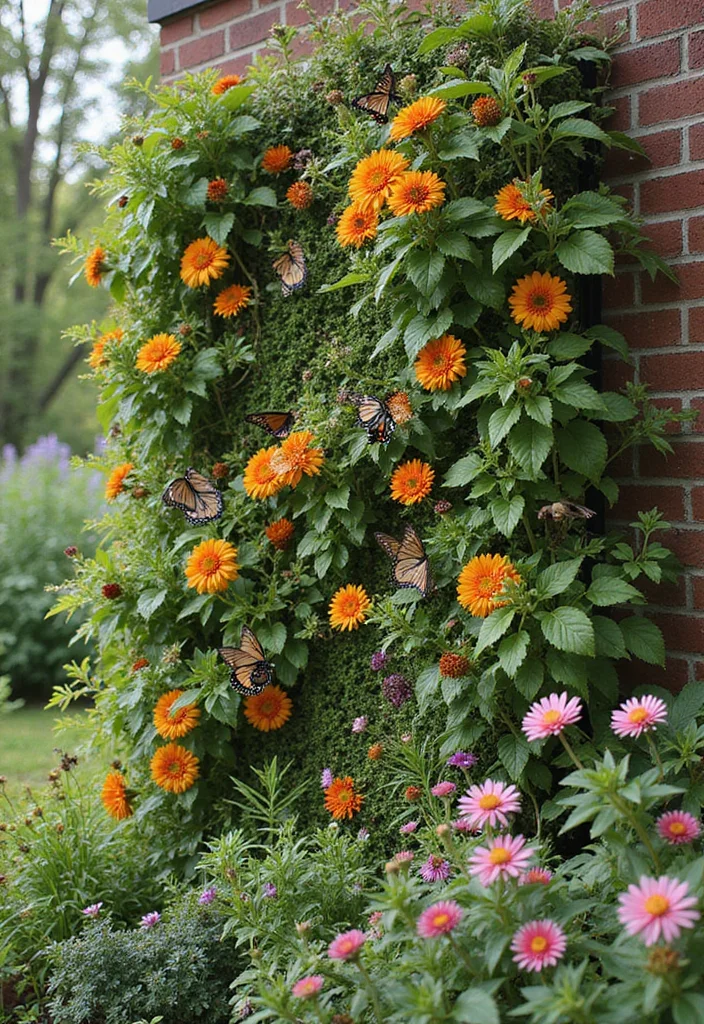
Creating wildlife-friendly vertical gardens attracts beneficial insects and birds. Use native plants that serve as food and shelter for local wildlife. Consider adding a water feature or birdhouse to enhance your vertical setup.
Avoid pesticides to maintain a healthy ecosystem in your garden. Incorporate plants that bloom at different times to provide food year-round.
• Choose fragrant flowers to attract pollinators
• Use native plants for better adaptation
• Include water sources for wildlife
• Plan for seasonal blooms for variety
With wildlife-friendly vertical gardens, you can create a lively and thriving outdoor space.
20. DIY Vertical Garden Projects
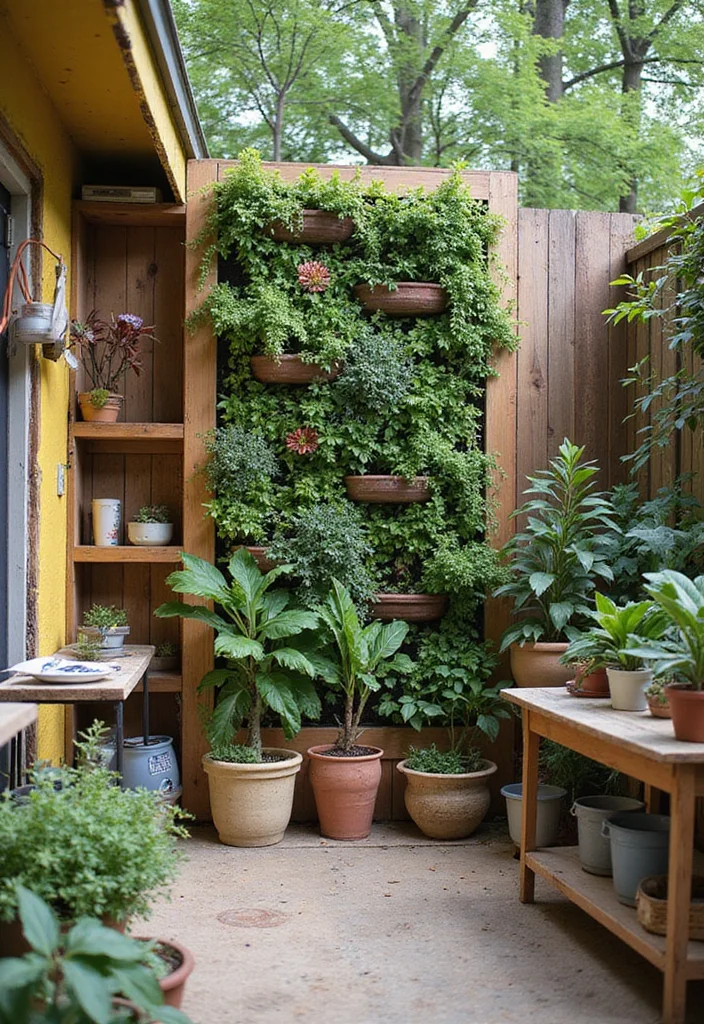
Engaging in DIY vertical garden projects can be a fun way to express your creativity. Whether you build a trellis or use reclaimed materials, these projects let you add a personal touch to your outdoor space.
Choose a project that matches your skills, and don’t hesitate to ask friends for help! Working together can make the process enjoyable.
• Research design ideas for inspiration
• Gather materials before starting
• Collaborate with friends and family for fun
• Celebrate completed projects with your loved ones
With DIY vertical garden projects, you can create something truly special that you’ll cherish for years.
Conclusion

Vertical gardening solutions for small spaces can transform even the tiniest outdoor areas into lush, green retreats. By integrating these innovative ideas into your gardening plans, you can create beautiful landscapes that are functional and visually stunning. Don’t hesitate to explore these options and find the best fits for your unique space!
Let your creativity blossom, and enjoy the journey of watching your garden thrive.
Frequently Asked Questions
What are some effective vertical gardening solutions for small spaces?
When it comes to maximizing your outdoor spaces, vertical gardening is a game changer! You can utilize wall planters, hanging pots, or even trellises to grow your favorite plants without needing a large footprint.
Consider using pocket planters or vertical garden kits that allow you to stack multiple plants in a small area. Herbs, succulents, and even vegetables can thrive in these setups, making them not only practical but also visually stunning.
How do I plan my garden layout for optimal sunlight and space?
Planning your garden layout is essential for ensuring your plants receive the right amount of sunlight while fitting into your available space. Start by observing your outdoor area throughout the day to see how sunlight moves.
Group plants that require similar light and water needs together, and don’t forget to leave space for growth! Using raised beds or containers can also help you manage space effectively, making garden planning a breeze.
What are some gardening tips for beginners in small outdoor spaces?
If you’re new to gardening and working with limited space, start simple! Choose easy-to-grow plants like herbs, cherry tomatoes, or leafy greens that thrive in smaller areas. Use containers or vertical gardens to maximize your planting potential.
Remember to keep an eye on watering and soil quality, as healthy plants will flourish. And don’t hesitate to experiment with different plant arrangements to find what works best for you!
How can I create a visually appealing garden layout?
Creating a visually appealing garden layout involves a mix of plant arrangement and design principles. Consider incorporating various heights and textures to create depth in your garden. Use a focal point, like a unique plant or decorative element, to draw the eye.
Mixing colors and styles while ensuring proper spacing will enhance your outdoor spaces. Think about seasonal blooms as well so that there’s always something in bloom, adding to the beauty year-round!
What types of plants are best suited for vertical gardening?
When choosing plants for vertical gardening, go for those that thrive in limited space and can handle being trained upwards. Great options include climbing plants like peas, beans, or cucumbers, as well as herbs such as basil and mint.
Succulents and ornamental grasses can also add an interesting aesthetic. Just make sure to consider their light requirements and choose a vertical structure that supports their growth!