

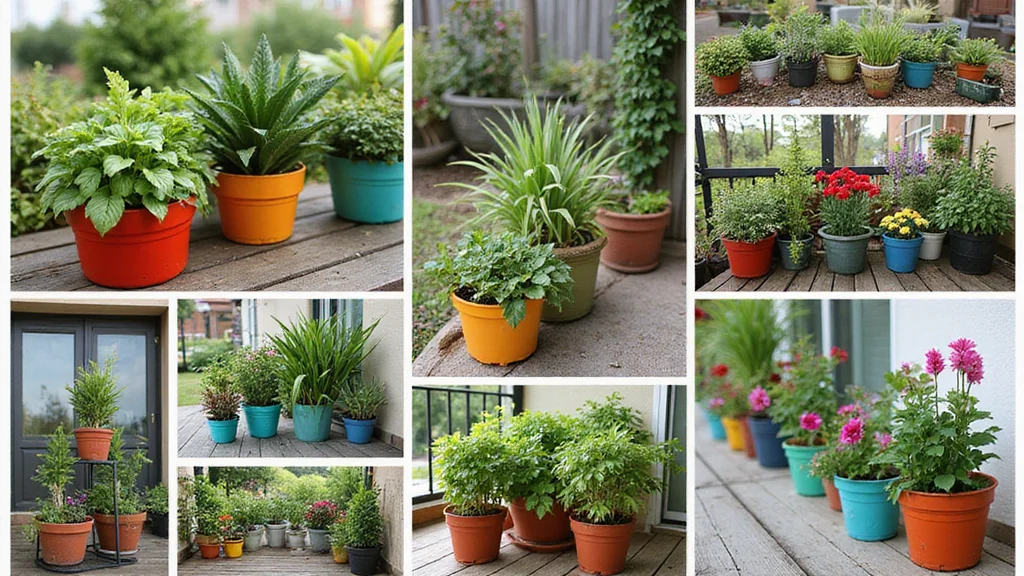
Creating a garden layout can feel like a daunting task, especially for those just starting out. With so many options available, it’s easy to get overwhelmed and unsure of where to begin. That’s why I put together this practical guide to help you navigate the world of gardening. Whether you have a tiny balcony or a small yard, you can grow your own green space.
This post is perfect for beginners who want to dive into gardening but might feel lost when it comes to design and planning. If you’re passionate about container gardening and want to make the most of your small space, you’ll find plenty of inspiration here. You’ll see how easy it can be to create a flourishing garden that fits your unique style and needs.
In this guide, you’ll discover 18 beginner-friendly garden layout ideas that are both simple and efficient. From vertical gardens to portable setups, each concept is designed to maximize your space while providing beautiful and productive growth. You’ll learn about key elements of garden planning, including how to arrange your plants and choose the right containers for your space. Let’s get started on creating your perfect garden oasis!
Key Takeaways
– Discover 18 unique garden layout ideas specifically for container gardening in small spaces, perfect for beginners.
– Learn how to effectively use vertical space to maximize your garden’s productivity with options like vertical planters.
– Explore the benefits of raised bed gardening, which can enhance plant growth and make maintenance easier.
– Find out how to choose the right containers for different types of plants, ensuring they thrive in your limited space.
– Get practical tips for garden planning, including the best arrangements for vegetables, herbs, and decorative plants.
1. Vertical Garden Wonder
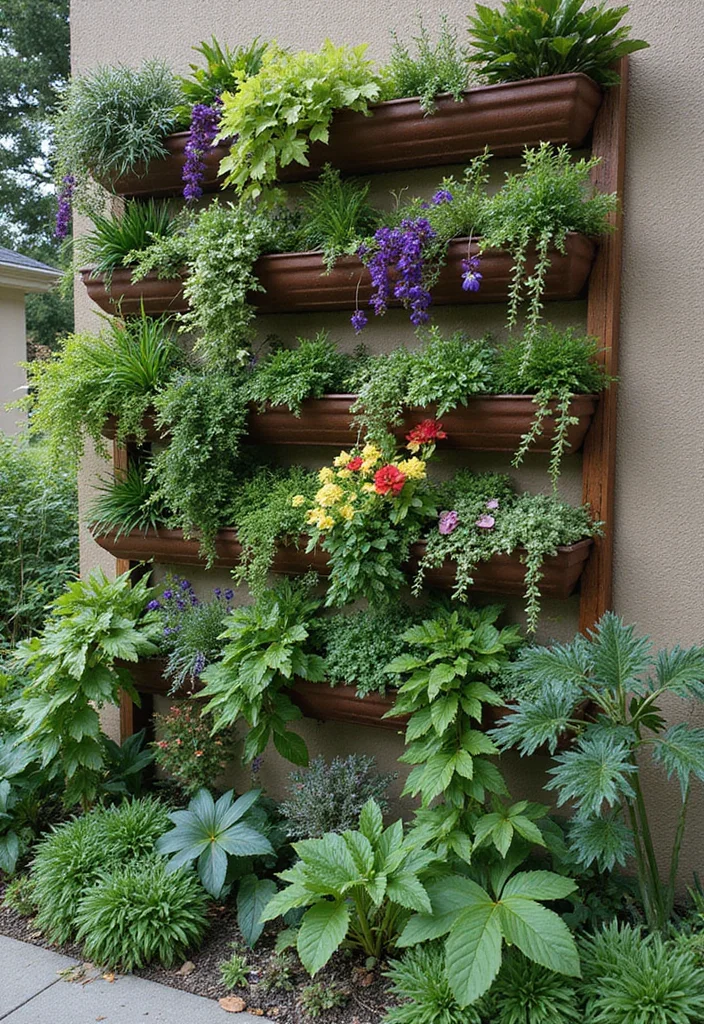
Vertical gardens are perfect for tight spaces. They allow you to grow flowers, herbs, or vegetables by utilizing vertical surfaces. You can use wall-mounted planters or decorative trellises to create an eye-catching display. Bright colors or unique materials can make your garden stand out, just like popular designs on Pinterest.
To set up your vertical garden, start with plants that thrive together. Choose varieties like strawberries and herbs that need similar light and water. For a budget-friendly option, check local thrift stores for planters. This style not only beautifies your home but also brings life to your walls, creating a cozy and inviting atmosphere.
• Use wall-mounted planters for space-saving
• Pick plants that grow well together
• Choose colorful or unique containers
• Add trellises for climbing plants
With a vertical garden, you can transform any wall into a lush, beautiful escape.
2. Curb Appeal Container Arrangement
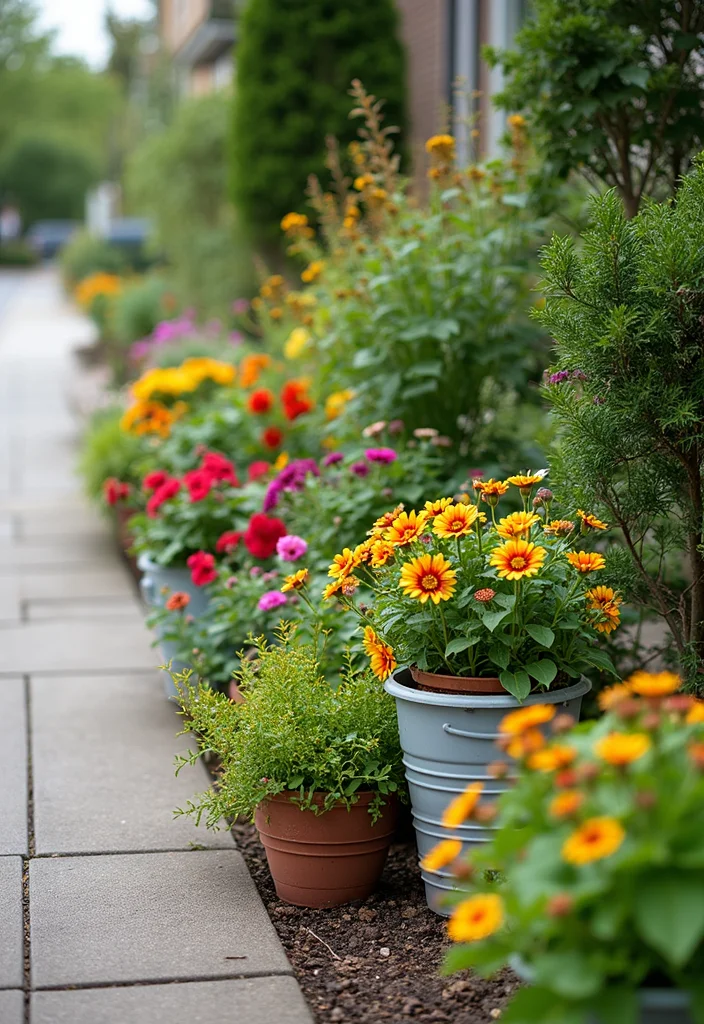
Enhance your home’s entryway with beautiful container gardens. Placing colorful pots filled with herbs or flowers at your curb can create a welcoming vibe for visitors. Try using a mix of shapes and heights to grab attention, as seen in many popular garden blogs.
To make this arrangement work, select pots that complement your home’s color. You can find affordable options at local nurseries or online. Group your pots in odd numbers for a natural look, and don’t forget to swap plants seasonally to keep things fresh. This setup not only beautifies your home but also adds the joy of growing fresh ingredients just outside your door.
• Choose colorful pots that match your home
• Group pots in odd numbers for balance
• Use edible plants for functionality
• Vary plant heights for visual interest
This layout not only enhances curb appeal but also allows you to enjoy home-grown produce year-round.
3. Terraced Container Garden
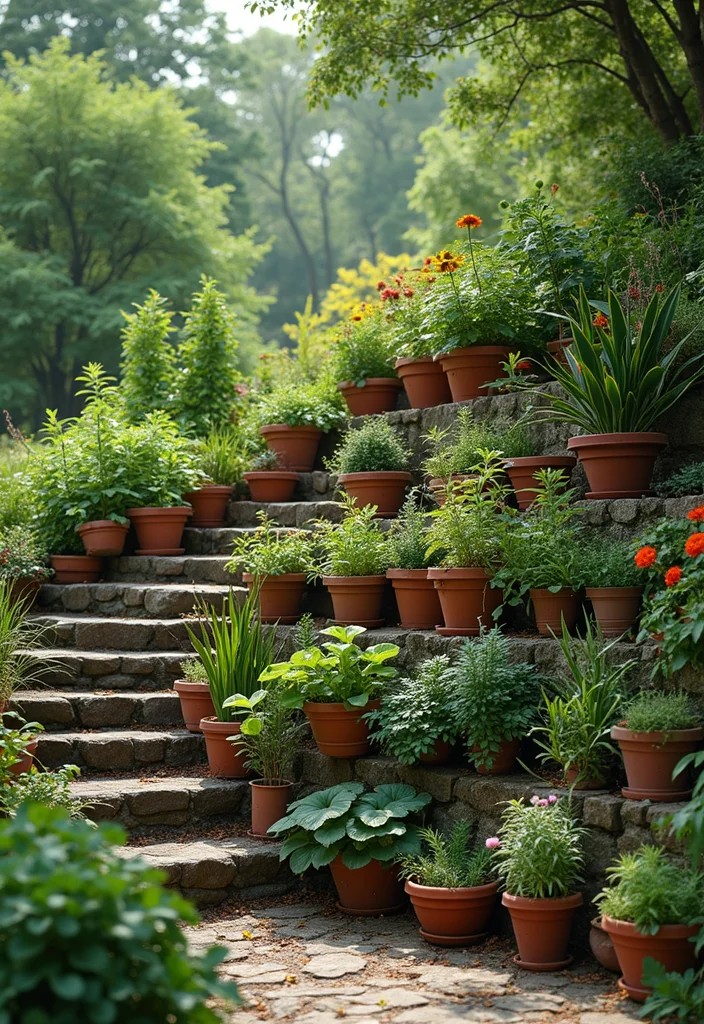
If your yard has steps or a slope, consider a terraced garden. This design showcases plants at different levels, drawing the eye upwards. It’s an ideal way to grow herbs, flowers, or even small fruit trees, creating a layered look.
To start, use lightweight pots to make moving them easier. Stagger the pots for a natural appearance, and consider adding decorative stones for extra flair. This style allows you to take advantage of varying sunlight and drainage, making it functional and beautiful. It’s a wonderful way to impress guests while enjoying your gardening hobby.
• Stagger pots for a natural look
• Use lightweight containers for easy movement
• Add decorative stones for visual appeal
• Incorporate plants that thrive at different heights
A terraced container garden creates a stunning visual display while making it easy to care for your plants.
4. Balcony Garden Oasis
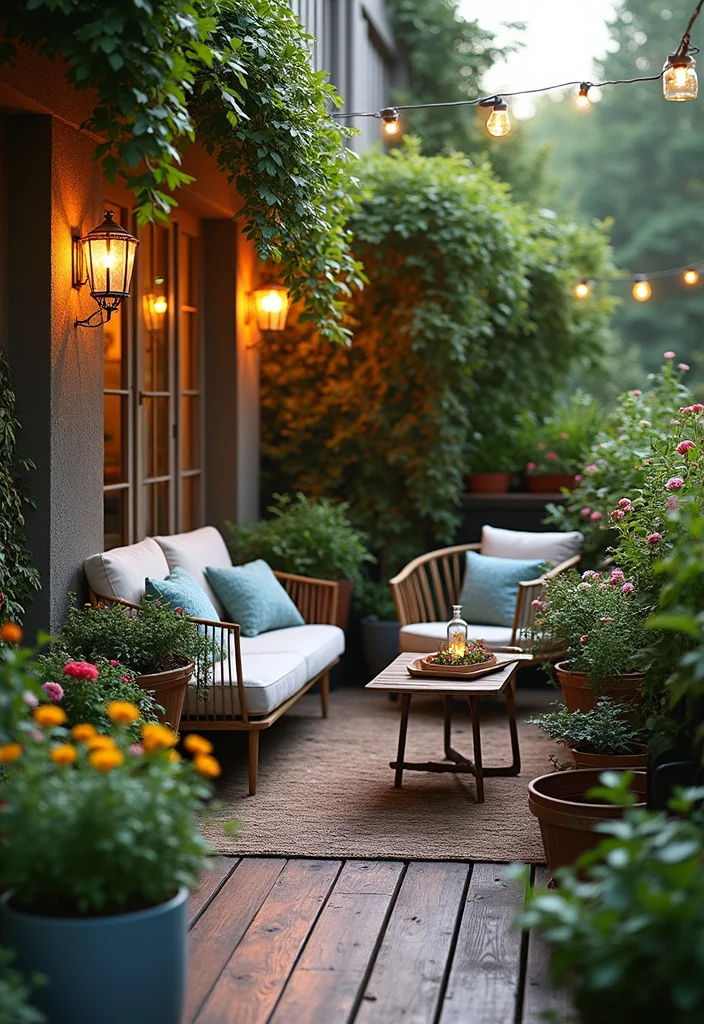
Turn your balcony into a relaxing oasis with a variety of plants. Use different container sizes to create depth and add comfortable seating for enjoyment. Incorporate fragrant herbs or bright flowers to make the space inviting, as seen in beautiful outdoor designs.
Choose lightweight furniture for easy rearranging and opt for self-watering pots to reduce maintenance. If your balcony is sunny, select plants that thrive in sunlight. Adding fairy lights can create a cozy atmosphere for evenings. This setup allows you to enjoy nature and unwind right at home.
• Create comfortable seating for relaxation
• Use self-watering pots for low maintenance
• Incorporate fairy lights for ambiance
• Choose plants suited to your balcony’s light
This garden can be your personal retreat, where you can savor a cup of tea surrounded by nature.
5. Mixed Herb Spiral Garden
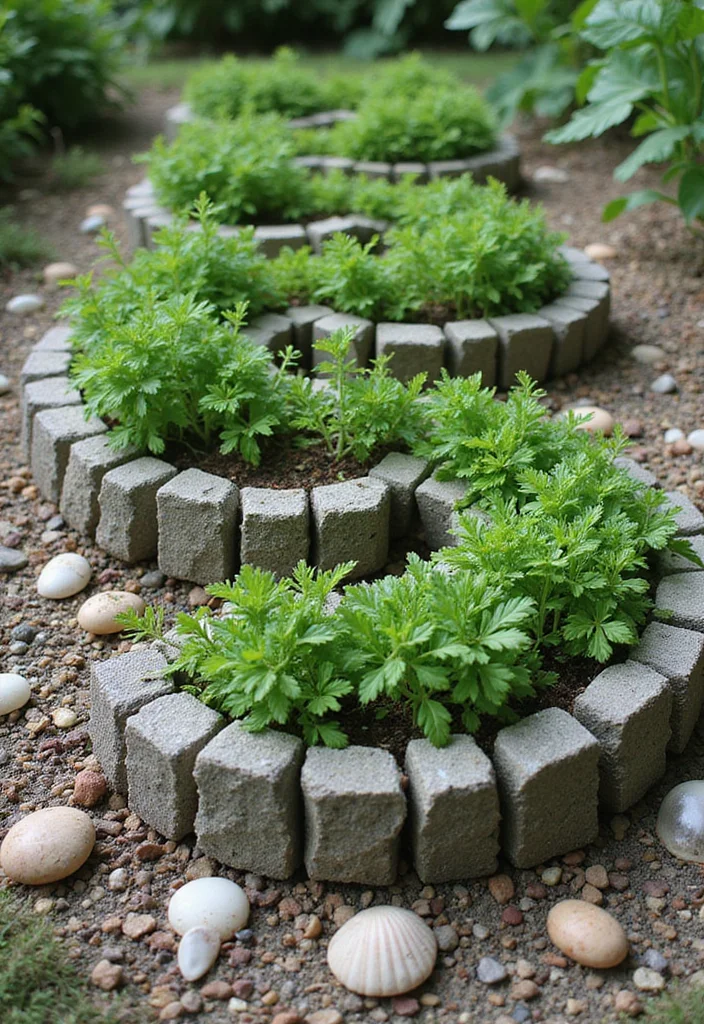
A spiral herb garden is a unique way to grow fresh herbs while saving space. Stack stones or bricks to create a spiral shape, filling it with soil and your favorite herbs like basil or thyme. This design not only looks great but also maximizes your growing area.
Choose herbs with similar watering needs to make care easier. Adding a gravel base can help with drainage. Decorate the spiral with colorful stones or shells for a personal touch. This setup offers fresh cooking ingredients while being an attractive feature in your garden.
• Stack stones or bricks for structure
• Choose compatible herbs for easy care
• Add gravel for drainage
• Decorate with colorful stones or shells
This spiral garden brings both beauty and functionality to your outdoor space.
6. Portable Garden on Wheels
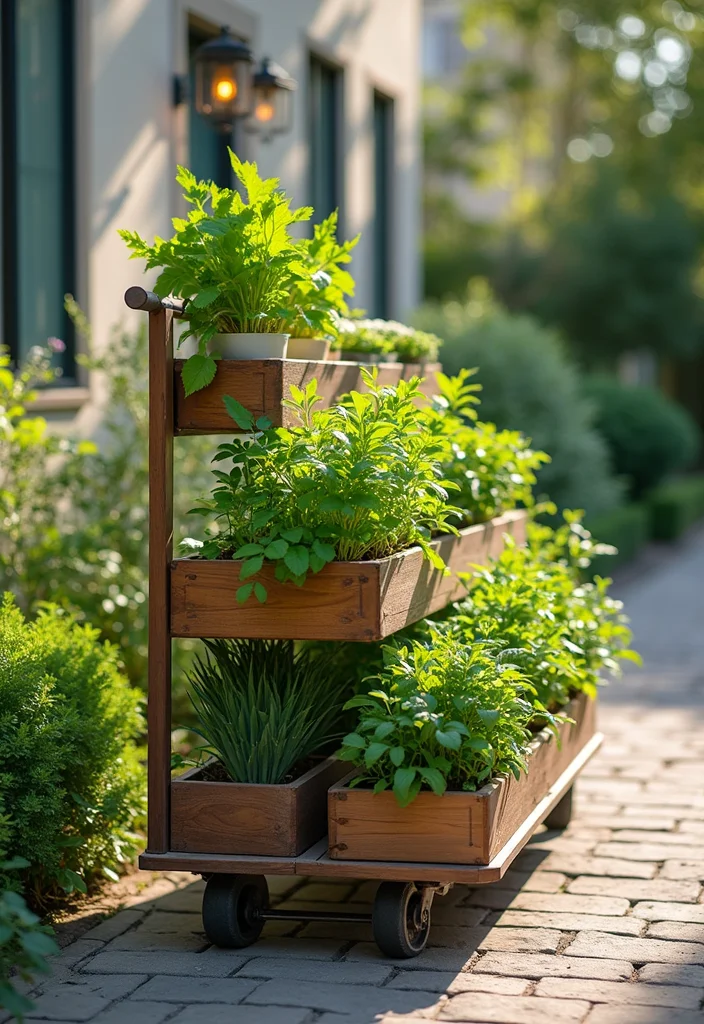
A portable garden on wheels offers flexibility. You can move your plants to maximize sunlight or protect them from bad weather. Using rolling carts or wheeled containers makes gardening easier and more accessible.
Choose lightweight containers for easy movement and ensure the wheels lock in place. Vary the heights of your plants for an eye-catching look. This layout is especially useful for renters who may want to move their garden indoors during colder months. It adapts to your needs and space.
• Use lightweight containers for easy mobility
• Ensure wheels lock for stability
• Arrange plants at different heights for interest
• Move containers to optimize sun exposure
This setup allows you to garden flexibly while enjoying your favorite plants!
7. Edible Flower Container Garden
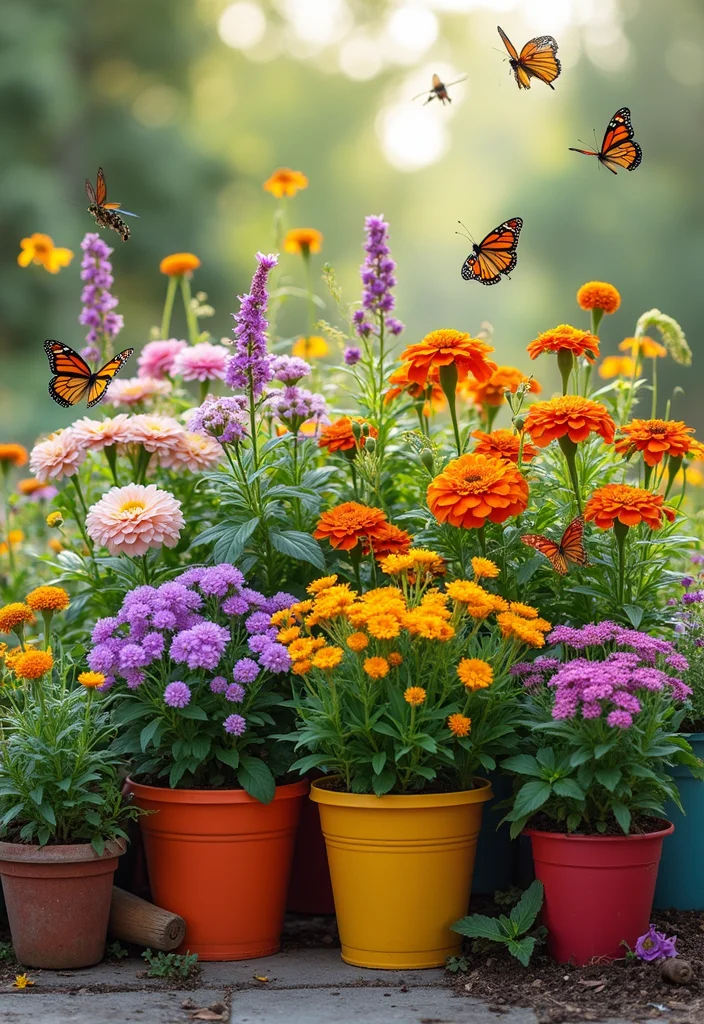
Imagine a garden filled with edible flowers! This setup combines beauty and function with plants like marigolds and nasturtiums that brighten your space and can be eaten. They also attract pollinators, making your garden more lively.
Plant flowers at varying heights for a more dynamic look. Use colorful pots to enhance the charm of your edible garden. Research safe edible flowers to ensure they thrive in organic conditions. This layout adds color to your garden while providing delicious ingredients for meals.
• Use edible flowers for beauty and flavor
• Plant in varying heights for visual appeal
• Choose colorful pots for added flair
• Research safe edible flowers for your garden
This garden layout turns your space into a feast for both the eyes and the palate!
8. Raised Bed Frame Fun
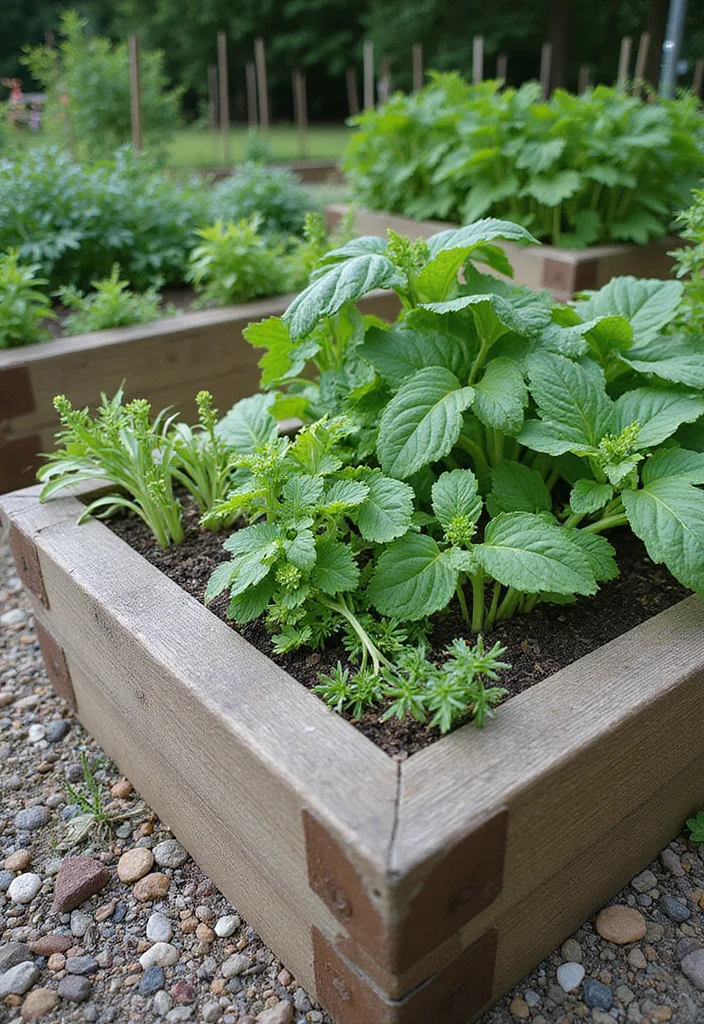
Raised bed gardening is a great option for better soil control and easier weed management. You can customize your raised beds using wood, stone, or repurposed materials. This design works well for vegetables, herbs, and flowers.
Add a trellis for climbing plants to maximize space. Layer different soil types for healthier plants, and regularly check moisture levels to keep your garden thriving. This setup allows you to create a unique gardening experience while adding beauty to your yard.
• Build raised beds from wood or stone
• Add a trellis for climbing plants
• Layer different soil types for plant health
• Monitor moisture levels regularly
This creative arrangement enhances both your gardening hobby and your outdoor space!
9. Succulent Showcase
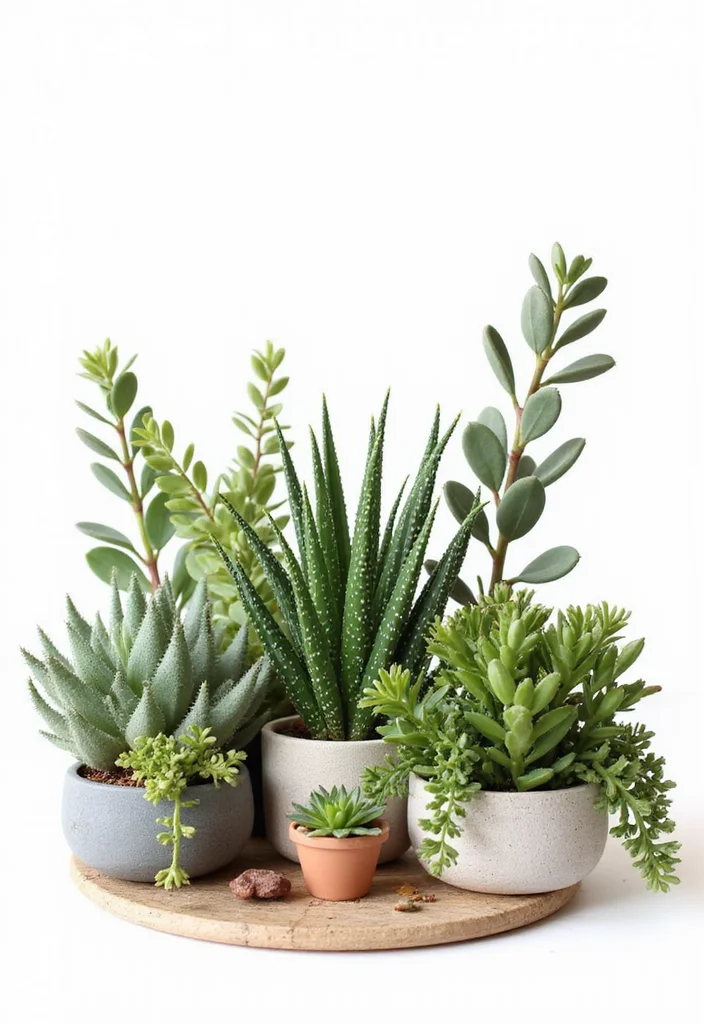
Succulents thrive in small spaces thanks to their low maintenance needs. Create a unique succulent garden in containers or a terrarium to brighten up any room or patio. Their variety of shapes and colors makes them an attractive focal point.
Use potting mix designed for succulents to ensure their health. Incorporate decorative stones at the bottom for proper drainage. Group plants of different heights for an appealing arrangement. This layout is perfect for those who want a trendy and low-care gardening option.
• Choose specific potting mix for succulents
• Use decorative stones for drainage
• Group plants at varying heights for interest
• Arrange in unique containers for style
A succulent showcase adds a modern touch to your garden while being easy to care for!
10. Container Veggie Patch
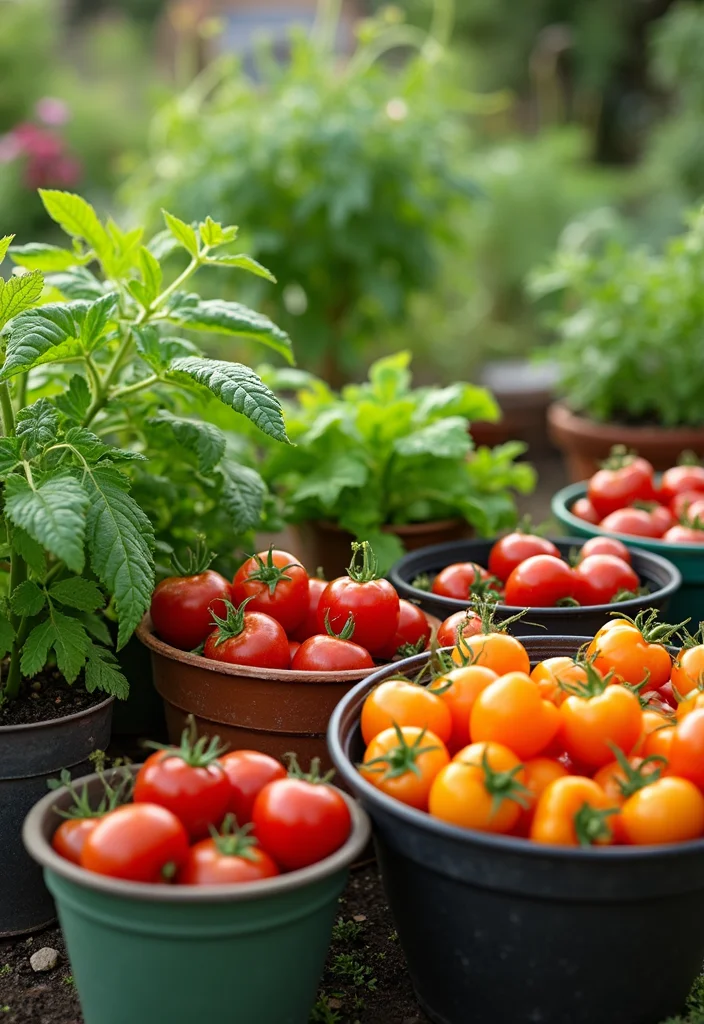
Creating a container veggie patch allows you to grow fresh produce with ease. Arrange various-sized containers to cultivate tomatoes, peppers, or leafy greens on your patio or balcony. This method keeps gardening simple and productive.
Plant companion vegetables that grow well together to maximize yield. Use high-quality potting soil to nourish your plants. Regularly monitor moisture and fertilize as needed. This layout not only helps you enjoy gardening but also gives you fresh veggies right at home.
• Arrange containers for a mini patch
• Plant companion vegetables together
• Use high-quality soil for nutrients
• Check moisture regularly for health
This container setup makes growing your own food easy and rewarding!
11. Shade-Loving Container Setup
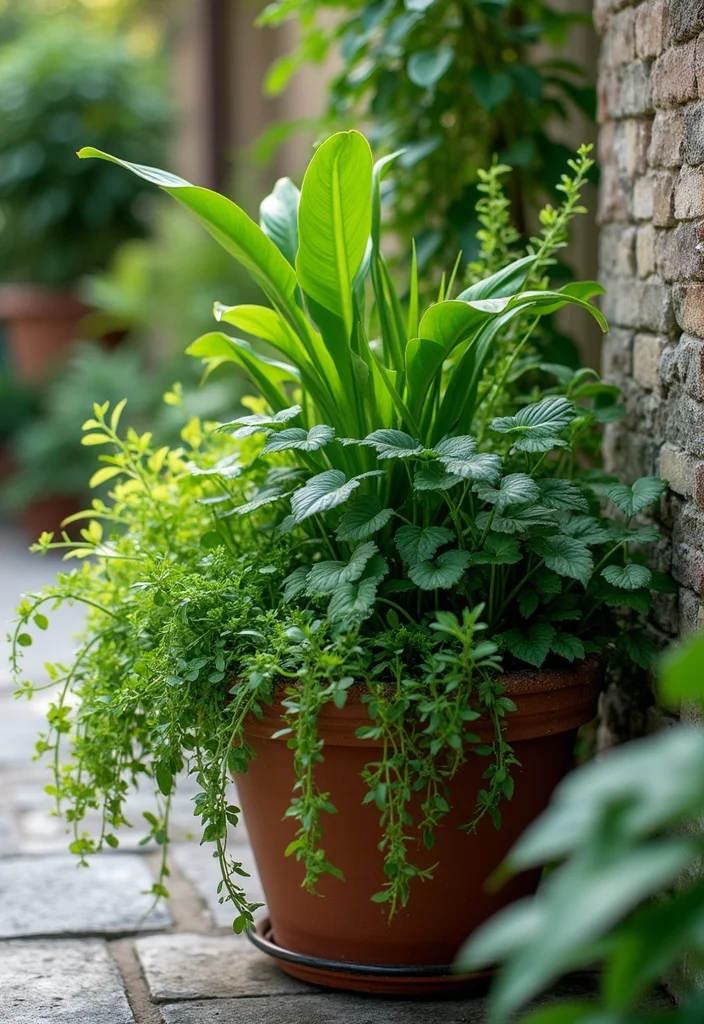
If sunlight is limited, create a shade-loving container garden with plants like ferns and leafy greens. This design works well in shaded areas, making the most of spaces that usually go unused.
Carefully select plants that thrive in low light. Rotate your plants regularly to promote even growth. Light-colored pots can help reflect available light. This layout not only brightens dark corners but also provides options for shade-tolerant vegetables and herbs.
• Choose shade-loving plants for best results
• Rotate plants for even growth
• Use light-colored pots to reflect light
• Make the most of shaded areas
This garden layout transforms neglected spaces into lush, green retreats!
12. Kitchen Window Herb Garden
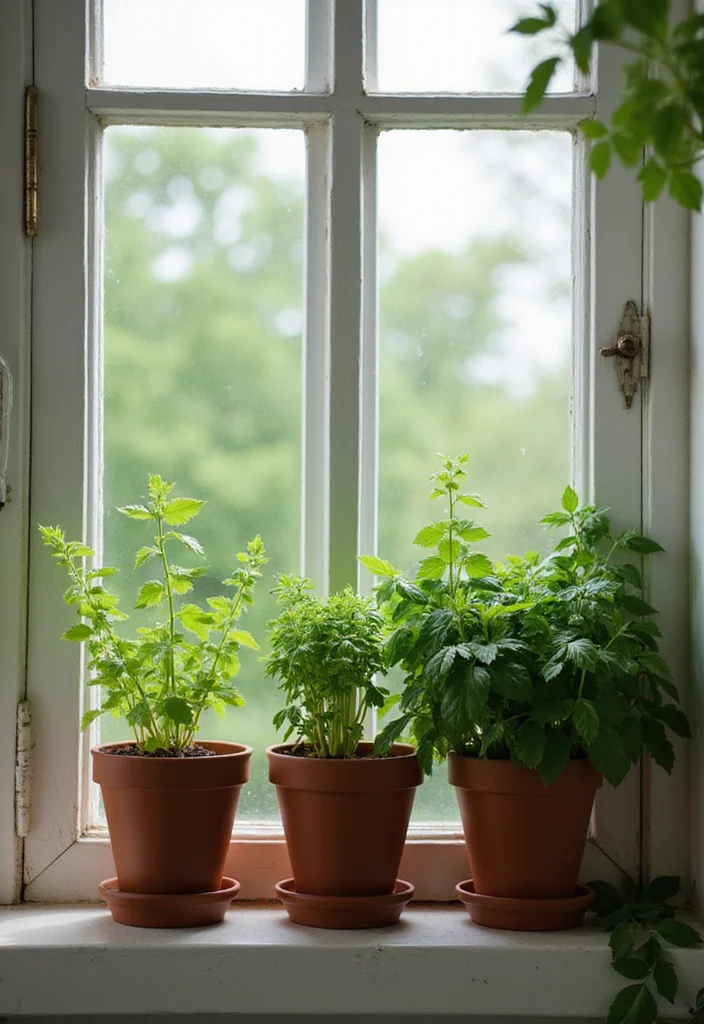
A kitchen window herb garden is a simple way to grow fresh ingredients. Use small pots on your windowsill to cultivate herbs like basil and mint, ready for cooking whenever you need them.
Choose small pots for a cozy look and ensure they receive enough sunlight. Rotate your pots if necessary to give all herbs equal light. Regularly prune to encourage bushier growth. This layout brightens your kitchen while providing easy access to fresh herbs for your meals.
• Use small pots for a cozy feel
• Ensure sufficient sunlight for growth
• Rotate pots for even exposure
• Prune regularly for better growth
This herb garden not only adds greenery to your kitchen but also makes cooking more enjoyable!
13. Container Edible Landscape
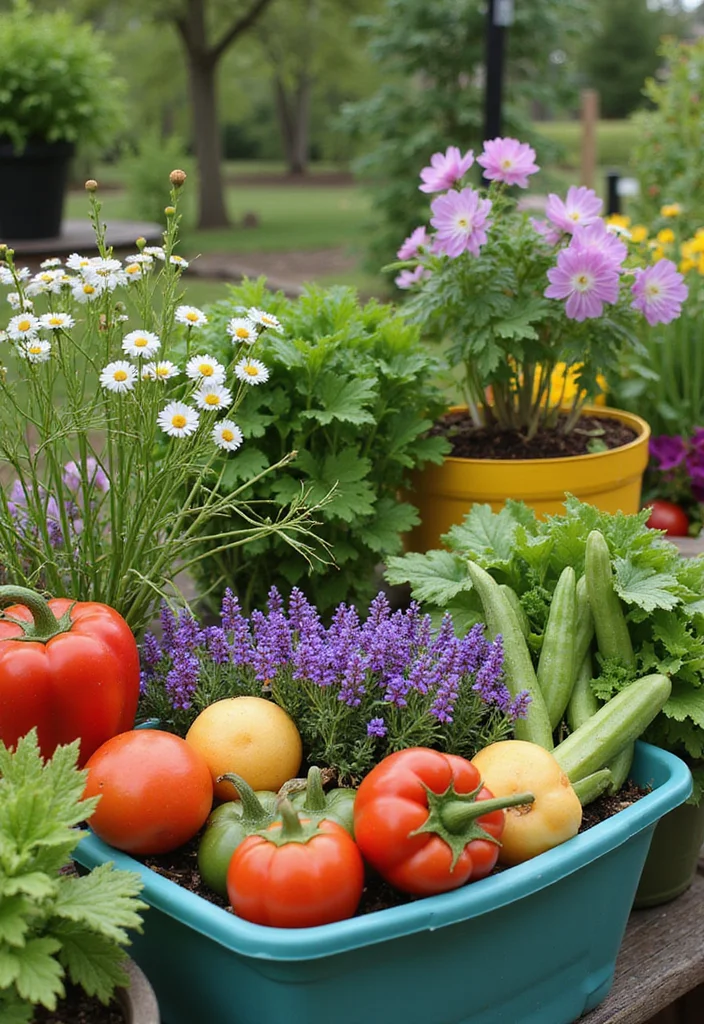
Blend beauty with function by creating an edible landscape. Use containers to combine ornamental plants with edible ones, like pairing zinnias with tomatoes for stunning results. This design attracts pollinators while providing fresh produce.
Choose color-coordinated containers for a harmonious display. Alternate plant arrangements for a balanced look. Companion planting can help maximize space and yield. This layout encourages creativity while making your garden productive and beautiful.
• Combine edible and ornamental plants
• Use color-coordinated containers for style
• Alternate plant arrangements for balance
• Employ companion planting techniques
This arrangement inspires others to think creatively about their gardening!
14. Focal Point Container Arrangement
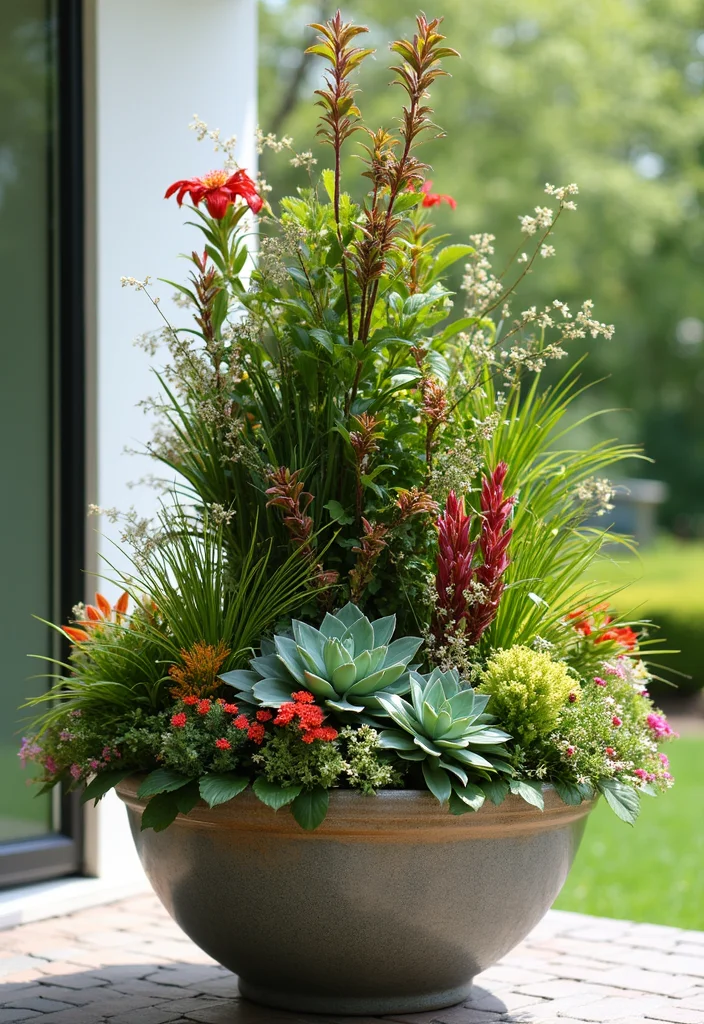
Create a stunning focal point in your garden with a large container filled with eye-catching plants. This layout draws attention and can be a conversation starter, especially in smaller spaces.
Select a diverse range of plants to create visual interest. Use taller plants at the center, tapering off with shorter varieties. Ensure your container complements your outdoor decor. This arrangement adds depth and character to your garden, making it an enjoyable place to relax.
• Create a stunning centerpiece for attention
• Use tall plants in the center
• Select diverse plants for interest
• Ensure container matches your decor style
This focal point arrangement enhances your garden’s charm and makes it a special retreat!
15. Community Garden Collaboration
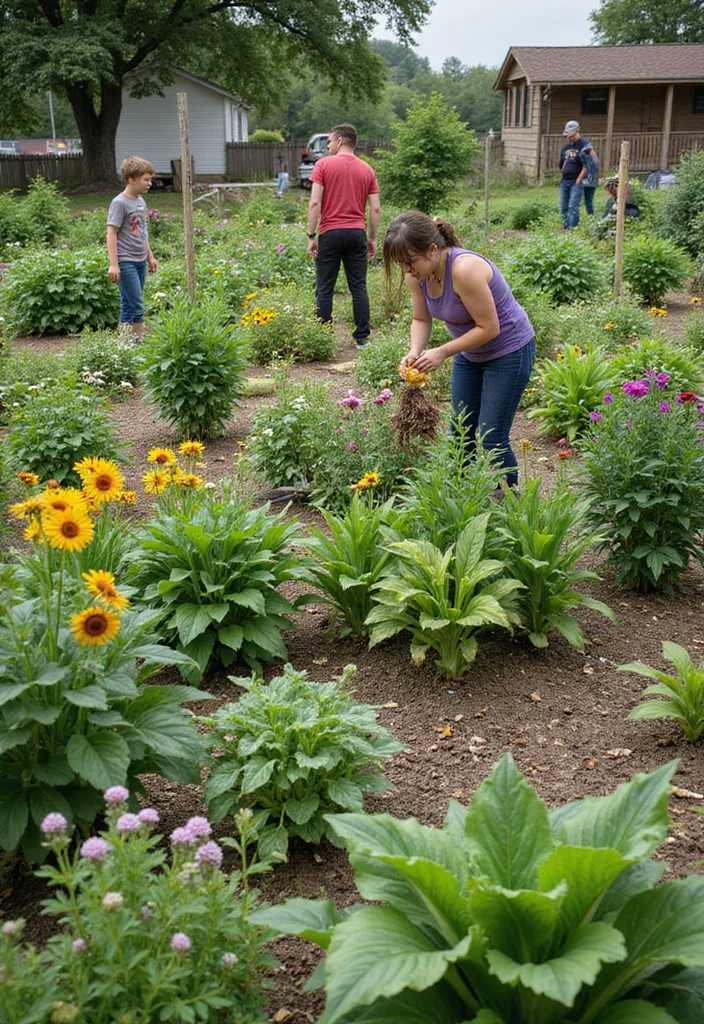
Joining a community garden can be a rewarding experience, especially if you have limited space. This collaborative effort allows you to share a larger growing area while connecting with fellow gardeners.
Find local community gardens through social media or gardening clubs. Bring tools to contribute to the shared space, and share your knowledge with others. This setup builds a sense of community and promotes shared gardening success. It’s a wonderful way to grow together and learn from one another.
• Find local community gardens to join
• Bring tools to contribute
• Share knowledge with fellow gardeners
• Enjoy a sense of community through gardening
Community gardens can create vibrant spaces for learning and growth!
16. DIY Pallet Garden
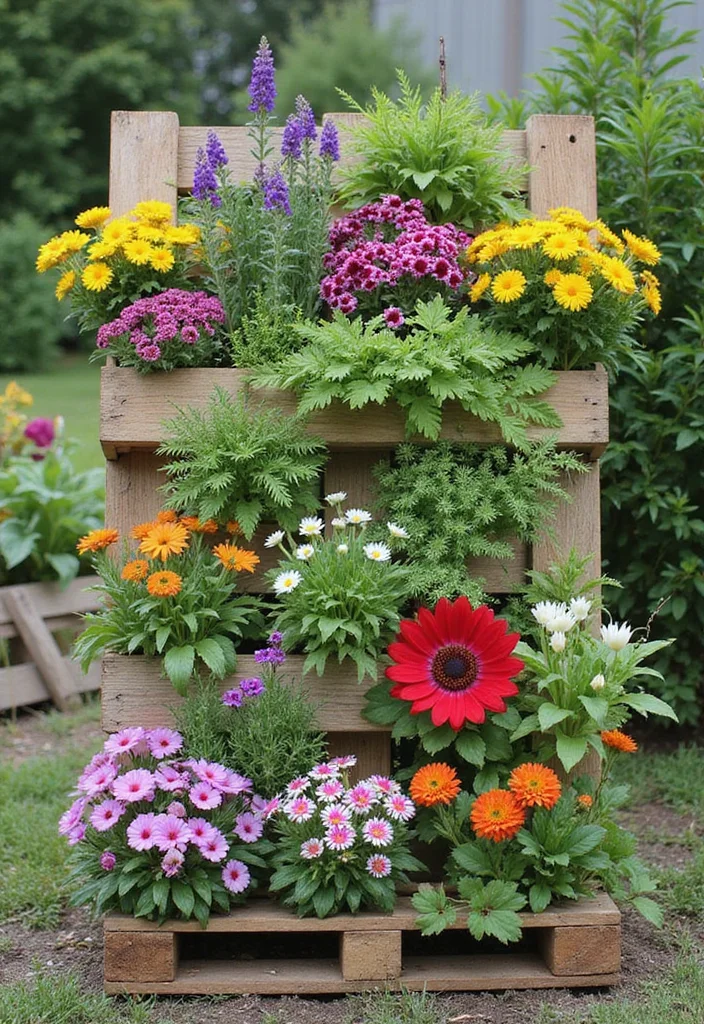
Repurposing wooden pallets can lead to fun and creative gardening projects. Stack them vertically or lay them flat to create a unique garden space. Plant colorful flowers or herbs in the slats for an eye-catching display.
Sanding down the pallets prevents splinters, and lining the slats with landscape fabric helps keep soil in place. You can paint or stain the pallets to add personality. This eco-friendly option brings charm to your garden while being budget-friendly.
• Repurpose wooden pallets for your garden
• Sand down to avoid splinters
• Line slats with landscape fabric
• Paint or stain for added style
This DIY pallet garden showcases your creativity and love for sustainability!
17. Small Space Greenhouse
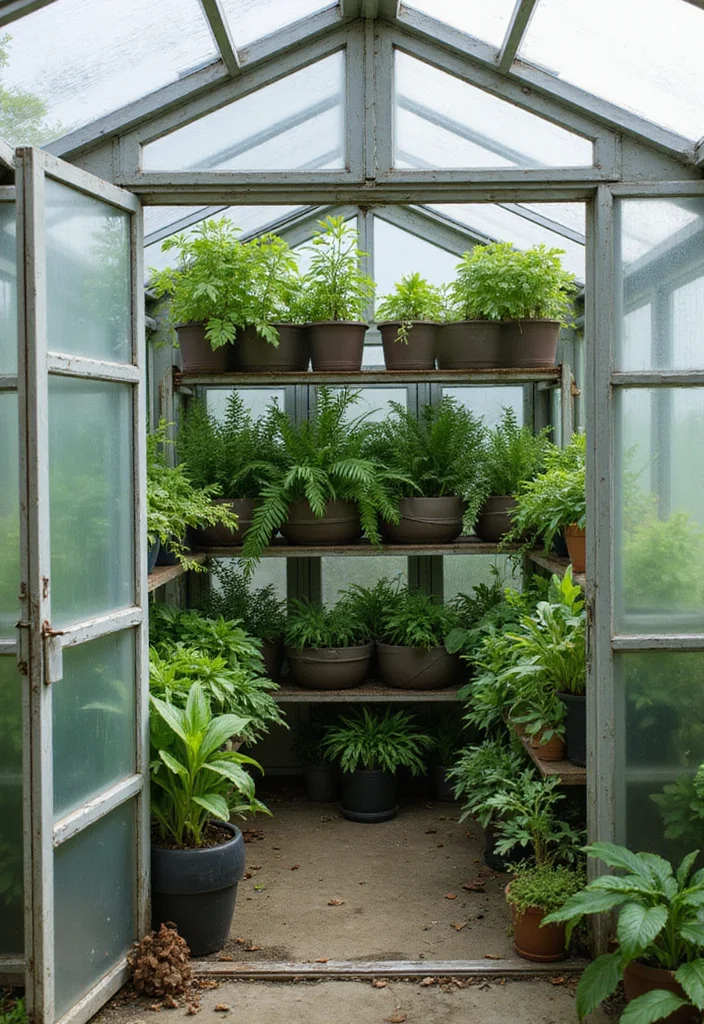
A small greenhouse can help you maximize your gardening potential, whether in your backyard or on a balcony. It allows you to control the environment, extending the growing season for your plants.
Choose a size that fits your space and use shelving for vertical gardening options. Proper ventilation is essential to prevent overheating. This setup offers a dedicated space for nurturing seedlings and protecting plants from harsh weather.
• Select the right size greenhouse for your area Design a garden that adapts to your local climate by choosing suitable plants. Incorporate drought-resistant varieties for dry areas or hearty vegetables for colder climates. This approach promotes sustainability and ensures your plants thrive in their environment. Research native plants to include in your design, as they often require less water and maintenance. Mulch can help regulate soil temperature and moisture levels. Planning for seasonal changes can ensure your garden remains resilient year-round. • Choose plants suited to your climate This layout creates a thriving garden that benefits both you and the environment! Creating a beautiful garden layout in a small space requires creativity, planning, and a bit of experimentation. Each of the 18 ideas explored can inspire you to cultivate your own unique gardening oasis, no matter how limited your space may be. Embrace the joy of gardening and try out different layouts to discover what works best for you. Happy gardening! When it comes to container gardening in small spaces, you have a variety of options! Consider using stackable pots or vertical planters to maximize your growing area. Additionally, hanging baskets can add a charming touch while utilizing vertical space effectively. Remember to choose containers with good drainage to keep your plants healthy. Planning a vegetable layout for your small garden can be a fun and rewarding experience! Start by considering the sunlight each area receives and the growth habits of your plants. Use companion planting to optimize space and increase yields. For instance, pairing tomatoes with basil can save room and enhance flavors. Sketching a simple diagram can help visualize your garden design! If you’re new to container gardening, some beginner-friendly plants include herbs like basil and parsley, as well as leafy greens like lettuce and spinach. These plants thrive in containers and don’t require extensive care. Additionally, cherry tomatoes and radishes are great choices for novice gardeners looking to grow their own food in small spaces! Maximizing yield in a raised bed garden is all about smart garden planning! Use intensive planting methods, like square foot gardening, to grow more in less space. Incorporate vertical growing techniques with trellises for climbing plants and consider planting in succession to ensure a continuous harvest throughout the season. Always choose high-quality soil to promote healthy plant growth! When choosing a garden design for small spaces, think about your available sunlight, water access, and the types of plants you want to grow. Aesthetic appeal is also important; consider how colors and textures will complement your home. Additionally, incorporate paths or stepping stones to make maintenance easier and to create a pleasing layout that you’ll enjoy spending time in!
• Use shelving for efficient space
• Ensure proper ventilation for plant health
• Cultivate a variety of plants year-round18. Climate-Responsive Garden
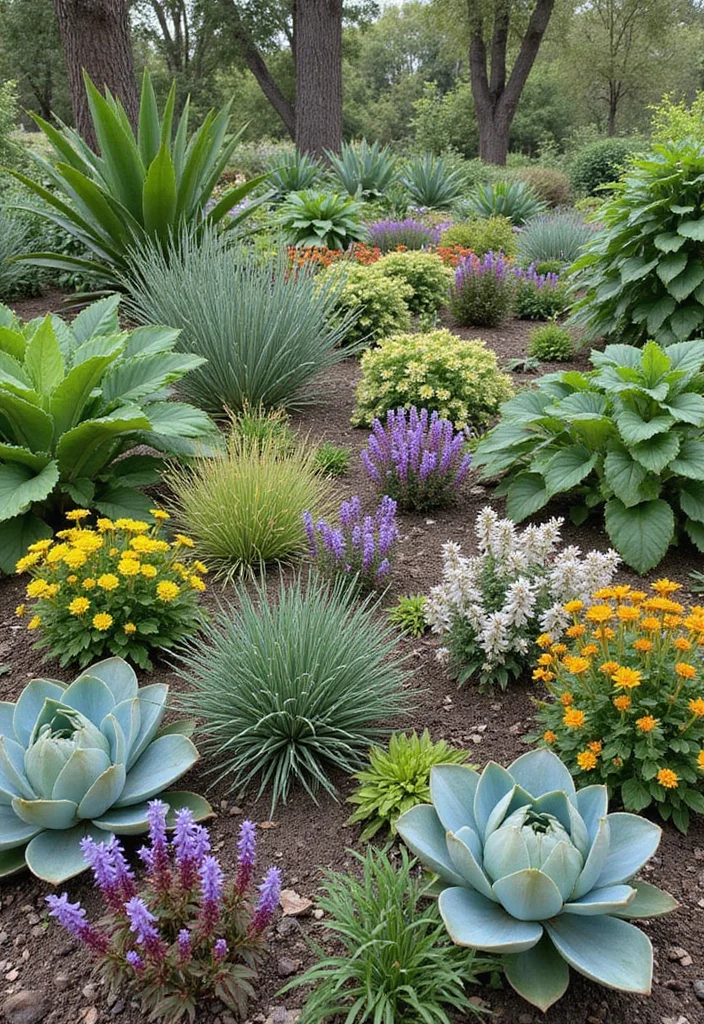
• Research native plants for easy growth
• Use mulch for moisture control
• Plan for seasonal changes in your designConclusion
Frequently Asked Questions
What Are the Best Container Options for Small Space Gardening?
How Do I Plan a Vegetable Layout for My Small Garden?
What Are Some Beginner-Friendly Plants for Container Gardening?
How Can I Maximize Yield in a Raised Bed Garden?
What Should I Consider When Choosing a Garden Design for Small Spaces?