

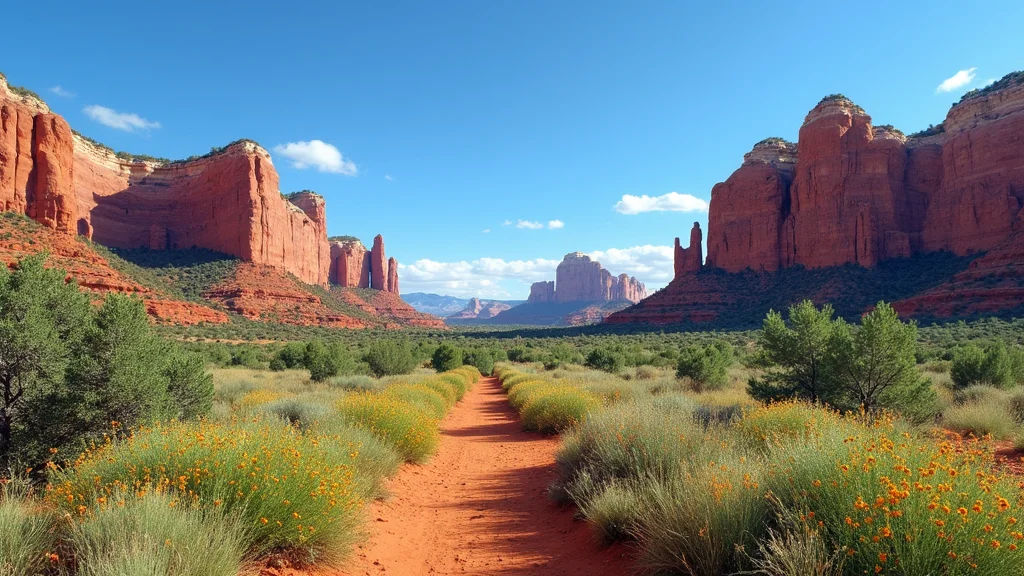
Visiting the Garden of the Gods in Colorado can stir up a deep appreciation for nature’s beauty and the art of gardening. I created this guide to share insights and inspiration for anyone curious about how to blend outdoor living with stunning natural landscapes. If you’re someone who loves gardening, hiking, or simply soaking in breathtaking views, this post is for you.
Here, you’ll find 19 unique ideas that celebrate the incredible red rock formations and native plants in the area. From exploring eco-friendly gardening practices to discovering the best picnic spots and hiking trails, this guide will help you connect with the environment around you. Whether you’re a seasoned gardener or just starting, you’ll find valuable tips and inspiration tailored to your interests.
Imagine wandering through a garden infused with local flora, all set against a backdrop of mesmerizing sunsets and vibrant wildlife. You’ll learn about ways to design your outdoor space that reflect the natural beauty of your surroundings. Each section highlights how you can bring the essence of the Garden of the Gods into your own garden. So grab your gardening gloves and hiking boots, and let’s dive into this explorer’s guide that celebrates both gardening and the rich landscapes of Colorado!
Key Takeaways
– Discover 19 practical ideas for gardening in harmony with nature at the Garden of the Gods.
– Learn about native plants that thrive in the Colorado climate, enhancing both beauty and sustainability.
– Explore scenic hiking trails that double as inspiration for outdoor living and landscape design.
– Find tips for eco-friendly gardening practices that contribute to a healthier environment.
– Gain access to educational programs and workshops to deepen your gardening knowledge and skills.
1. Majestic Red Rock Formations

The towering red rock formations of Garden of the Gods create a stunning backdrop that captures your attention. These cliffs, shaped over millions of years, rise dramatically against a brilliant blue sky. The most iconic formation, ‘Kissing Camels,’ resembles two camels in a loving embrace when viewed from the right angle. Pinterest often highlights such breathtaking natural features, inspiring many to bring similar elements into their own spaces.
To incorporate these majestic rocks into your own garden, think about using natural stone features that reflect their colors and textures. Consider affordable options like reclaimed stones or locally sourced boulders to mimic the park’s vibe. By adding native plants around these features, you can create a harmonious and inviting garden space. This connection to nature makes your outdoor area perfect for relaxation and reflection.
• Choose local stones that match the colors of Garden of the Gods.
• Incorporate native plants for a natural look and feel.
• Create rock gardens to attract wildlife and pollinators.
• Use reclaimed materials to save on costs while being eco-friendly.
By integrating these elements, your garden can become a personal oasis that mirrors the stunning beauty of Garden of the Gods.
2. Explore Native Plant Gardening
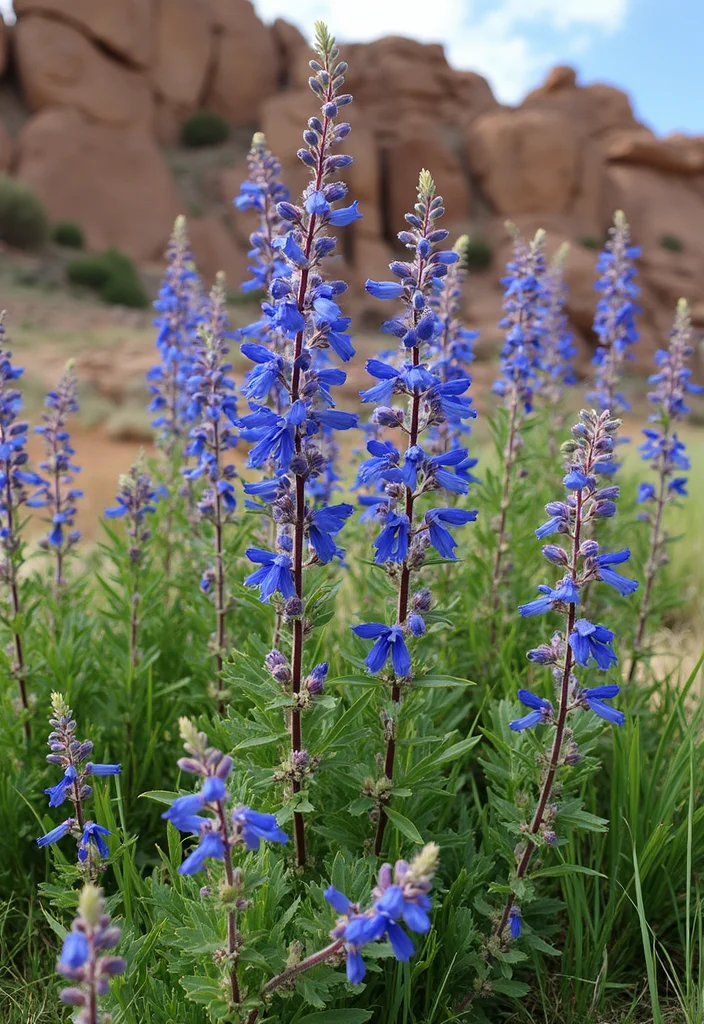
Gardening with native plants helps you create a beautiful, low-maintenance garden while supporting the local ecosystem. In Garden of the Gods, you can find plants like the Colorado Blue Columbine and Rocky Mountain Penstemon, both well-suited to the area’s climate. These resilient species not only thrive but also attract local wildlife, making your garden a haven for nature.
When planning your garden, focus on native plants that can survive with less water and care. Check local nurseries for affordable options, or consider starting from seeds. By choosing native varieties, you can create a vibrant landscape that celebrates local beauty while reducing maintenance efforts. This approach makes your garden a perfect spot for relaxation and enjoyment of nature.
• Select colorful native flowers to attract bees and butterflies.
• Use native grasses for a natural look and erosion control.
• Create a woodland area to host diverse plant species.
• Plan for seasonal blooms to keep your garden lively year-round.
Embracing native plant gardening allows you to connect more deeply with your local environment and enjoy a thriving garden.
3. Scenic Hiking Trails
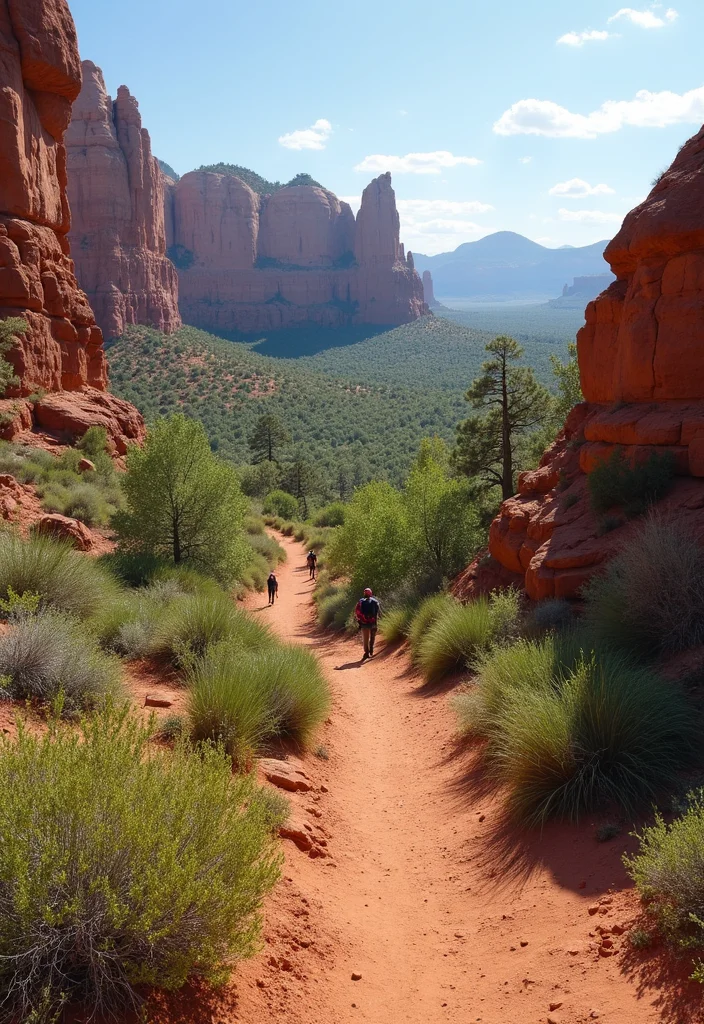
Garden of the Gods features over 15 miles of scenic hiking trails that invite you to explore stunning landscapes. Each trail offers a unique perspective of the breathtaking rock formations and diverse ecosystems. Whether you prefer a short walk or a more challenging adventure, there’s a trail for everyone.
The Perkins Central Garden Trail is an easy, looped path that brings you up close to impressive rock formations. For a more rugged experience, try the Ridge Road Trail, which boasts panoramic views of Pikes Peak. Remember to wear comfortable shoes and bring water to stay hydrated during your hike. Enjoying these trails is not just good for your health but also deepens your appreciation for local flora and fauna.
• Wear comfortable shoes for different terrains.
• Carry snacks and water to fuel your hike.
• Stop to identify plants and enhance your gardening knowledge.
• Bring a camera to capture stunning views along the way.
Hiking these scenic trails will invigorate your spirit and inspire your gardening projects.
4. Eco-Friendly Gardening Practices
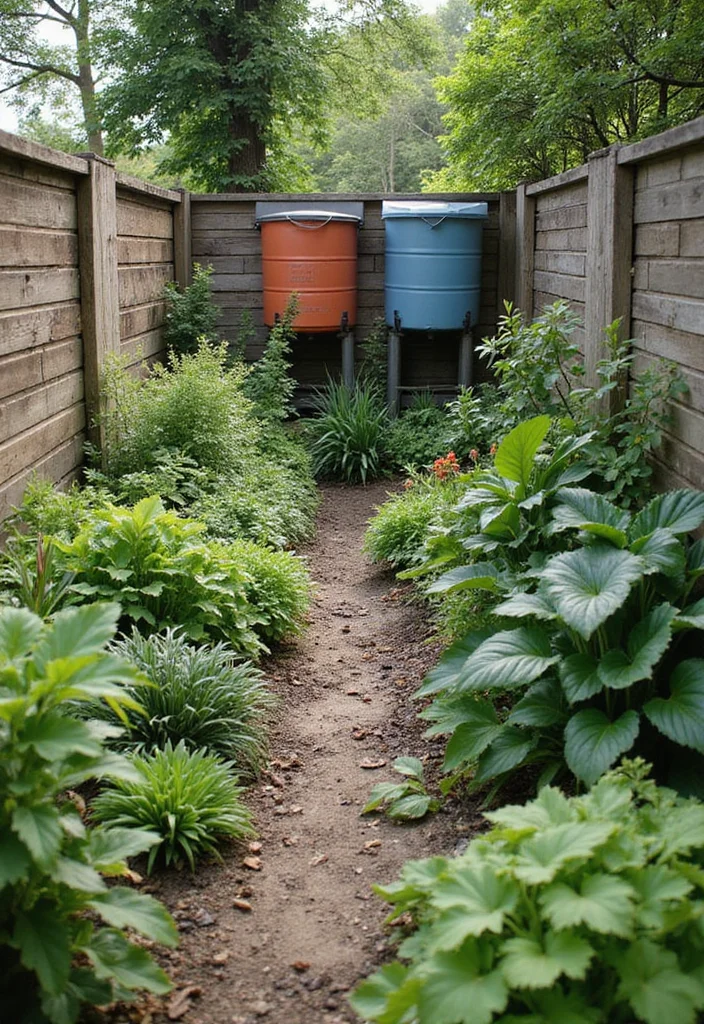
Adopting eco-friendly gardening practices is crucial for maintaining a healthy environment. At Garden of the Gods, you’ll see how sustainable gardening works hand in hand with nature. You can implement similar strategies in your own garden for a positive impact.
Start by composting your kitchen scraps to enrich your soil naturally. This reduces waste and provides nutrients for your plants. Consider using rain barrels to collect water for irrigation, making your garden more sustainable. By following eco-friendly practices, you create a healthy garden that supports local wildlife and enhances biodiversity.
• Use organic fertilizers for a chemical-free garden.
• Create wildlife habitats with birdhouses or bee hotels.
• Practice crop rotation to keep soil healthy.
• Explore companion planting for better yields.
By embracing these eco-friendly practices, you’ll nurture a garden that thrives while supporting the environment.
5. Landscape Design Inspirations
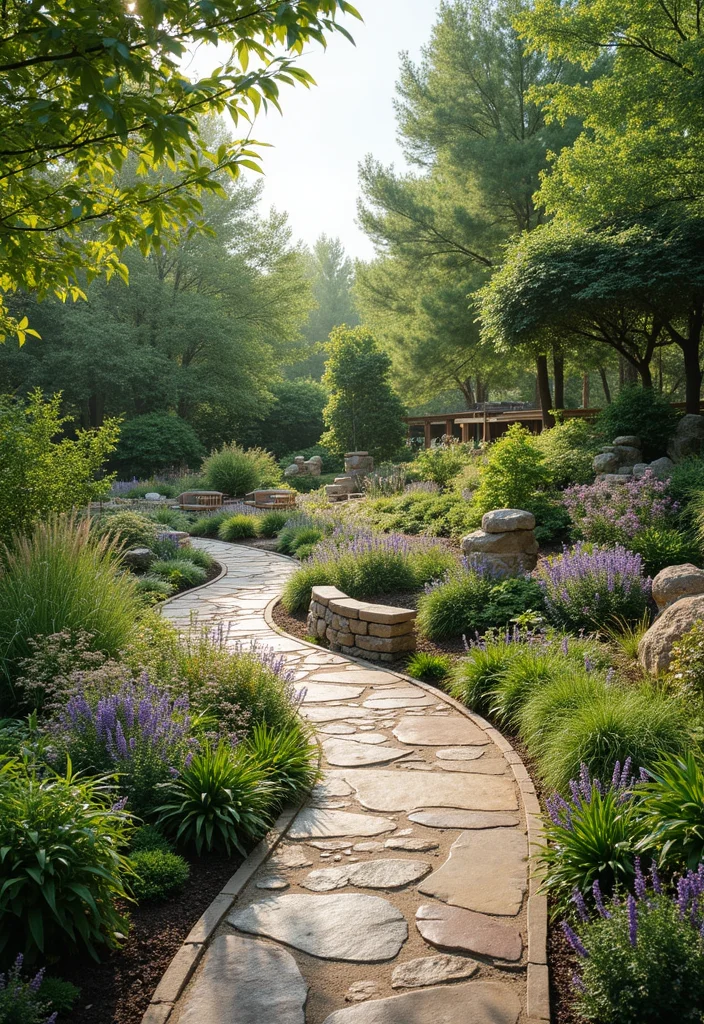
The natural beauty of Garden of the Gods provides endless inspiration for your landscape design. From the stunning rock formations to the vibrant wildflowers, this park showcases Colorado’s unique charm. You can incorporate these elements into your own garden for a captivating outdoor space.
Consider using contrasting colors and textures inspired by the park’s landscapes. Incorporate stone pathways or seating areas to create functional spots for relaxation. Mixing natural materials like wood and stone will help your garden blend harmoniously with its surroundings, creating a peaceful retreat.
• Use native plants to reflect the rugged beauty of the area.
• Experiment with layered planting to add depth and interest.
• Create natural borders with rocks or wood.
• Include seating areas to enjoy your garden space.
By drawing inspiration from Garden of the Gods, you can create a serene and beautiful garden that feels like a personal sanctuary.
6. Wildlife Spotting Opportunities
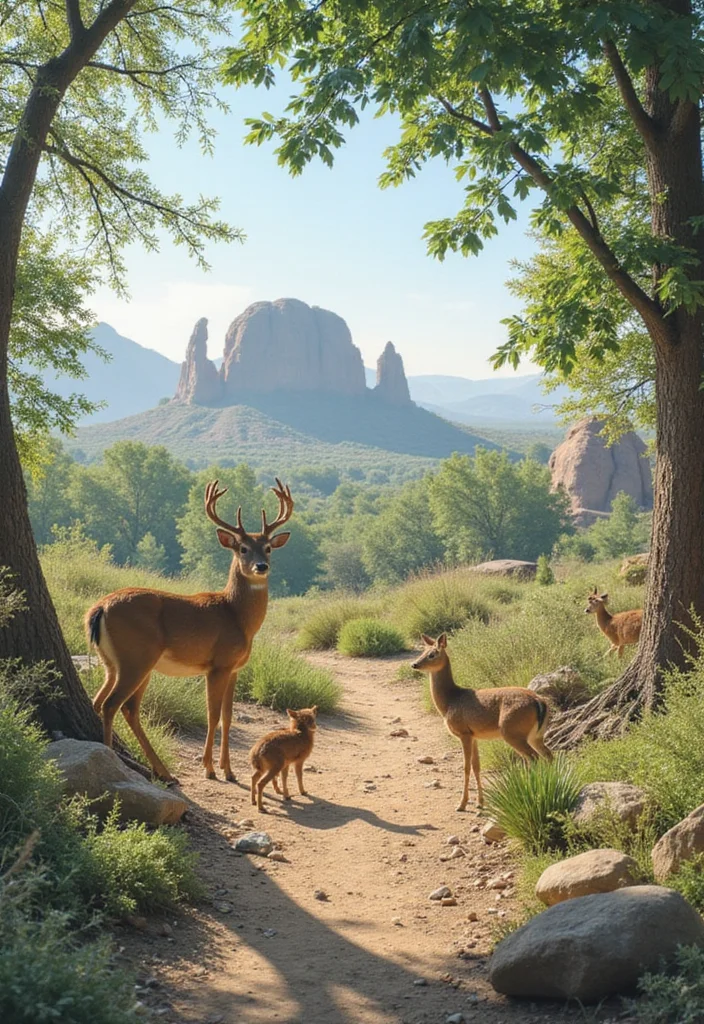
Garden of the Gods is home to a rich variety of wildlife, making it a great spot for animal lovers. Birdwatching is especially popular here, with species like the majestic bald eagle and colorful western bluebird. You can attract similar wildlife to your garden by planting native plants and creating habitats.
Spotting rabbits, deer, and even coyotes adds excitement to your outdoor experience. As you observe these animals, you can learn more about their roles in the ecosystem and how to support them in your garden. By creating a wildlife-friendly space, you make your garden a haven for nature.
• Set up bird feeders to draw in local birds.
• Plant shrubs and trees for sheltering smaller animals.
• Avoid chemical products to keep wildlife safe.
• Provide water sources for thirsty creatures.
Understanding the wildlife in your garden helps you cultivate a sanctuary for them to thrive.
7. Mesmerizing Sunsets
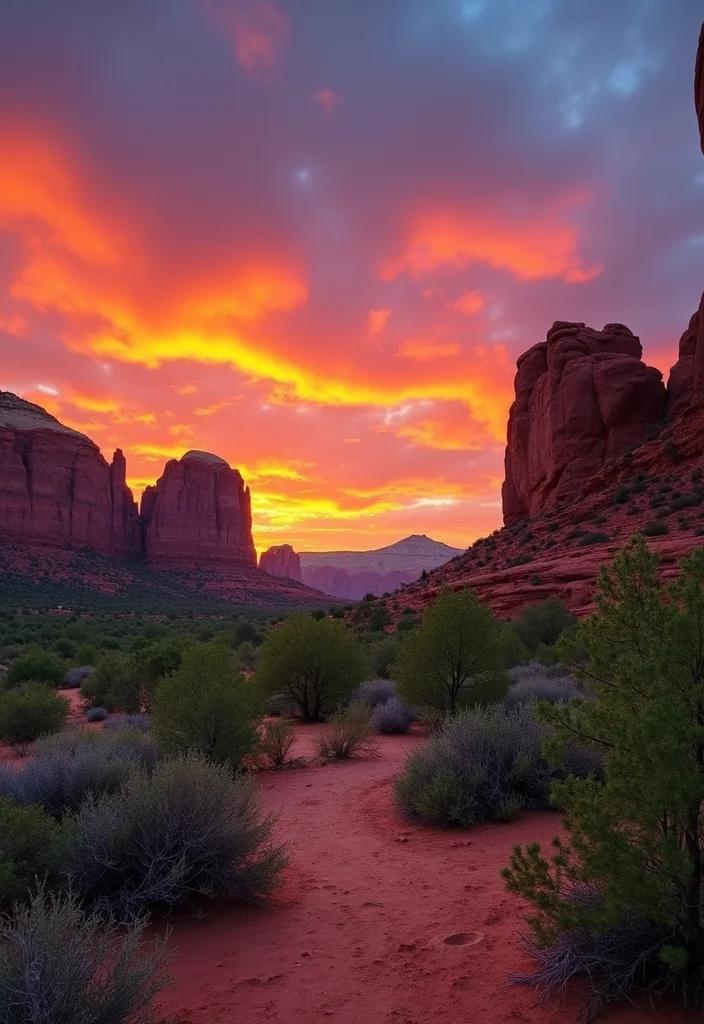
One of the most enchanting experiences at Garden of the Gods is watching the sunset transform the sky over the red rock formations. As the sun sets, the rocks glow in shades of orange, pink, and purple, creating a magical view. You can replicate this beauty in your garden by using warm-colored flowers and foliage.
Consider planting blanket flowers or yarrow for vibrant hues that mirror a sunset’s glow. Plan your garden layout to take advantage of sunset views, and think about incorporating reflective surfaces like water features. Layering plants can also create depth, mimicking the stunning colors seen in the park.
• Design a sunset garden that maximizes views.
• Use water features to reflect colors at dusk.
• Choose bright blooms that shine in the golden light.
• Arrange layered plantings for added visual interest.
These vibrant sunsets inspire you to bring the beauty of nature into your own garden.
8. Unique Rock Formations for Photography
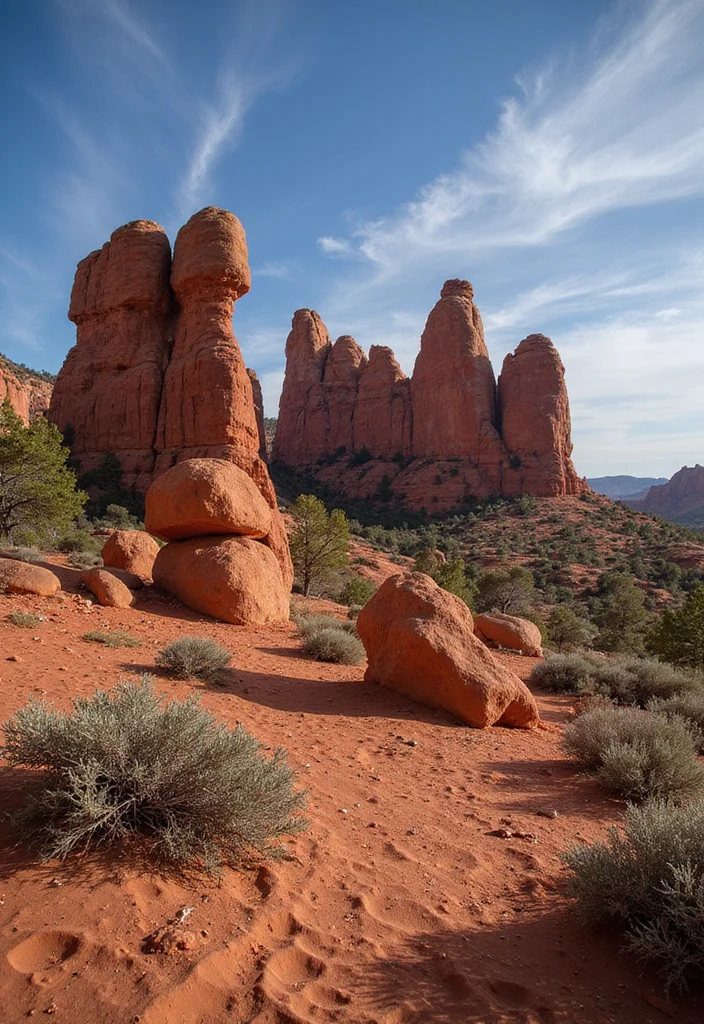
The unique rock formations in Garden of the Gods offer incredible opportunities for photography. Each shape, from towering spires to massive boulders, creates a stunning backdrop for capturing nature’s beauty. The contrast between rugged rocks and soft greenery makes for striking images.
As you explore, take the time to find different angles and perspectives for your photos. This practice can inspire how you view your own garden and document its growth. Capturing the beauty around you can enhance your gardening journey.
• Shoot during golden hour for the best light.
• Use natural elements in your garden photos for depth.
• Include people or wildlife to give scale and interest.
• Experiment with different perspectives to find unique shots.
The rich textures and colors at Garden of the Gods will spark your creativity and enhance your gardening experience.
9. Seasonal Changes and Color
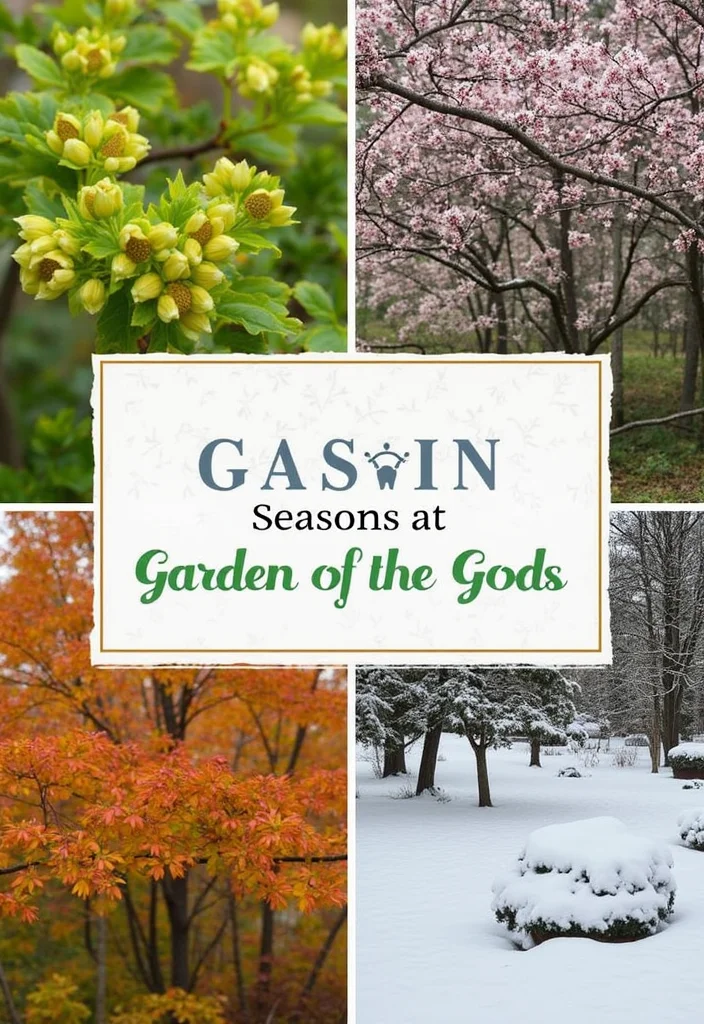
Garden of the Gods beautifully showcases the changing seasons, each bringing its own color palette. In spring, wildflowers burst to life, while summer brings lush greenery. Autumn paints the landscape in warm hues, and winter covers the park in a peaceful blanket of snow. Each season can inspire your planting choices and garden design.
Choosing plants that bloom at different times throughout the year creates a dynamic garden that changes with the seasons. This diversity not only enhances beauty but also provides food for local wildlife year-round. You can create an exciting garden experience that reflects the natural world around you.
• Use evergreens for year-round interest.
• Plant early and late bloomers for continuous color.
• Plan seasonal events in your garden for celebration.
• Capture seasonal changes with photography to enjoy your garden’s evolution.
Witnessing nature’s cycles will deepen your love for gardening.
10. Educational Programs and Workshops
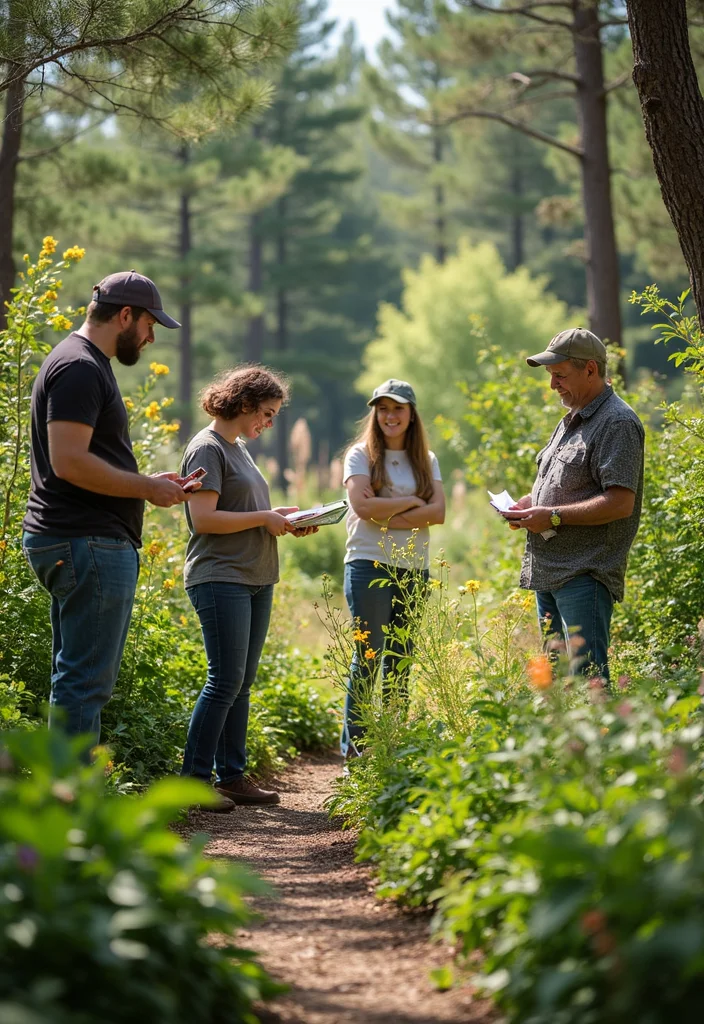
At Garden of the Gods, educational programs and workshops help you understand the local environment and gardening practices. From guided nature walks to hands-on workshops on native gardening, these events are great for anyone looking to learn more.
Participating in these activities allows you to learn from experts and discover ways to enhance your own gardening projects. You’ll gain insights into the park’s unique ecosystem and become a better steward of the environment. These experiences enrich your gardening knowledge and connect you more to nature.
• Join workshops on sustainable gardening practices.
• Participate in guided tours to learn about the local geology.
• Discover the importance of native plants and their role in your garden.
• Attend talks that deepen your understanding of local ecology.
These educational opportunities will inspire your gardening journey and foster a deeper connection to the natural world.
11. Picnic Areas with a View
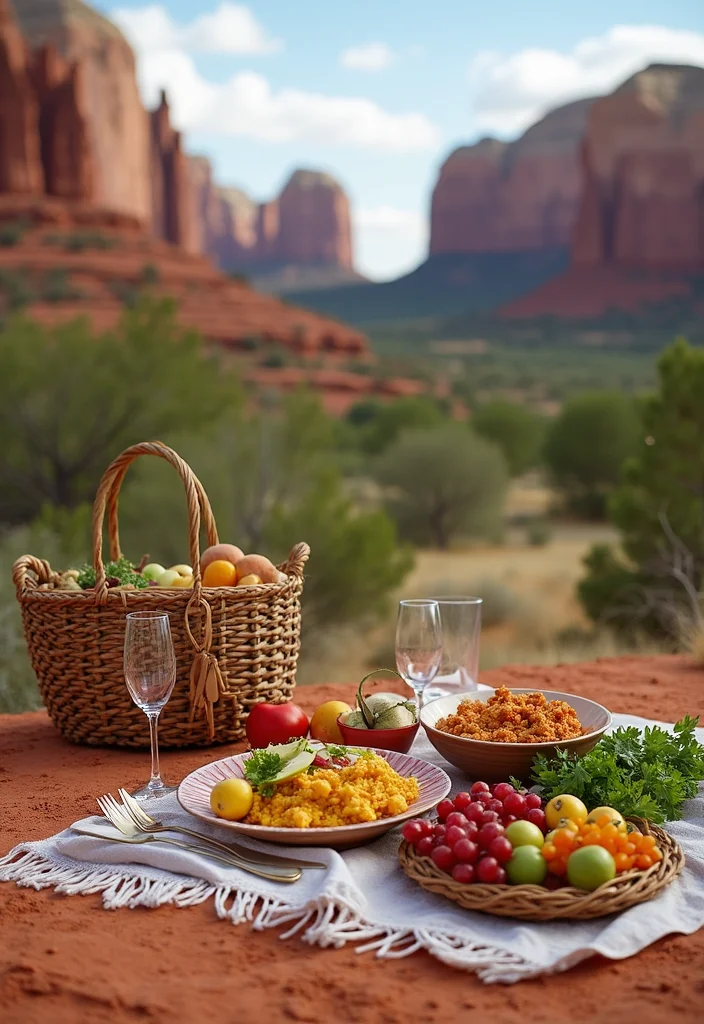
There’s something truly special about enjoying a picnic surrounded by nature’s beauty. Garden of the Gods offers designated picnic areas where you can relax and soak in the stunning views. These spots are perfect for enjoying meals while appreciating the breathtaking red rocks and expansive Colorado sky.
Bring along your favorite local produce to create a meal that celebrates Colorado’s flavors. While you eat, take note of the native plants around you and consider how you can incorporate similar elements into your own garden. This experience helps you connect with nature and inspires your gardening creativity.
• Pack a picnic blanket for comfort during your meal.
• Choose locally sourced foods for an authentic experience.
• Use your picnic time to brainstorm garden design ideas.
• Share meals with friends to foster community around gardening.
These moments in nature will inspire your gardening journey and deepen your love for the outdoors.
12. Rock Climbing and Adventure
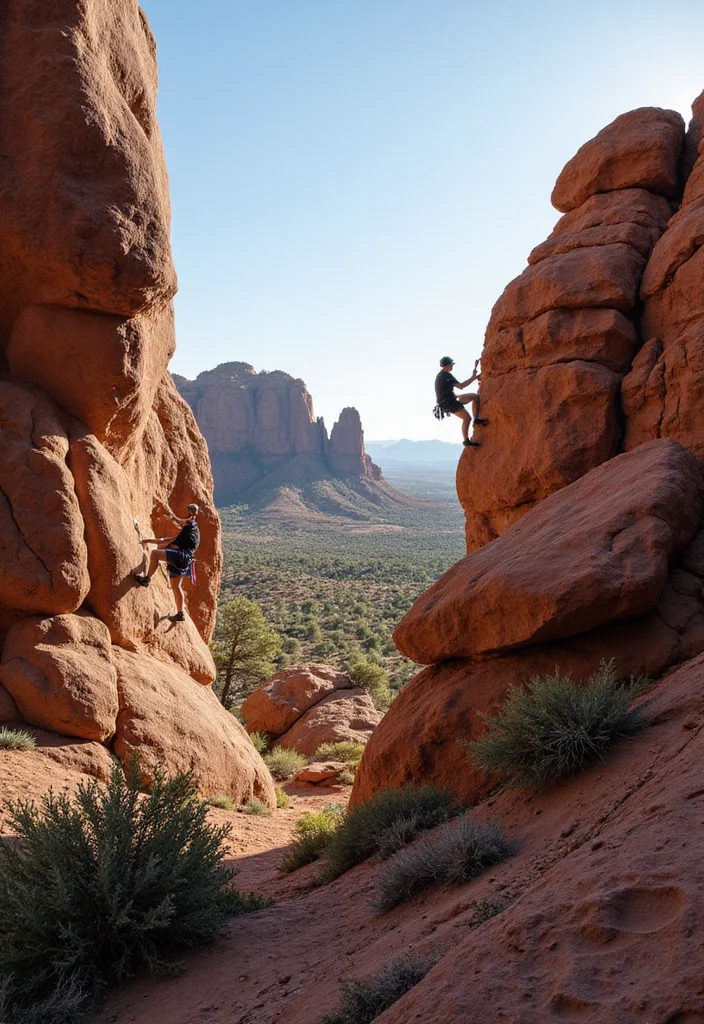
For those seeking adventure, Garden of the Gods offers exciting rock climbing opportunities. Climbing these natural formations gives you a unique perspective of the park’s stunning landscapes. With routes for all skill levels, this activity is thrilling for both beginners and seasoned climbers.
Rock climbing can inspire how you tackle challenges in your gardening projects. Just like climbing, gardening requires patience, planning, and resilience. Engaging in this activity can deepen your appreciation for the natural world and motivate you in your gardening endeavors.
• Ensure you have the right gear and safety knowledge before climbing.
• Observe how plants thrive in challenging conditions on rock faces.
• Connect with local climbing groups for tips and support.
• Reflect on your climbing experiences to motivate your gardening.
Embracing adventure can lead to newfound enthusiasm for your gardening challenges.
13. Visitor Center Insights
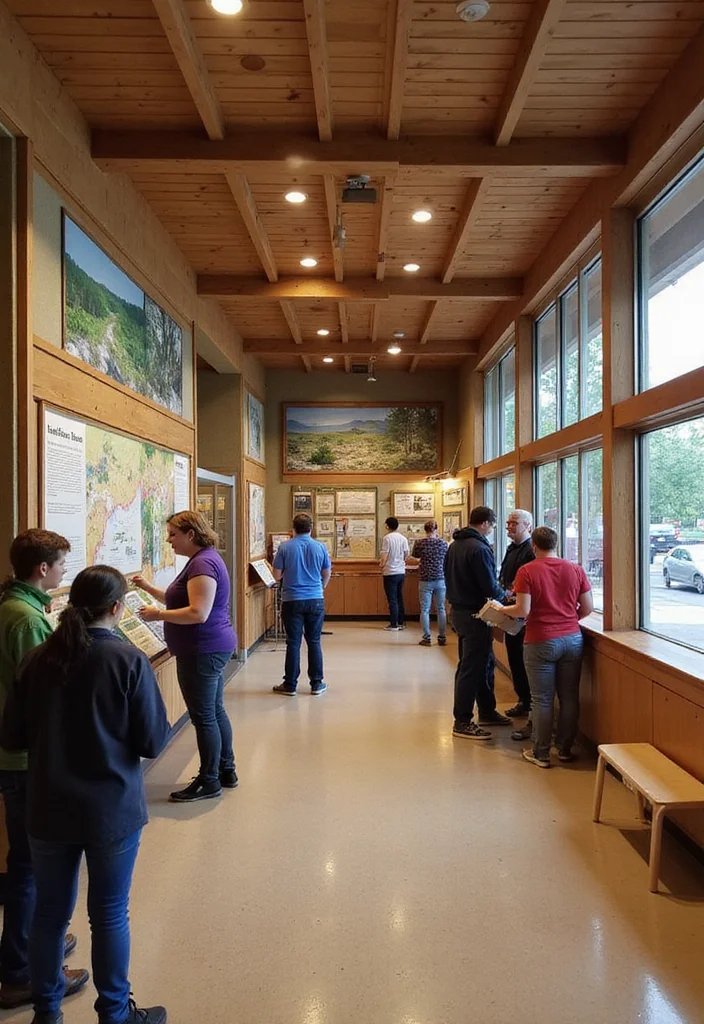
The Visitor Center at Garden of the Gods is a great starting point for understanding the park’s natural history. With informative displays, maps, and knowledgeable staff, you can gather valuable insights before exploring the trails. This stop can enhance your appreciation for the park’s unique flora and fauna.
Learn about the park’s ecosystems and discover how to apply this knowledge to your gardening efforts. The center often hosts events and educational programs that are worth attending. By visiting, you can deepen your understanding of gardening and the natural world.
• Grab a map to navigate the trails effectively.
• Attend talks for insights into native plants.
• Pick up brochures on eco-friendly gardening methods.
• Use your visit as a springboard for new gardening ideas.
The Visitor Center enriches your gardening journey and helps you connect with the beauty of nature.
14. Sunset Viewing Spots
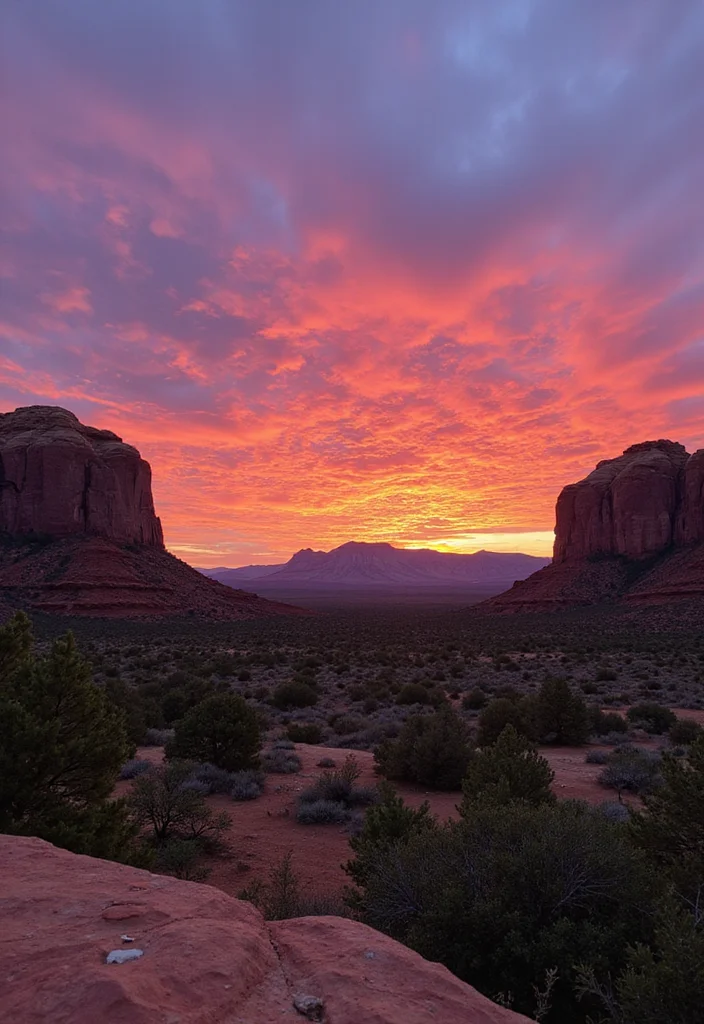
Finding the perfect spot to view the sunset at Garden of the Gods can be a truly magical experience. Locations like the Main Parking Lot and South Gateway provide stunning views of the sky’s changing colors against the iconic rock formations. These moments can inspire your garden layout, encouraging you to create spaces that capture natural light beautifully.
Consider designing a sunset garden with low-growing plants that won’t obstruct views. Reflective surfaces, like water features, can enhance the sunset experience and create a serene atmosphere. You can also choose plants with bright blooms to catch the golden rays at dusk.
• Design a sunset space with unobstructed views.
• Use reflective elements to enhance the experience.
• Select plants with bright blooms for added beauty.
• Plan your garden layout to highlight sunset views.
Incorporating these ideas can help you create a beautiful garden that shines at all times of the day.
15. Rock Formations as Garden Art
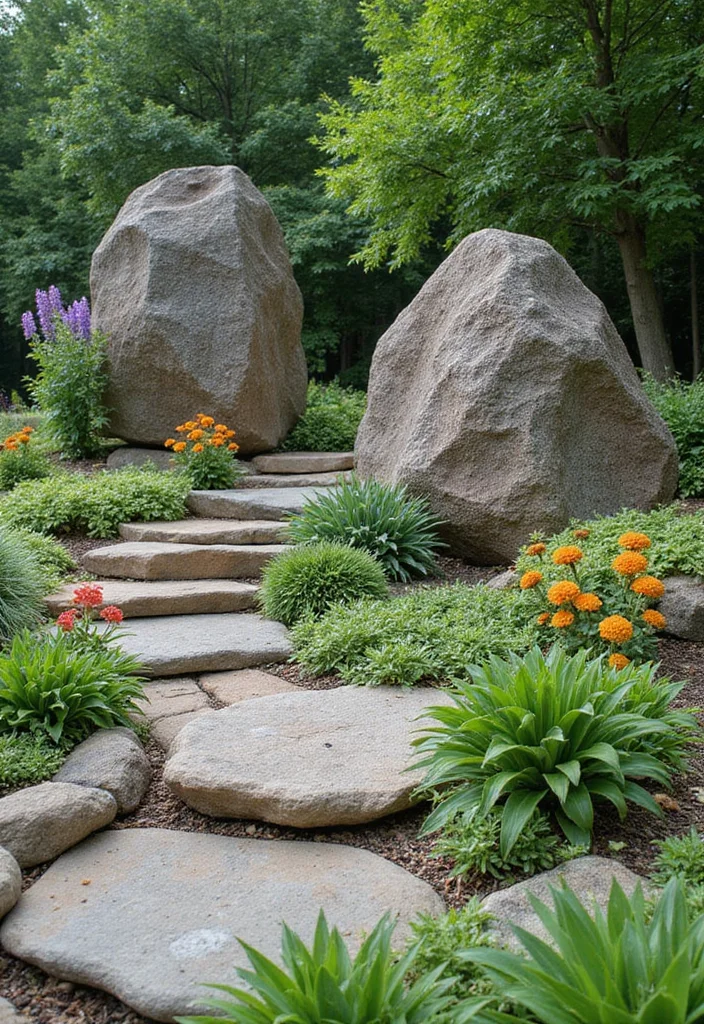
Integrating rock formations into your landscape design adds a natural artistic touch to your garden. Just like the stunning sculptures at Garden of the Gods, you can create your own outdoor art with stones and boulders. Choose rocks that complement your home, incorporating colors and shapes that enhance your garden’s beauty.
Creating a focal point with a rock feature draws the eye and adds interest to your design. You can also paint or carve stones for a personal touch that reflects your style. This creative approach ensures your garden feels unique and connected to nature.
• Use larger boulders as seating or perches.
• Arrange smaller stones in patterns for pathways.
• Create natural borders with rocks to define beds.
• Incorporate artistic features to express your creativity.
Adding rock features not only beautifies your garden but also connects it to the stunning landscapes of the Garden of the Gods.
16. Community Engagement and Volunteering
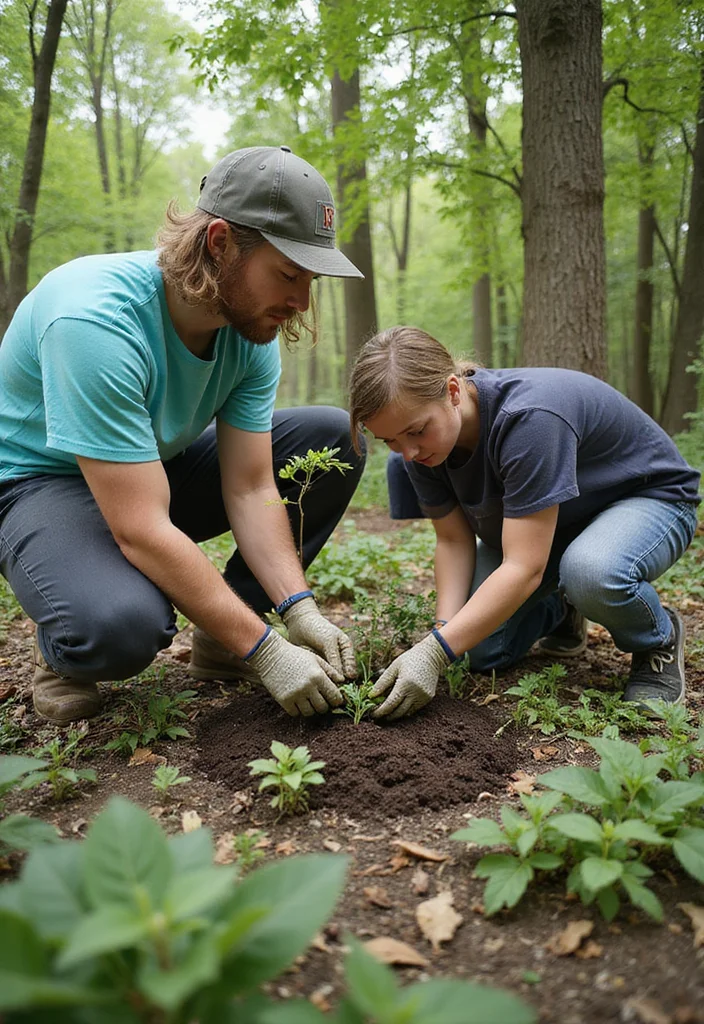
Participating in local gardening initiatives or community clean-up days can deepen your connection to places like Garden of the Gods. Volunteer programs often focus on conservation and supporting native plant gardening, aligning perfectly with eco-friendly practices. Engaging with your community helps you learn more about local ecosystems while connecting with fellow gardening enthusiasts.
Working as a team also fosters a sense of camaraderie and shared purpose. By joining these efforts, you contribute to a positive impact on your environment.
• Seek out local gardening groups focused on native plants.
• Participate in community events that promote ecological awareness.
• Attend or host workshops to share knowledge.
• Connect with others to foster a community of love for nature.
Getting involved enriches your gardening journey and nurtures a shared appreciation for nature.
17. Photography Competitions and Exhibitions
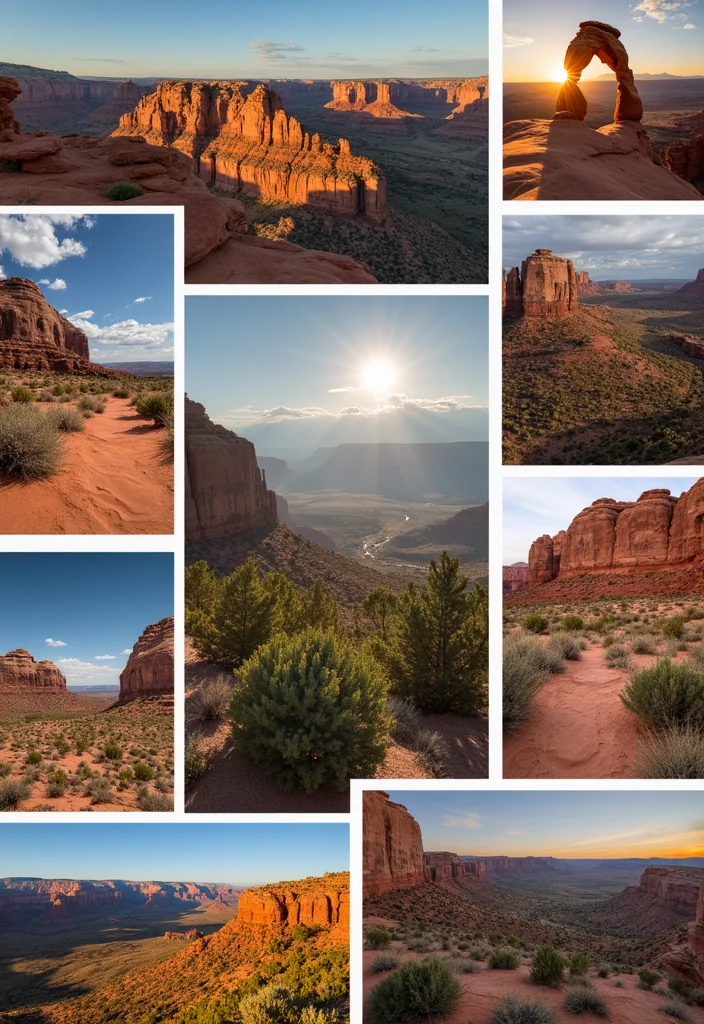
Showcasing the beauty of Garden of the Gods through photography is a fantastic way to express your creativity. Local competitions and exhibitions encourage capturing the park’s stunning landscapes, flora, and fauna. Participating in these events can inspire your gardening efforts as you explore different techniques.
Using photography to document your garden’s progress allows you to share your passion for native plant gardening. You might discover new ways to showcase your garden’s beauty and connect with other gardening enthusiasts.
• Track growth changes in your garden with photos.
• Experiment with macro photography to reveal floral details.
• Share images on social media to inspire others.
• Connect with gardening communities through photography.
Ultimately, photography enhances your understanding and appreciation of nature’s beauty.
18. Inspirational Gardening Quotes
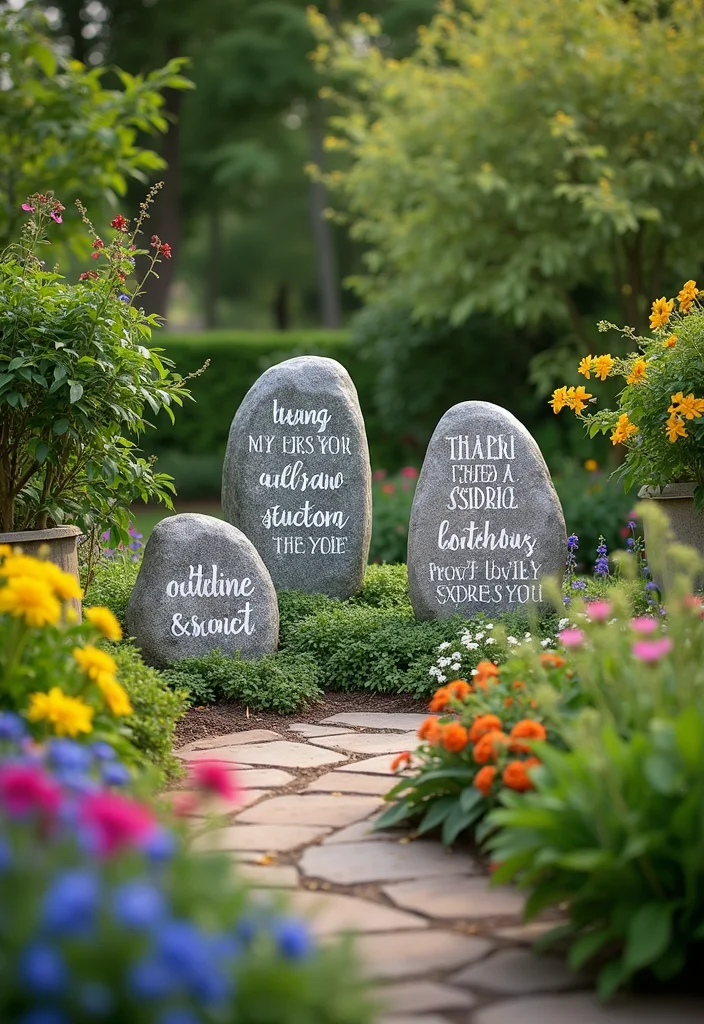
As you embrace your gardening journey, consider the power of words to inspire you. Quotes from renowned gardeners and naturalists resonate deeply with the experience of nurturing plants and connecting with nature. Incorporating these sayings into your garden space or journal can provide daily encouragement.
You might find wisdom in quotes that reflect the beauty of nature or the importance of caring for our environment, similar to the teachings observed in Garden of the Gods. These words can motivate you and enhance your gardening experience.
• Create a quote wall in your garden for inspiration.
• Use calligraphy or painted stones to display meaningful quotes.
• Share your favorite quotes with fellow gardeners to inspire collective motivation.
• Reflect on these words to fuel your passion for gardening.
These uplifting quotes can remind you of the deeper connections that plants foster in our lives.
19. Reflections on Nature’s Beauty
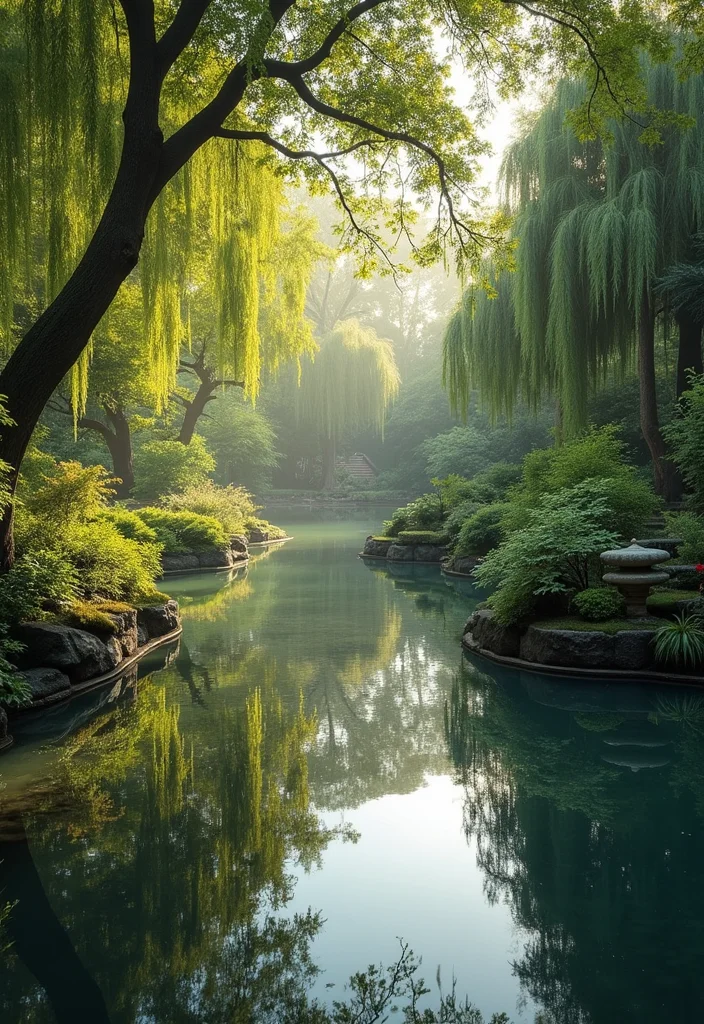
Exploring Garden of the Gods encourages you to appreciate the beauty of nature. The stunning rock formations, vibrant flora, and diverse wildlife create a sense of harmony and peace. Taking time to reflect on this beauty can inspire your gardening journey, motivating you to create a tranquil sanctuary in your own backyard.
Consider how you can express your love for nature through your garden design, whether in color, texture, or plant selections. This connection to the natural world enriches your gardening experience and fosters a sense of responsibility for the environment.
• Reflect on your gardening goals and personal values.
• Use elements from the park, like native plants, to enhance your garden.
• Share your reflections with fellow gardening enthusiasts for a sense of community.
• Create a space that mirrors the tranquility found in nature.
Nurturing your garden can reflect the incredible beauty that surrounds us.
Conclusion
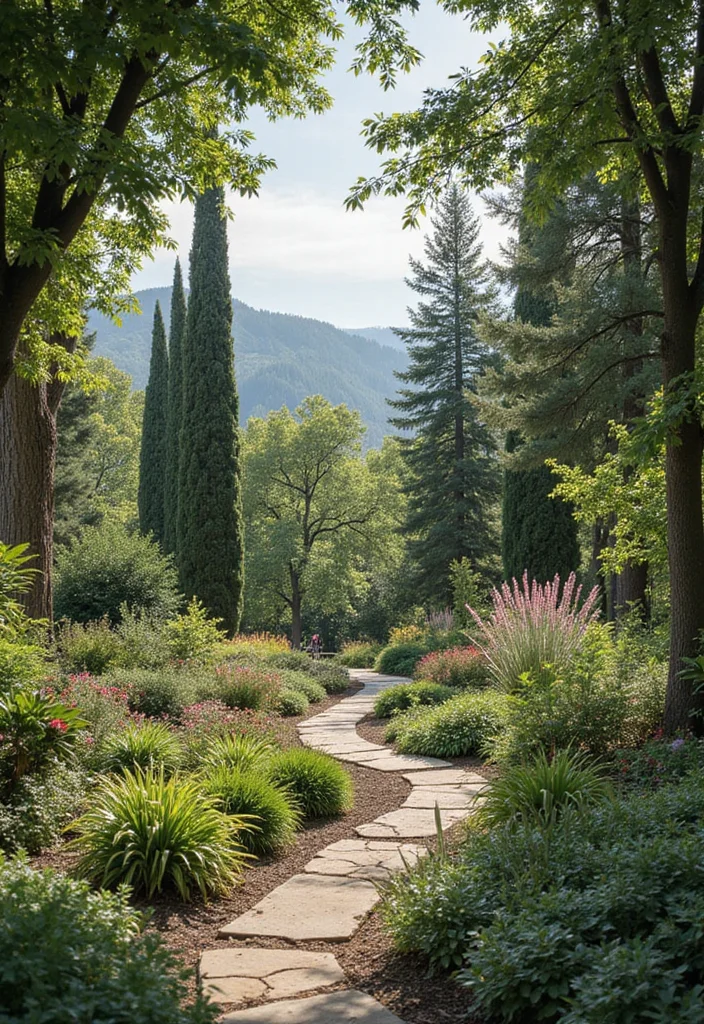
Garden of the Gods is not just a breathtaking natural wonder; it’s a source of inspiration for gardening enthusiasts everywhere. Each rock formation, native plant, and breathtaking view offers lessons and ideas that can transform your own outdoor spaces. By embracing the beauty of nature and incorporating eco-friendly practices, you can create a sanctuary that reflects the stunning landscapes of Colorado.
As you embark on your gardening journey, consider the insights shared in this guide and how they can enhance your connection to nature.
Frequently Asked Questions
What Makes the Garden of the Gods a Must-Visit Destination for Garden Enthusiasts?
The Garden of the Gods is a breathtaking natural wonder that truly captivates garden enthusiasts! With its stunning rock formations and vibrant landscapes, it’s an incredible spot to explore native plants of Colorado. You can immerse yourself in the beauty of the local flora while enjoying the picturesque views that inspire landscape design and eco-friendly gardening practices.
Plus, the diverse hiking trails offer various vantage points to appreciate the area’s unique ecosystem.
How Can I Incorporate Native Plants from the Rocky Mountains into My Garden Design?
Incorporating native plants from the Rocky Mountains into your garden design is a fantastic way to promote biodiversity and create an eco-friendly space! Start by researching plants that thrive in your specific region and climate. Consider using species like Western columbine or blue grama grass, which not only look beautiful but also require less water and care.
Design your garden with layers, using taller plants at the back and shorter ones in front, to create depth and visual interest.
What Are Some Eco-Friendly Gardening Practices I Can Adopt While Visiting the Garden of the Gods?
Visiting the Garden of the Gods is a great opportunity to learn about eco-friendly gardening practices! You can adopt techniques like composting, using organic fertilizers, and practicing water conservation by implementing drip irrigation systems in your own garden.
Also, consider incorporating native plants into your landscape design, as they typically require less maintenance and are better suited for the local environment, promoting a more sustainable outdoor living space.
Are There Any Guided Tours or Programs for Learning About Native Plants in the Garden of the Gods?
Absolutely! The Garden of the Gods offers a variety of guided tours and programs focused on the region’s native plants. These experiences provide valuable insights into local ecosystems and sustainable gardening practices. You’ll have the chance to learn from knowledgeable guides who can share tips on how to incorporate these plants into your own garden design.
Be sure to check their official website for current offerings and schedules!
What Should I Bring When Hiking the Trails in the Garden of the Gods?
Hiking the trails in the Garden of the Gods can be a delightful adventure! To make the most of your experience, bring essentials like plenty of water, healthy snacks, and a camera to capture the stunning landscapes. A good pair of hiking shoes is crucial to navigate the rocky terrain comfortably.
Don’t forget to pack a field guide or app for identifying native plants you might encounter along the way, enriching your understanding of the area’s unique flora!