

Are you ready to dig into gardening but feeling limited by your small space? If you’ve been daydreaming about fresh veggies or beautiful flowers without a yard to match, you’re not alone. This post is for anyone who craves a green thumb but needs practical solutions to grow their garden in tight areas. Raised garden beds can be the answer, offering a way to maximize your space and grow those plants you’ve always wanted.
I created this guide because I know how rewarding it is to cultivate your own plants, even when space is tight. Whether you’re a beginner or a seasoned gardener, building your own raised garden bed can be a fun and fulfilling project. You’ll not only get to connect with nature but also enjoy the satisfaction that comes from nurturing your own vegetables and herbs.
In this post, you’ll find a step-by-step guide to create your own raised garden bed, along with 17 creative inspirations to spark your imagination. From classic wooden designs to modern metal beds, there’s something for everyone. You’ll discover practical tips, unique designs, and ways to make your garden visually appealing while ensuring you get the most out of your limited space. Let’s get those hands dirty and transform your gardening dreams into a reality!
Key Takeaways
– Learn how to build a raised garden bed from scratch with easily available materials.
– Explore 17 creative designs, including vertical and tiered options, perfect for small spaces.
– Get tips on choosing the right soil and plants to maximize your raised bed’s potential.
– Discover innovative ideas like self-watering beds to make gardening easier.
– Find inspiration in using reclaimed materials, enhancing both your garden’s aesthetics and sustainability.
1. Classic Wooden Raised Bed

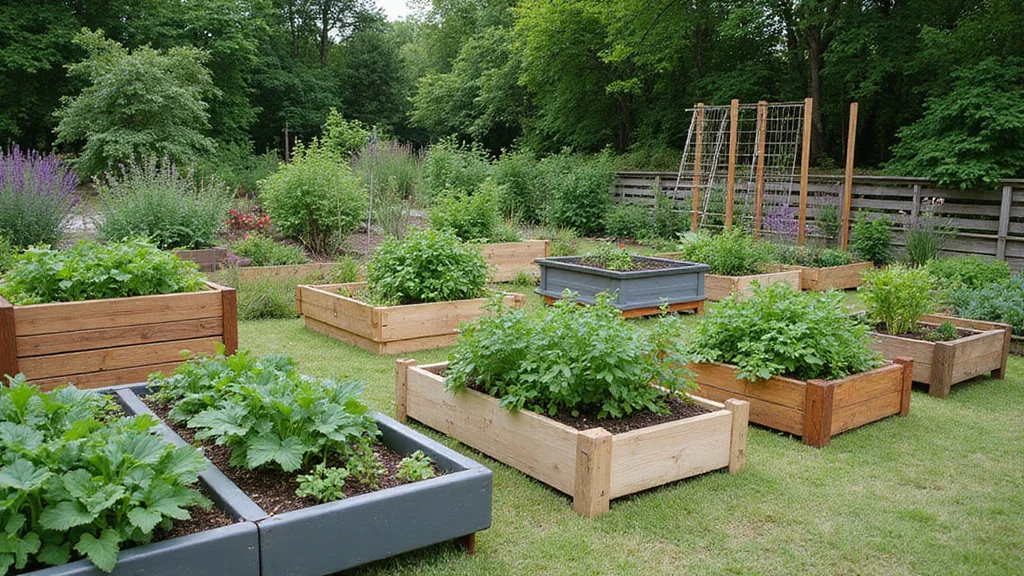
A classic wooden raised garden bed brings timeless charm to your outdoor space. Think about using untreated cedar or redwood for their natural beauty and ability to withstand the elements. These woods often come in rich hues that enhance the garden’s aesthetics. As seen in many gardening blogs, a standard size is around 4 feet wide, which allows you to easily reach in from both sides for planting and maintenance.
To create this bed, cut your wooden boards to your preferred size and secure them with corner brackets for stability. Remember to line the bottom with landscape fabric to keep weeds at bay. Fill your bed with nutrient-rich soil and compost to ensure your plants thrive.
• Use untreated cedar or redwood for durability and beauty.
• Ensure it’s at least 12 inches deep for healthy root growth.
• Elevate the bed with bricks for improved drainage.
• Add landscape fabric at the bottom to prevent weeds.
With these tips, you’ll have a stunning raised bed that enhances your garden and provides a nurturing environment for your plants.
2. Vertical Garden Bed for Small Spaces
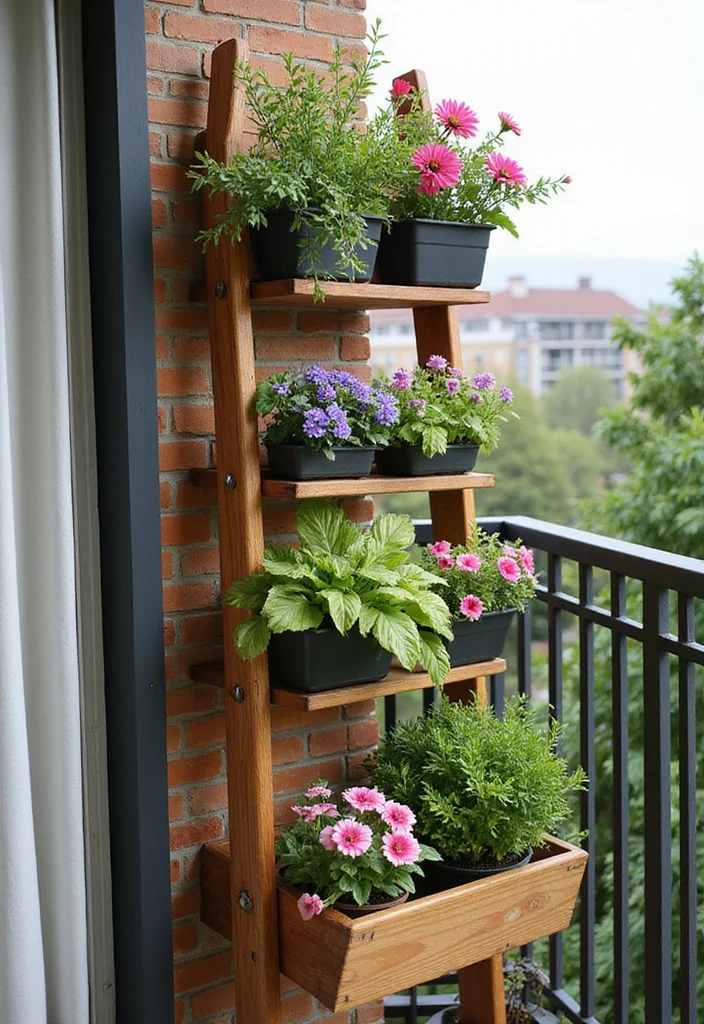
If you’re short on space, a vertical garden bed is a fantastic solution! These beds are ideal for small patios or balconies where traditional gardening might not fit. You can create one using wood pallets or even old shoe organizers. Pinterest showcases many creative ideas for these modern designs.
To build your vertical garden, make sure to use lightweight materials so it’s easy to anchor securely. Consider a simple drip irrigation system to keep your plants hydrated without the fuss. By maximizing vertical space, you can grow herbs, strawberries, or flowers in a stylish way.
• Use lightweight materials for easy setup.
• Select herbs and flowers that thrive in vertical gardens.
• Position your frame for maximum sunlight exposure.
• Consider a drip irrigation system for effortless watering.
This fun approach not only saves space but also adds a touch of creativity to your garden!
3. Reclaimed Material Raised Bed
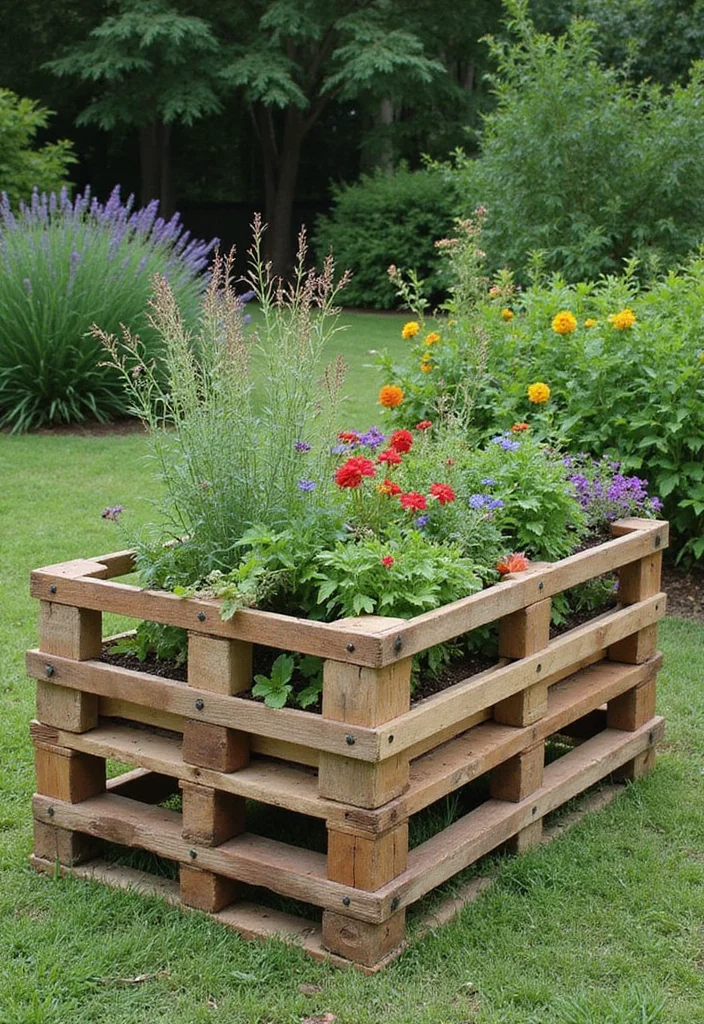
Building a raised bed from reclaimed materials is an eco-friendly choice that tells a story! Using old wood or pallets adds a rustic charm to your garden. This approach is budget-friendly and allows you to recycle materials creatively. As seen in many DIY projects, the weathered look blends beautifully with nature.
When crafting with reclaimed wood, check that it’s free from harmful chemicals. Lining the inside with landscape fabric helps keep the soil contained and reduces weeds. Feel free to mix in stones for added support and aesthetics.
• Choose reclaimed wood for a unique character.
• Line the interior with landscape fabric for soil retention.
• Add stones or bricks for stability and charm.
• Create a garden sign with old wood for personalization.
This bed not only provides a growing space but also enhances your garden’s narrative!
4. Metal Raised Garden Bed
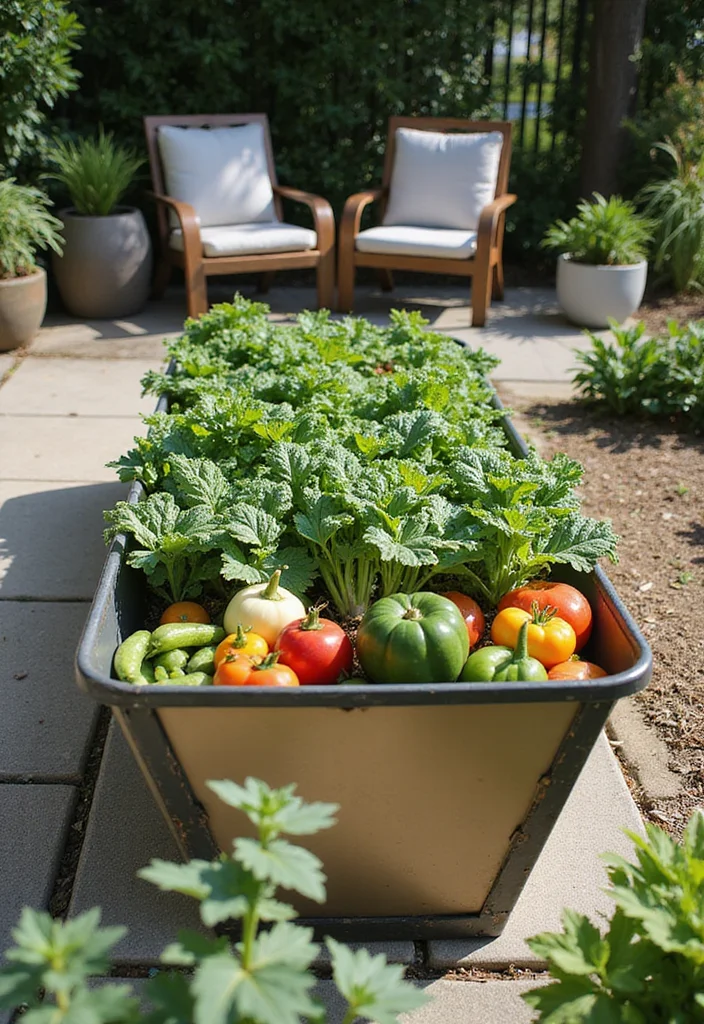
For a sleek and modern touch, consider a metal raised garden bed! Galvanized steel is a popular option due to its durability and rust resistance. These beds heat up quickly, which is great for extending your growing season. Many gardening enthusiasts love how these beds stand out in their gardens.
To create one, either purchase pre-cut panels or cut your own to size. Be sure to line the inside with landscape fabric to protect your plant roots from excessive heat. This simple setup can make a bold statement in your outdoor space!
• Choose galvanized steel for durability and modern style.
• Drill drainage holes at the bottom for proper watering.
• Fill with high-quality soil to support plant growth.
• Use raised edges to create visual interest.
With a metal raised bed, you can add a contemporary flair to your garden while ensuring your plants thrive!
5. Tiered Raised Garden Bed

A tiered raised garden bed adds visual interest and variety to your garden! These beds create different microclimates, allowing you to grow a range of plants. For example, herbs can flourish in the top tier, while veggies that love moisture can thrive below. This design looks stunning and is practical as well.
Building a tiered bed is easy. Stack wooden boxes or create frames that decrease in size as they rise. Make sure to fill each tier with soil suited for the plants you want to grow. This structure promotes excellent drainage and air circulation.
• Use stacked boxes for a tiered effect.
• Plant tall flowers at the back for a backdrop.
• Add a drip irrigation system for easy watering.
• Choose variety in plants to maximize space.
A tiered garden bed not only looks great but also enhances your gardening experience!
6. Wheelbarrow Garden Bed
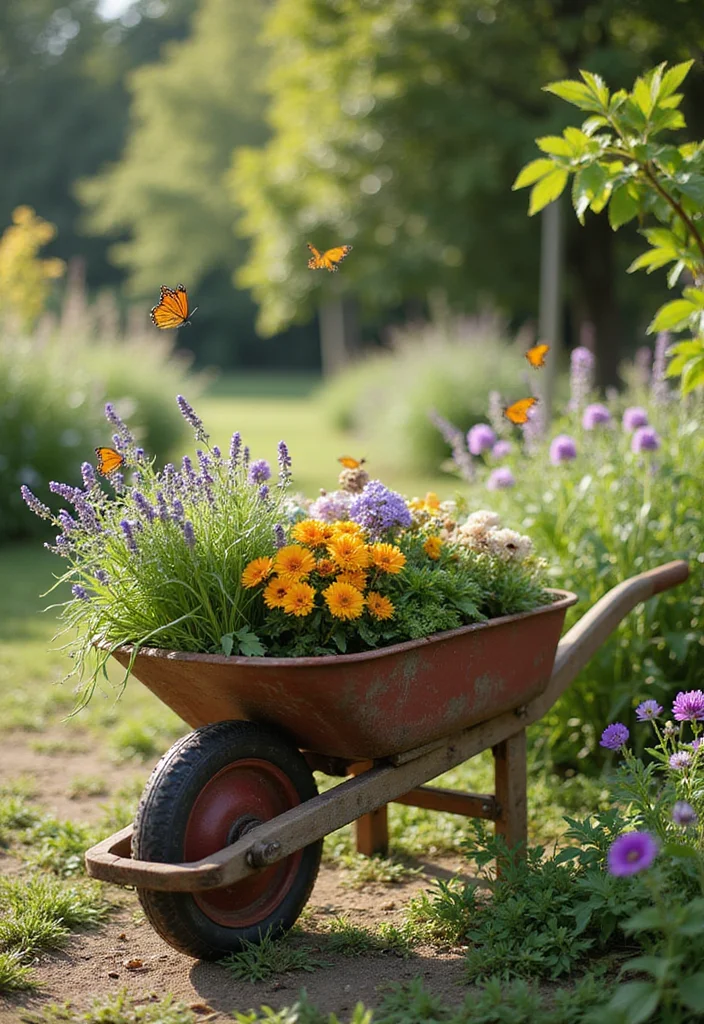
Transform an old wheelbarrow into a quirky raised garden bed! This fun option is perfect if you have limited space and can act as a unique centerpiece in your garden. Simply fill the wheelbarrow with your favorite soil and choose herbs or flowers to plant.
Ensure you drill drainage holes to avoid water pooling. The best part? You can move your wheelbarrow garden around to find the best sunlight or protect it during bad weather.
• Fill with lightweight soil to keep it easy to move.
• Plant compact herbs like lavender or succulents.
• Decorate with fairy lights for added charm.
• Ensure drainage holes to prevent overwatering.
A wheelbarrow garden adds whimsy while providing a functional planting space!
7. Pallet Garden Bed
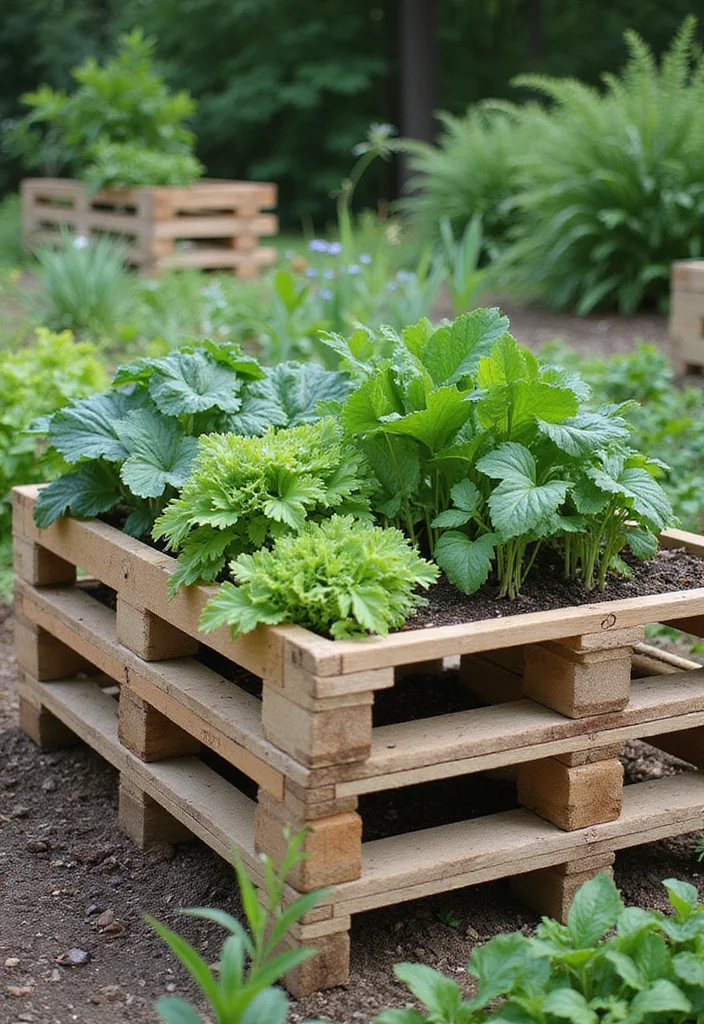
You can create an affordable raised garden bed using wooden pallets! Stacked pallets make for a rustic and simple garden bed. Just ensure you pick untreated pallets to keep your produce safe from chemicals. With minimal tools, you can easily transform pallets into a raised garden shape.
Line the bottom with landscape fabric to hold the soil and promote drainage. Feel free to personalize your garden bed with paint or stain that fits your style.
• Choose untreated pallets for safe gardening.
• Use landscape fabric to retain soil.
• Ensure proper spacing for airflow.
• Grow potatoes or strawberries for a thriving garden.
Using pallets not only saves money but also adds character to your gardening space!
8. Concrete Block Raised Bed
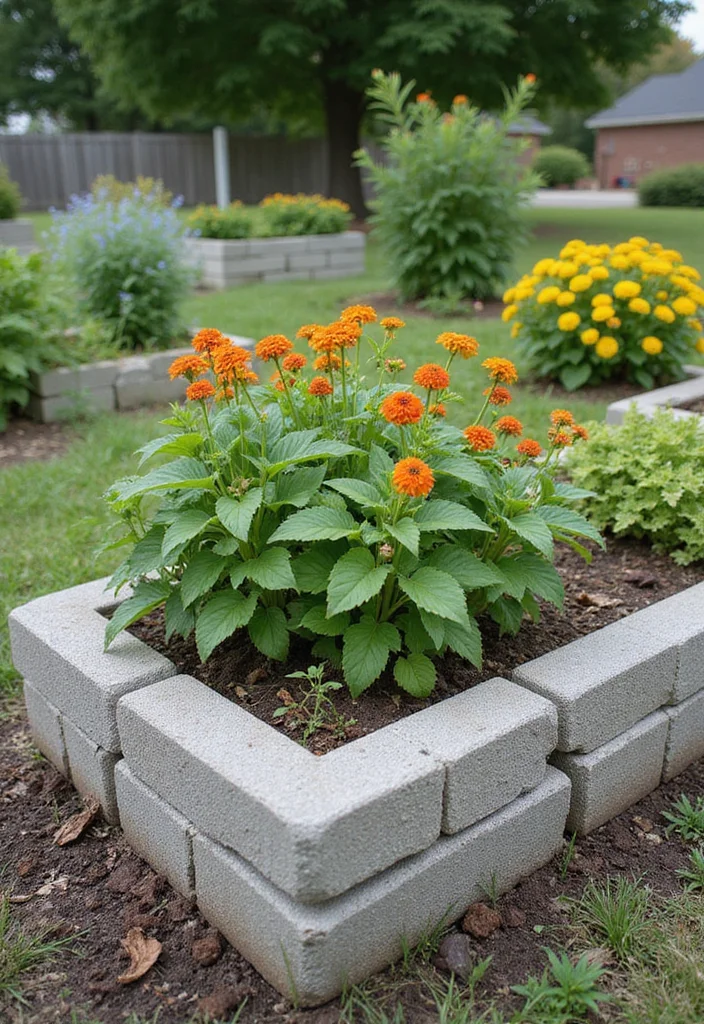
For a more permanent garden solution, consider building a raised bed with concrete blocks! These blocks are super durable and provide great insulation for plant roots. You can build unique designs by stacking the blocks differently or even using some as planting pockets.
Make sure to lay the blocks flat for a strong foundation and fill with nutrient-rich soil. This bed can handle harsh weather and pests effectively.
• Paint the blocks to add color and personality.
• Use a liner to prevent soil erosion through block holes.
• Stack blocks for a unique design.
• Create planting pockets for added greenery.
A concrete block bed can be both practical and visually appealing in your landscape!
9. Circular Raised Garden Bed

Break away from the norm by creating a circular raised garden bed! This unique shape adds charm and allows easy access from all sides. To make one, stake a circle in your garden using a hose or string, then build walls with wood or stones.
The circular design is perfect for growing herbs, flowers, or a small vegetable patch in the center. Consider adding a trellis in the middle for climbing plants like peas.
• Group similar plants together for optimal care.
• Add a seating area around the bed for relaxation.
• Use lightweight materials for easy assembly.
• Choose colorful flowers for visual appeal.
A circular raised bed can create a focal point in your garden that invites exploration!
10. Herb Spiral Raised Bed

A herb spiral is a clever way to maximize your herb garden in a small area! This design features a spiral shape that creates different microclimates for various herbs. Start with a circular base and build the spiral with stones or bricks, filling it with soil as you go.
At the top, place drought-resistant herbs, while moisture-loving herbs can thrive at the bottom. This design not only looks artistic but is practical too.
• Plant rosemary and basil for variety.
• Add a rainwater collection system for easy watering.
• Ensure good drainage for healthy growth.
• Use decorative stones for added flair.
A herb spiral saves space while making your garden truly beautiful!
11. Foldable Garden Bed
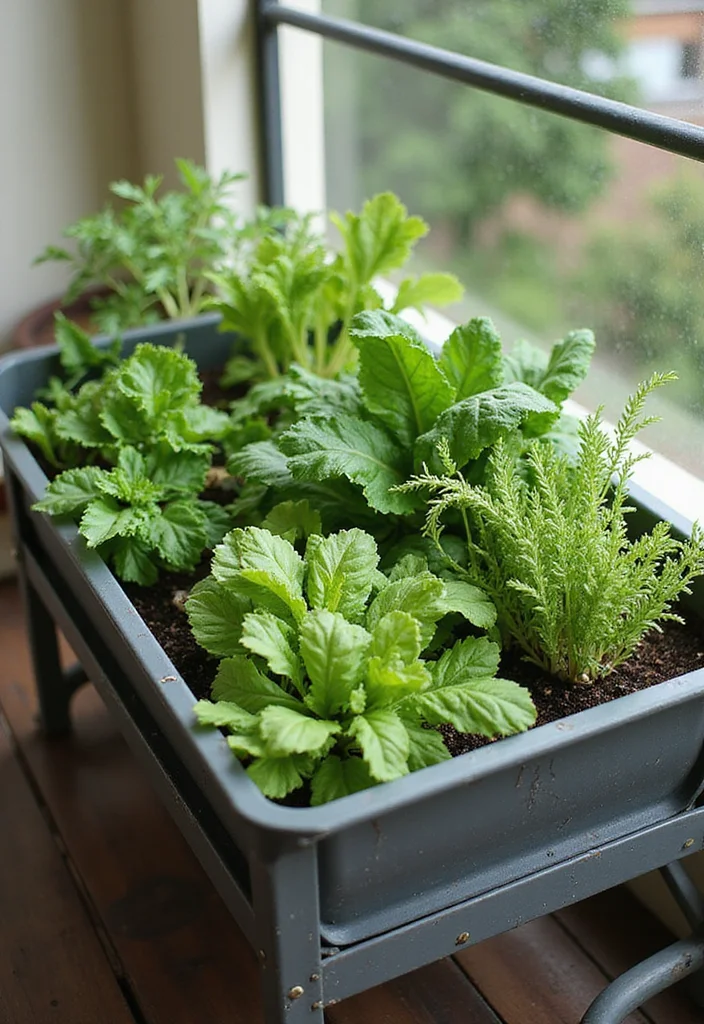
If you’re short on space but still want to garden, a foldable raised bed is a smart idea! These beds are easy to assemble and disassemble, making them perfect for seasonal gardening. Made from lightweight materials, you can move them around to find the best sunlight or protection from bad weather.
When not in use, simply fold and store them away. Look for sturdy options that can withstand the soil’s weight. Fill your foldable bed with quality soil and select compact veggies or flowers.
• Grow salad greens or herbs for easy harvesting.
• Ensure there are drainage holes to avoid water issues.
• Choose weather-resistant materials for durability.
• Keep it lightweight for easy movement.
A foldable raised bed is perfect for renters or anyone trying out gardening!
12. Greenhouse Raised Bed
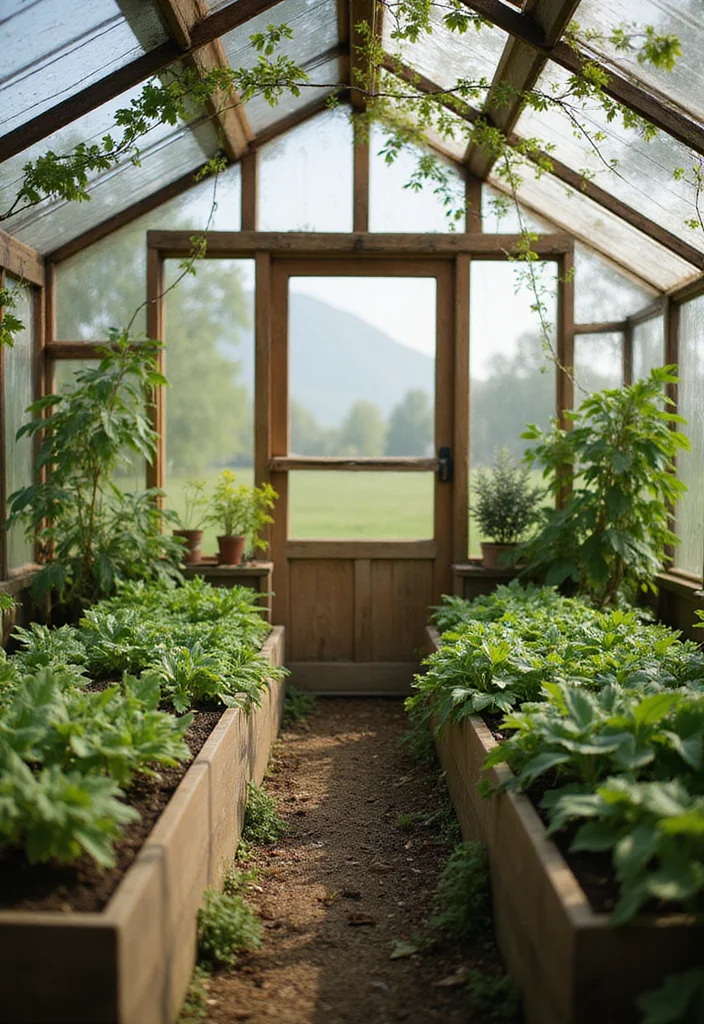
Combine raised gardening with a greenhouse for a perfect growth environment! Setting up a raised bed inside a small greenhouse protects plants from harsh weather and pests. The warmth and humidity of the greenhouse can help your plants thrive longer.
You can build a simple frame and cover it with clear plastic or glass for the greenhouse effect. Don’t forget to include ventilation to keep air flowing. Fill your raised bed with quality soil mixed with compost for healthy plants.
• Opt for heat-loving plants like peppers and tomatoes.
• Use drip irrigation for efficient watering.
• Ensure proper ventilation to prevent overheating.
• Choose nutrient-rich soil for optimal growth.
A greenhouse raised bed can turn your backyard into a thriving garden oasis!
13. Hanging Raised Garden Bed
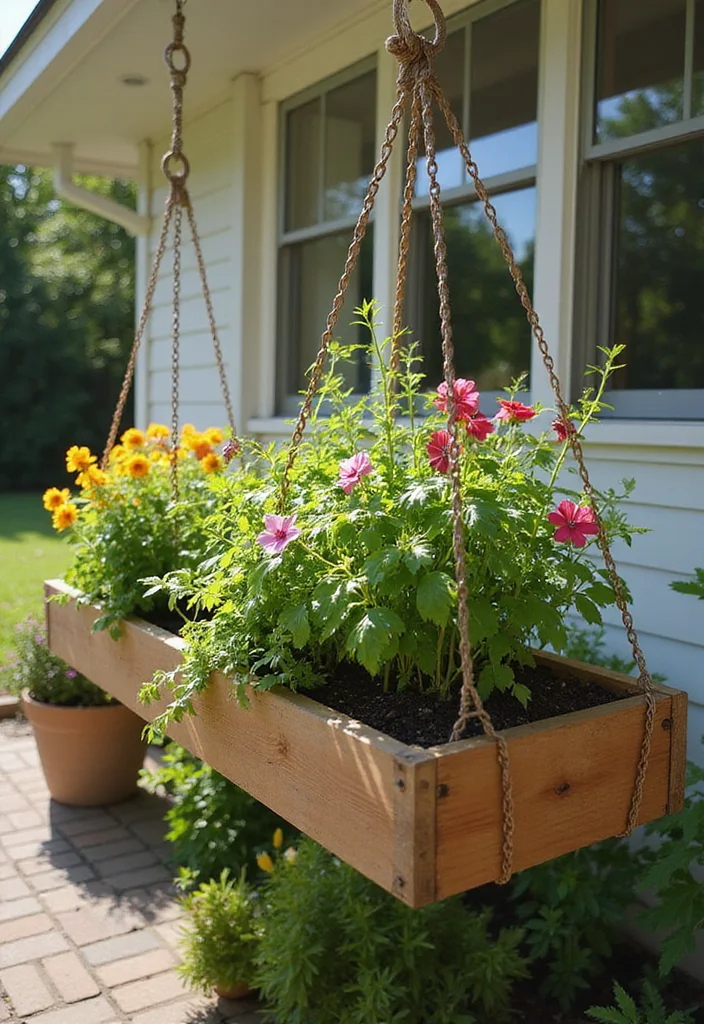
Elevate your gardening with a hanging raised garden bed! This creative solution is perfect for balconies or small patios, allowing you to grow plants without taking up valuable ground space. You can make hanging gardens from repurposed wooden crates or metal containers suspended from a frame or wall hooks.
Ensure your containers have proper drainage and use lightweight soil to avoid overloading. Herbs and trailing plants like strawberries or cherry tomatoes are ideal for this setup.
• Securely anchor your hanging structure to hold weight.
• Choose trailing plants for a lush appearance.
• Use lightweight soil to prevent strain.
• Decorate with colorful containers for added charm.
Hanging raised beds create vertical interest while maximizing space!
14. Portable Raised Garden Bed
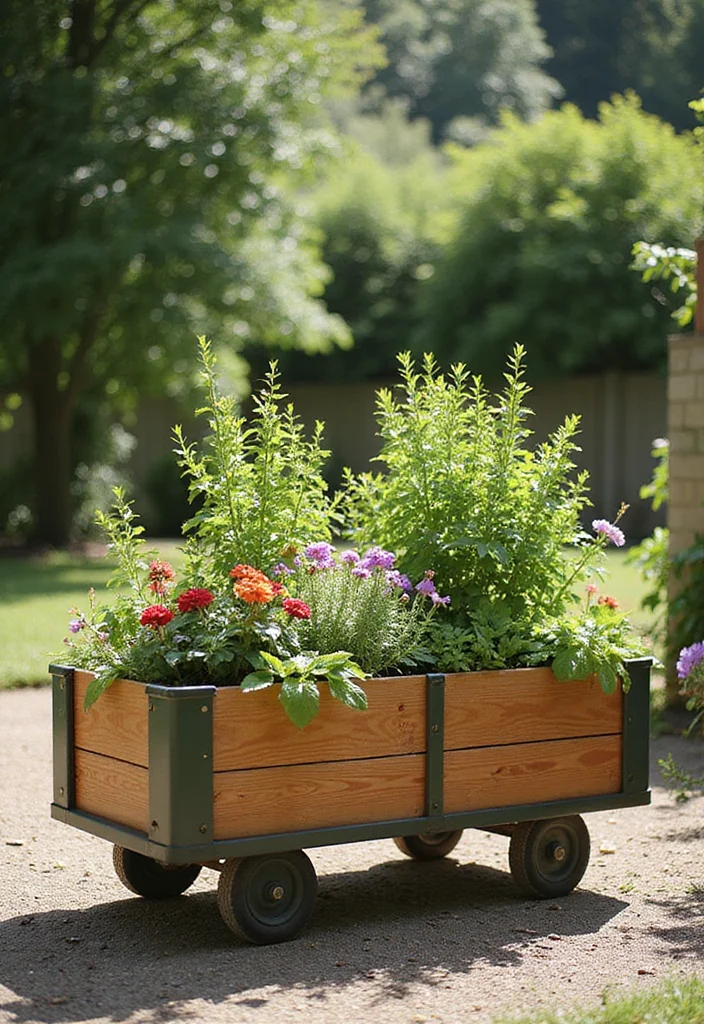
If you love changing your garden layout, a portable raised garden bed is perfect! These beds can be made with wheels or casters, allowing you to move them easily for sun or shade. Create a sturdy frame from wood or metal that can hold soil and plants effectively.
Use wheelbarrow wheels for easy transportation and fill with quality soil. Don’t hesitate to try out new plant combinations as the seasons change.
• Mix flowers and herbs to attract pollinators.
• Keep the bed lightweight for easy movement.
• Ensure it’s sturdy enough to hold your plants.
• Experiment with different plant combinations each season.
A portable raised bed makes gardening fun and flexible!
15. Elevated Garden Bed for Accessibility

Accessibility is key for everyone to enjoy gardening! An elevated raised garden bed is designed for those with mobility challenges. These beds are waist-high, reducing the need to bend down and making gardening easier on your back and knees.
You can build an elevated bed using timber or buy pre-made kits. Ensure it’s stable enough to support soil and plants. Fill it with nutrient-rich soil and choose easy-care plants like herbs or salad greens.
• Add a trellis to expand your planting options.
• Use wide pathways around your bed for easy access.
• Choose easy-to-care-for plants for convenience.
• Customize with decorative elements for personal touch.
Elevated beds empower everyone to enjoy the rewarding experience of gardening!
16. Fish Tank Raised Bed
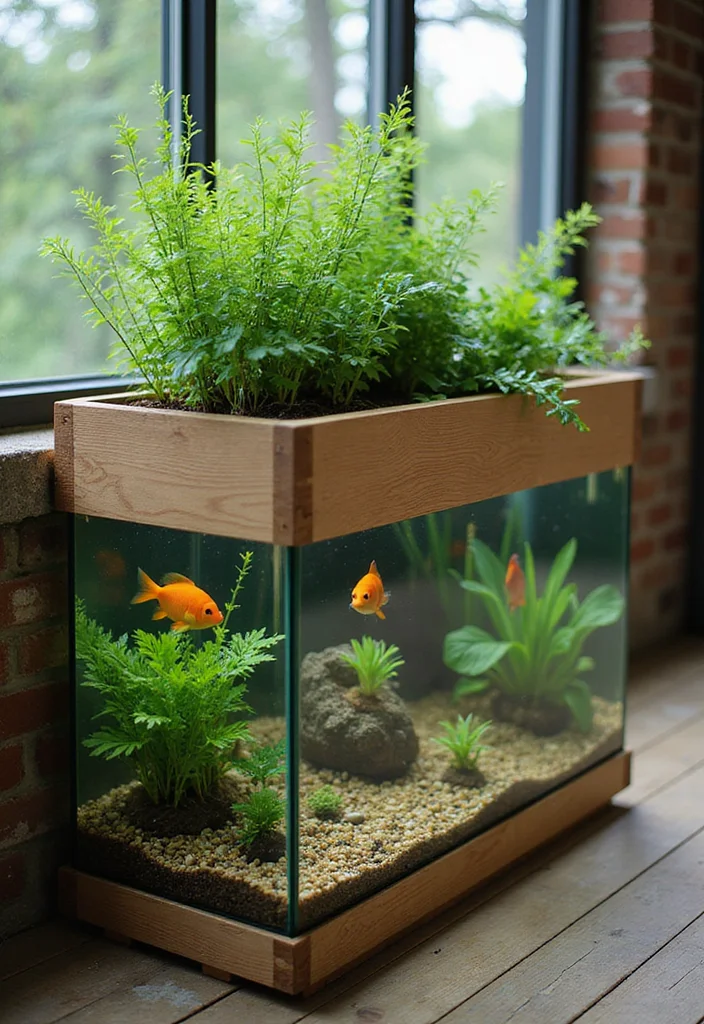
Try something unique with an aquaponics-style fish tank raised bed! This innovative setup combines fish farming with growing plants. The fish waste provides nutrients for the plants while the plants help filter the water for the fish.
Set up a tank with fish like tilapia and a raised bed filled with plants that absorb nutrients. Make sure to maintain proper water circulation for optimal health. This garden not only produces fresh fish but also veggies and herbs!
• Choose complimentary plants like basil and lettuce.
• Regularly monitor water quality for health.
• Ensure proper water circulation for plant health.
• Design for easy maintenance of both fish and plants.
An aquaponics system offers a sustainable way to provide food right from your backyard!
17. Self-Watering Raised Garden Bed
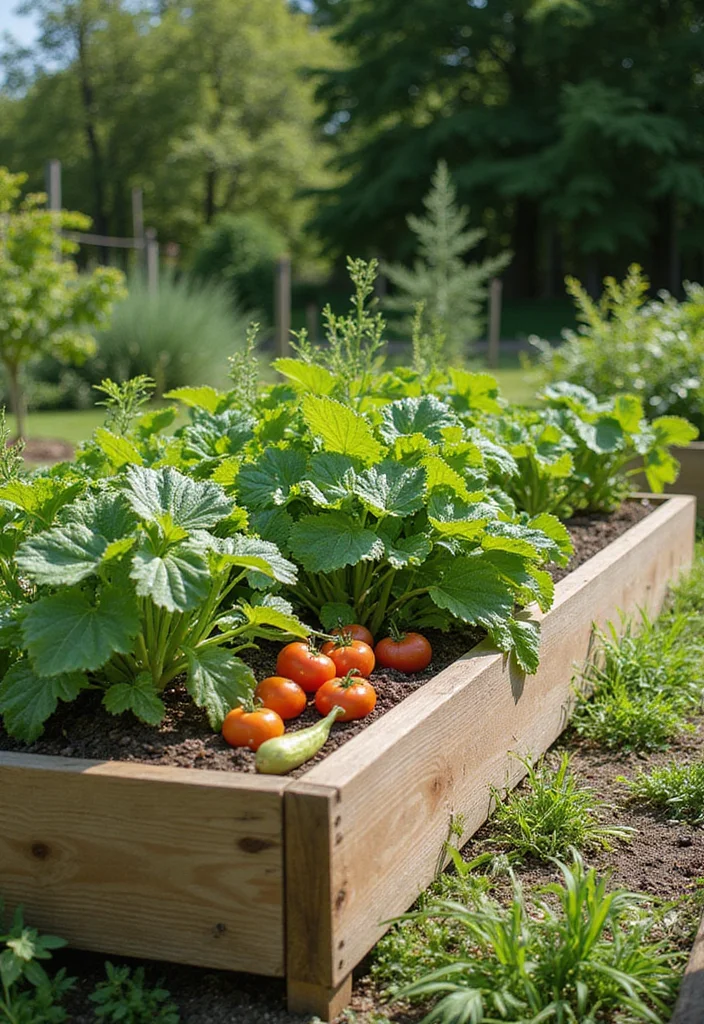
Say goodbye to constant watering with a self-watering raised bed! These innovative beds feature a built-in reservoir that keeps the soil moist without daily attention. You can build your own using a plastic container or buy ready-made kits. The reservoir allows water to move up to the roots naturally.
Fill the raised bed with soil and monitor the water level regularly. This design is ideal for busy gardeners who want healthy plants without the hassle.
• Add mulch on top to retain moisture.
• Select water-loving plants for best results.
• Use drainage holes to prevent overwatering.
• Ensure easy access to check water levels.
Self-watering systems make gardening easier and keep your plants thriving!
Conclusion
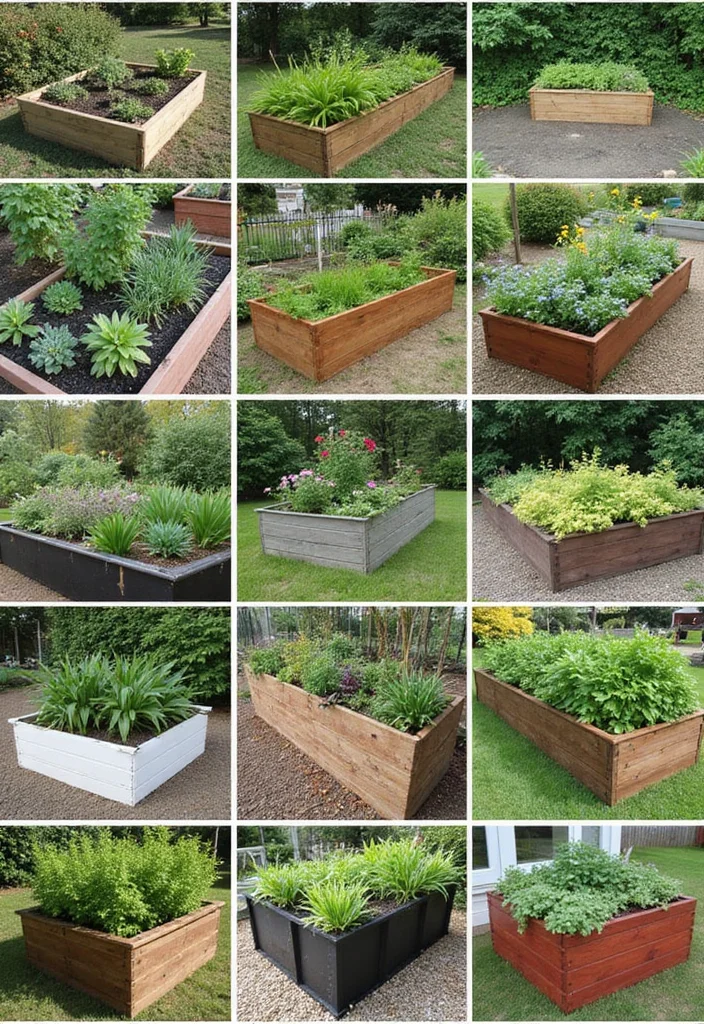
Creating a raised garden bed offers endless possibilities for gardeners of all types, especially in small spaces.
Whether you opt for classic wooden designs, quirky vertical solutions, or innovative self-watering setups, the ideas shared can inspire you to cultivate your own green oasis.
So gather your materials, unleash your creativity, and start building the garden of your dreams!
Frequently Asked Questions
What Materials Are Best for Building a DIY Raised Garden Bed?
When it comes to building a DIY raised garden bed, selecting the right materials is crucial! Popular choices include cedar and redwood due to their natural resistance to rot. If you’re looking for a budget-friendly option, untreated pine can work as well, but it may not last as long. Avoid using treated lumber, as chemicals can leach into the soil. Pairing your wood choice with a good-quality landscape fabric can help prevent weeds and improve drainage!
How Do I Choose the Right Location for My Raised Garden Bed?
Choosing the perfect spot for your raised garden bed can make all the difference in your gardening success! Aim for a location that receives at least 6-8 hours of sunlight daily, as most vegetables thrive in bright light. Additionally, consider accessibility for watering and maintenance. A flat area with good drainage is ideal, but if your space is limited, you can also build a vertical garden to maximize your growing area. Remember, proximity to a water source will make your gardening life much easier!
What Are Some Creative Ideas for Vertical Gardening in Small Spaces?
If you’re short on space but still want to enjoy the benefits of gardening, vertical options are a game changer! Consider using wall planters, hanging baskets, or even repurposed materials like wooden pallets. You can also create a tiered garden by stacking pots or using a ladder for an artistic touch. Vertical gardening not only maximizes your space but also adds a stunning visual element to your outdoor area. Plus, it’s perfect for growing herbs, strawberries, and other compact vegetables!
How Can I Ensure My Raised Garden Bed is Healthy and Productive?
To keep your raised garden bed healthy and productive, start with quality soil! A mix of compost, topsoil, and potting mix will provide the nutrients your plants need. Remember to practice crop rotation and companion planting to maintain soil health and deter pests. Regular watering and occasional fertilization will also help keep your plants thriving. Finally, don’t forget to mulch to retain moisture and suppress weeds—this simple step can make a world of difference in your outdoor gardening projects!
What Vegetables Are Best Suited for Raised Garden Beds?
When it comes to filling your raised garden bed with veggies, the options are plenty! Great choices include lettuce, spinach, carrots, and radishes, which have relatively shallow root systems. If you’re looking for something more substantial, try tomatoes, peppers, and cucumbers—they thrive in the warmth and depth of raised beds. Always consider your climate and growing season when planning your vegetable gardening for the best results!