

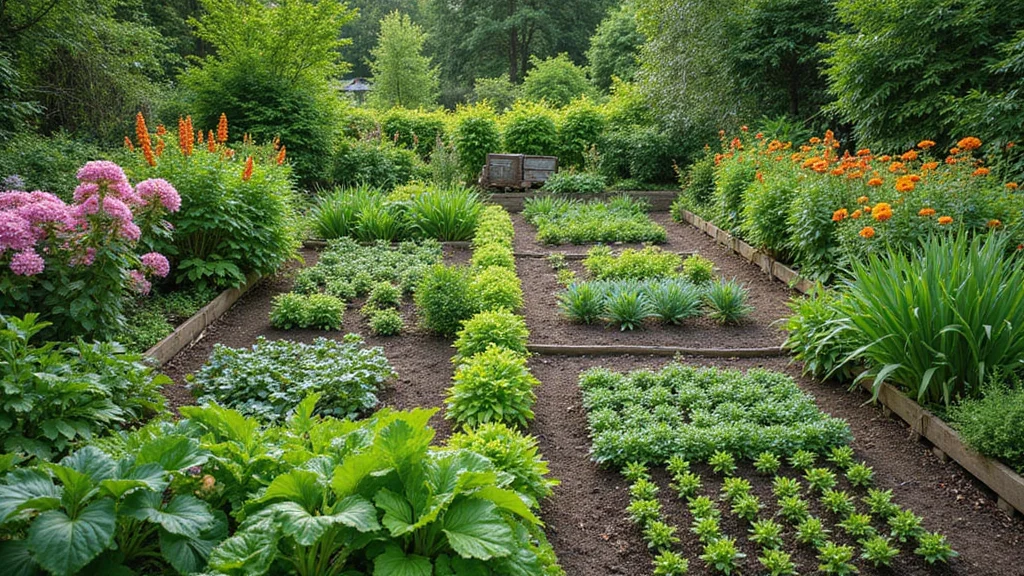
Gardening can be a rewarding escape, a way to connect with nature, and a chance to grow your own food. But if you’re staring at a blank backyard and feeling overwhelmed, you’re not alone. That’s why I created this post: to inspire you with creative ideas for designing a farm-style garden that’s not only beautiful but also sustainable.
If you’re a gardening enthusiast looking to transform your outdoor space, this guide is perfect for you. Whether you’re a seasoned pro or just starting out, you’ll find something that resonates with your passion for DIY projects and sustainable edible landscaping. This collection of 19 unique farm garden layouts will spark your creativity and help you envision the garden of your dreams.
In this fun guide, you’ll discover practical tips and innovative designs tailored for your backyard. From herb spirals to pollinator paradises, each concept is designed to make gardening enjoyable and accessible. You’ll learn how to create a thriving edible landscape, foster biodiversity, and even engage your kids in gardening adventures. Let’s dive into these farm-style concepts that celebrate the joy of growing your own food while enhancing your outdoor space.
Get ready to roll up your sleeves and start planting! You’ll leave this post equipped with fresh ideas, practical layouts, and a renewed enthusiasm for gardening. Let’s turn that blank canvas into a vibrant, sustainable garden that brings joy and nourishment for years to come.
Key Takeaways
– Discover 19 unique farm garden layouts, including the herb spiral and vertical garden, that cater to various interests and skill levels.
– Learn about sustainable practices like companion planting and DIY composting to boost your garden’s health and productivity.
– Find out how to create a wildlife-friendly space that attracts beneficial creatures while enhancing your garden’s ecosystem.
– Explore creative projects like fairy gardens and kids’ adventure zones that make gardening fun for the whole family.
– Gain practical insights on seasonal gardening techniques, ensuring your backyard farm thrives throughout the year.
1. The Classic Raised Bed Garden
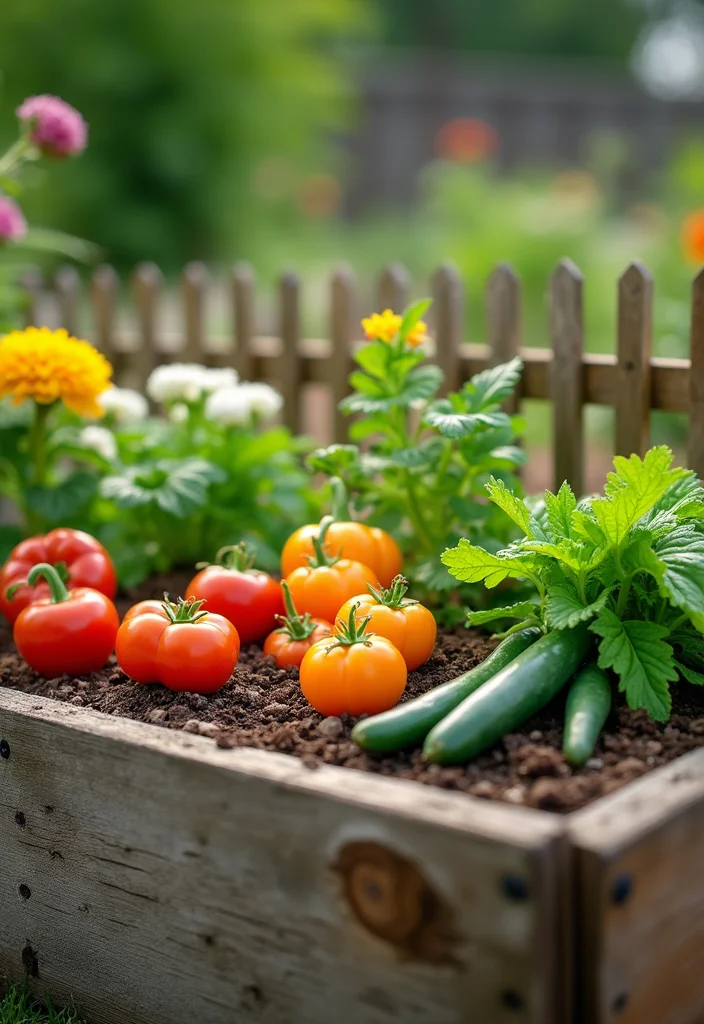
Raised bed gardens give your veggies a special place to thrive. They not only save space but also help your plants grow healthier. You can make these beds from materials like reclaimed wood or bricks, adding a rustic feel to your garden. Pinterest often showcases these charming setups, inspiring many gardeners to try them out. To get started, consider using affordable materials from local hardware stores or even old pallets. Arrange the beds in a grid for an organized look. Pair them with companion plants to attract helpful insects. This method not only helps your plants flourish but also makes your garden a pleasant spot for you and your friends to enjoy together. • Choose reclaimed wood or bricks for a rustic look
• Arrange beds in a grid pattern for style
• Plant companion flowers to attract beneficial bugs
• Add trellises for vertical gardening opportunities
With these tips, you can create a beautiful raised bed garden that enhances your outdoor space while providing delicious homegrown vegetables.
2. Herb Spiral Garden
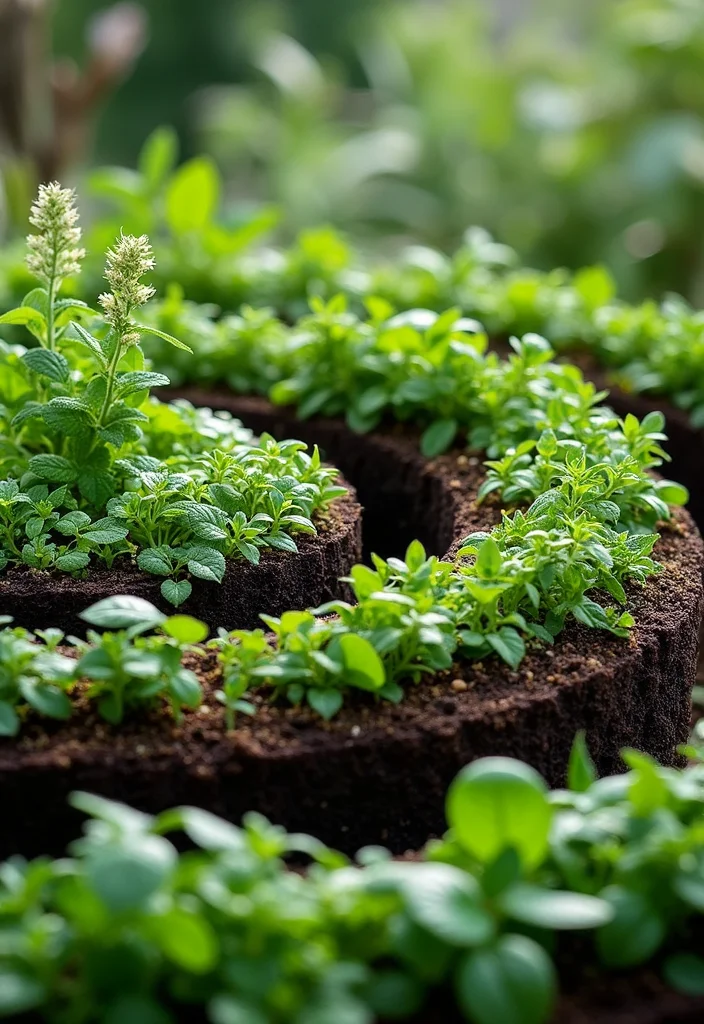
An herb spiral is a fun way to grow a variety of herbs in a compact space. This spiral design creates different microclimates, so you can nurture herbs that prefer various conditions. Using stones or bricks to form the spiral adds a unique touch to your garden, making it visually appealing and practical. Many gardeners love this design, as it attracts pollinators and enhances the garden’s beauty. To create your herb spiral, start by choosing a sunny spot. You can stack stones to build the spiral and fill it with soil. Place moisture-loving herbs at the bottom and drought-tolerant ones higher up. This layout not only saves space but also invites butterflies and bees, adding life to your garden. • Select a sunny location for best growth
• Build a spiral using stones or bricks for stability
• Fill with soil, planting moisture-loving herbs at the bottom
• Arrange drought-resistant herbs higher up for variety
This herb spiral will not only beautify your garden but also provide fresh herbs for your meals.
3. Pollinator Paradise
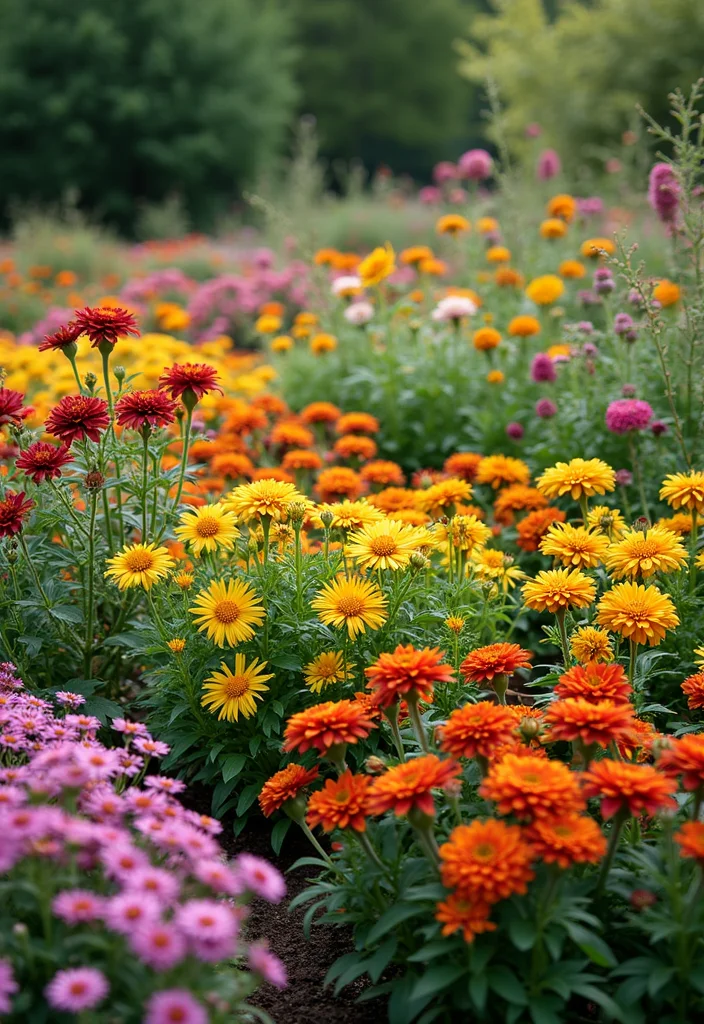
Make your garden a haven for pollinators like bees and butterflies. These essential critters improve plant health and boost your garden’s productivity. By planting vibrant flowers, you can create a welcoming environment for them. Consider including plants such as lavender and sunflowers, which are favorites among pollinators. This trend is popular among gardeners who want to support nature while beautifying their spaces. To create your pollinator paradise, cluster these plants together for maximum color and attraction. Adding a birdbath filled with pebbles gives these creatures a place to drink. You can also build an insect hotel to encourage more visitors. This will not only enrich your garden’s ecosystem but also create a lively atmosphere for you to enjoy. • Plant lavender and sunflowers for color and attraction
• Cluster flowers together for easy access to food
• Add a birdbath for hydration
• Build an insect hotel to boost biodiversity
With these ideas, your garden will thrive while supporting important pollinators.
4. Edible Landscape Design
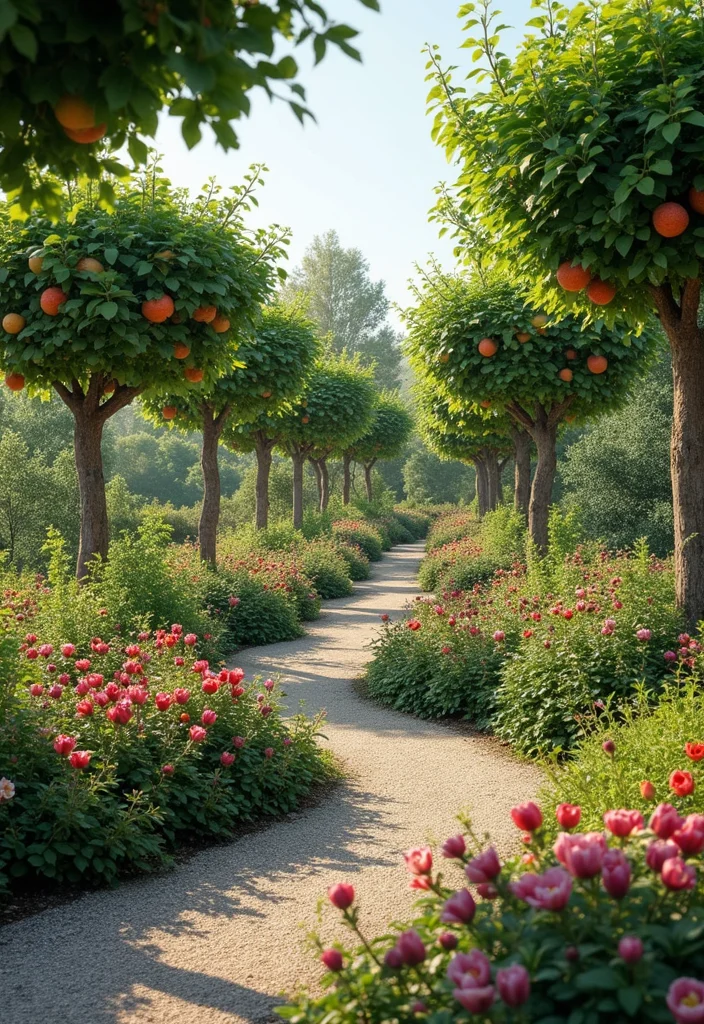
Why not design a garden that is both beautiful and productive? Edible landscaping combines aesthetics with fresh food. You can create a harmonious blend of fruit trees, berry bushes, and colorful flowers. This approach is trending among gardeners who want to enjoy both beauty and bounty. To start, use dwarf fruit trees in small spaces for easy access to fresh fruit. Mixing flowers with your veggies adds color and texture. Consider vertical gardening for climbing plants, which saves space and adds dimension. This way, your garden becomes a sustainable paradise that offers fresh produce right at your fingertips. • Choose dwarf fruit trees for small spaces
• Interplant flowers with vegetables for variety
• Use vertical gardening for climbing plants
• Create a harmonious design for beauty and function
This edible landscape design will transform your garden into a stunning and productive space.
5. Companion Planting Layout
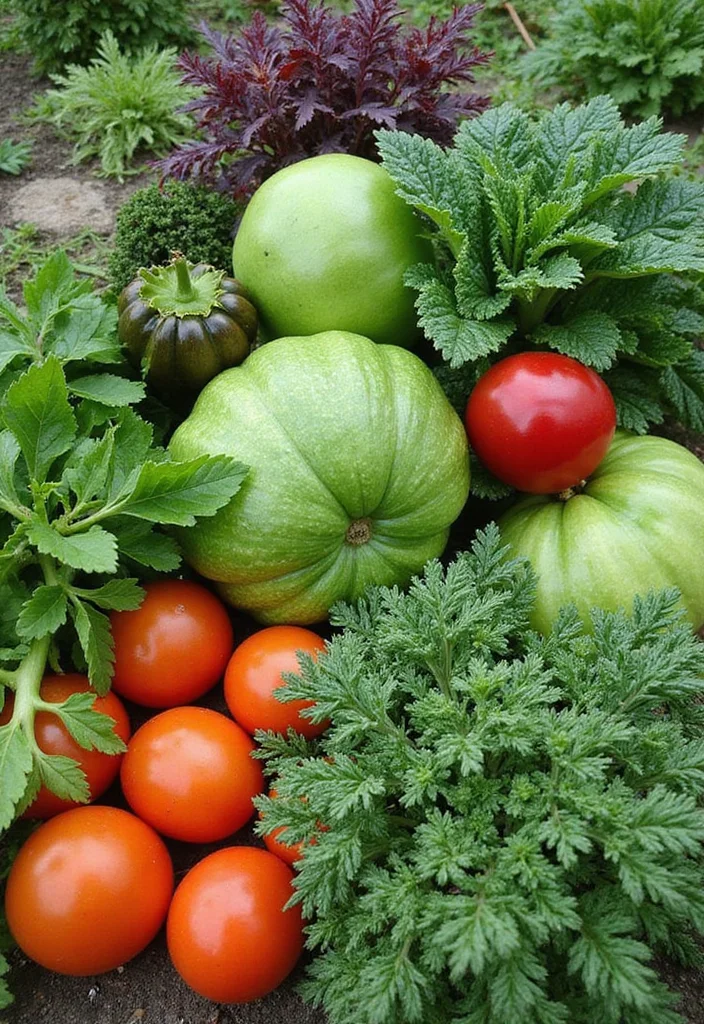
Companion planting pairs plants that help each other grow. This method leads to healthier plants and a more productive garden. You can create a mini-ecosystem by pairing different plants together. For instance, tomatoes and basil work well because they repel pests and enhance flavor. This technique is gaining popularity among gardeners who want a sustainable approach. To implement this technique, plan your garden layout with these pairings in mind. This not only helps optimize space but also creates a thriving environment. It reduces the need for chemical fertilizers, making your gardening journey more natural and rewarding. • Pair tomatoes with basil for pest control
• Combine carrots and onions to repel insects
• Grow beans with corn for nitrogen benefits
• Design your layout for optimal plant pairings
By using companion planting, your garden will flourish with healthier plants and bountiful harvests.
6. Kitchen Garden on the Go
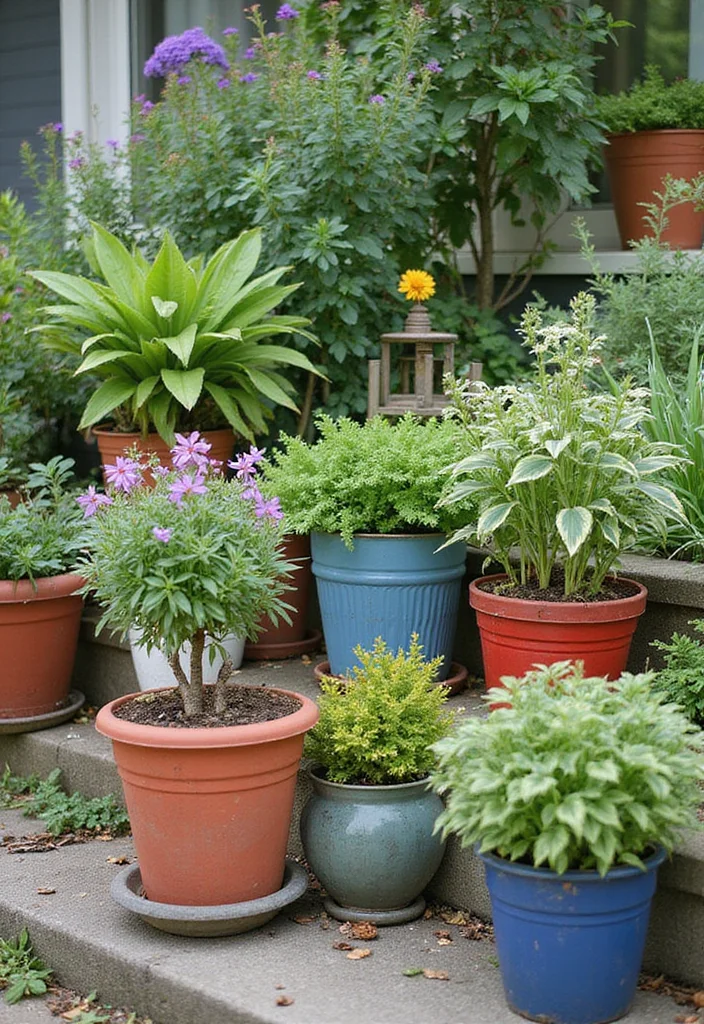
Imagine having a kitchen garden that moves with you! Container gardening is perfect for small spaces, allowing you to grow fresh herbs and vegetables. You can use recycled buckets for a rustic look or hanging planters for herbs like thyme. This trend is great for urban gardeners wanting to maximize their space. Mix different containers to create a lively kitchen garden layout. Even a small balcony can become a vibrant space for growing food. This approach encourages creativity and makes gardening accessible. Plus, you can easily rearrange your setup as needed. • Use recycled buckets for a rustic touch
• Hang planters for herbs like rosemary
• Create vertical gardens for climbing plants
• Mix containers for a mobile garden layout
With these ideas, you can enjoy fresh produce anywhere you go!
7. Vertical Garden Beauties
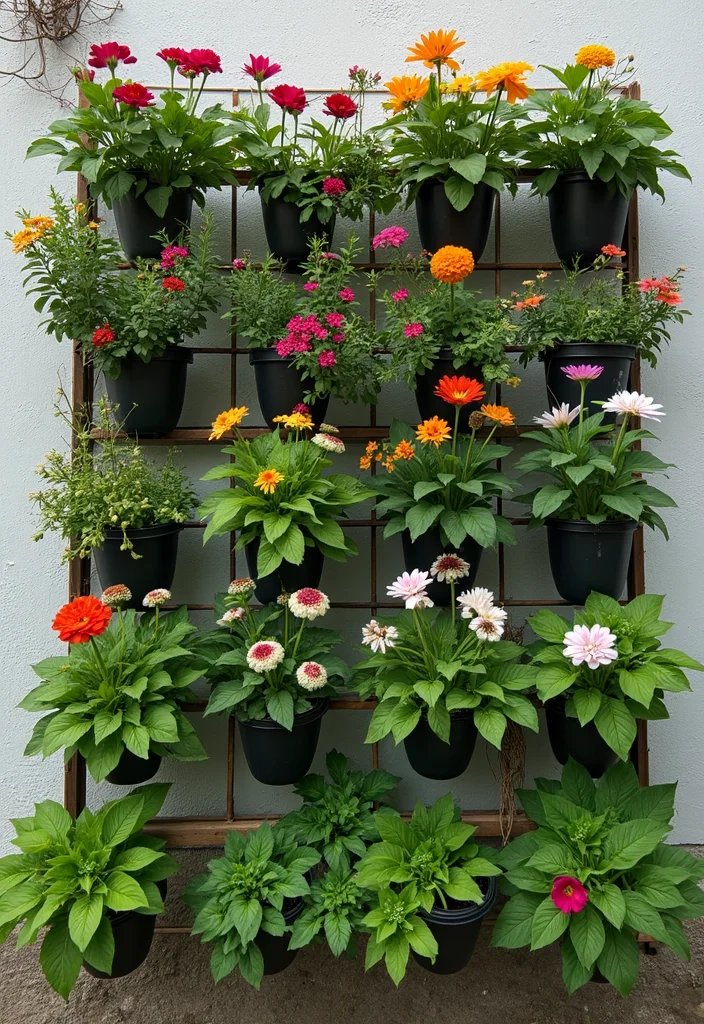
Vertical gardening is a smart solution for small spaces. It lets you grow plants upward on walls and fences, saving ground space. Using trellises and wall planters adds beauty and function to your garden. This method is popular among city dwellers looking to maximize their gardening area. To create your vertical garden, mix flowers and herbs for an eye-catching display. This layout reduces pest issues since plants are less affected by soil-borne pests. It also makes harvesting easier and allows plants to access more sunlight. • Use trellises to grow plants upward
• Mix flowers and herbs for visual interest
• Choose wall planters for easy access
• Create a living wall for beauty and function
With these tips, your vertical garden will not only be productive but also a stunning feature in your space.
8. Community Garden Collaboration
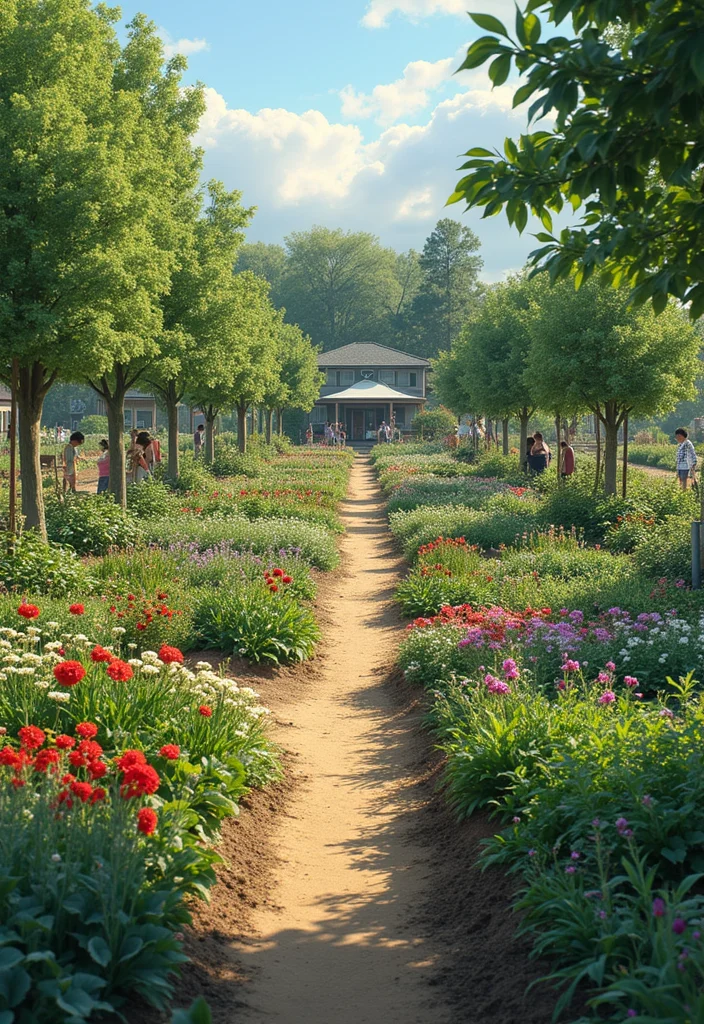
Community gardens are fantastic for bringing people together. They promote teamwork and sustainable gardening practices among neighbors. These shared spaces inspire creativity while building community spirit. Many gardeners love the sense of connection these gardens provide. When designing a community garden, consider individual plots for families and shared spaces for fruit trees or picnic areas. This encourages collaboration and friendship among participants. You’ll create a nurturing environment where everyone can enjoy gardening and share resources. • Designate individual plots for families
• Include communal areas for shared resources
• Add fruit trees for collective enjoyment
• Foster community spirit through gardening
With these ideas, your community garden will flourish, creating a space of joy and cooperation.
9. Fairy Garden Delight
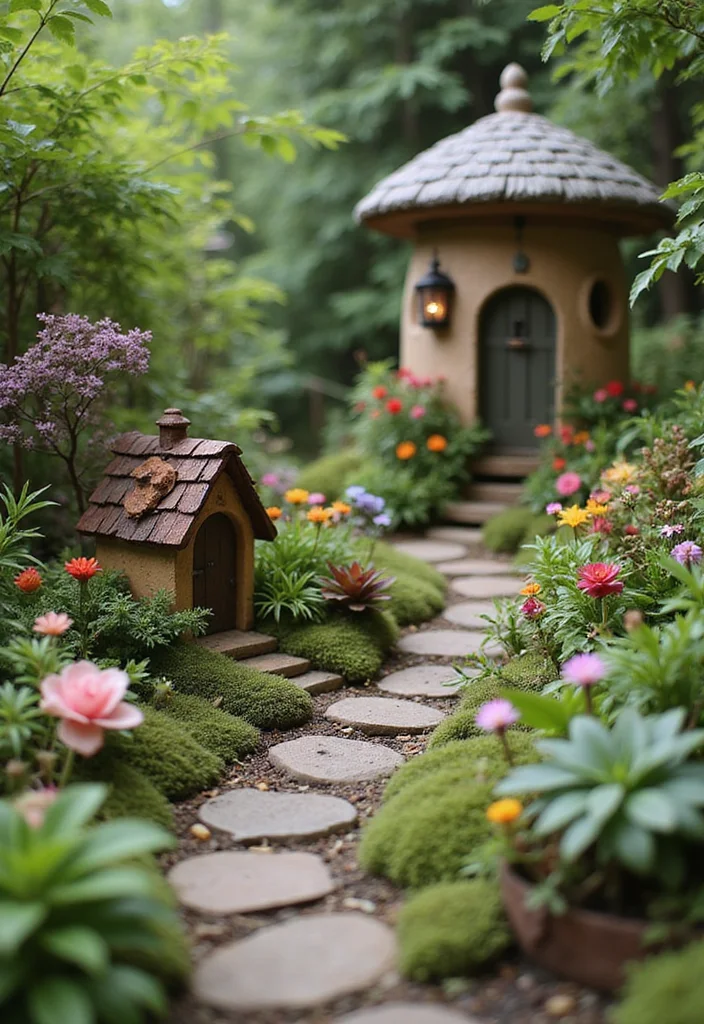
Fairy gardens are a whimsical trend that allows you to create tiny magical worlds. Using small plants and decorations, you can design enchanting landscapes that spark imagination. This creative approach is loved by both kids and adults alike. To create your fairy garden, start by selecting a container or a spot in your yard. Choose tiny plants like sedums for a lush look. Adding miniature decorations like fairies and tiny houses makes the garden charming. This fun layout can be placed indoors or outdoors and serves as a delightful focal point. • Select a container or area for your garden
• Choose tiny plants for lush greenery
• Add miniature decorations for charm
• Create pathways to enhance the design
With these steps, your fairy garden will inspire playful joy and creativity.
10. Edible Flower Garden
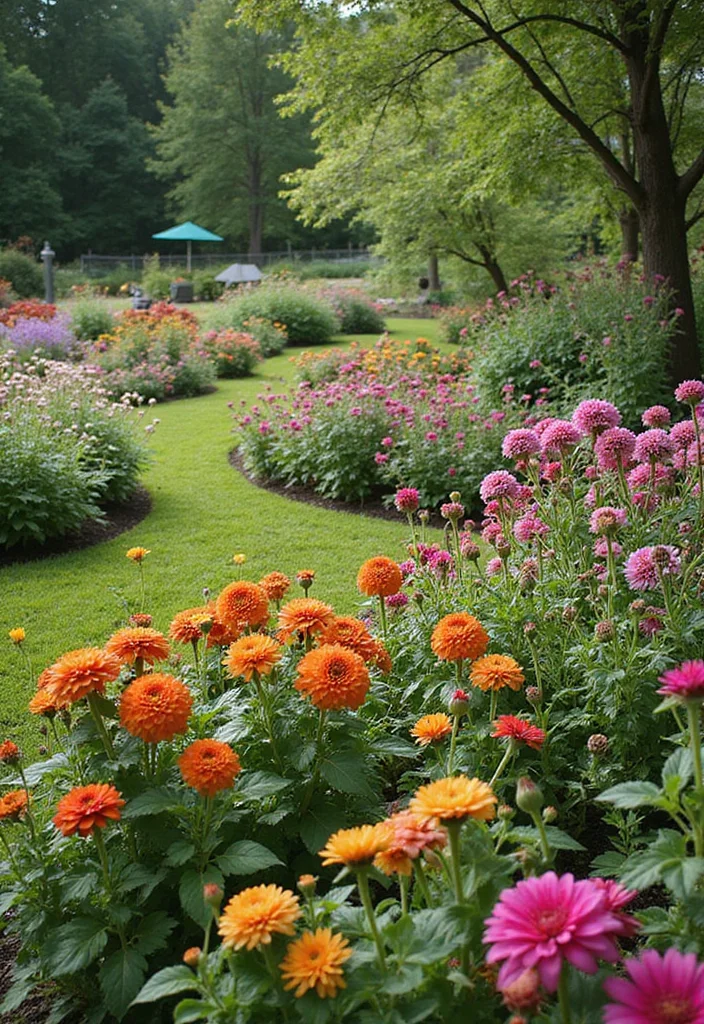
Edible flowers bring beauty and flavor to your meals. Consider adding a special area in your garden for these colorful blooms. Using flowers like nasturtiums and pansies not only enhances your garden’s look but also your dishes. This trend captures the attention of gardeners looking to spice up their cooking. Planting edible flowers among your vegetables creates a vibrant and functional space. They can be used for garnishing salads or desserts, adding elegance to your meals. Mixing these flowers with herbs maximizes visual appeal and flavor. • Plant edible flowers like nasturtiums
• Cluster them with vegetables for beauty
• Use them for garnishing dishes
• Mix with herbs to enhance flavor
This layout will make your garden a delightful feast for the eyes and the palate.
11. Wildlife-Friendly Garden
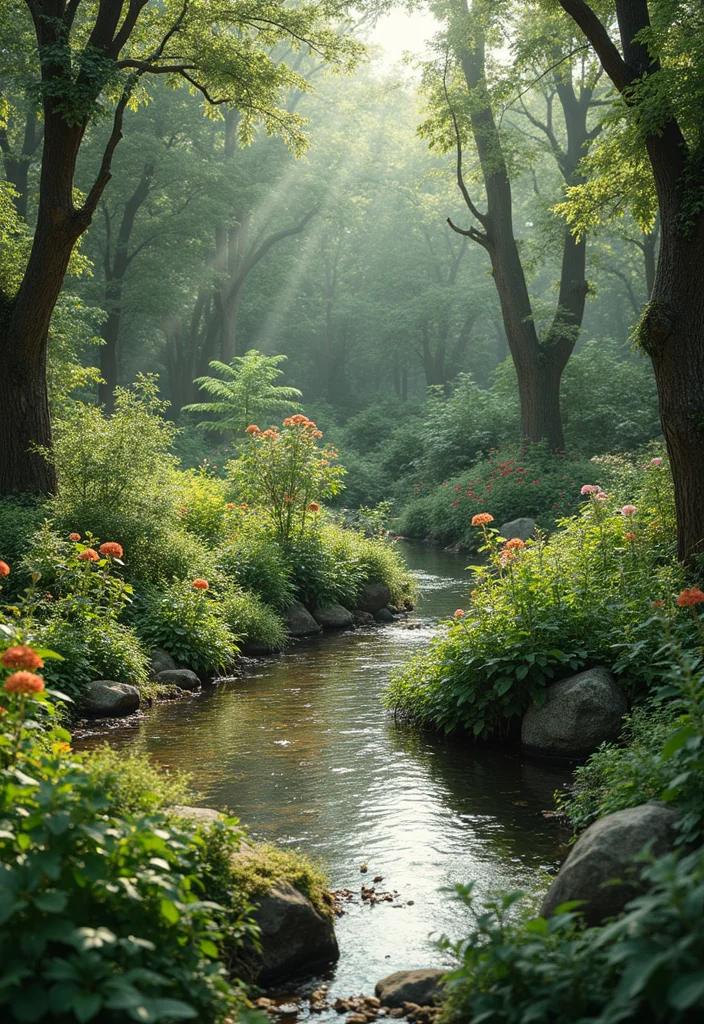
Creating a wildlife-friendly garden helps support biodiversity. By planting native species, you attract local birds, butterflies, and beneficial insects. This creates a healthy ecosystem right in your backyard. Gardeners are increasingly focusing on these natural approaches to gardening. To design your wildlife garden, include a variety of flowering plants that bloom at different seasons. Adding a small pond or water source can attract even more wildlife. Creating natural habitats with log piles or brush piles offers shelter for animals. • Plant native species for local wildlife
• Include variety in bloom times for food
• Add a pond or water source for hydration
• Create natural habitats for shelter
With these ideas, you’ll create a garden that celebrates nature and attracts a variety of wildlife.
12. DIY Composting Corner
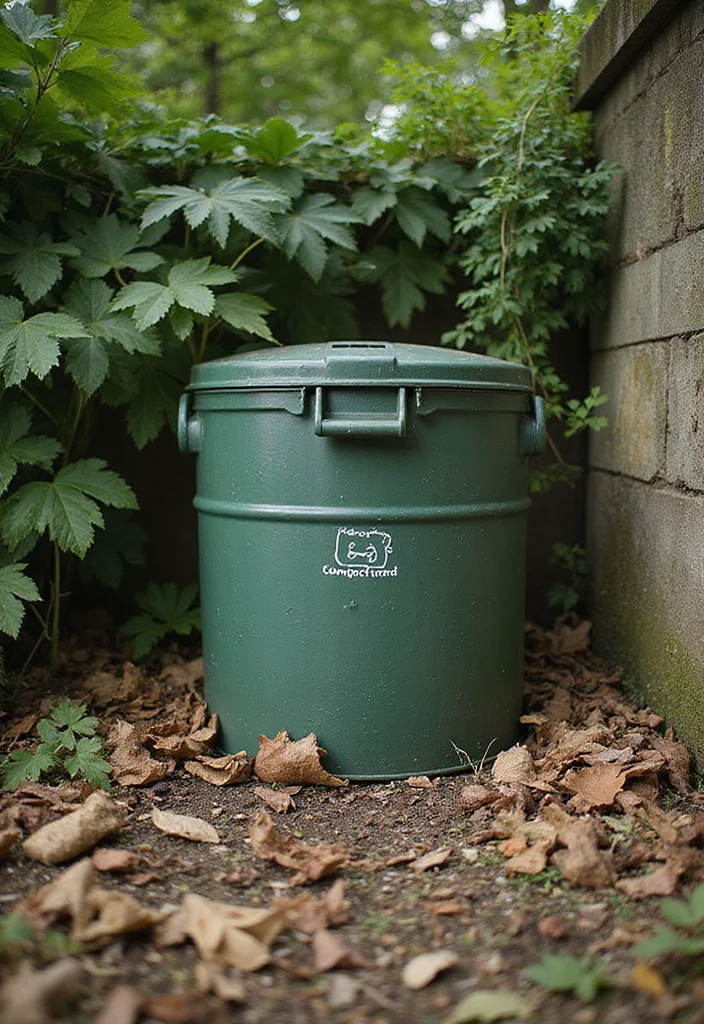
Setting up a composting corner is a great way to reduce waste and enrich your garden soil. It’s a fun DIY project that helps your plants thrive. This eco-friendly approach is gaining popularity among gardeners who want to be sustainable. To create your compost bin, choose a spot in your garden that’s not in direct sunlight. Mix green materials like fruit scraps with brown materials like dry leaves for balance. Remember to turn the compost regularly to aerate it. This corner not only improves soil health but also gives you a sense of accomplishment as you recycle waste. • Choose a shady spot for your compost bin
• Mix green and brown materials for balance
• Turn the compost regularly for aeration
• Use compost to enrich garden soil
With these steps, your composting corner will boost your garden’s health and sustainability.
13. Zen Garden Retreat

A zen garden is a serene place to relax and unwind. These gardens focus on simplicity, creating a peaceful atmosphere in your outdoor space. Many people enjoy this calming design, which encourages mindfulness. To create your zen garden, consider including sand or gravel for raking patterns that symbolize water. Adding rocks offers balance and structure, representing mountains. Choose simple plants like moss for a touch of greenery. This layout provides a lovely retreat for meditation or simply enjoying nature. • Use sand or gravel to create patterns
• Add rocks for structure and balance
• Select simple plants for greenery
• Design a space for meditation and relaxation
With these elements, your zen garden will be a tranquil haven in your backyard.
14. Kids’ Adventure Garden
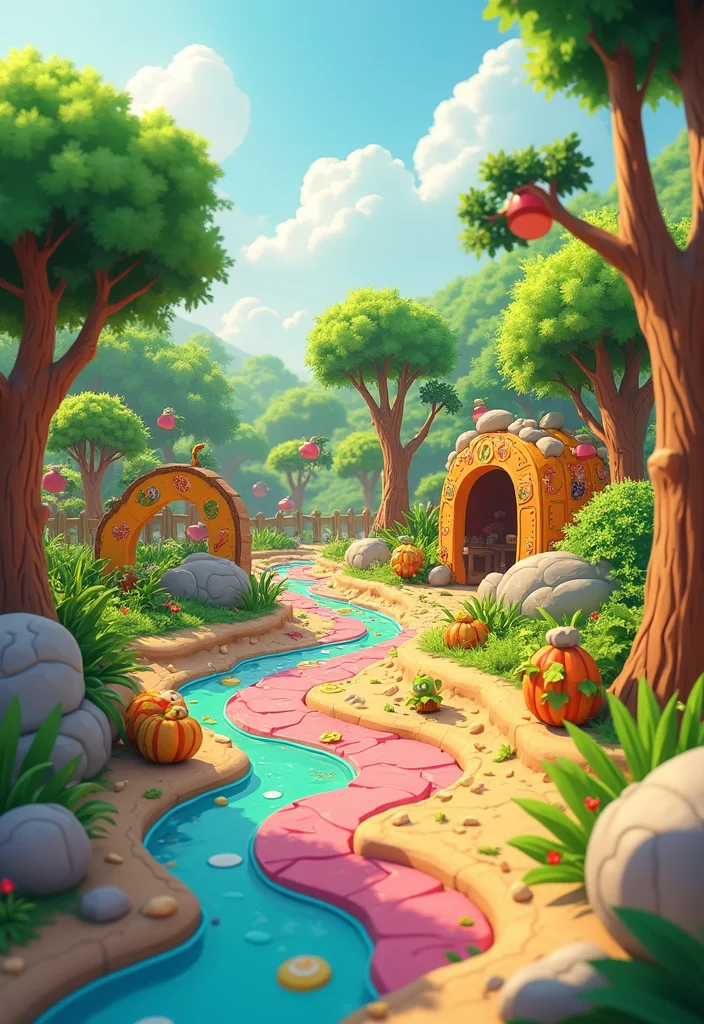
Gardening can be a fun family activity, especially with a kids’ adventure garden! This layout engages young minds with playful elements. Think of digging areas, paths for exploration, and themed sections to inspire their imaginations. You can create scavenger hunts for kids to find specific plants or bugs. Mini-garden tools can help them feel involved in the gardening process. Adding snackable plants like cherry tomatoes makes it even more exciting. This setup fosters a love for nature while teaching responsibility and care for plants. • Create a scavenger hunt for kids
• Use mini-garden tools for hands-on learning
• Set up a space for growing snackable plants
• Encourage imaginative play through themed areas
This adventure garden will make gardening a fun and educational experience for the whole family.
15. Mediterranean Garden Vibes
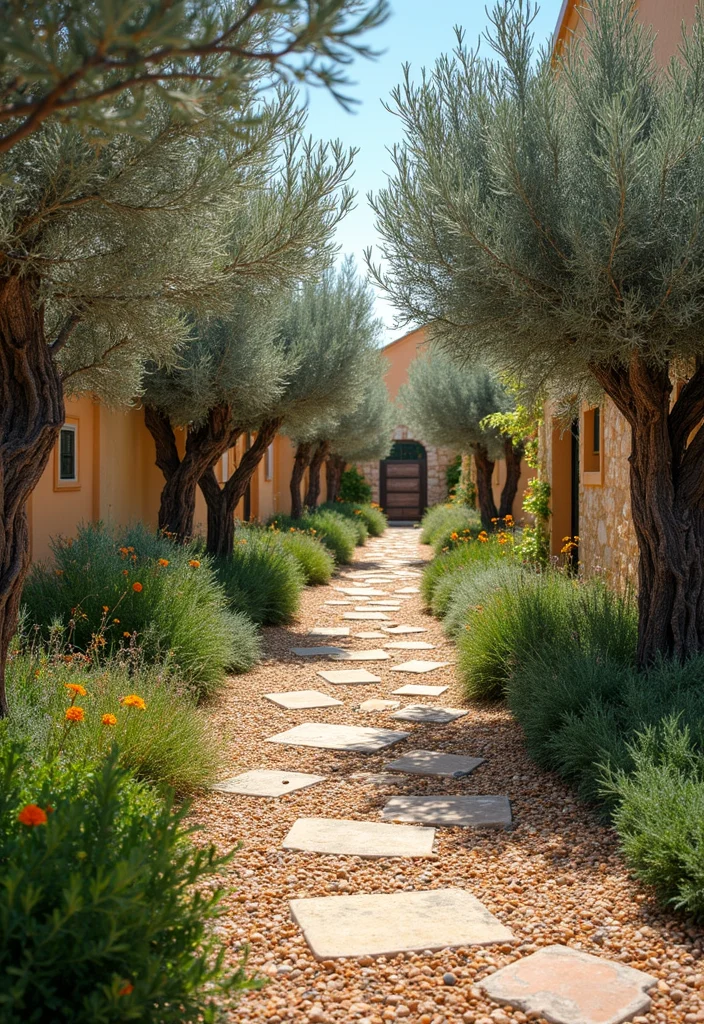
Bring a warm, sunny feel to your garden with a Mediterranean design! This style thrives on drought-resistant plants, making it low-maintenance. Consider using plants like olive trees and rosemary to create a lush atmosphere. Many gardeners love this appealing and practical approach. To enhance the theme, use terracotta pots and stones for decoration. Gravel paths can connect different areas, adding charm. Mixing edible herbs with ornamental plants ensures both beauty and function. This setup not only transforms your garden into a sunny escape but also promotes sustainable practices. • Use terracotta pots for a Mediterranean touch
• Incorporate gravel paths for connection
• Mix edible herbs with ornamental plants
• Create a lush atmosphere for relaxation
With these tips, your Mediterranean garden will shine with beauty and practicality.
16. Farm-to-Table Garden
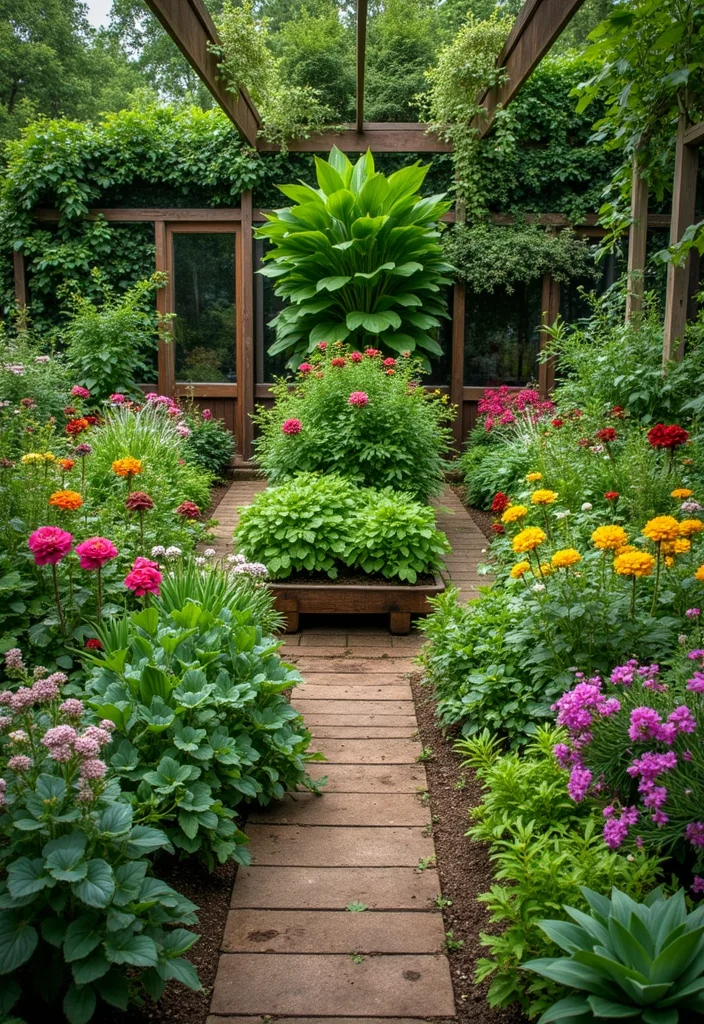
The farm-to-table movement centers on growing your own food for the freshest flavors. Designing a garden layout that prioritizes productivity helps you enjoy delicious meals. Consider sections for herbs, veggies, and flowers to create a practical space. This approach resonates with many gardeners looking for sustainability. Utilizing a rotational planting method keeps the soil healthy and productive. Adding trellises for climbing vegetables allows you to maximize vertical space. This layout creates an easy-to-navigate garden while ensuring you have fresh ingredients right at your fingertips. • Create sections for herbs, vegetables, and flowers
• Use rotational planting for soil health
• Add trellises for vertical gardening
• Design for easy navigation in your garden
With these elements, your farm-to-table garden will thrive, bringing fresh flavors to your meals.
17. Seasonal Succession Gardening
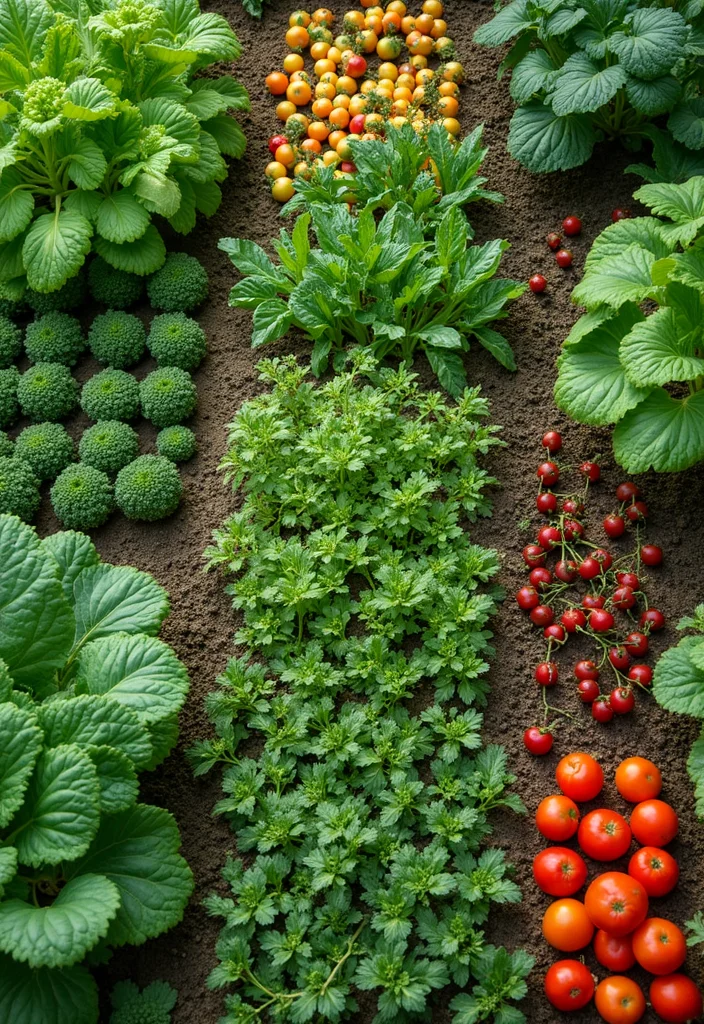
Maximize your harvest with seasonal succession gardening, allowing you to grow different crops year-round. This layout keeps your garden productive and fresh throughout the seasons. Many gardeners are adopting this method to enjoy continuous yields. To plan, start with early crops like lettuce in spring. Follow up with mid-season plants like tomatoes and peppers. Transition to late-season vegetables such as kale and squash for a diverse harvest. This thoughtful planning ensures you can enjoy a bountiful garden all year. • Start with early crops in spring
• Follow with mid-season vegetables for variety
• Transition to late-season crops for extended yield
• Plan carefully for continuity in harvests
With these strategies, you can have a thriving garden that changes beautifully with the seasons.
18. Rustic Farm Fencing
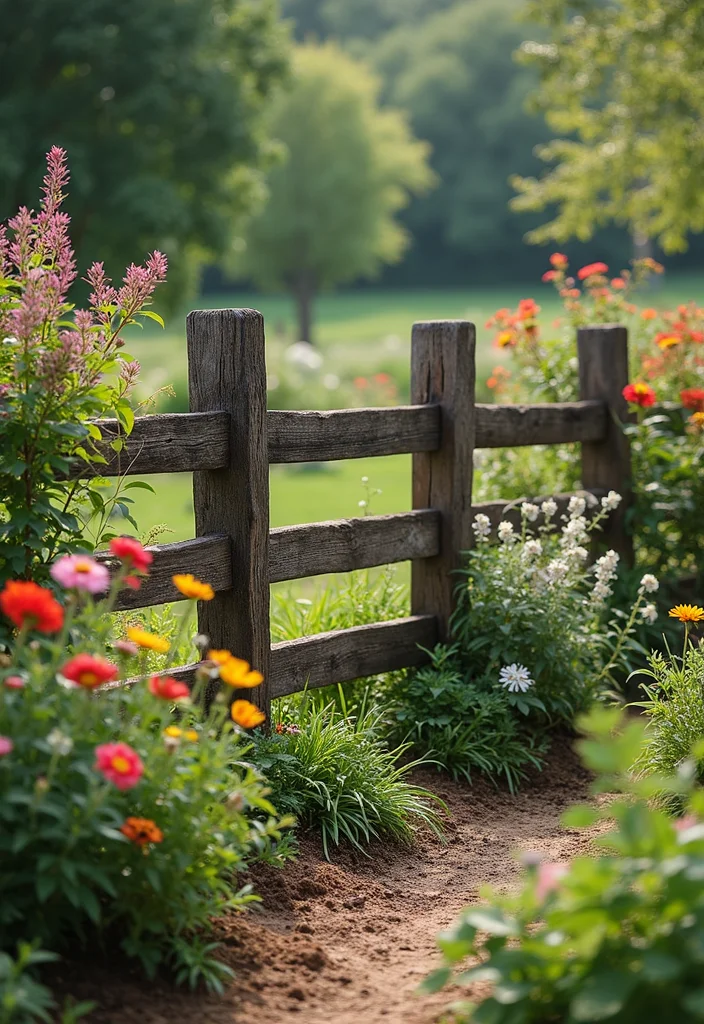
Add charm to your garden with rustic farm fencing! This creative touch not only defines your space but also enhances its visual appeal. Using reclaimed wood or wire fencing gives your garden a cozy feel while protecting your plants. This trend resonates with those looking to add character to their outdoor areas. Consider constructing a picket fence around flower beds for a classic look. Wire fences can support climbing plants, blending function with aesthetics. Incorporate artistic gates to serve as focal points in your garden. This rustic fencing will add personality while making your garden feel welcoming. • Build a picket fence around flower beds
• Use wire fencing for climbing plants
• Add artistic gates for visual interest
• Define your garden with rustic charm
With these ideas, your garden will shine with rustic character and warmth.
19. DIY Rain Garden
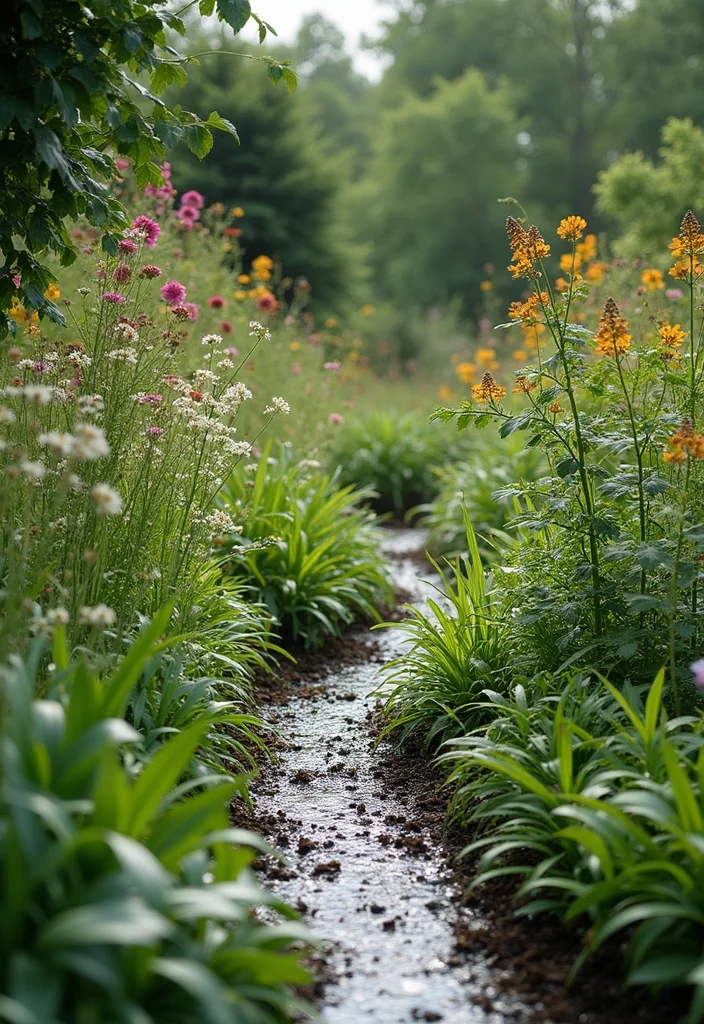
A rain garden is a beautiful way to manage stormwater and support local wildlife. This design captures runoff from your property, promoting water conservation and creating a unique ecosystem. Many gardeners appreciate this eco-friendly option that enhances their landscape. To create your rain garden, choose a low area in your yard for natural water collection. Select native plants that thrive in wet conditions for sustainability. Design a diverse planting layout to attract birds and beneficial insects. This garden will not only be a stunning feature but also a habitat for wildlife. • Choose a low spot for water collection
• Use native plants for better growth
• Create a diverse layout for wildlife
• Design for both beauty and function
With these steps, your rain garden will flourish while promoting sustainability and wildlife protection.
Conclusion
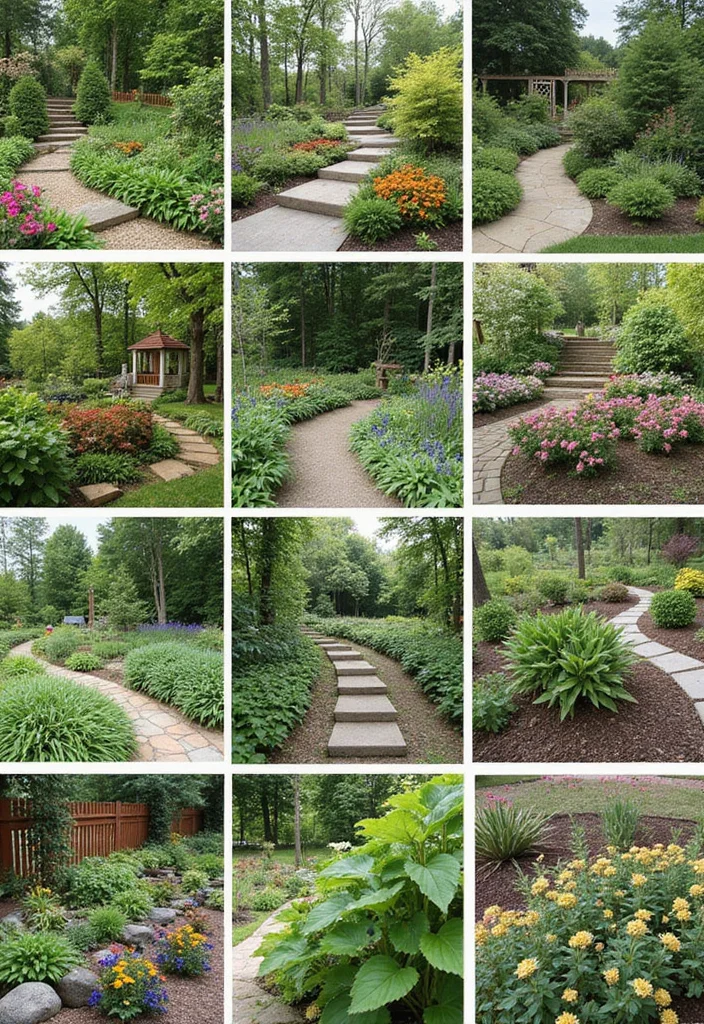
Gardening is a wonderful way to express creativity while embracing sustainability.
With these 19 fun and innovative farm-style concepts, you have the tools to transform your outdoor space into a vibrant oasis.
Whether you’re growing herbs, vegetables, or flowers, each layout design celebrates the beauty of gardening and the joy of nurturing life.
Frequently Asked Questions
What are some creative garden layouts for a sustainable farm garden design?
When it comes to sustainable farm garden design, creativity is key! You might consider layouts like a permaculture garden, where plants are arranged to support each other, or a companion planting scheme that maximizes space and yields. Another fun concept is the raised bed garden, which allows for better soil control and easier maintenance. Don’t forget to incorporate pathways for accessibility and aesthetic appeal!
How can I start DIY garden projects for my backyard farm concepts?
Getting started with DIY garden projects is easier than you think! Begin by assessing your space and choosing a theme that resonates with your vision. For backyard farm concepts, consider building vertical gardens or container gardens if space is limited. Utilize recycled materials for planters and trellises, and don’t shy away from experimenting with different layouts. Remember, it’s all about having fun while creating your sustainable gardening ideas!
What are some sustainable gardening ideas for beginners?
If you’re new to gardening, some fantastic sustainable gardening ideas include starting with native plants that require less water and maintenance. You might also want to practice organic gardening techniques, like using compost instead of chemical fertilizers. Another beginner-friendly idea is to create a kitchen garden where you grow your own herbs and vegetables, promoting both sustainability and delicious home-cooked meals!
How can creative garden layouts enhance my gardening experience?
Creative garden layouts can truly transform your gardening experience! They not only maximize available space but also make your garden visually appealing and functional. For instance, implementing a thematic garden can provide a unique atmosphere, while a kitchen garden layout can make it easy to access fresh produce. Engaging layouts also encourage exploration and enjoyment, turning gardening into a delightful hobby rather than a chore!
What are the benefits of incorporating edible landscaping into my garden design?
Incorporating edible landscaping into your garden design offers numerous benefits! Not only do you get to enjoy beautiful plants, but you also grow your own food right in your backyard. This approach promotes sustainability by reducing the need for store-bought produce, which often comes with packaging and transportation costs. Plus, edible plants can enhance biodiversity in your garden, creating a more vibrant ecosystem. It’s a win-win for both you and the environment!