

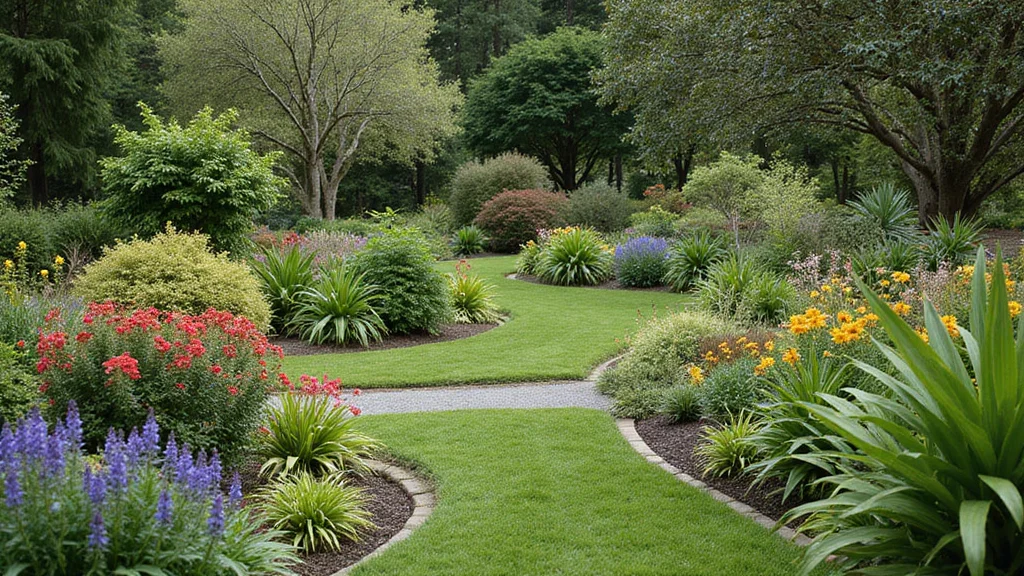
If you’ve ever wandered through a lush New Zealand bush and felt a pull to bring that beauty home, you’re not alone. I created this guide because I believe that a native garden can connect us to our stunning landscapes while nurturing our environment. It’s not just about pretty plants; it’s about creating spaces that reflect the essence of New Zealand, its culture, and its biodiversity.
This post is for anyone who loves gardening, whether you’re a seasoned green thumb or just starting out. If you want to embrace sustainable gardening practices and are eager to learn about native plants, this guide will resonate with you. It’s especially perfect for those who appreciate the unique flora of New Zealand and are interested in making their outdoor spaces more eco-friendly.
In this article, you’ll discover 17 indigenous-inspired concepts that can help you create a truly special native garden. Each idea showcases the beauty and resilience of New Zealand’s native plants while supporting local wildlife and ecosystems. From the iconic flax plant to the vibrant kōwhai, these concepts are not only visually appealing but also easy to implement.
Let’s celebrate the natural beauty of New Zealand together. Through thoughtful landscape design, you can cultivate a garden that enhances your outdoor space and pays homage to the rich heritage of indigenous gardening. With these ideas, you’ll be well on your way to creating a stunning, sustainable garden that both you and the local wildlife will love.
Key Takeaways
– Discover 17 unique concepts for designing a native garden that honors New Zealand’s flora.
– Learn to incorporate indigenous plants like the flax plant and kōwhai into your outdoor spaces.
– Explore sustainable gardening practices that benefit both the environment and local wildlife.
– Find practical tips for creating habitats using native trees like kahikatea and rātā.
– Celebrate indigenous culture through symbolic plantings, enriching your gardening experience.
1. Embrace the Flax Plant (Phormium tenax)
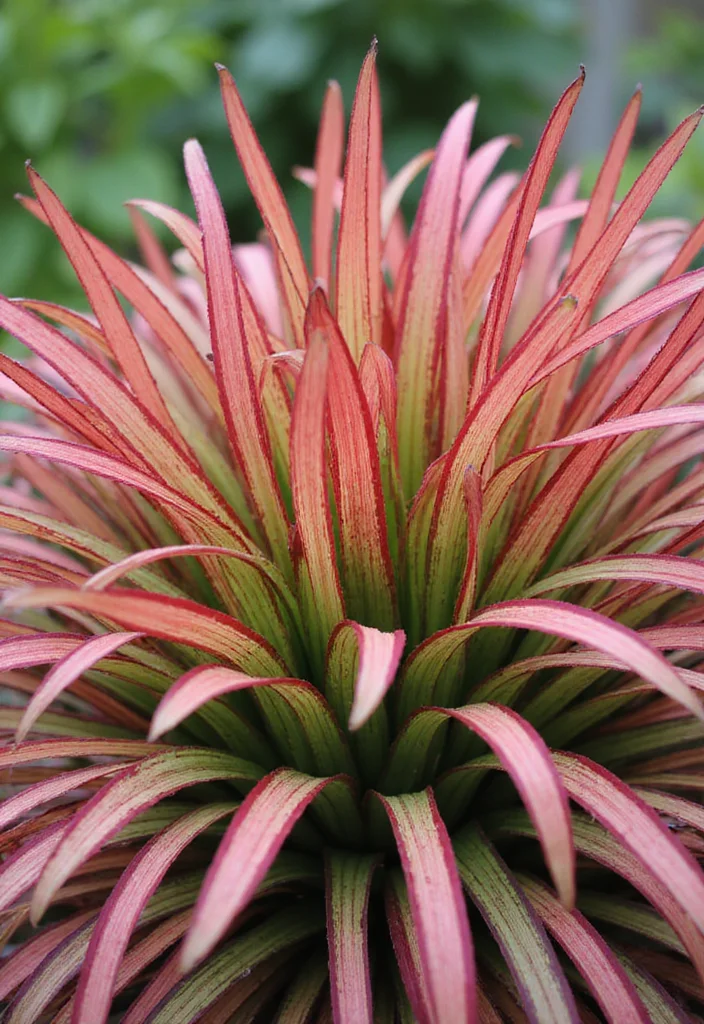
Flax plants stand out as a vibrant feature in New Zealand gardens. Their long, strap-like leaves come in various colors, such as green, gold, and bronze, providing both texture and height to your landscape. You can easily spot them in many gardens, as these hardy plants are trendy on platforms like Pinterest. Adding flax to your garden not only brings beauty but also creates a welcoming atmosphere.
To plant flax effectively, select varieties like ‘Springtime’ for bright color or ‘Gold Stripe’ for elegant contrast. They thrive in well-drained soil and can handle coastal conditions, making them versatile for different settings. Position them as eye-catching borders or use them as backdrops for flowering plants, enhancing the beauty of your space while bringing a sense of tranquility.
• Choose ‘Springtime’ or ‘Gold Stripe’ for color variety.
• Plant in well-drained soil for best results.
• Use as borders or backdrops for a layered look.
• Position them where they can catch the breeze for movement.
With these tips, you can create a stunning garden that feels both inviting and alive.
2. Create Habitats with Kahikatea Trees (Dacrycarpus dacrydioides)
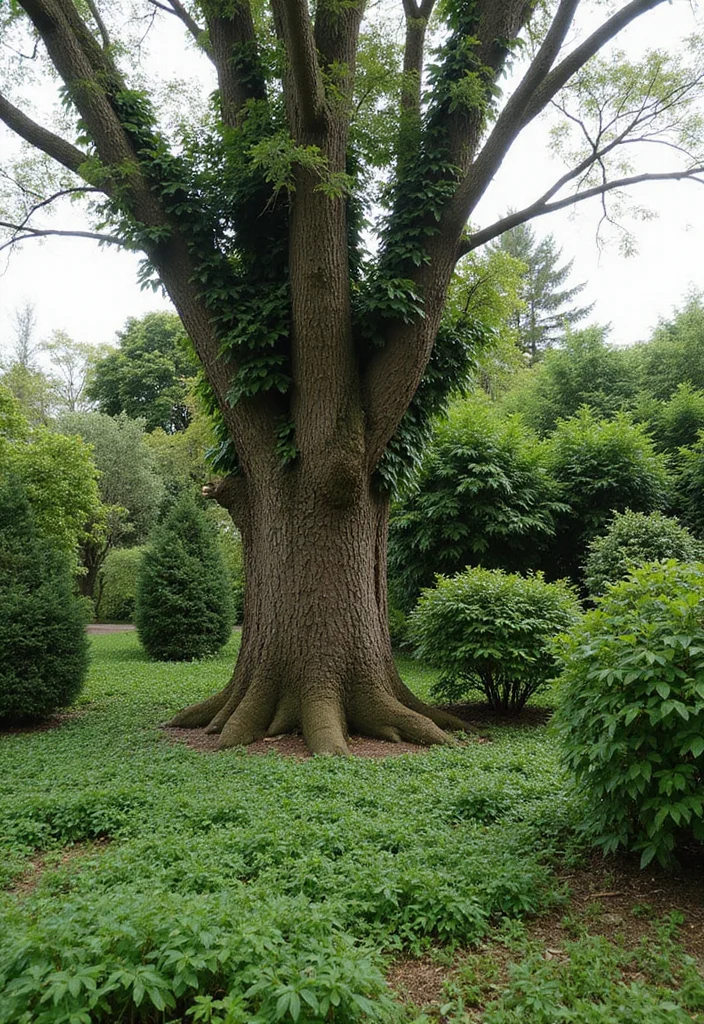
Kahikatea trees, known as white pines, are the tallest trees in New Zealand. They play a significant role in supporting wetland ecosystems and provide essential shade in your garden. Their impressive height and rapid growth create a stunning forest-like ambiance, making them a popular choice among gardeners.
When planting kahikatea, ensure you have enough space for them to grow, ideally at least 10 meters apart. They thrive in wet soils, so consider planting them in areas that occasionally flood. Position these majestic trees in the center of your landscape, layering smaller plants around them for a lush and inviting environment.
• Provide at least 10 meters of space for growth.
• Plant in areas with wet soils for best results.
• Use as a central feature surrounded by smaller natives.
• Create a natural habitat to attract birds and wildlife.
With kahikatea in your garden, you’ll enjoy a vibrant ecosystem that enhances your connection to nature.
3. Incorporate Native Ground Covers like Muehlenbeckia
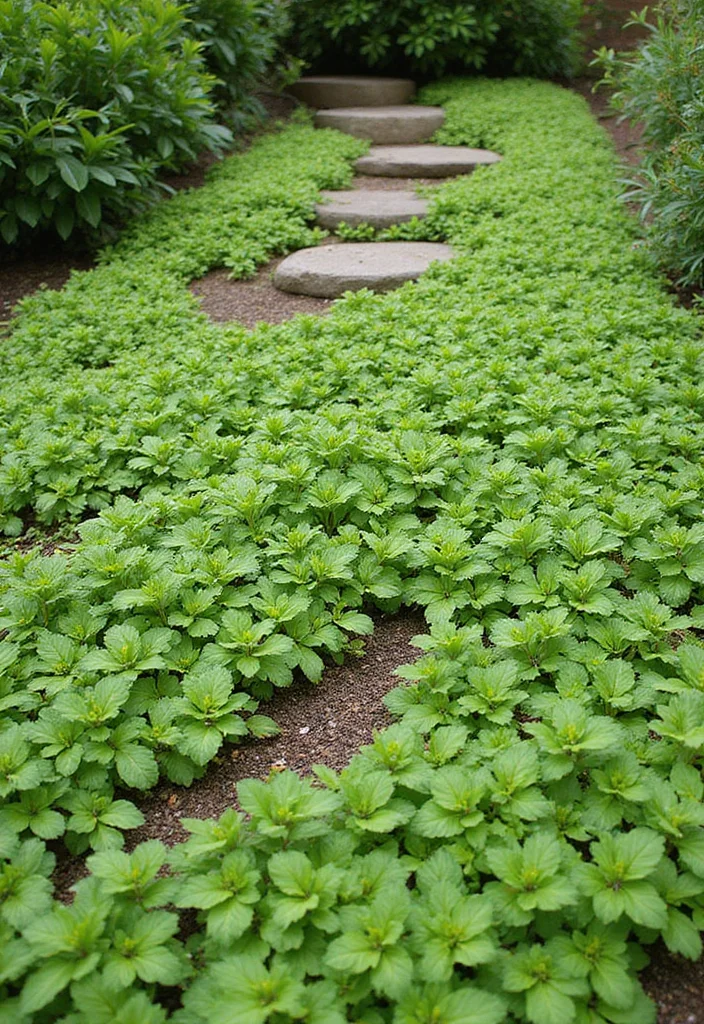
Muehlenbeckia, or wire vine, is a fantastic ground cover that can change the look of your garden. Its thick, dense foliage prevents soil erosion while providing a beautiful green carpet. This hardy plant adapts well to different conditions, making it a favorite for many gardeners.
To use muehlenbeckia effectively, plant it in areas that need coverage or fill gaps between stepping stones. It thrives in both full sun and partial shade, ensuring versatility in your garden design. Combine it with taller native plants for a stunning layered look that adds depth and interest.
• Use muehlenbeckia to cover bare areas.
• Plant between stepping stones for added charm.
• Ensure it gets full sun to partial shade.
• Mix with taller natives for a layered effect.
With muehlenbeckia, you’ll create a lush, inviting garden that feels like a natural oasis.
4. Add Blooming Beauty with the Kōwhai (Sophora microphylla)
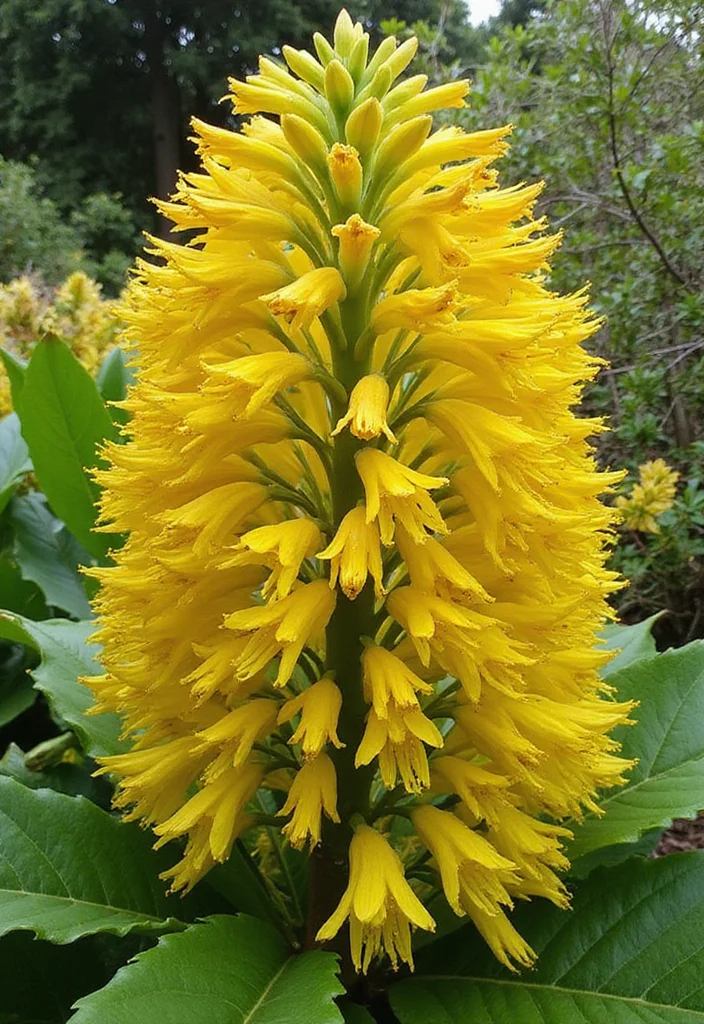
Kōwhai trees are adored for their bright yellow flowers that bloom in spring, adding vibrant color to any garden. This native tree can grow up to 10 meters tall, making it a striking focal point in your landscape. The flowers also attract native birds, bringing life and movement to your outdoor space.
To plant kōwhai, choose well-drained soil and a sunny spot for optimal growth. Be mindful to plant them away from high-traffic areas, as their roots can be sensitive. Positioning them near seating areas allows you to enjoy their beauty and the cheerful songs of visiting birds.
• Plant in well-drained soil for best growth.
• Ensure they receive full sunlight to thrive.
• Keep away from heavy foot traffic zones.
• Place near seating areas for enjoyment.
With kōwhai in your garden, you’ll create a lively atmosphere that celebrates nature’s beauty.
5. Design with Dracophyllum: The Mountain Lily
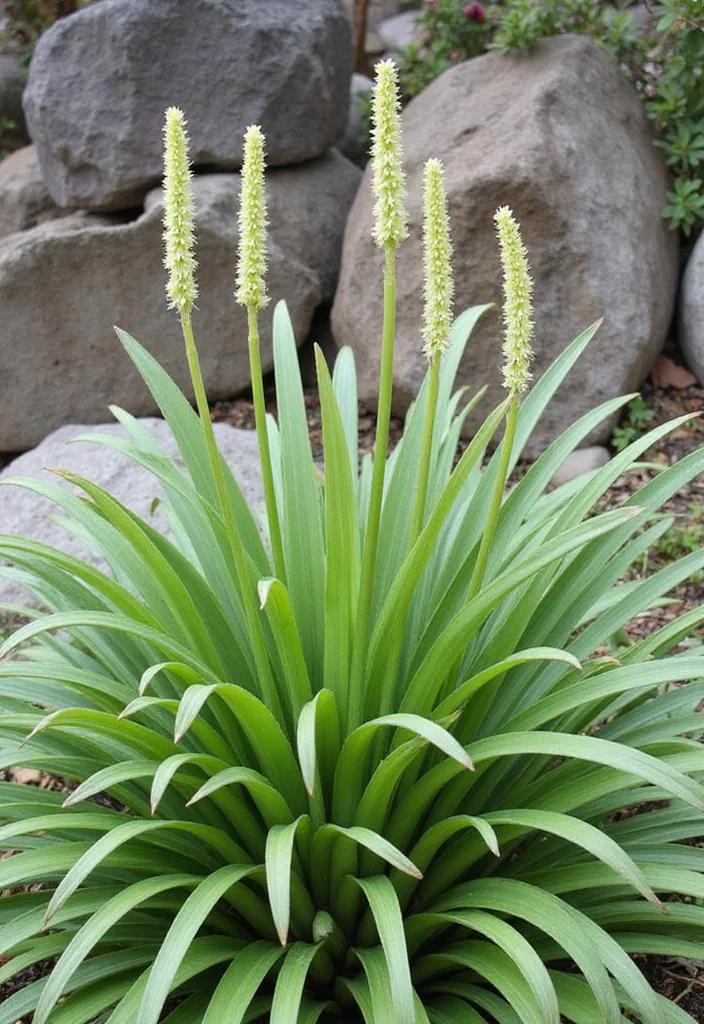
Dracophyllum, also known as the mountain lily, features stunning foliage and unique flower spikes that stand out in any garden. These plants thrive in cooler climates, making them perfect for higher elevations. Their arching leaves deliver a dramatic touch, ideal for both feature spots and mixed borders.
To plant dracophyllum, ensure they have well-draining soil and some protection from harsh winds. These plants suit rock gardens or naturalistic designs beautifully. Incorporate them with grasses and other natives for a lush, textured look that mimics New Zealand’s stunning landscapes.
• Plant in well-draining soil for best results.
• Choose locations with wind protection.
• Use in rock gardens for natural appeal.
• Combine with grasses and other natives for texture.
With dracophyllum, your garden will showcase the unique beauty of New Zealand’s flora.
6. Foster Biodiversity with Rātā (Metrosideros spp.)
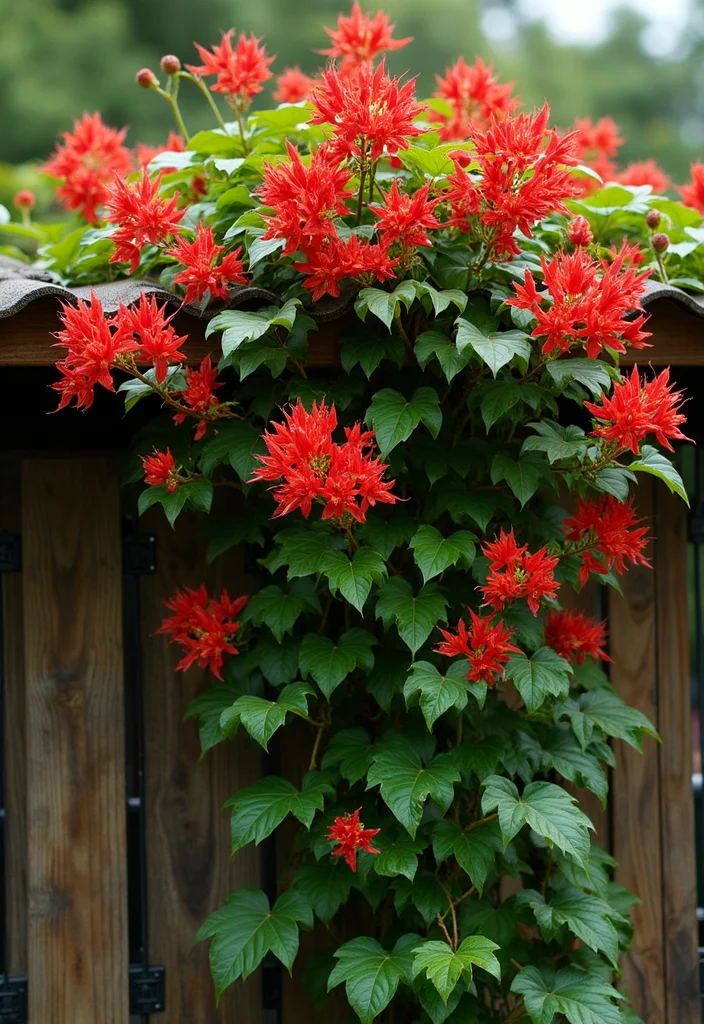
Rātā is a stunning native vine or tree, depending on the species, known for its bright red flowers. These flowers not only create a beautiful display but also provide nourishment for native birds and insects. Adding rātā to your garden helps foster a rich biodiversity that benefits the entire ecosystem.
When planting rātā, consider that some species are climbers. Train them to grow up structures or along fences for added height. They thrive in well-drained soils and prefer full sun. Use rātā in trellis designs to create a vertical garden that brings life to walls and fences.
• Train climbing rātā on structures for height.
• Plant in well-drained soils for best growth.
• Position in full sun for optimal health.
• Use in trellis designs for added interest.
Incorporating rātā enhances your garden’s beauty while supporting local wildlife.
7. Capture Textures with Totara (Podocarpus totara)
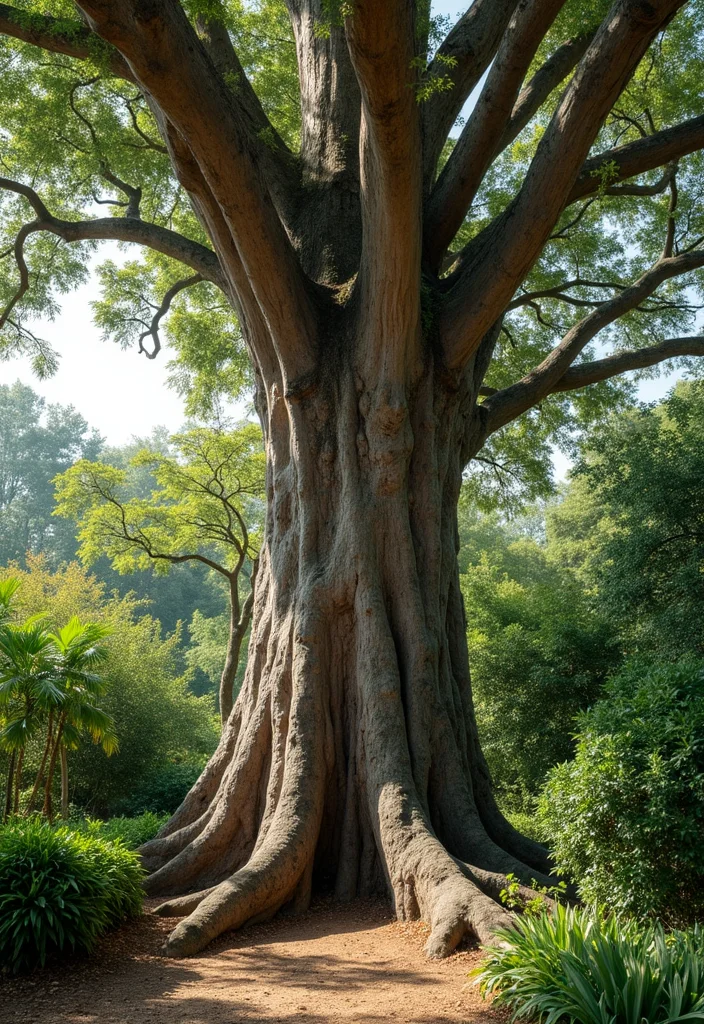
Totara trees are iconic in New Zealand, known for their impressive size and unique, textured bark. These majestic trees provide fantastic shade and create habitats for wildlife, making them a wonderful addition to any garden. Their longevity ensures they are a great investment for future generations.
For planting totara, choose well-drained, fertile soils that can tolerate coastal conditions. Space them properly, as they can grow large over time. Use totara along pathways or as part of a natural boundary to add depth and height to your landscape.
• Select well-drained, fertile soils for growth.
• Space appropriately for large growth.
• Incorporate along pathways for visual depth.
• Use as a natural boundary for structure.
With totara in your garden, you’ll create an inviting space filled with character and charm.
8. Delight the Senses with the Pohutukawa (Metrosideros excelsa)
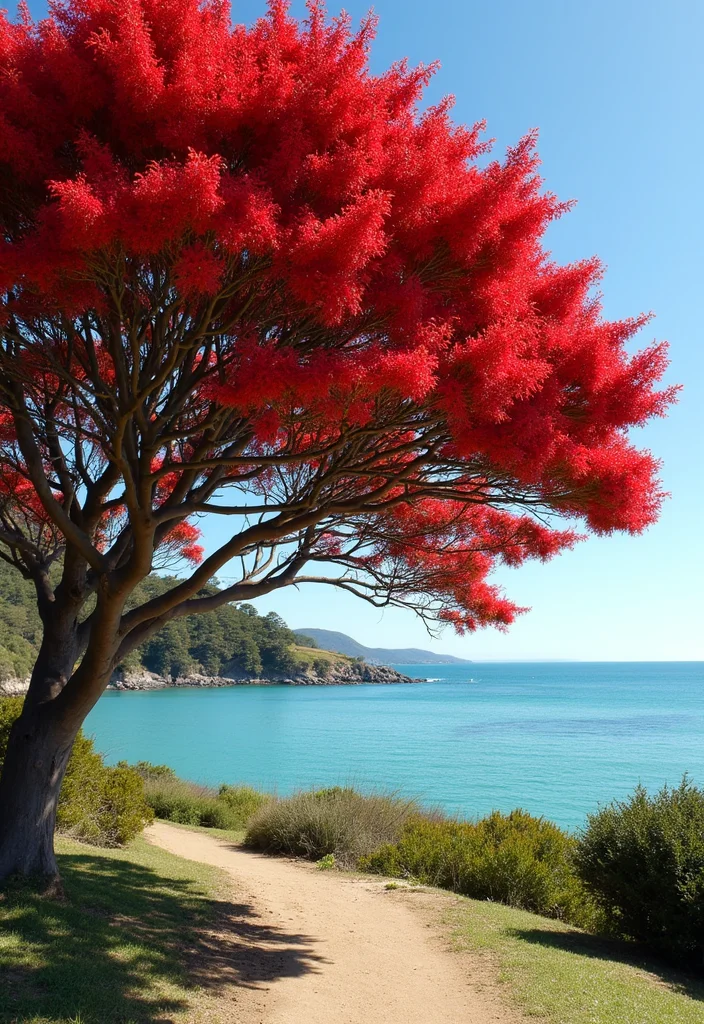
Pohutukawa, often called the New Zealand Christmas tree, captivates with its bright red flowers that bloom from December to January. This tree offers a spectacular display during the holiday season, adding a festive touch to your garden. Its dense foliage provides privacy and shade, making it both functional and beautiful.
When planting pohutukawa, choose coastal areas where they thrive best, along with well-drained soil and full sun. They need plenty of water during their establishment phase. Position pohutukawa near patios or outdoor dining areas to create a stunning backdrop for summer gatherings.
• Plant in coastal areas for best growth.
• Ensure well-drained soil for health.
• Provide plenty of water during establishment.
• Position near patios for a beautiful view.
Pohutukawa will bring color and joy to your outdoor space, making it perfect for entertaining.
9. Ground Yourself with New Zealand Ferns
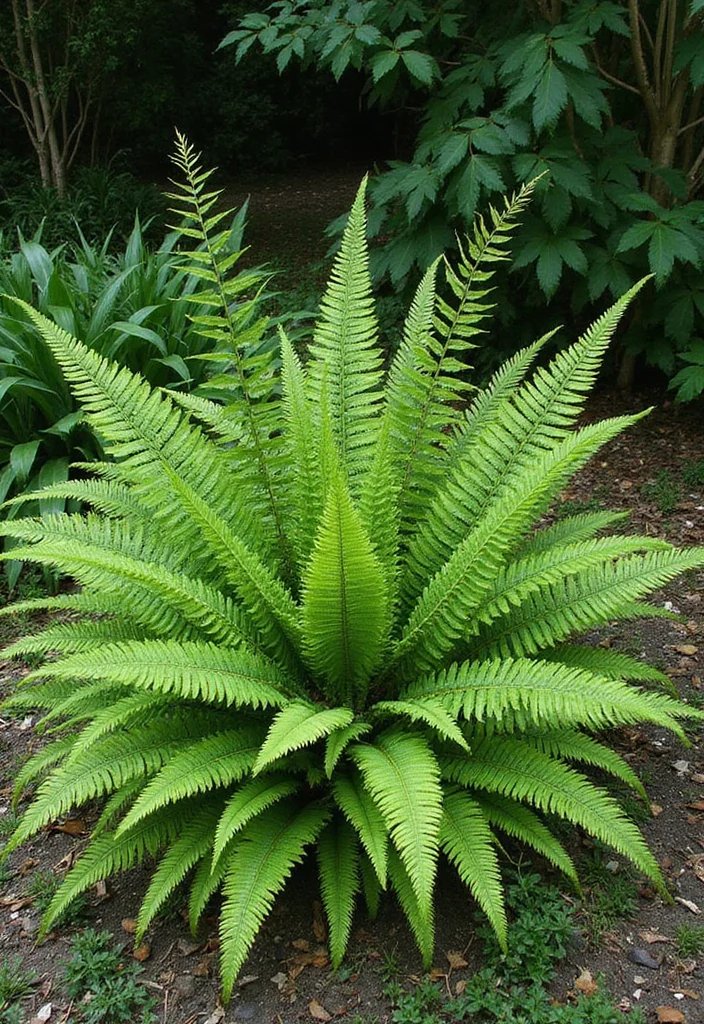
Ferns are essential to New Zealand’s natural landscape, showcasing intricate leaf patterns and lush greenery. They adapt beautifully to shady areas, making them perfect for underplanting around taller natives. Their delicate fronds sway gently in the breeze, adding movement and texture to your garden.
For planting ferns, consider native varieties like punga or kiokio. They thrive in humus-rich soil and require consistent moisture to flourish. Grouping ferns together creates a serene, woodland feel, while mixing them with flowering natives adds vibrancy to your garden.
• Select native ferns like punga or kiokio.
• Ensure humus-rich soil for growth.
• Keep soil consistently moist for health.
• Group together for a woodland feel.
With ferns, you’ll create a peaceful retreat that feels connected to nature.
10. Create Edible Spaces with Rimu Berries (Dacrydium cupressinum)
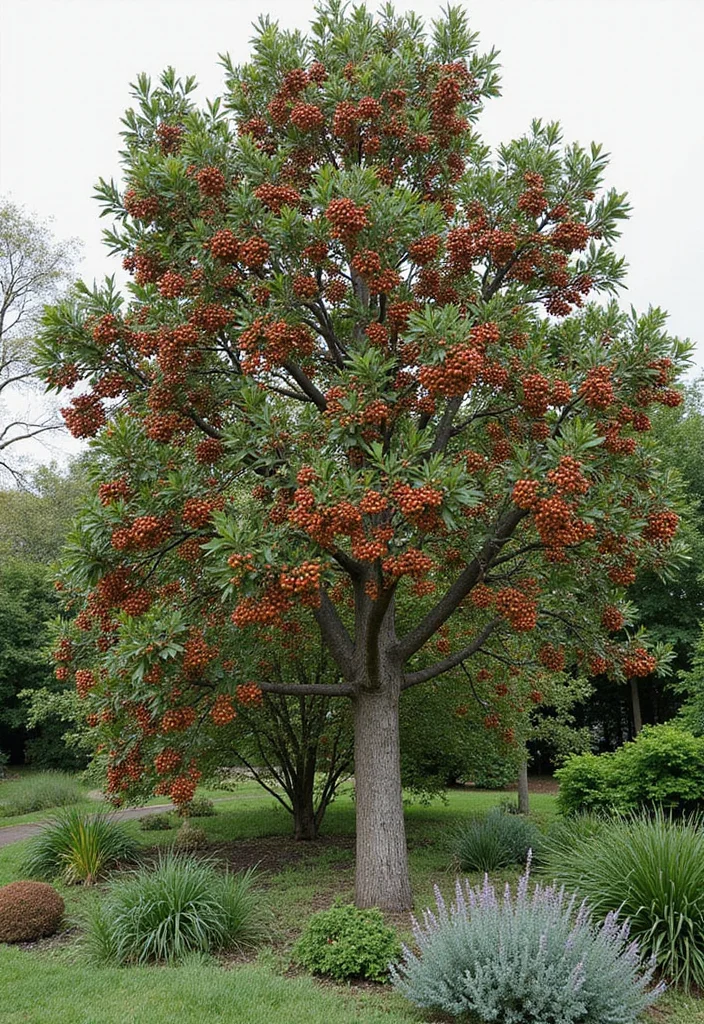
Rimu trees produce edible berries that delight both wildlife and humans. Planting rimu in your garden adds beauty and an opportunity for foraging. These trees grow slowly but can become a stunning feature in any landscape over time.
To plant rimu, ensure they have well-drained, slightly acidic soils. They thrive in dappled sunlight, which makes them ideal for woodland areas. Use rimu as a centerpiece in your edible garden or as part of a mixed native border to encourage biodiversity while providing delicious berries.
• Choose well-drained, slightly acidic soils.
• Ensure dappled sunlight for best growth.
• Use as a centerpiece in your edible garden.
• Incorporate in a mixed native border for diversity.
With rimu, you can enjoy both beauty and the joy of foraging in your garden.
11. Enhance with the Beauty of Harakeke (New Zealand Flax)
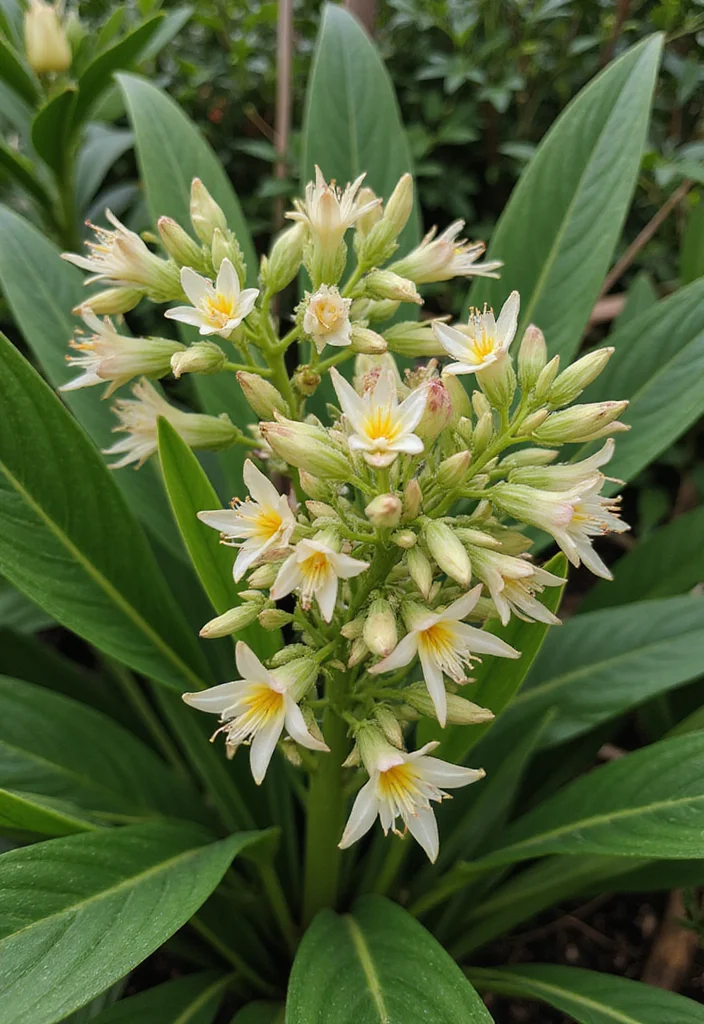
Harakeke is more than just a beautiful plant; it holds deep significance in Māori culture. This flax plant provides fibers for weaving and attracts nectar-feeding birds. Adding harakeke to your garden introduces cultural importance alongside its practical benefits.
To plant harakeke, ensure it gets plenty of sunlight and water during dry spells. It works well in streambanks or as border plants, creating a striking display. Using harakeke can enhance the beauty of your garden while honoring cultural heritage.
• Plant in a sunny spot for best growth.
• Water during dry spells to maintain health.
• Use along streambanks or as borders.
• Create a striking display with multiple plants.
With harakeke, your garden becomes a place of beauty and cultural connection.
12. Savor the Scents of the Karaka Tree (Corynocarpus laevigatus)
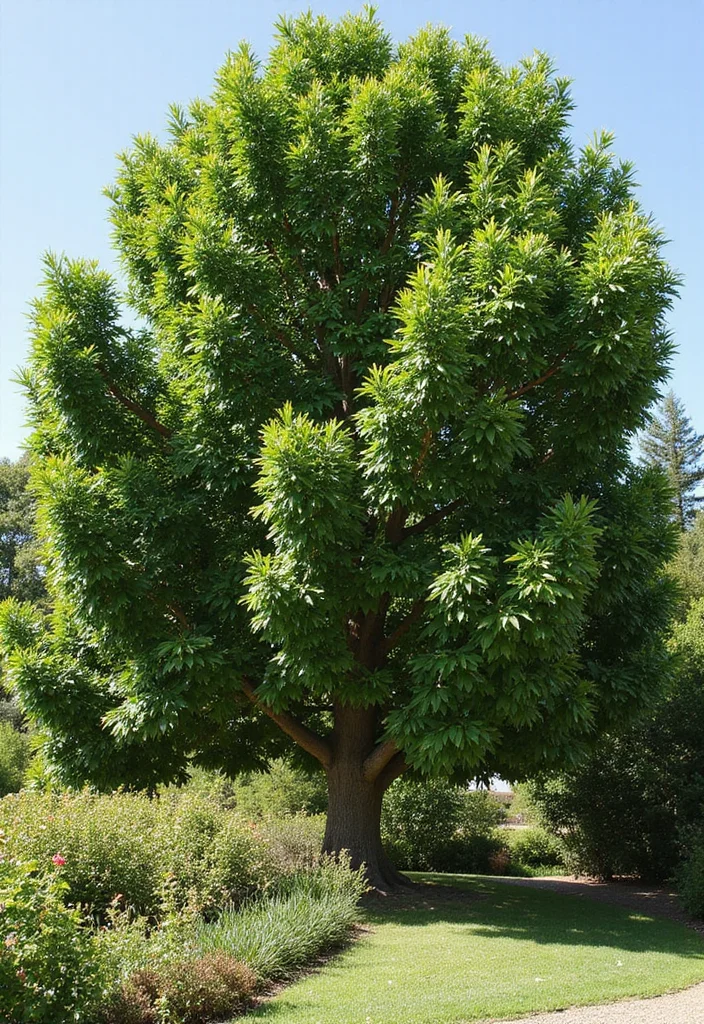
The karaka tree is loved for its glossy leaves and edible berries, which both people and wildlife enjoy. This tree adds a tropical feel to your garden and promotes biodiversity. It can grow quite large, providing excellent shade and beauty to your landscape.
When planting karaka, ensure it has well-drained soil and full sun for optimal growth. Be cautious with the seeds, as they must be processed correctly before consumption. Plant karaka as a stunning accent tree in open spaces, allowing its beauty to shine among other native plants.
• Use well-drained soil for optimal growth.
• Position in full sun for health.
• Be cautious with seeds during harvesting.
• Plant as an accent tree in open spaces.
With karaka, you’ll enjoy a tropical touch and the pleasure of edible berries in your garden.
13. Cultivate Contrast with Coprosma (Shining Bristleleaf)
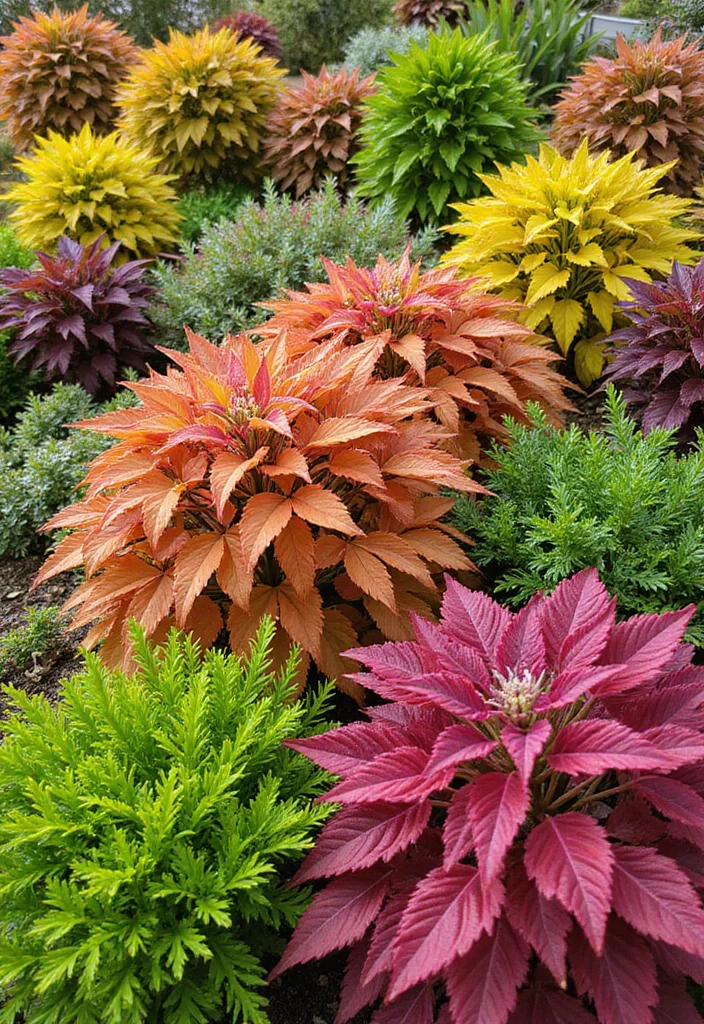
Coprosma species, known as mirror bush, are famous for their beautiful leaves that come in various colors and textures. These hardy shrubs add contrast and interest to any garden design. Their resilience makes them suitable for different conditions, making them a gardener’s favorite.
To plant coprosma, choose varieties that fit your garden’s needs. They are ideal for low-maintenance gardens and require minimal care. Use them as hedging or feature plants due to their dense growth habit, enhancing your landscape’s overall appeal.
• Choose different varieties for color contrast.
• Use as hedging for privacy.
• Select feature plants for added interest.
• Keep maintenance minimal for ease.
With coprosma, you’ll create a lively garden that captivates with its stunning visuals.
14. Foster Resilience with Native Grasses
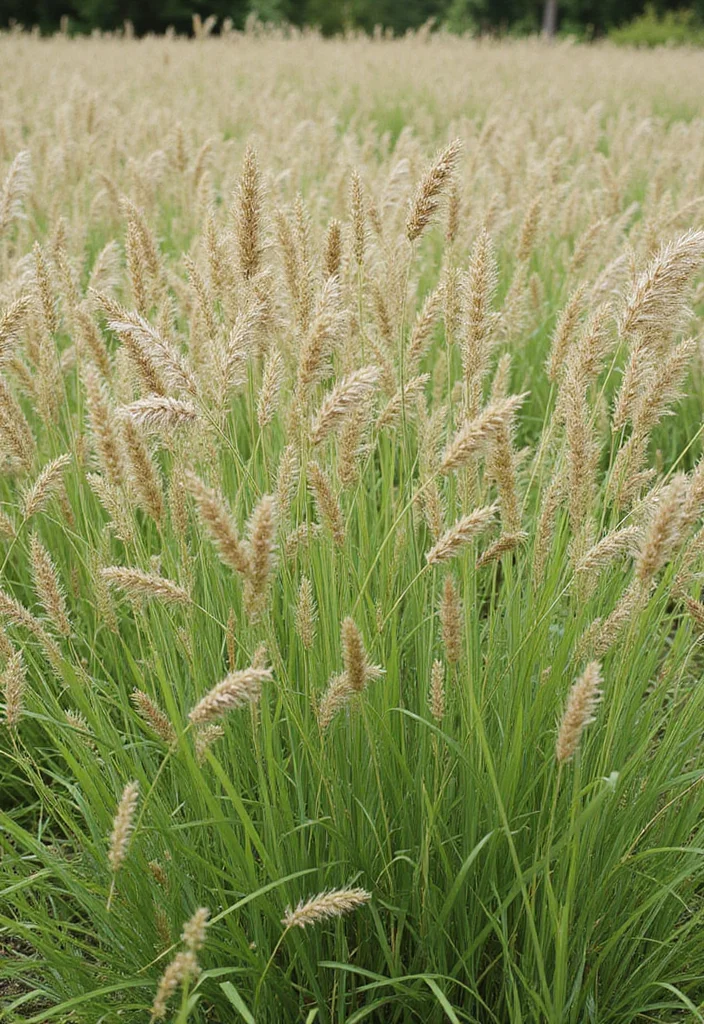
Adding native grasses to your garden design can enhance its overall look while providing ecological benefits. They create habitats for insects and birds and help stabilize the soil. Plus, their movement in the wind adds a dynamic element to your landscape.
For planting native grasses, opt for species like Carex or Cortaderia, which are both hardy and resilient. They flourish in a variety of soil types but prefer well-drained options. Use grasses in large swathes or as accents to soften hard landscaping elements, giving your garden a more natural feel.
• Select Carex or Cortaderia for hardiness.
• Ensure well-drained soil for health.
• Use in large swathes for impact.
• Create soft accents for a natural look.
With native grasses, you’ll create a beautiful, resilient garden that attracts wildlife.
15. Optimize Vertical Space with Native Climbers
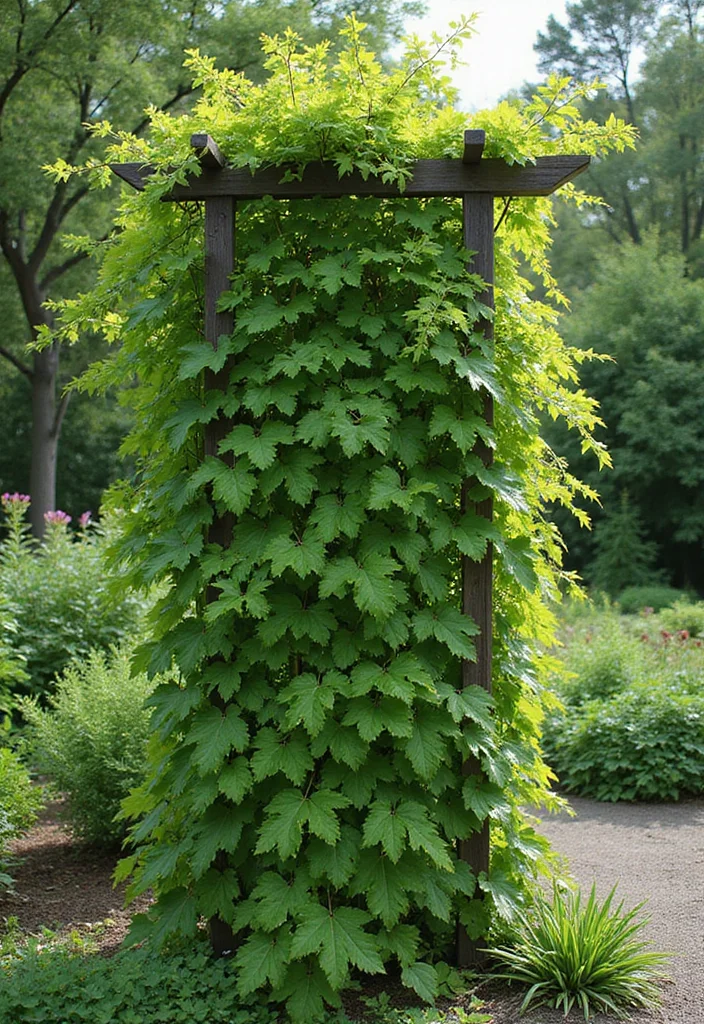
Vertical gardening offers a smart way to utilize limited space in your garden. Native climbers like the Māori cucumber (kiekie) or various rātā species add height and drama to your landscape. These plants can cover walls, fences, or trellises, bringing a lush feel to any garden.
To plant climbers, provide sturdy support structures for them to thrive. Ensure they receive adequate sunlight and moisture to flourish. Combining climbers with lower-growing natives creates layers of interest and depth in your garden design.
• Provide sturdy support structures for climbers.
• Ensure adequate sunlight for optimal growth.
• Water regularly to maintain moisture levels.
• Mix with lower-growing natives for layers.
With native climbers, you’ll maximize your garden’s space while enhancing its beauty.
16. Maximize Space with Container Gardens

Container gardening is perfect for anyone with limited outdoor space, allowing you to bring native plants right to your doorstep. Choose from a variety of NZ natives that thrive in pots, like flax or smaller ferns, to create a mobile green space. Containers can also serve as decorative elements, adding beauty to your outdoor areas.
For successful container gardening, ensure that pots have adequate drainage holes to prevent root rot. Use quality potting mix enriched with organic material for the best results. Cluster pots of different heights and sizes to create a dynamic display on patios, balconies, or even indoors.
• Ensure pots have drainage holes to prevent rot.
• Use quality potting mix for healthy growth.
• Cluster pots of different heights for interest.
• Choose NZ natives that thrive in containers.
With container gardens, you’ll create a charming green space that’s both beautiful and practical.
17. Celebrate Indigenous Culture with Symbolic Plantings
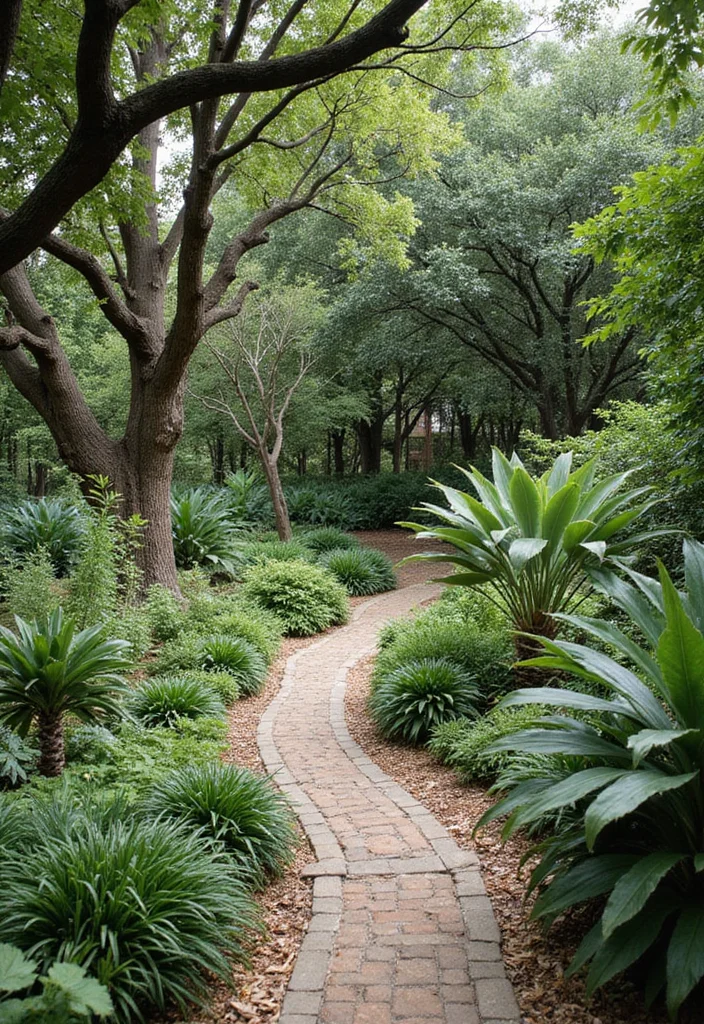
Integrating plants with cultural significance into your garden can deepen your connection to the land and its heritage. Choose species that hold meaning in Māori culture, like the harakeke or pohutukawa, to honor ancestral connections while enhancing your garden’s beauty.
To thoughtfully incorporate these plants, research their meanings and significance. You might consider planting in patterns that reflect traditional Māori practices, creating a unique garden design. Sections of your garden can represent different cultural stories, allowing visitors to experience the heritage through your landscape.
• Research the meanings of various plants to incorporate them meaningfully.
• Plant in traditional patterns for authenticity.
• Create sections that represent cultural stories.
• Share the stories behind plants with visitors for enrichment.
With symbolic plantings, you’ll create a garden that celebrates heritage and invites connection.
Conclusion
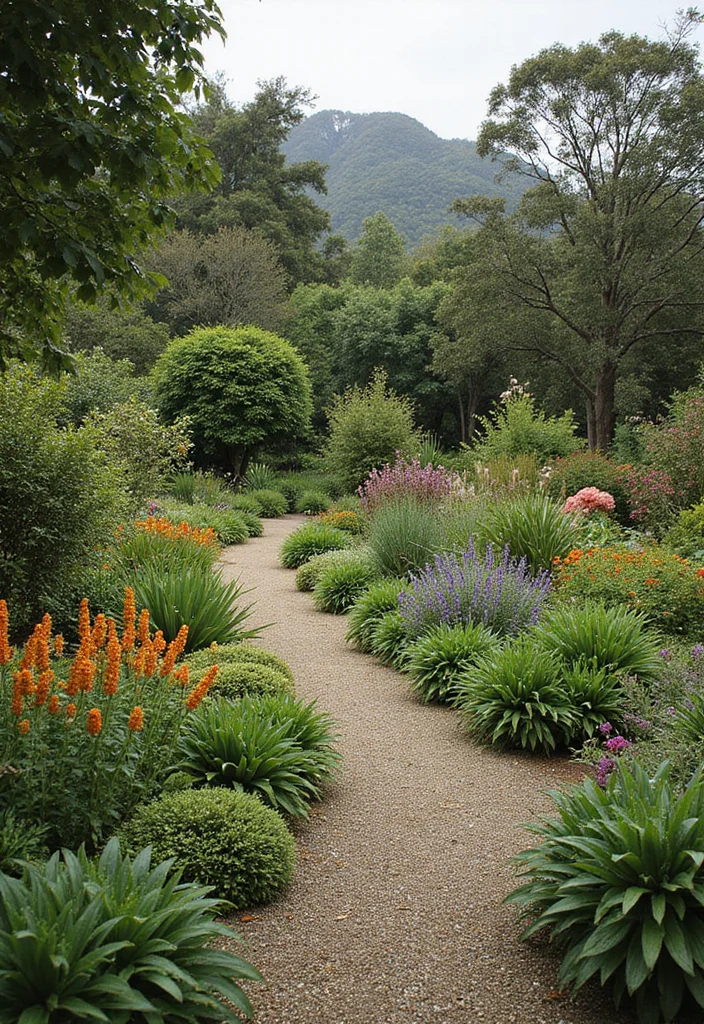
Designing a garden that incorporates New Zealand’s native plants offers both beauty and sustainability, allowing you to create spaces that are alive with color and wildlife.
By embracing indigenous flora, you’re not just enhancing your outdoor area but also contributing to the preservation of the unique ecosystem.
Consider these 17 concepts as a guide to cultivating your own slice of paradise. Let the natural beauty of New Zealand’s plants inspire your gardening journey!
Frequently Asked Questions
What Are the Benefits of Using Indigenous NZ Plants in Landscape Design?
Incorporating indigenous NZ plants into your landscape design not only enhances the beauty of your outdoor spaces but also promotes sustainability. These native plants are well-adapted to the local environment, requiring less water and maintenance than non-native species.
Additionally, they provide vital habitats for local wildlife, helping to preserve biodiversity. By creating a native garden, you’re contributing to the health of your ecosystem while enjoying a unique and vibrant landscape.
How Can I Start Designing My Own NZ Native Garden?
Starting your own NZ native garden is an exciting adventure! Begin by assessing your outdoor space—consider factors like sunlight, soil type, and drainage.
Next, choose a variety of native plants that suit your conditions. Incorporating different heights and textures can create visual interest. Research indigenous plants that thrive in your area, and plan your layout to ensure good spacing for growth. Don’t forget to add features like paths or seating areas to enhance your garden experience!
What Are Some Key Design Concepts for Sustainable Gardening?
When designing a sustainable garden, consider concepts like permaculture, companion planting, and water-wise gardening. Use native plants that require less irrigation and are resistant to pests, which reduces the need for chemical treatments.
Incorporating mulch can help retain moisture and improve soil health. Additionally, think about creating habitats for beneficial insects, which can help with pest control naturally. These strategies not only beautify your space but also contribute to a healthier planet!
How Do I Choose the Right Native Plants for My Garden?
Choosing the right native plants for your garden involves understanding your local climate and soil conditions. Start by researching the plants that naturally occur in your area, as they will thrive best in your garden.
Consider factors like the amount of sunlight your garden receives and whether the soil drains well. Visit local nurseries or botanical gardens for inspiration and advice. Don’t hesitate to mix different species to create a diverse and resilient ecosystem!
What Maintenance Is Required for a Native Garden?
Maintaining a native garden is typically easier than caring for non-native landscapes. Native plants are adapted to local conditions, which means they often require less water and fewer fertilizers.
Regular tasks include occasional weeding, deadheading spent blooms, and monitoring for pests. It’s also beneficial to apply mulch to retain moisture and suppress weeds. With minimal intervention, your native garden can thrive, offering beauty and supporting local wildlife year-round!