

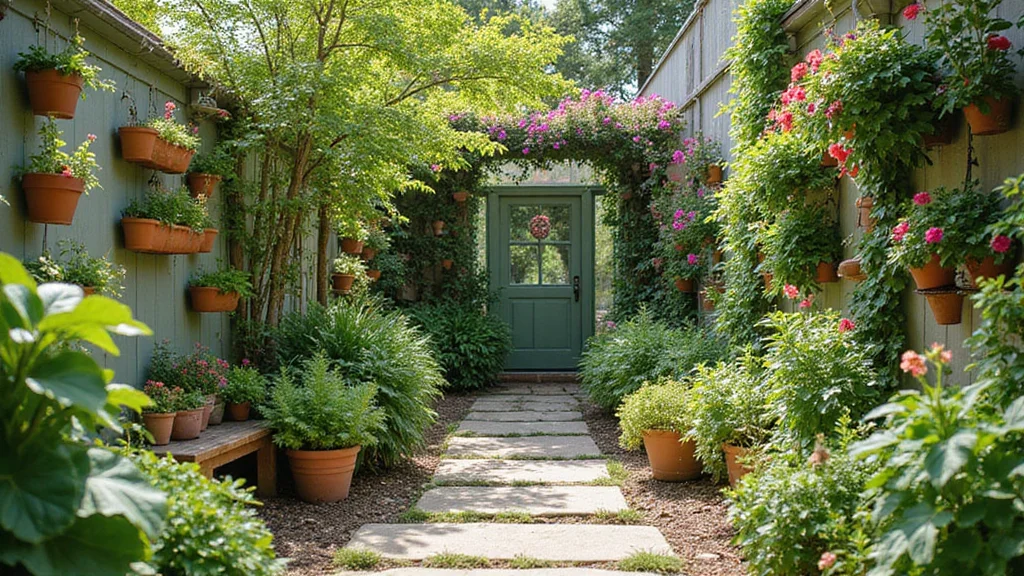
As the weather warms up, I find myself dreaming of vibrant gardens and outdoor spaces that inspire creativity and relaxation. That’s why I created this guide filled with fresh ideas for outdoor design that will breathe new life into your garden. Whether you are a seasoned gardener or just starting to dip your toes into the world of plants, you’ll discover practical tips and beautiful inspirations to transform your outdoor area into a personal oasis.
If you’re someone who loves gardening and wants to make the most of your outdoor space, especially if it’s small, this post is for you. Imagine turning a plain wall into a stunning vertical garden or using hanging planters to elevate your plants while saving ground space. You’ll find that gardening can be both functional and fun, even in tight quarters.
In this guide, you’ll get 17 unique outdoor design ideas that are creative, eco-friendly, and easy to implement. From vertical wall planters to pocket gardens, each concept is packed with practical tips and examples to help you design a stylish garden that reflects your personality. You’ll not only learn about outdoor garden decor but also discover clever planting techniques that maximize your space while keeping your garden thriving year-round. Let’s get started on making your outdoor dreams a reality!
Key Takeaways
– Explore vertical gardening techniques with wall planters to save space and create lush, green walls.
– Discover how hanging gardens can add dimension and beauty to small areas without sacrificing ground space.
– Learn about repurposing materials for sustainable garden decor, turning old items into unique planters or garden features.
– Find DIY garden furniture tips that combine comfort and style, making your outdoor space perfect for relaxation and entertaining.
– Understand how eco-friendly gardening practices can enhance your garden’s health while contributing to a greener planet.
1. Vertical Wall Planters: A Living Canvas
Transform your blank walls into stunning vertical gardens with wall planters. These planters allow you to grow everything from vibrant flowers to aromatic herbs, creating a living art piece that changes with the seasons. Bright greens and colorful blooms bring life to otherwise dull spaces, making your garden feel more inviting. Pinterest often showcases these lush displays, inspiring many to embrace this trend.
To get started, consider lightweight planters that won’t stress your wall structure. Look for affordable options at local garden centers or online. Make sure to choose plants with similar sunlight and watering needs to simplify care. This approach not only beautifies your space but also gives you fresh herbs or flowers right outside your door, making it a personal and delightful retreat.
2. Hanging Gardens: Elevate Your Greens
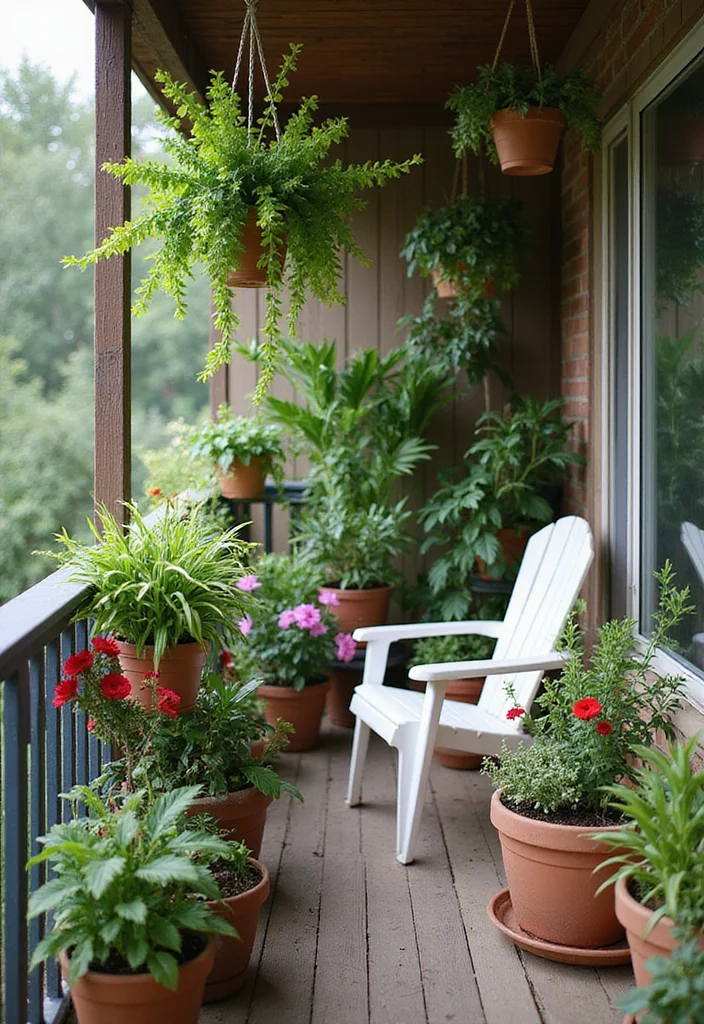
Elevate your gardening game by creating hanging gardens! This style adds depth and draws the eye upward, making your outdoor areas feel more spacious. Hang pots from ceilings, railings, or pergolas, mixing different shapes and sizes to create a lively arrangement. This trendy idea adds a playful touch to your garden.
For a successful hanging garden, choose trailing plants like ivy or petunias for a beautiful cascading effect. Ensure you secure your pots firmly to avoid accidents. You can also add decorative hangers or use macramé for a trendy look. This adds charm and creates a unique space that feels both cozy and inviting, perfect for relaxation.
3. Creative Trellis Designs: Support and Beauty
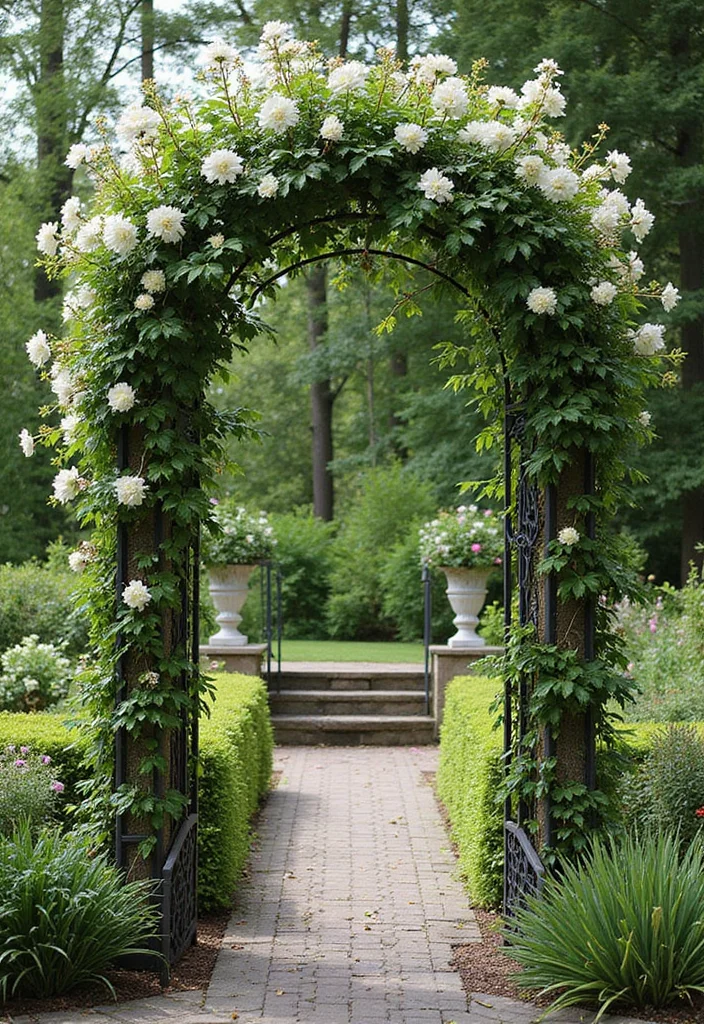
Trellises serve both form and function in your garden. They provide essential support for climbing plants while adding a decorative flair to your space. You can choose from wood or metal designs, or even create your own DIY trellis to match your style. This feature can enhance the overall look of your garden space while allowing your plants to flourish.
When selecting a trellis, pick a design that complements your garden’s vibe, whether it’s rustic or modern. Bright colors can add a fun twist, or you may prefer a natural look that blends in. Pair your trellis with garden lights for a magical evening glow. This combination creates a beautiful and enchanting atmosphere, perfect for enjoying your garden after sunset.
4. Pocket Gardens: Planting in Unusual Spaces
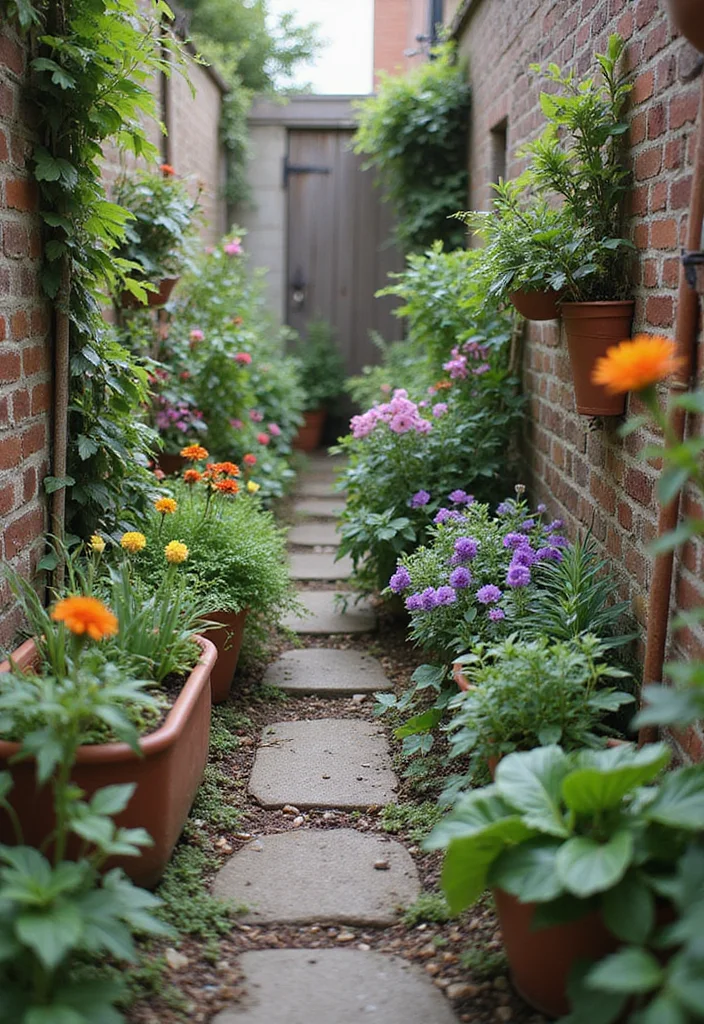
Pocket gardens are a clever way to utilize small or unused spaces in your yard. These tiny gardens can thrive in narrow corners or along pathways, often using small pots or repurposed materials like crates. This makes them an affordable and flexible option for those with limited space.
To create an appealing pocket garden, experiment with different plant heights and densities. Mixing ornamental flowers with edible plants, like strawberries or herbs, adds both beauty and functionality. Always choose plants based on the light conditions of the space to ensure they thrive. This approach not only beautifies your area but also provides fresh produce right at your fingertips.
5. Vertical Vegetable Gardens: Grow Your Own Food
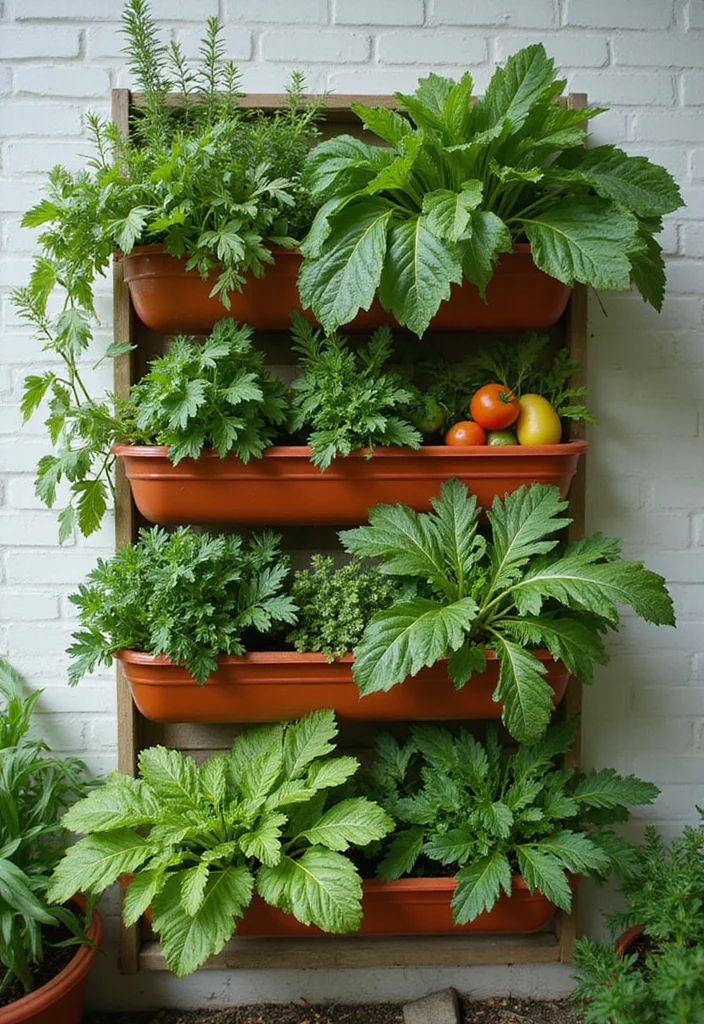
Imagine stepping outside to pick fresh vegetables from your own vertical garden! This method maximizes your space and allows you to grow food even in tight spots. Use vertical planters or repurposed pallets to cultivate veggies like lettuce, tomatoes, and peppers. This trendy gardening style not only offers fresh produce but also helps reduce grocery bills.
Pay attention to how much space each plant needs and ensure they receive adequate sunlight. A drip irrigation system can help with easy maintenance. Companion planting can also deter pests and promote healthy growth, creating a thriving mini ecosystem. Enjoy the satisfaction of harvesting your own food while enjoying the beauty of your garden.
6. Repurposed Materials: Sustainable Creativity
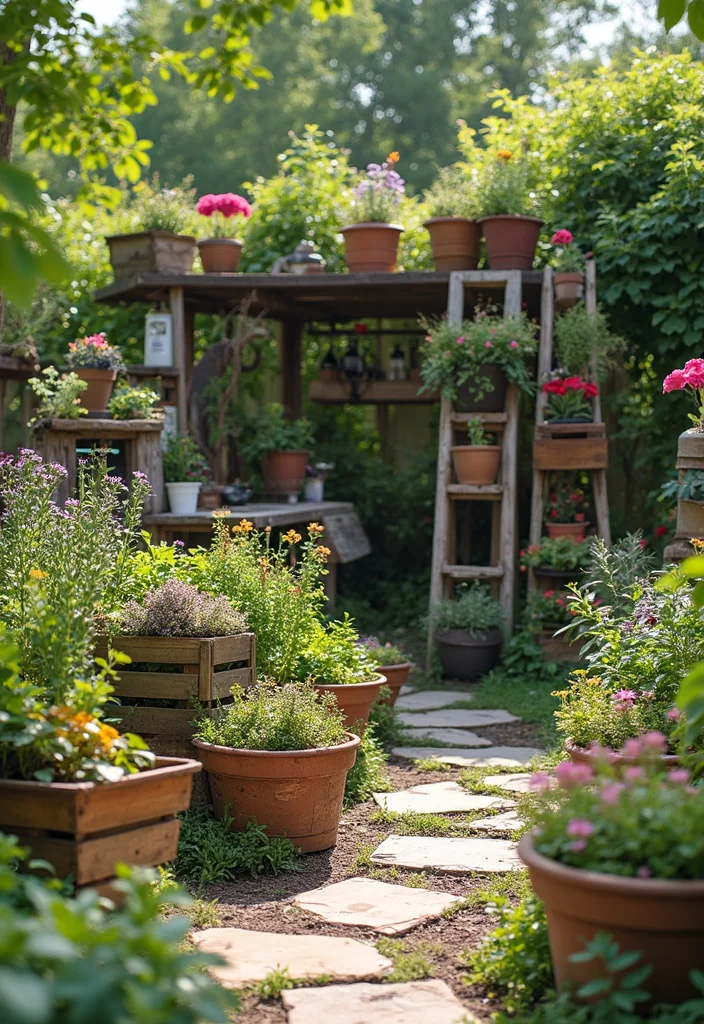
Get creative by using repurposed materials in your garden! Items like old wooden pallets, crates, or kitchen utensils can become charming planters or unique garden decor. This eco-friendly approach saves money and reduces waste, allowing your garden to reflect your personality.
Consider using an old ladder to display climbing plants or turning wine bottles into a vertical garden. The key is to think outside the box and let your creativity shine. Ensure that any materials you use are safe for plants and can withstand the weather. This fun, hands-on approach adds character to your garden while being kind to the planet.
7. DIY Garden Furniture: Comfort Meets Style

Your outdoor space can become a relaxing retreat with stylish DIY garden furniture. Building benches or tables from pallets is a cost-effective way to add charm and comfort to your garden. Use weather-resistant materials to ensure your creations last, and don’t hesitate to paint or stain to match your style.
Enhance comfort by incorporating cushions and throws, making your seating area inviting. You might also consider adding a fire pit or outdoor rug for extra coziness. This practical addition creates a welcoming atmosphere where you can unwind and enjoy your garden space with friends and family.
8. Green Roofs: A Touch of Nature Above
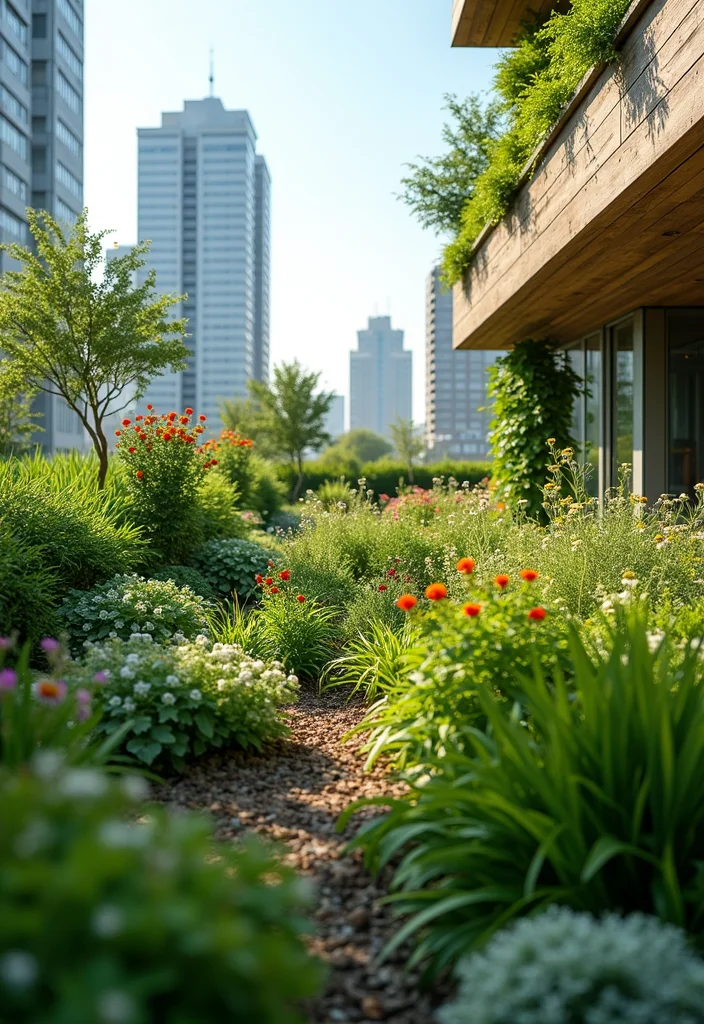
If you have a flat roof, consider transforming it into a green oasis! Green roofs provide insulation, reduce rainwater runoff, and add beauty to your home. This eco-friendly feature helps mitigate urban heat while creating a habitat for wildlife. Start with easy-to-care-for plants like sedums or grasses that thrive in these conditions.
Green roofs improve energy efficiency and can even increase your property value. If you’re considering a larger project, consult with professionals to ensure a safe design and installation. Enjoy the beauty and benefits of nature right atop your home.
9. Garden Pathways: Define Your Space
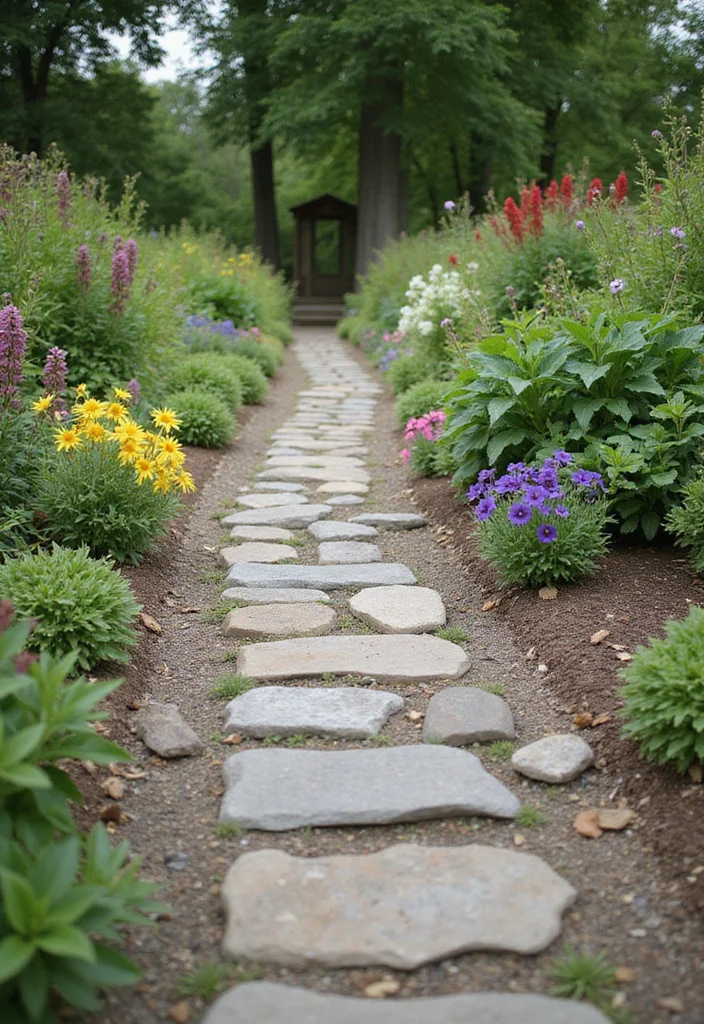
Garden pathways may often be overlooked, but they play a crucial role in guiding visitors through your outdoor space. You can choose materials like gravel, stones, or wooden planks, each adding its unique charm. Pathways create structure and flow, allowing different garden areas to stand out while encouraging exploration.
As you plan your pathways, walk through your garden to find the best routes. Consider using edging to give your pathways a polished look. Adding decorative elements like lanterns or unique stones along the path can also enhance visual interest. Keep maintenance in mind, especially for areas close to greenery.
10. Container Gardens: Flexibility and Fun
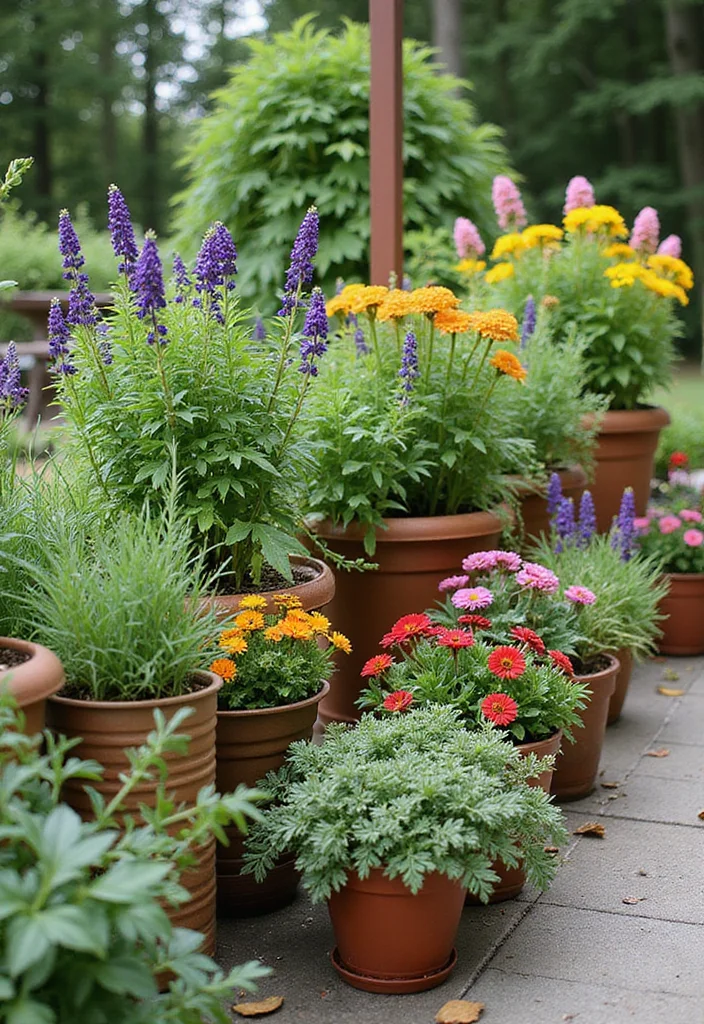
Container gardens offer flexibility and are perfect for small spaces. They allow you to grow a diverse range of plants and easily rearrange them to suit your tastes. Mix different sizes and shapes of pots for a visually captivating display. You can even group pots together for a bolder look.
Make sure your containers have proper drainage and choose the right soil for your plants. Incorporating herbs, flowers, or even dwarf fruit trees can create a lush and vibrant display. Plus, you can move containers around to maximize sunlight exposure or refresh your garden’s look as you please.
11. Eco-Friendly Gardening Techniques: Go Green!
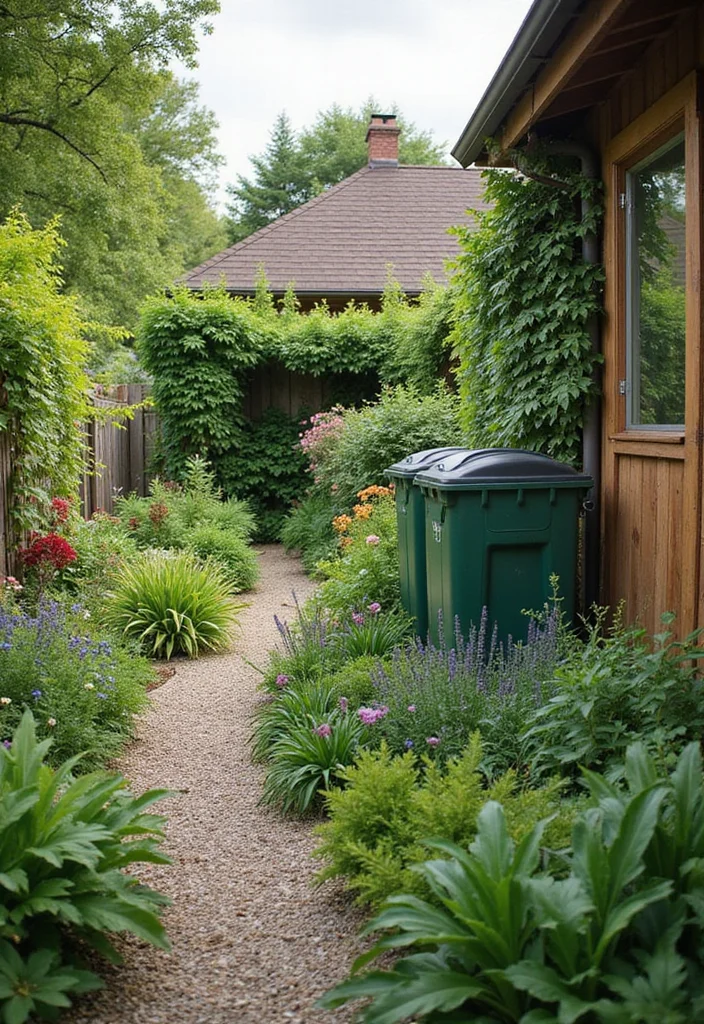
Sustainable gardening techniques are essential for protecting our planet and can easily be integrated into your garden. Embrace practices like composting, rainwater harvesting, and organic gardening to promote a healthy environment. These methods reduce waste and improve soil quality while producing chemical-free food.
Start composting kitchen scraps and yard waste to create nutrient-rich soil. Install a rain barrel to collect water for your plants. Opt for native plants that require less water and maintenance. Educating yourself on organic pest management will help keep your garden thriving without harmful chemicals.
12. Color Theory: Create a Visual Delight
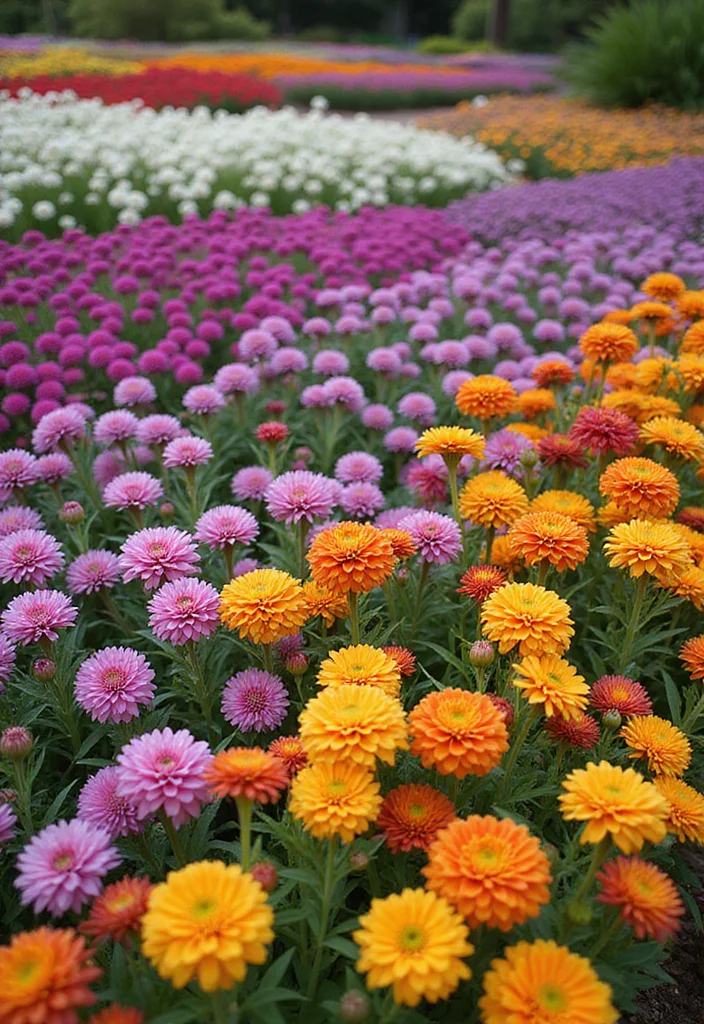
Adding color to your garden can evoke emotions and set the mood of your outdoor space. Think about the psychology of colors: reds for energy, blues for calmness, and yellows for joy. By mixing colors across your garden, you can create harmony and striking contrasts.
Use a color wheel for inspiration and consider seasonal changes. For example, plant spring bulbs for early blooms and summer annuals for vibrant later seasons. Paying attention to blooming times helps keep your garden visually exciting all year long.
13. Lighting: Illuminate Your Garden Oasis
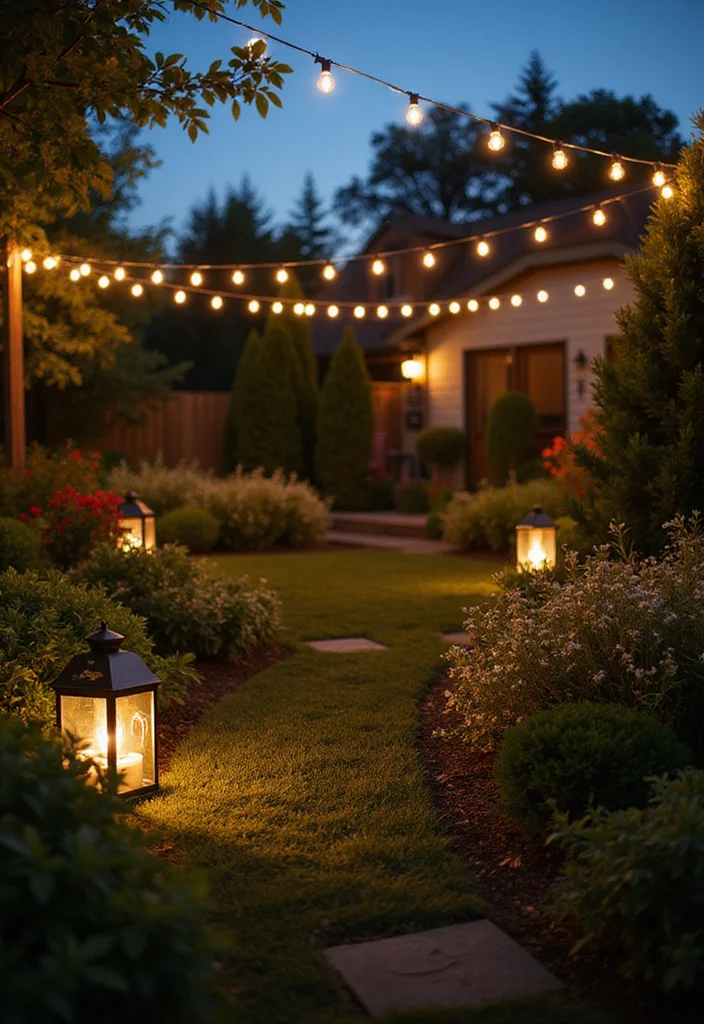
Adding lighting to your garden enhances its beauty and lets you enjoy the space even at night. Options like string lights, solar lanterns, or pathway lights create a magical ambience. Think about the mood you wish to set; soft lighting feels cozy, while brighter lights can highlight special features.
Use multiple light sources at different heights for added depth. Solar lights are great for sustainability, and avoid harsh lights that disrupt the natural feel of your garden. Thoughtful lighting can transform your yard into a captivating evening retreat.
14. Edible Landscaping: Beauty and Bounty

Why not blend beauty with functionality in your garden? Edible landscaping incorporates edible plants into your design, creating a space that is both stunning and productive. Consider mixing herbs in flower beds or planting colorful vegetables that look great while providing food.
This approach brings fresh produce and visual appeal, while embracing sustainable practices. Explore companion planting to enhance both beauty and function in your garden. By considering seasonal changes, you can ensure your landscape is always vibrant and rewarding throughout the year.
15. Garden Themes: Express Your Style
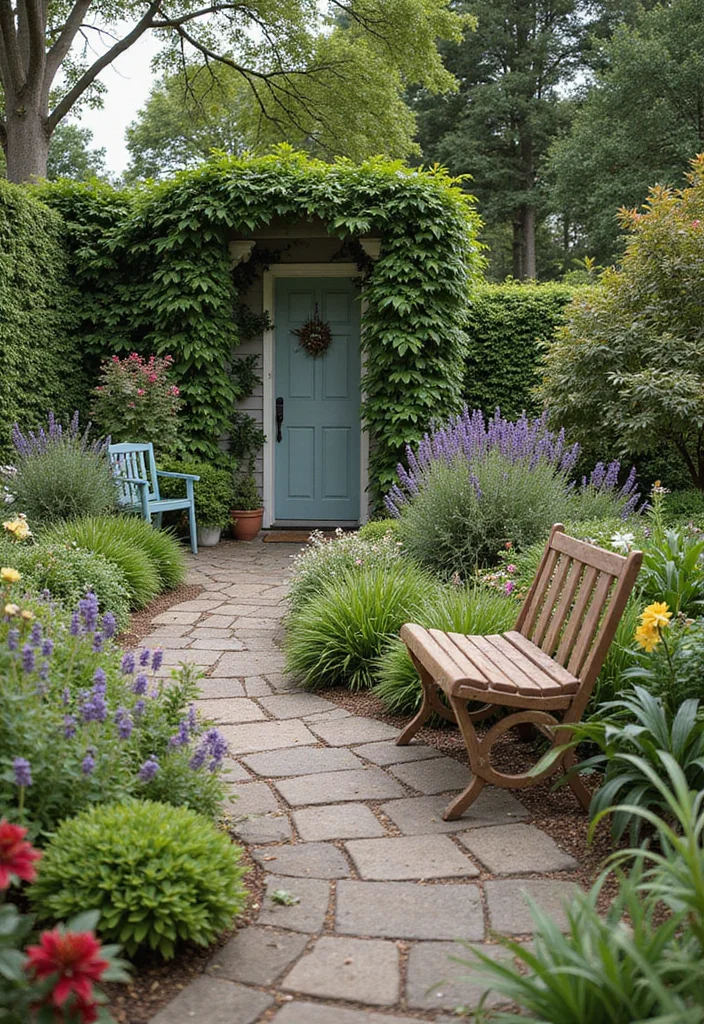
A cohesive garden theme can elevate your design, making it feel intentional and well-planned. Whether you favor a whimsical cottage garden or a sleek modern style, choose elements that reflect your personality. Think about your color palette, plant selections, and decor that align with your theme.
Incorporate unique accessories that tell a story or represent your interests. A well-defined theme creates harmony and encourages better interaction with your outdoor space, making it a lovely extension of your home.
16. Seasonal Planting: Keep It Fresh Year-Round

Gardening evolves with the seasons! By planning seasonal plantings, you can keep your garden looking fresh and vibrant year-round. Choose plants that bloom in different seasons and stagger planting times for continuous color.
Research blooming periods and consider planting perennials for reliable color each year. Incorporate seasonal decor or plan events around planting times to enjoy each season fully. This dynamic approach keeps your garden exciting and engaging throughout the year.
17. Maintenance Tips: Keep Your Garden Thriving
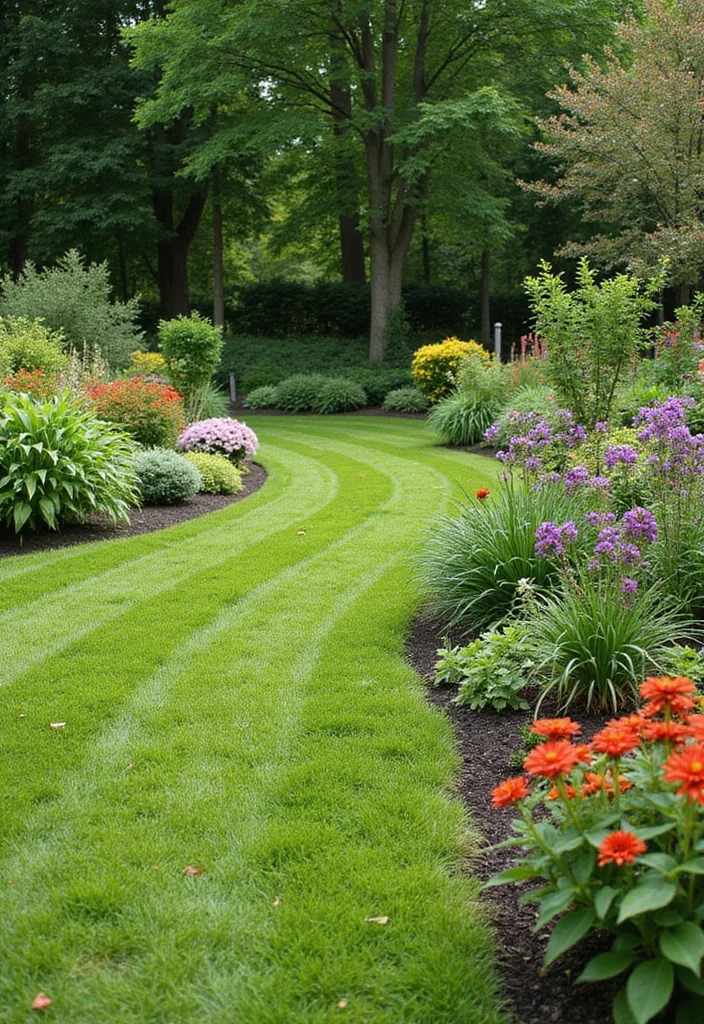
Maintaining your garden is key to enjoying your outdoor space. Regular upkeep enhances its beauty and supports the health of your plants. Create a maintenance schedule that includes watering, pruning, and fertilizing based on your specific plant choices.
Use organic fertilizers for eco-friendly care and watch for pests to address issues early. Don’t overlook seasonal clean-ups; removing debris prevents disease and promotes growth. An organized maintenance plan ensures your garden remains a source of joy for many years.
Conclusion: Embrace the Outdoors
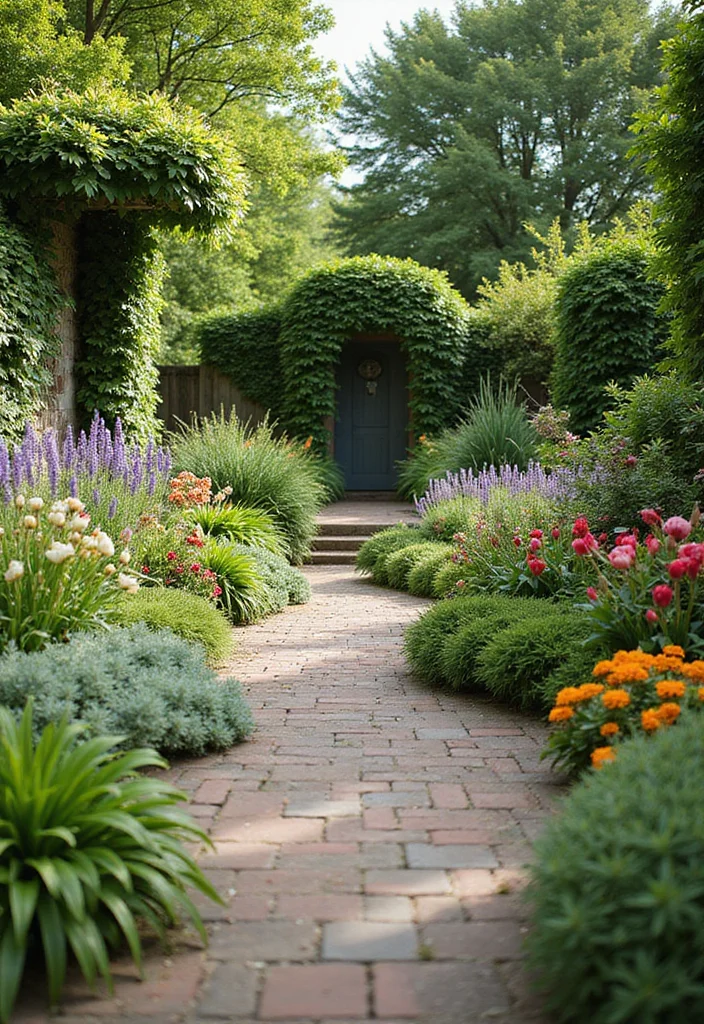
Creating a stunning outdoor space, especially through vertical gardening, opens up endless possibilities for design and creativity.
Whether you’re utilizing small spaces or focusing on eco-friendly methods, each idea can enhance your gardening experience while reflecting your unique style.
Consider which inspirations resonate with you, and start your journey to a lush, vibrant garden that brings joy and beauty into your life.
Frequently Asked Questions
What Are Some Creative Vertical Gardening Techniques for Small Spaces?
If you’re looking to maximize your limited space, vertical gardening is a fantastic solution! You can use wall-mounted planters, trellises, or even repurpose old pallets for an eco-friendly touch.
Consider using climbing plants like peas or cucumbers that can grow upwards, saving valuable ground space. Additionally, hanging pots or vertical garden towers can infuse your space with vibrant greenery while being a stylish outdoor garden decor choice.
How Can I Design an Eco-Friendly Garden Layout?
Designing an eco-friendly garden layout starts with selecting native plants that thrive in your climate, which reduces the need for water and maintenance.
Incorporate composting areas and rainwater collection systems to make your gardening practices more sustainable. Implementing creative planting techniques like companion planting can also enhance biodiversity and soil health, making your garden both beautiful and environmentally friendly.
What Are Some Landscape Design Tips for Small Outdoor Areas?
When working with small outdoor spaces, think about layering and depth! Use taller plants at the back and shorter ones at the front to create a sense of dimension.
Incorporate pathways or stepping stones to guide the eye and make the space feel larger. Mirrored elements or reflective surfaces can also enhance the visual appeal of your garden layout ideas while providing a unique twist to your landscape design.
Can Vertical Gardening Help with Outdoor Decor Aesthetics?
Absolutely! Vertical gardening can transform your outdoor space into a stunning visual masterpiece. By integrating plants into walls or fences, you create lush backdrops that enhance the overall aesthetic.
Using a variety of colors and textures can make your space more inviting and lively. This approach not only elevates your outdoor garden decor but also allows for creative expressions through plant choices and arrangements.
What Types of Plants Are Best for Vertical Gardening?
When choosing plants for vertical gardening, consider those that thrive in small spaces and can climb or cascade. Herbs like basil and mint, as well as flowering plants like nasturtiums, are excellent choices.
Additionally, consider succulents or ferns for a low-maintenance option. Mixing different plant types can create a vibrant and lush vertical garden that not only looks appealing but is also functional for cooking or enhancing your outdoor experience.